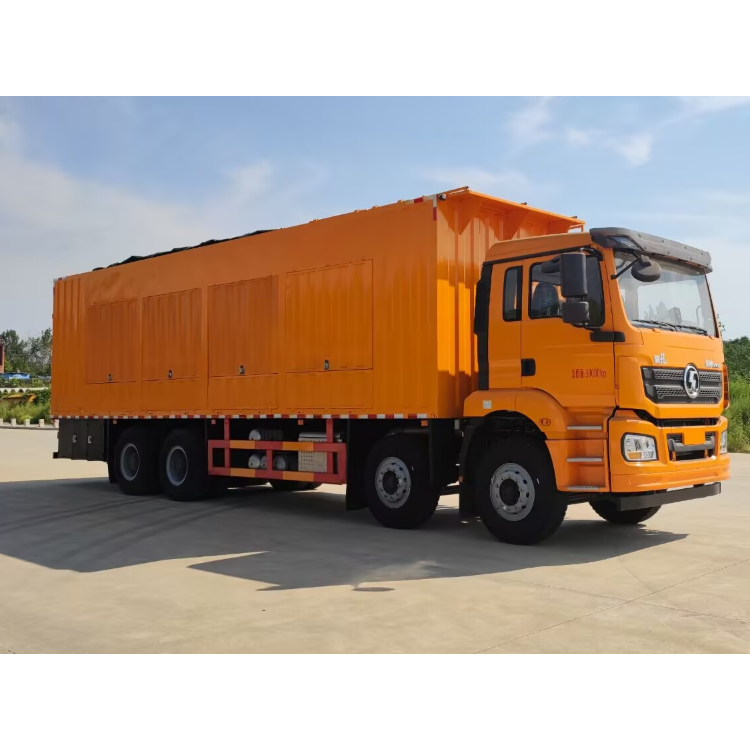
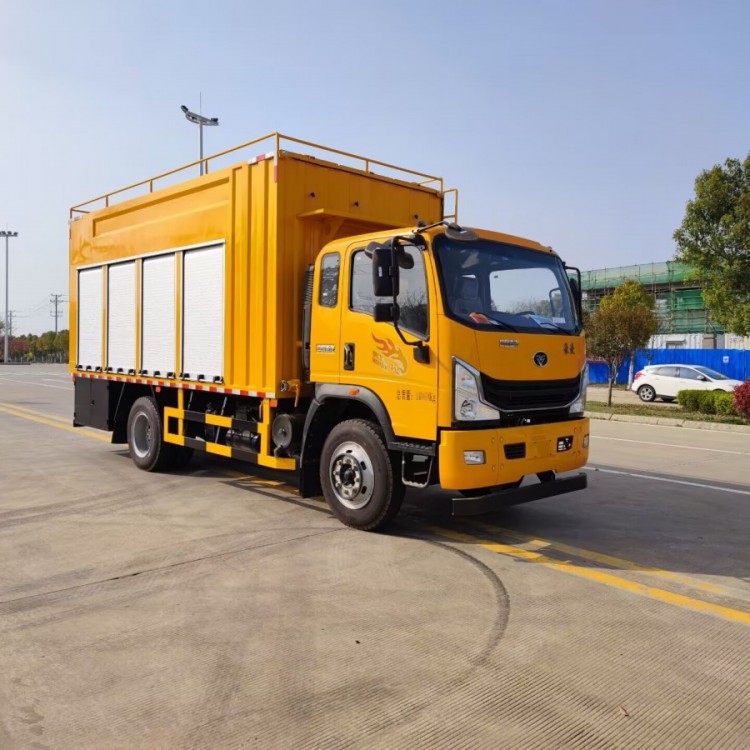
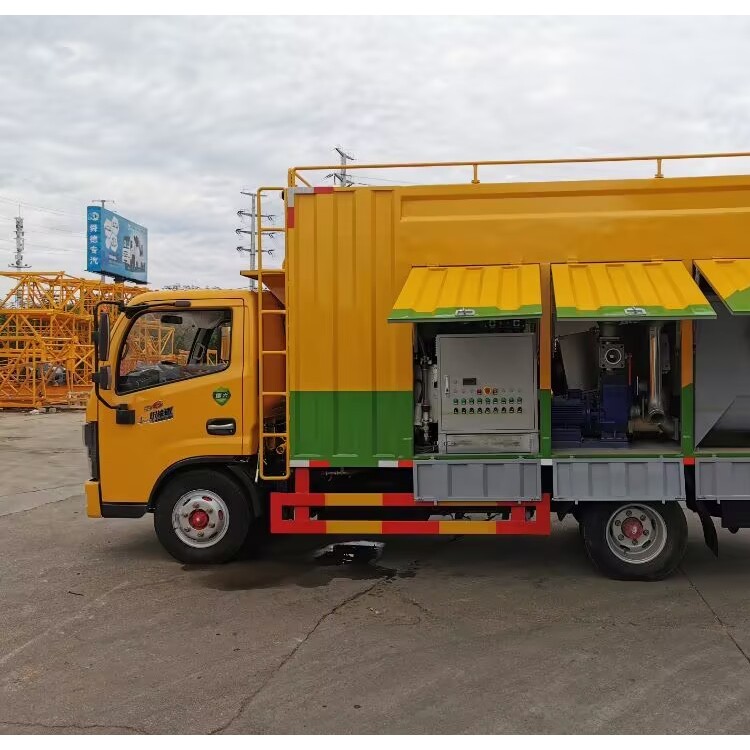







Scrap Truck Disposal Process: One. The vehicle owner delivers the scrapping documents and the scrap vehicle to the dismantling factory, where an initial review is conducted. Upon approval, the documents are submitted to the vehicle administration office for further review. Three. Notify the dismantling factory to destroy the vehicle; after destruction, take photos and submit them to the vehicle administration office for final review. Four. The vehicle administration office issues the vehicle deregistration certificate for the scrapped vehicle, and the dismantling factory provides the scrap car recycling certificate.
Scraped Vehicle Process Functions: Application Form Collection -- Registration and Audit Post Handling -- Vehicle Inspection Post Inspection -- Payment -- Fee Payment -- Company Collection and Dismantling Photography -- Vehicle Inspection Post Inspecting Dismantling Status -- Business Post Approval -- Brigade Office Stamping -- Vehicle Record Cancellation.
Methods for Disciplinary Actions on Scrapped Vehicles: If the owner of a motor vehicle that has been legally impounded does not appear before the traffic administration department within 30 days to receive processing, and after a public announcement for 3 months still does not come forward, the impounded vehicle will be legally disposed of. According to relevant regulations, for small ordinary cars with 9 seats or fewer, an annual inspection must be conducted on time. The service life for ordinary cars with 10 seats or more is 20 years.
Setting 600,000 kilometers as the mileage for scrapping private cars is just a theoretical calculation; actually, it's not easy for a car to reach such a long mileage. Article 4 of the new regulations stipulates that within three consecutive vehicle inspection cycles after the expiration of the inspection validity period, registered vehicles that have not obtained a vehicle inspection合格标志 shall be compulsorily scrapped.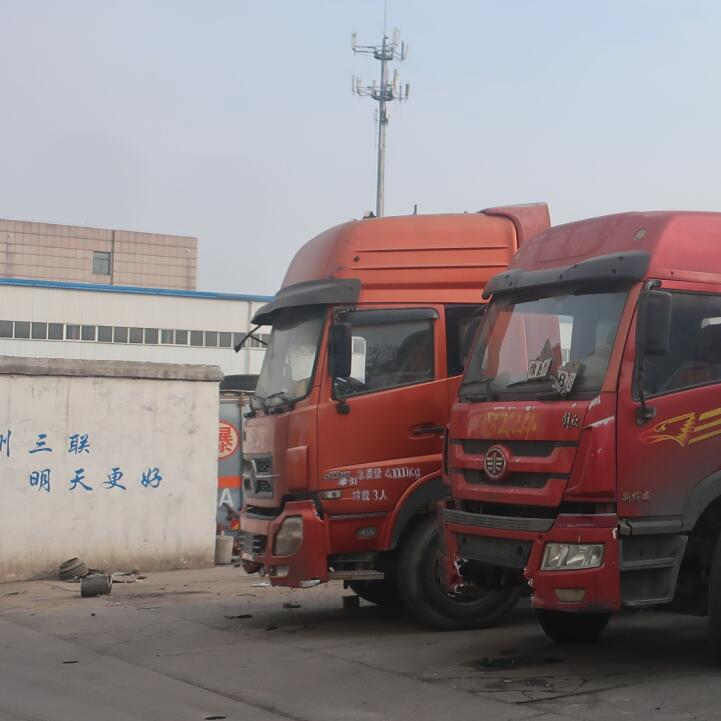 Benefits of scrapping cars for owners, encouraging the remanufacture and reuse of car "assemblies," compared to selling them all as scrap steel, the value of scrapped cars can be significantly increased. The price for recycling scrapped vehicles may be substantially higher than before. Traditionally, car repairs often used original factory parts, which were quite expensive, especially at 4S shops, which were absurdly priced. In the future, remanufactured and reused "assemblies" and other components can be used, potentially lowering vehicle repair costs significantly. For instance, if your transmission fails, you can choose to replace it with a new one or a remanufactured part, but there's a significant price difference. A new transmission might cost between $40,000 to $50,000, whereas a remanufactured one could be as low as $10,000.
Preparation for scrapping procedures:
1. For small vehicle scrapping:
- Personal vehicle: Original registration, copy of owner, Green Book.
- Corporate vehicle: Green Book, copy of agent, 2 copies of company business license with official seal.
2. For large supervised scrapping vehicle procedures:
- Personal vehicle: Green Book, copy of owner, copy of vehicle frame number stamp.
- Corporate vehicle: Green Book, copy of agent, 2 copies of company business license with official seal, copy of company's bank account with official seal, copy of vehicle frame number stamp with official seal.
WeChat Official Account

Scan to follow Official Account