






How to Dispose of Scrap Cars
Once the necessary preparations are made, the vehicle owner can proceed. At this point, the vehicle owner needs to find an auto recycling company to handle the car scrapping process. Under the guidance of the recycling company, the owner must fill out a vehicle deregistration form. After these steps are completed, the owner simply needs to wait for the outcome. The vehicle recycling company's operations and the government's dismantling procedures are something the owner does not need to worry about or be responsible for. During the process, the recycling company usually assigns a specialist to handle the scrapping process for a specific vehicle. If the owner is concerned about any issues that may arise during the process, it's advisable to obtain the specialist's contact information.
What benefits do scrapped cars offer to owners, and why encourage the remanufacturing and reuse of car "assemblies"? Compared to selling them all as scrap steel, the value of scrapped cars can significantly increase, and the prices for recycling scrapped vehicles may see a substantial rise. Traditionally, car repairs often involved using new OEM parts, which were quite expensive, especially at 4S shops, often at exorbitant prices. In the future, remanufactured and reused "assemblies" and other components can be used, potentially lowering vehicle repair costs significantly. For instance, if your transmission breaks, you can choose to replace it with a new one or a remanufactured one, but there's a significant price difference. A new transmission might cost between $40,000 to $50,000, while a remanufactured one could be around $10,000.
Methods of Penalties for Scrapped Vehicles: For the owner of a motor vehicle that has been legally impounded, if the party fails to appear at the traffic administration department within 30 days for handling, and after a public announcement for 3 months still does not come for handling, the impounded vehicle will be legally disposed of. According to relevant regulations, small ordinary cars with 9 seats or fewer require regular annual inspections, while ordinary cars with 10 seats or more have a service life of 20 years.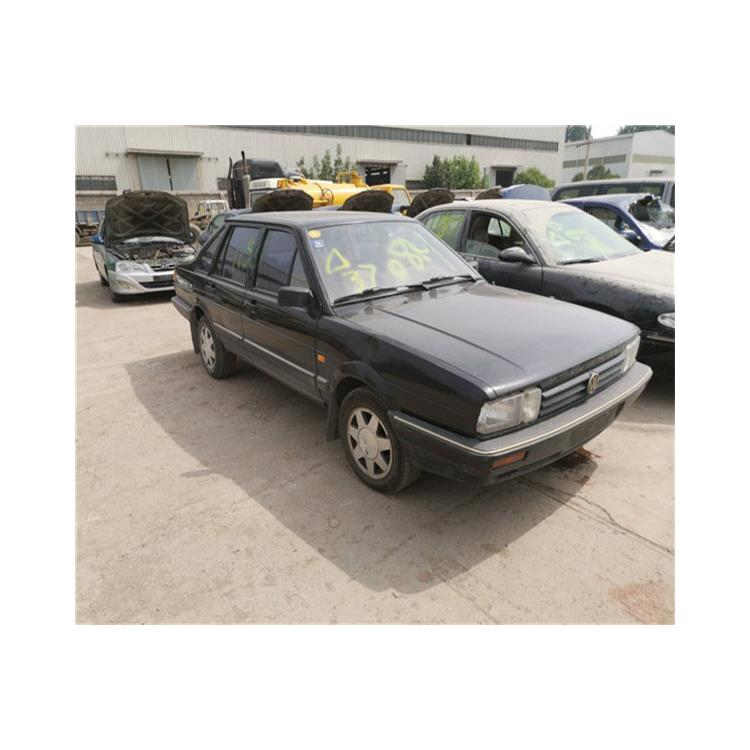 Tourist passenger buses and non-operational passenger vehicles with 9 seats or more are in use for 10 years. After reaching the scrapping standards, if continued use is required, proceed according to the current regulations, but the extended usage period may not exceed an additional 10 years. Tourist passenger buses subject to delayed scrapping must undergo an annual inspection 4 times; non-operational passenger vehicles with 9 seats or more subject to delayed scrapping must undergo an annual inspection 2 times, and for those over 15 years, an annual inspection of 4 times will be required starting from the 16th year.
1. Taxi (small and micro) - 8 years of use
2. Tourist and highway passenger buses (large and medium) - 15 years of use
3. Large and medium-sized cars not in operation - 20 years of use
4. Micro commercial vehicles - 12 years of use
5. Heavy, medium, and light commercial vehicles - 15 years of use
After a vehicle is scrapped, where do the parts inside go? This is also a difficult question many car buyers are concerned about. The recycling system for vehicle parts is crucial, and it involves key categorization. One category is for parts that are purchased and reused. Even though the vehicle is damaged, some parts may still be in good condition, such as the generator set, bumper, light cover, water tank, etc. As long as there are no issues, these can be sold and used as second-hand parts. "For some older model cars or those with very low production volumes, it might be difficult to find replacement parts."
WeChat Official Account

Scan to follow Official Account