
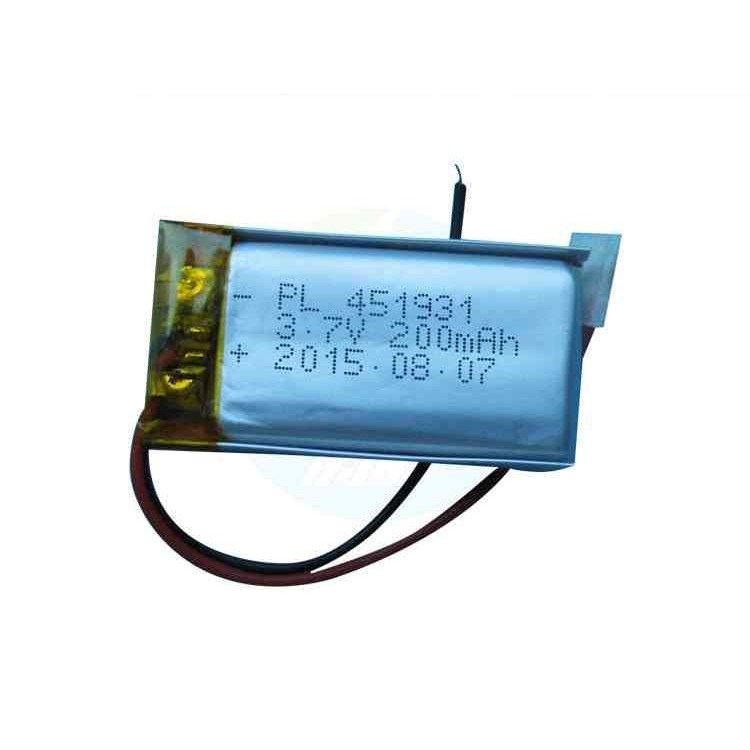

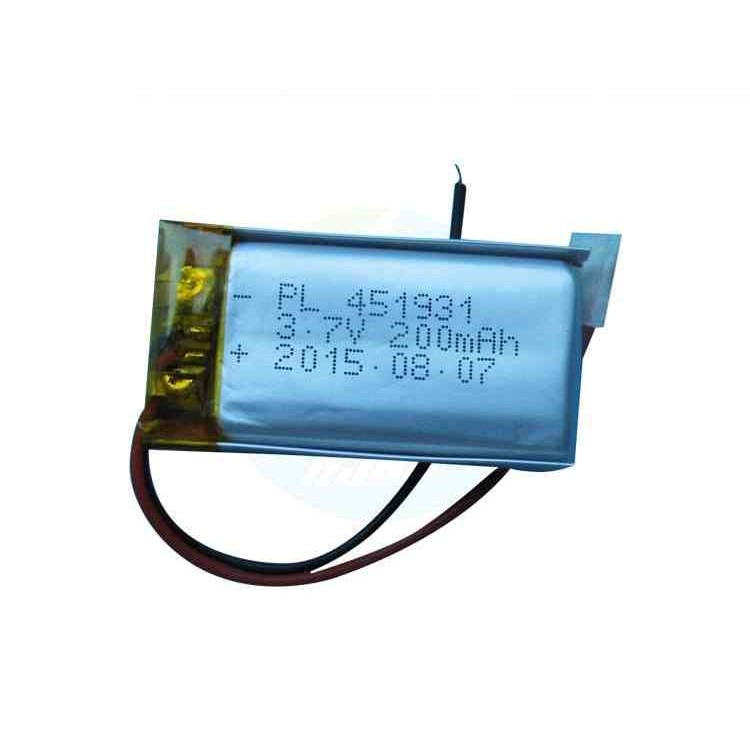
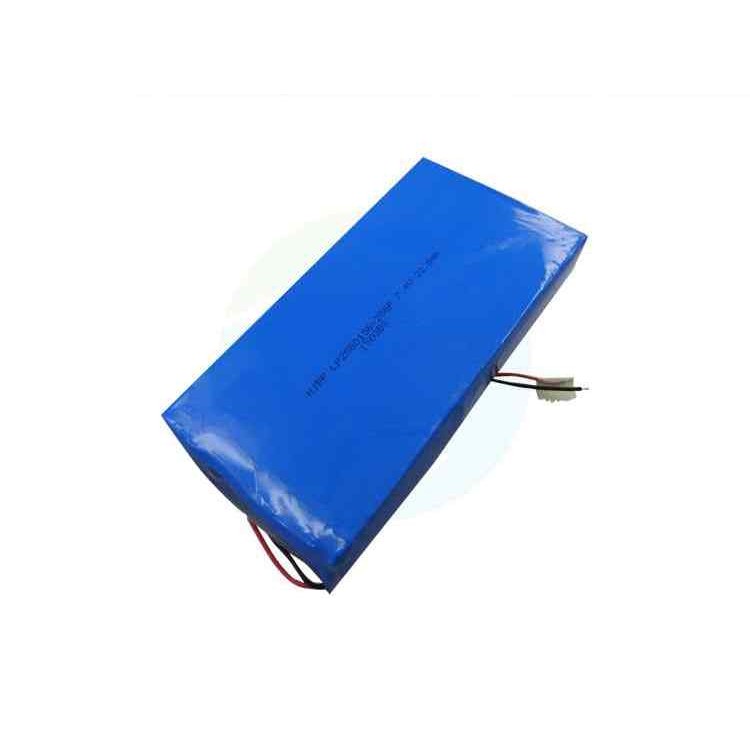
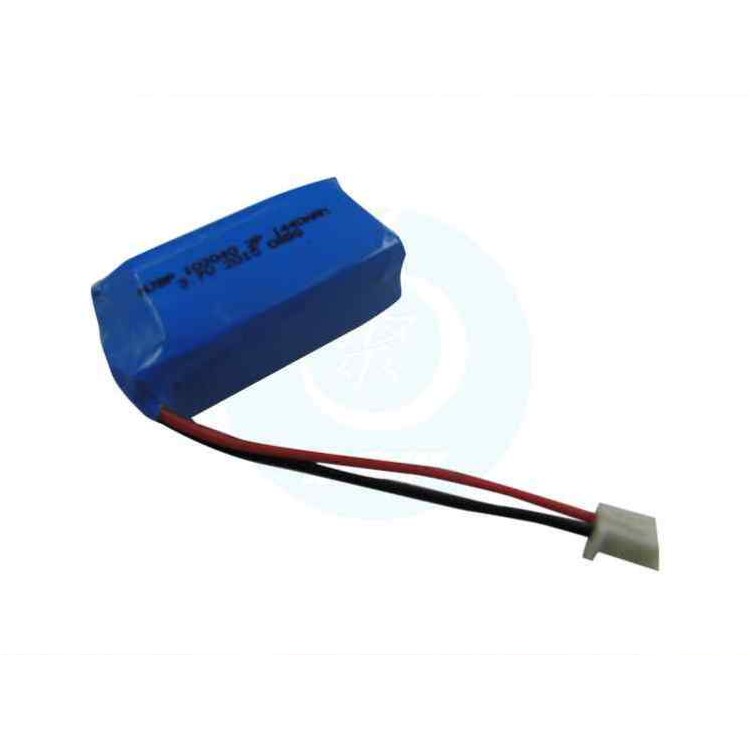










Polymer lithium-ion battery, also known as polymer lithium battery or simply polymer battery.
It is a product defined for the external shape of lithium battery casings, different from cylindrical stainless steel and square aluminum casing batteries.
The composition unit is a polymer lithium battery cell, which uses aluminum foil as the outer casing. It contains a positive and negative electrode membrane, electrodes, separator, and electrolyte. The battery cell is formed by rolling or stacking the positive and negative electrode membranes. It is then finished through high-temperature baking, aging, and static setting.
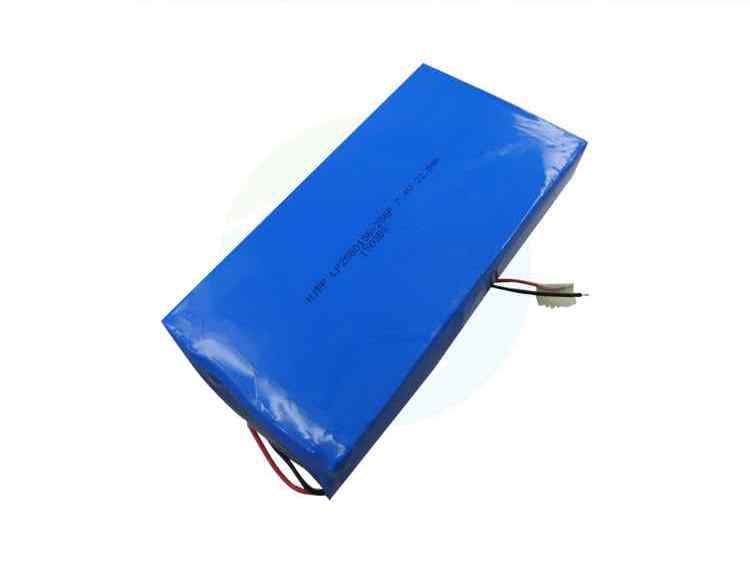
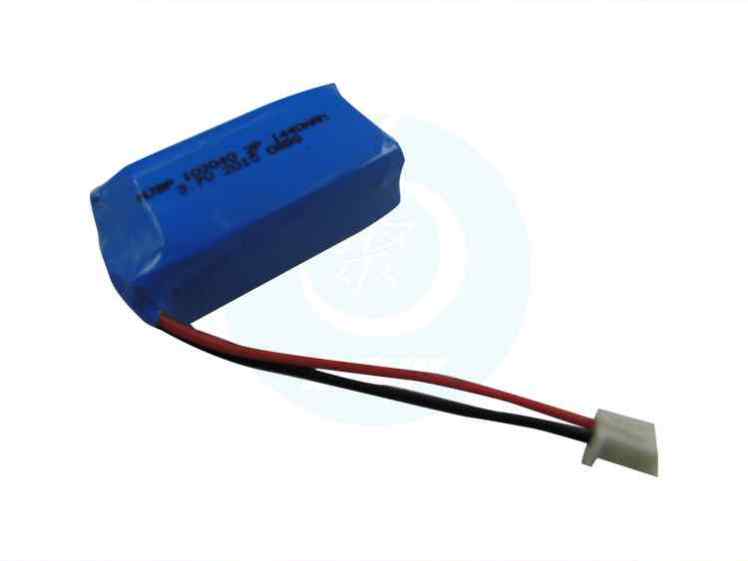
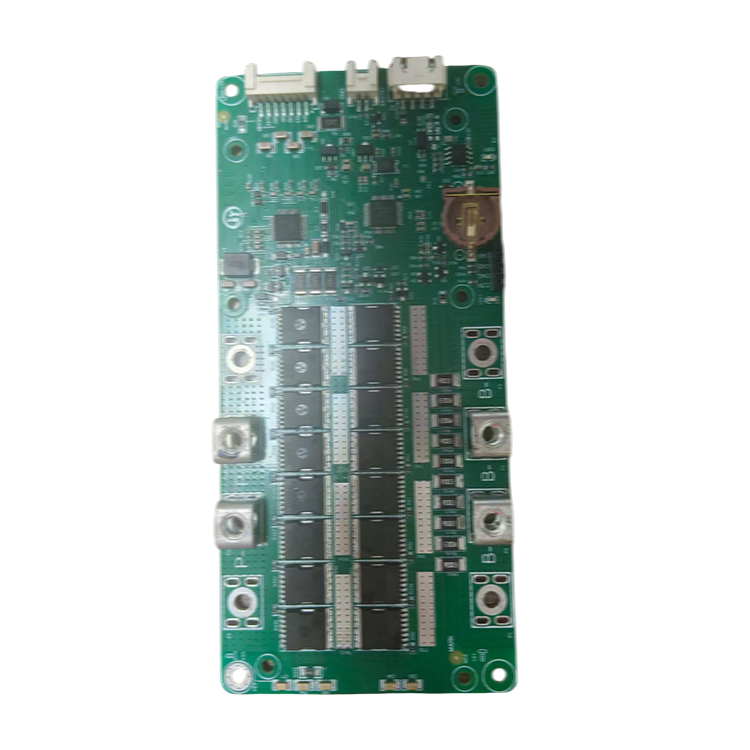
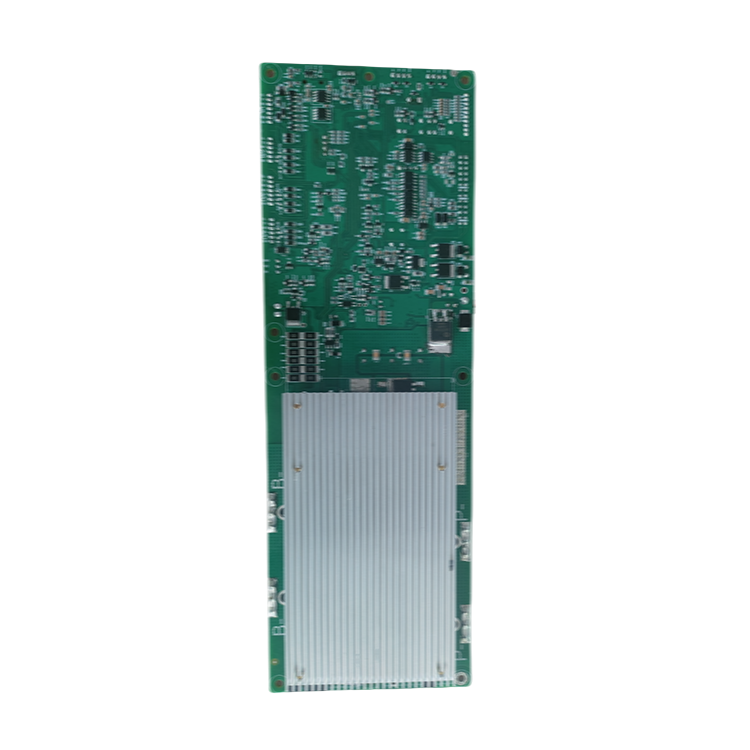
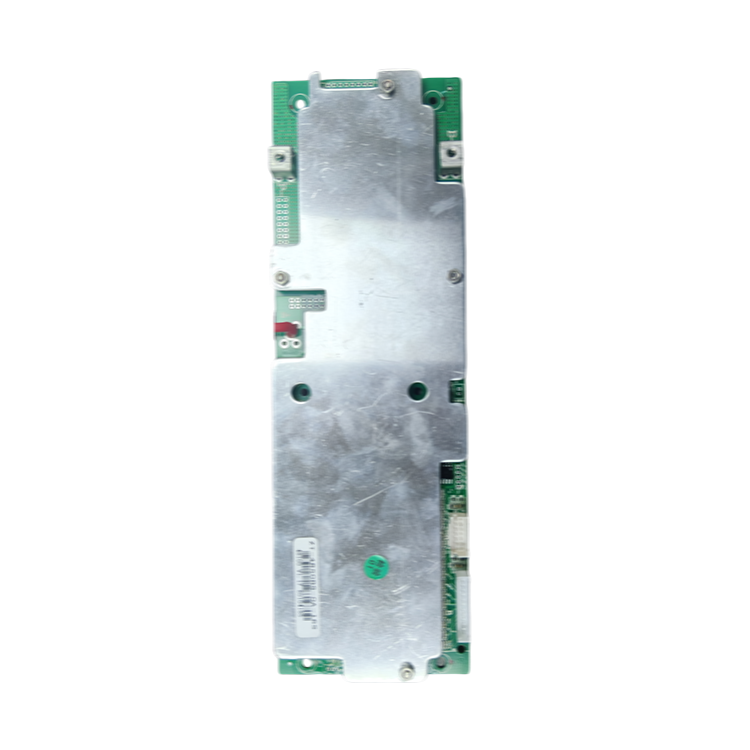
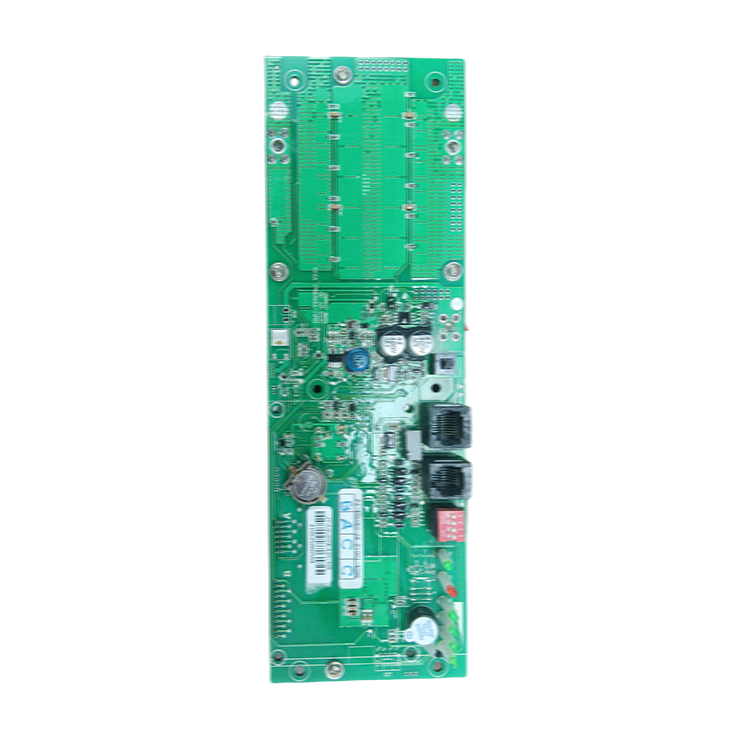
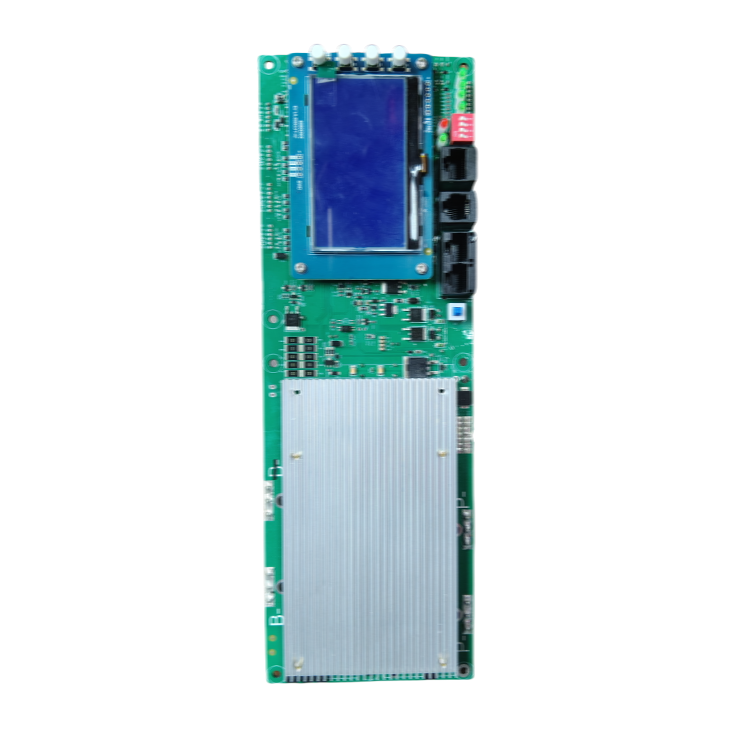
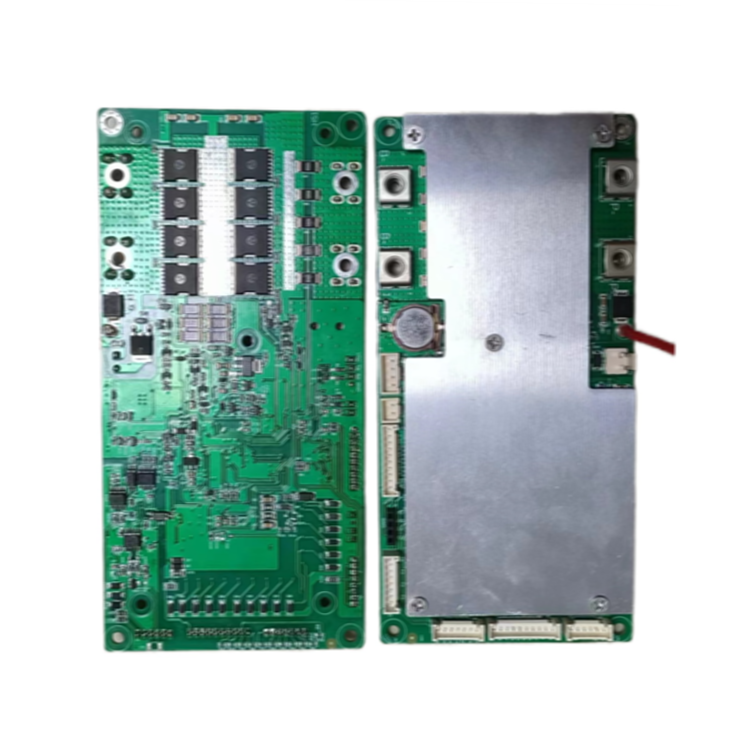
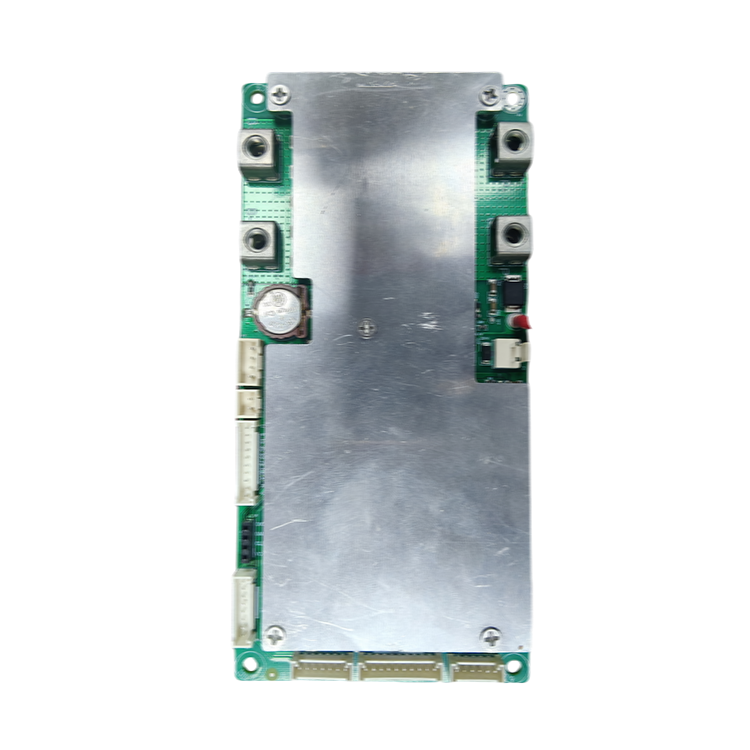
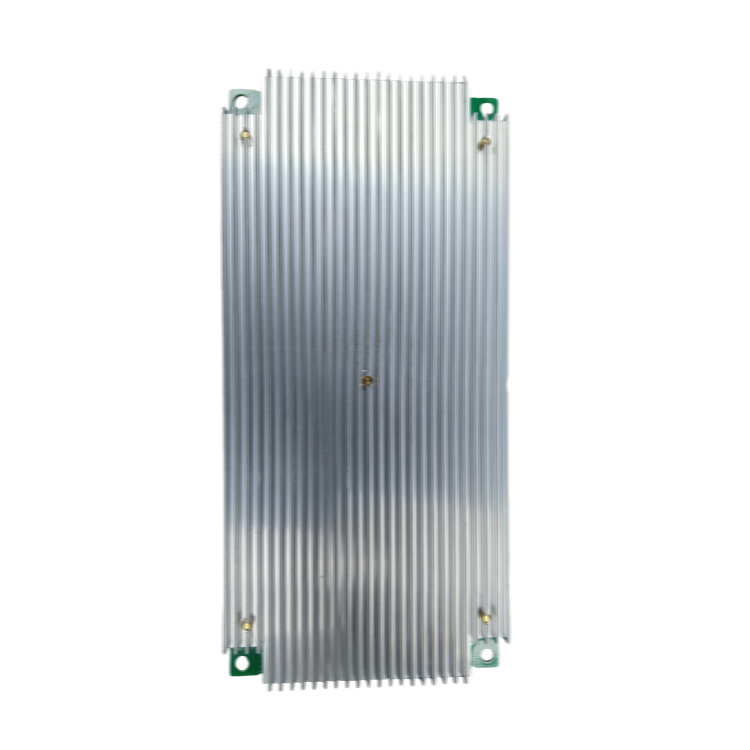
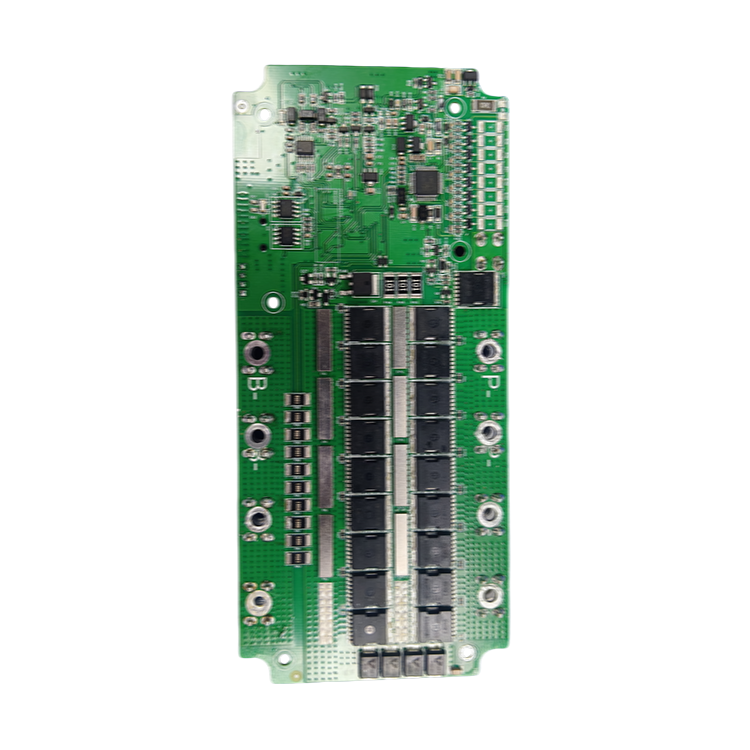
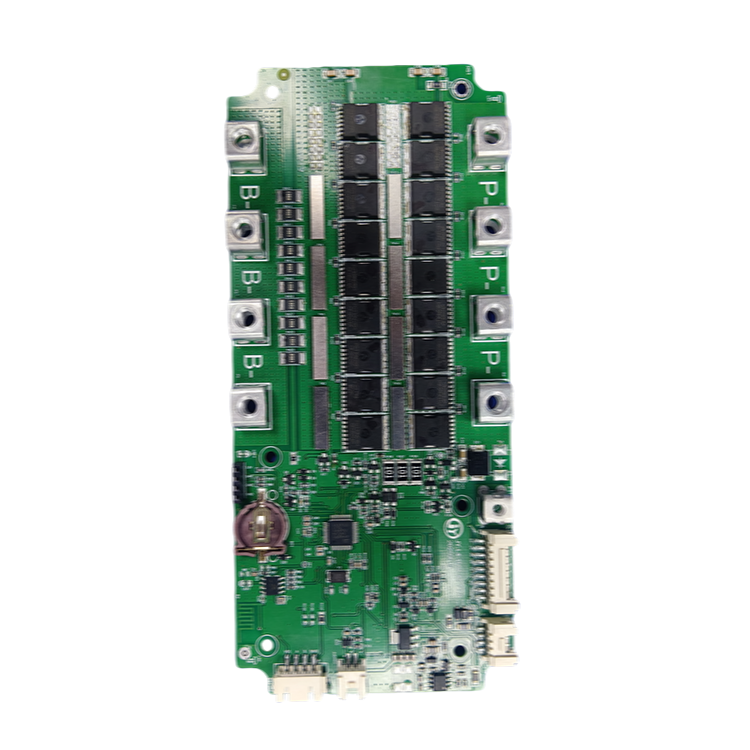
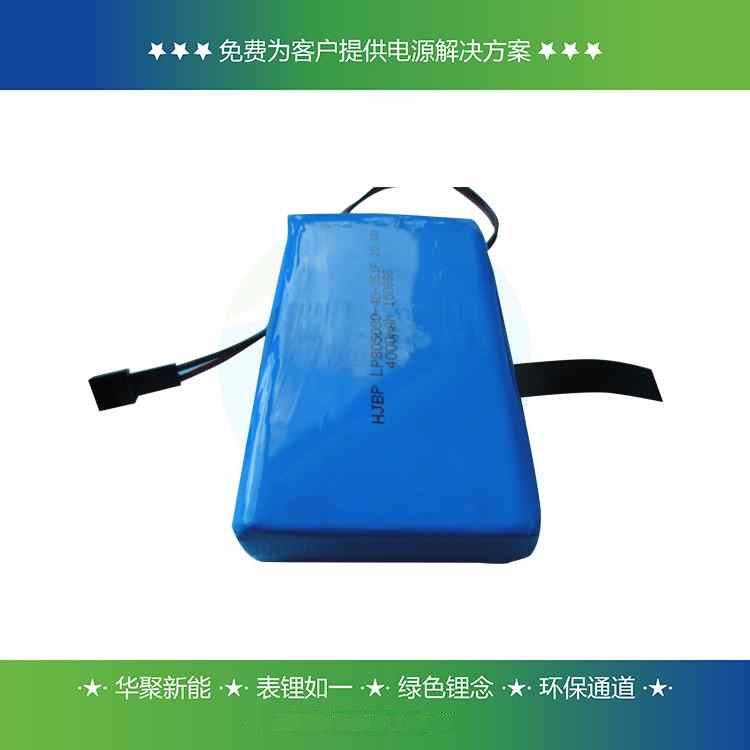
By paralleling and connecting the cells, adding a dedicated lithium battery protection board, power cable strip, connector plug, etc., we can assemble the battery packs with the voltage capacities you require, branded as (PACK).
Some companies in the industry use a series of numbers to name their models, while others prefix with "LP" (lithium polymer) followed by a series of numbers to differentiate between different models, voltages, and capacities. Some use "PL" (Polymer Lithium) as the naming, and in the early days, there were also names like "PLB" (polymer lithium battery) and "LIB" (lithium ion battery). Adding the letters N, C, M, F, T further distinguishes the main materials, with these letters representing ternary lithium, lithium cobalt oxide, lithium manganese oxide, lithium iron phosphate, and lithium titanate, respectively.
Based on different materials, they can be categorized into lithium cobalt oxide batteries, lithium manganese oxide batteries, ternary lithium batteries (lithium cobalt manganese or lithium cobalt aluminum), and lithium iron phosphate batteries, etc.
Based on different discharge rates, they can be categorized into digital polymer batteries and medium to high discharge rate polymer lithium-ion batteries. The discharge rate for digital applications typically ranges from 0.2C to 0.5C, up to 1C. For medium to high discharge rate polymer lithium-ion batteries, continuous discharge is generally above 3C, with current technology achieving up to 75C.
According to different application scenarios, they can be categorized into digital, industrial instrument, energy storage, power, and automotive categories.
Based on the single cell nominal voltage platform, lithium-ion batteries with ternary polymers are categorized into standard and high voltage (3.8V-3.85V), with corresponding charging cut-off voltages of 4.2V and 4.35V.
Based on the discharge temperature range, they are categorized into Standard (-20 ~ +60°C), Low Temperature (-40 ~ +60°C), and High Temperature (-20 ~ +85°C).
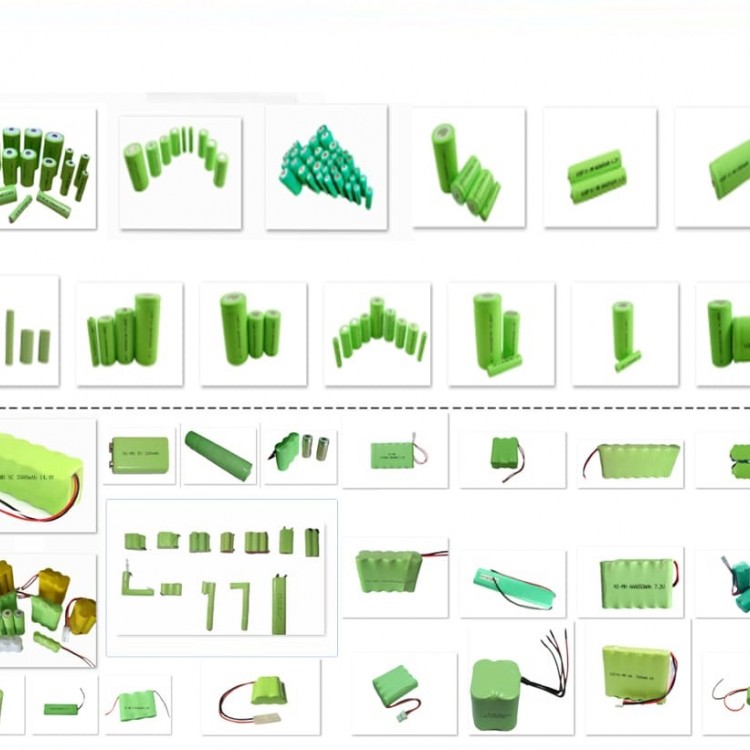
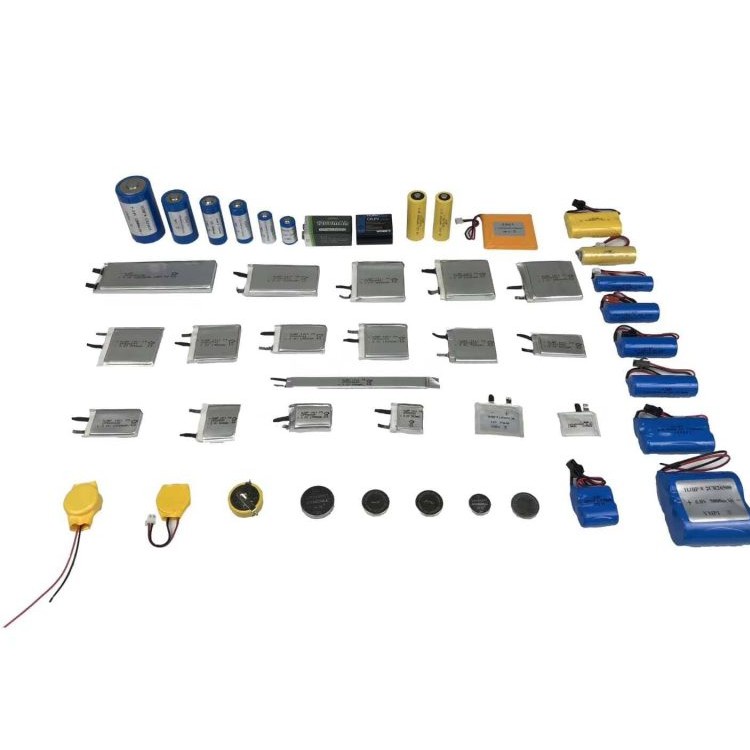
Based on shape, they can be categorized into standard (rectangular, square) and non-standard (long strip, round, semicircular, triangular, bent, ultra-thin, coin-shaped, etc.).
Battery capacities range from small polymer batteries (10-1000mAh), to standard polymer lithium-ion batteries (1000mAh to 100,000mAh), to large polymer lithium-ion batteries (10Ah+). Most agricultural drone capacities are around 16Ah, 22Ah, and even higher. The capacity of lithium iron phosphate energy storage batteries has reached 300Ah+.
Our Huajun New Energy team of engineers can provide you with a suitable polymer lithium battery power solution tailored to your needs. Thanks to our diverse partners with advantageous polymer cells, we can save you both time and costs.