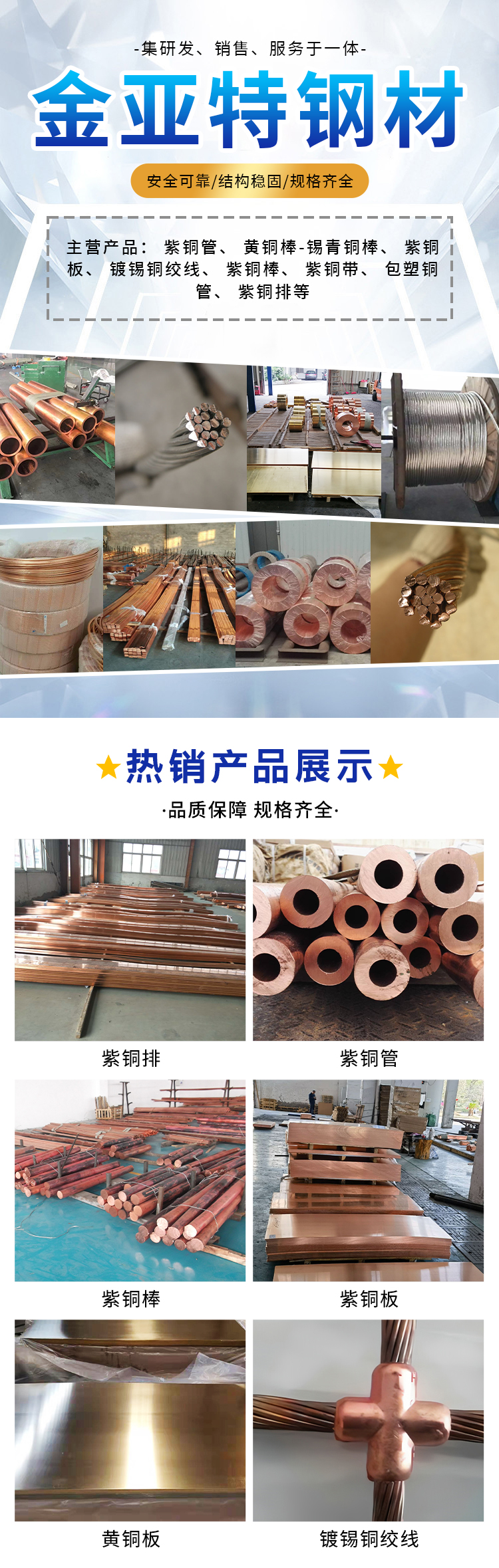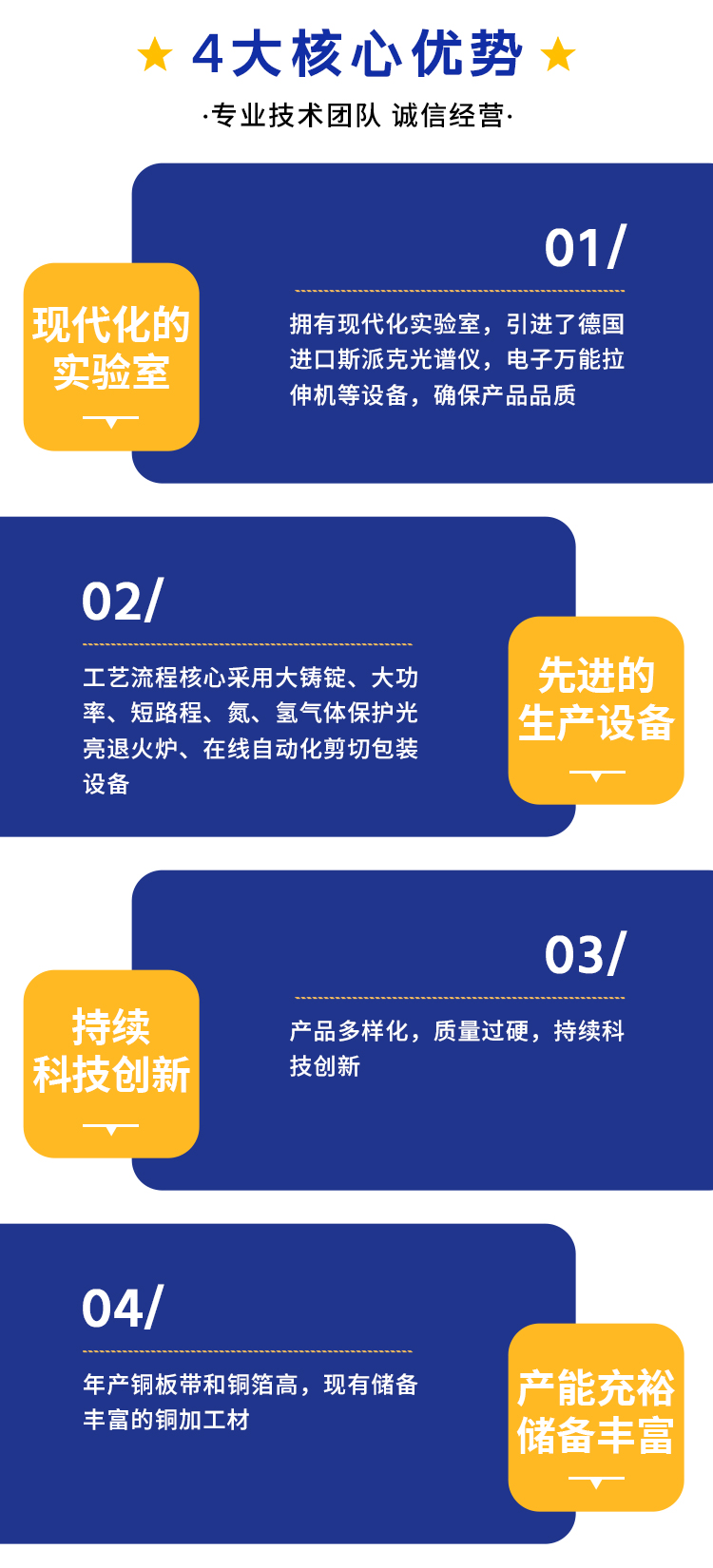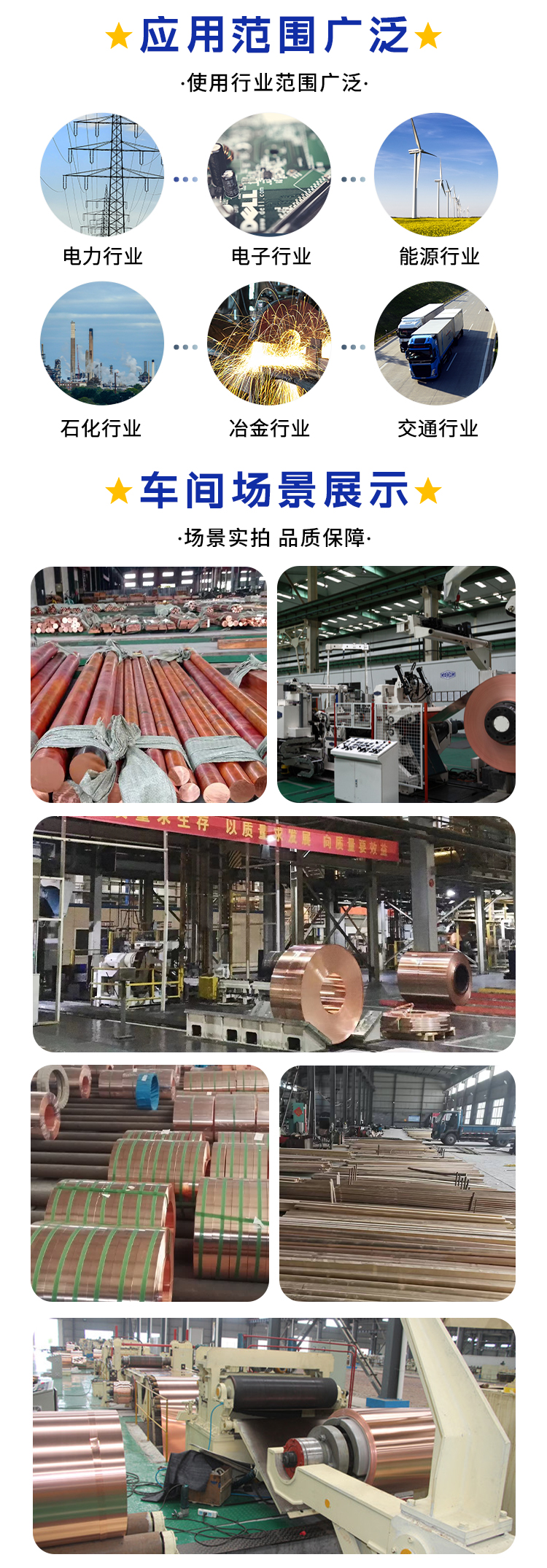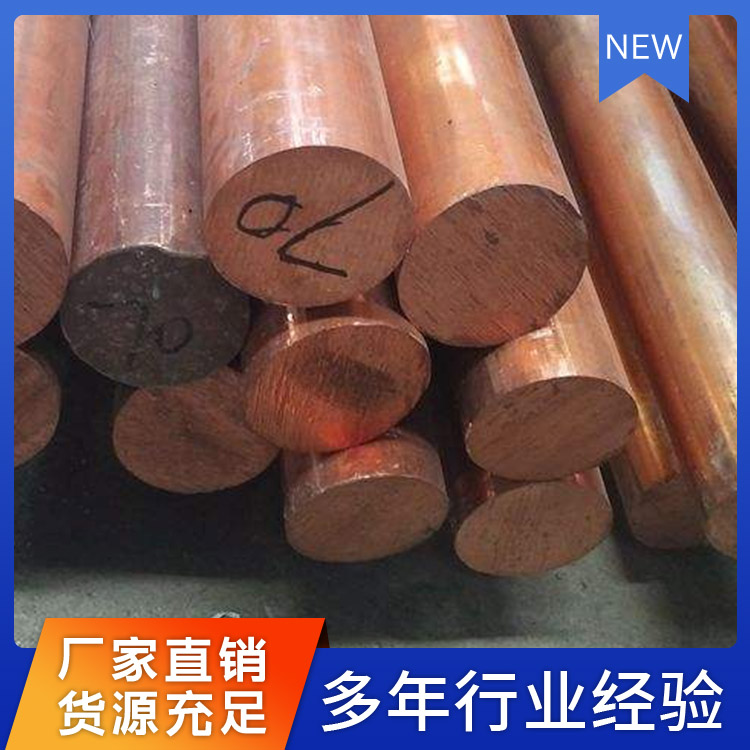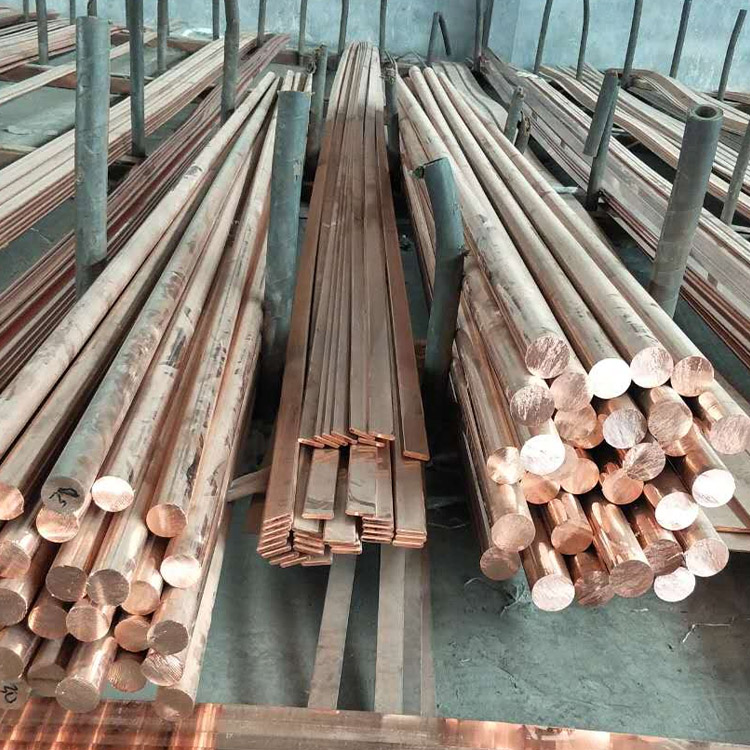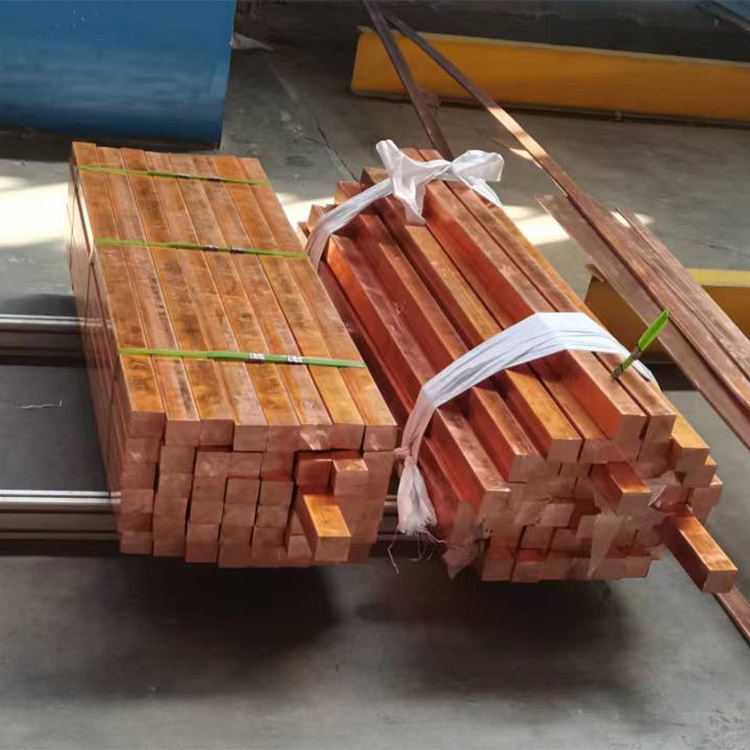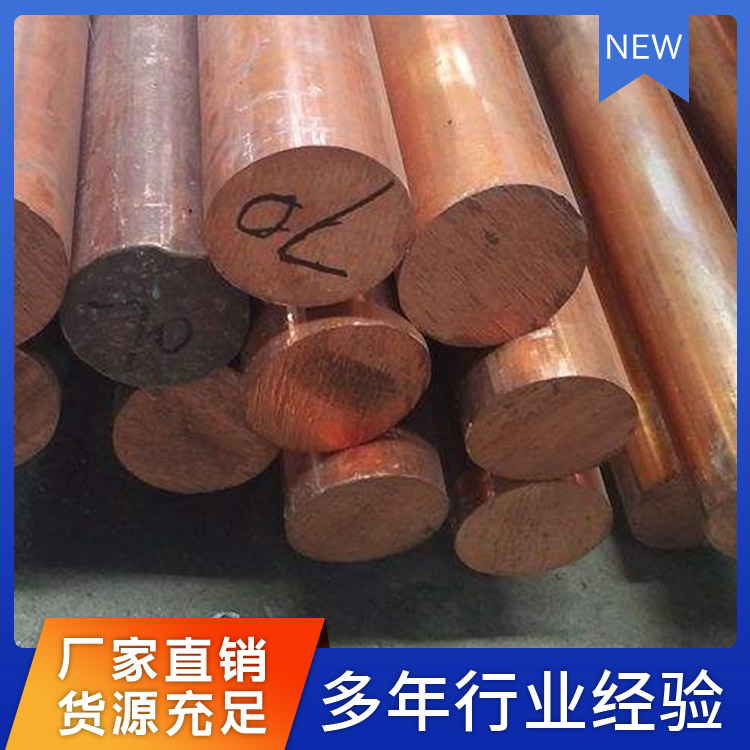
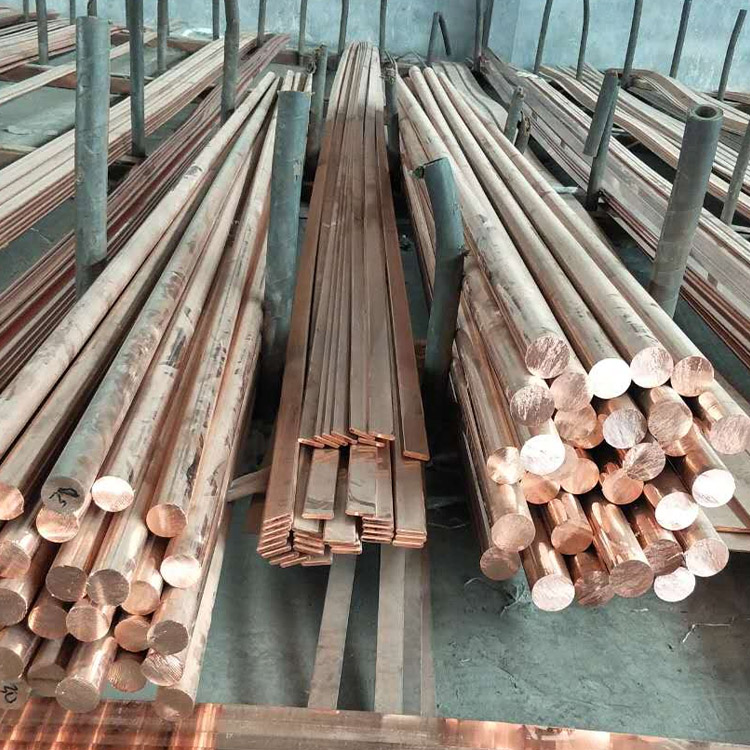
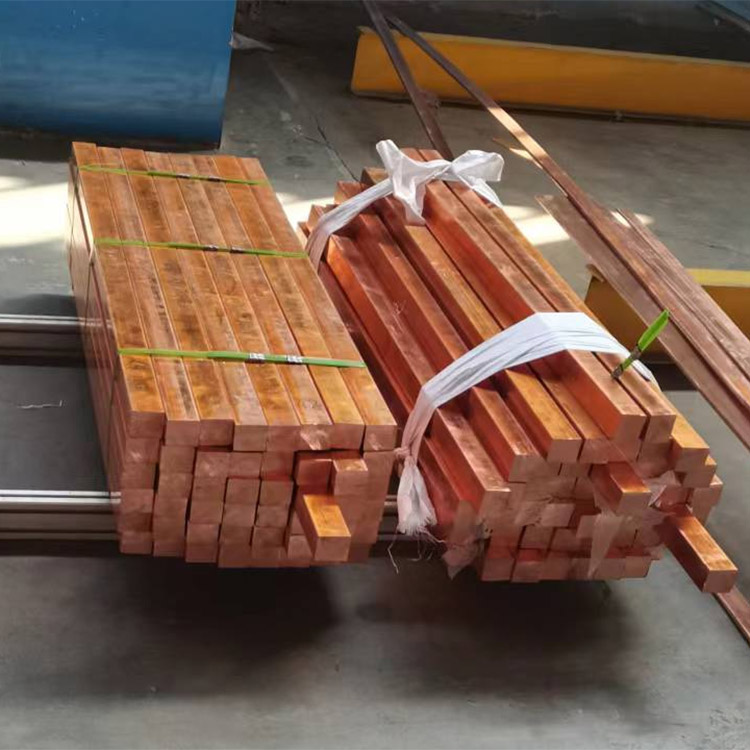











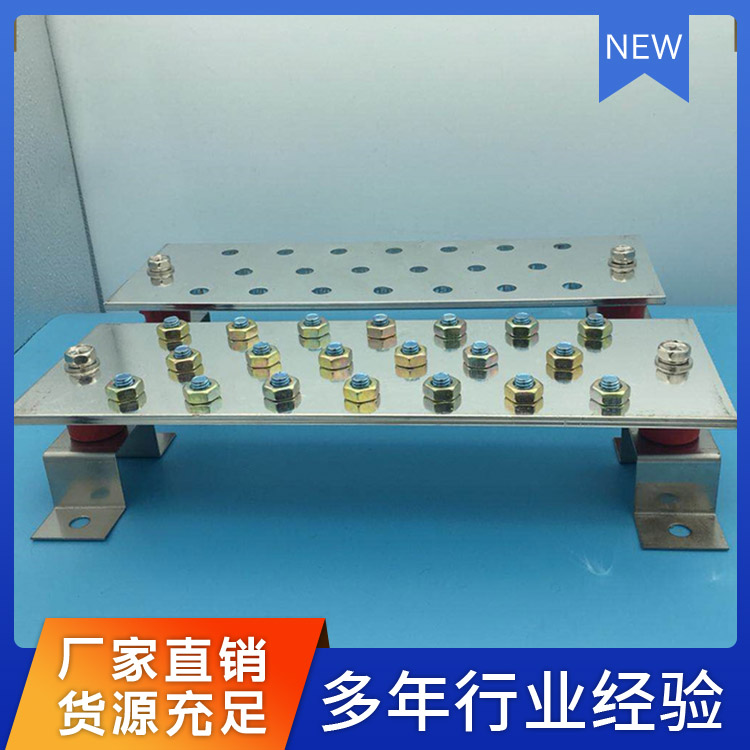


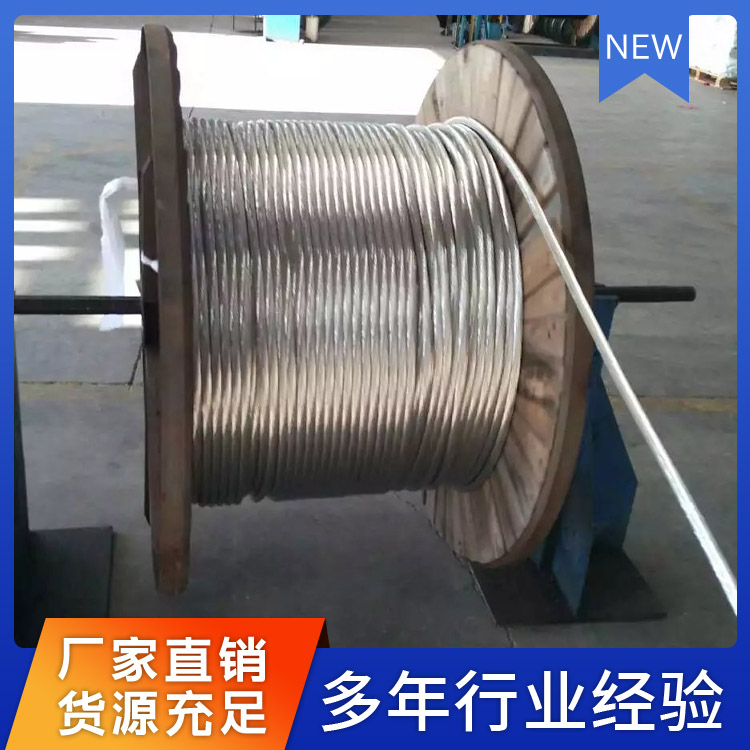
Cold-rolled copper bars, grounding copper bars, and conductive copper bars made of material TU1, TU2, T1, T2 oxygen-free copper rods, with excellent processing properties, meet the requirements of stamping, bending, and shaping designs. The surface can be treated for corrosion resistance, such as nickel plating, tin plating, and zinc plating. The corrosion resistance of the nickel layer can reach 72 hours in a mist test. The surface tin is environmentally friendly and lead-free, supporting welding. T2 copper bars are mainly used in communication cabinets, transformers, charging stations, and box-type substations.
Copper rods are pure copper, also known as high-purity copper. The microstructure of copper is fine with low oxygen content. Particularly, the surface accuracy of electro-erosion etched molds is high in terms of porosity, sandblasting, porosity, and conductivity. After heat treatment, the electrodes have no directional properties, making them suitable for hanging and precision work, with good thermoelectric, machinability, ductility, corrosion resistance, and weather resistance. Molded copper is widely used in electrical appliances, steam distillation buildings, and the chemical industry, especially for terminal printed circuit boards, copper strips for wire shielding, gaskets, and busbars. If the storage conditions for the molded copper are not stringent, they should be stored in a cool, ventilated area, away from acidic or alkaline corrosive substances, or coated with anti-rust oil.