











Automatic罐体Welding
With the development of modern industry and technological advancements, automated production has become one of the mainstream methods in factory production. In the welding industry, automated welding has replaced traditional manual welding, becoming a crucial part of the production process. Particularly for the welding of large containers, using automated welding technology not only enhances the quality and efficiency of welding but also reduces labor costs and workload.
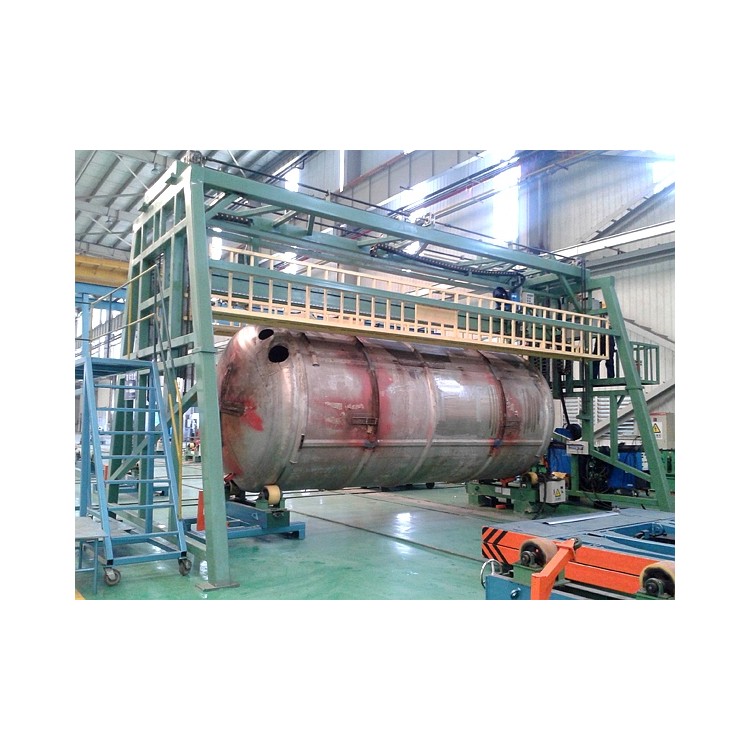
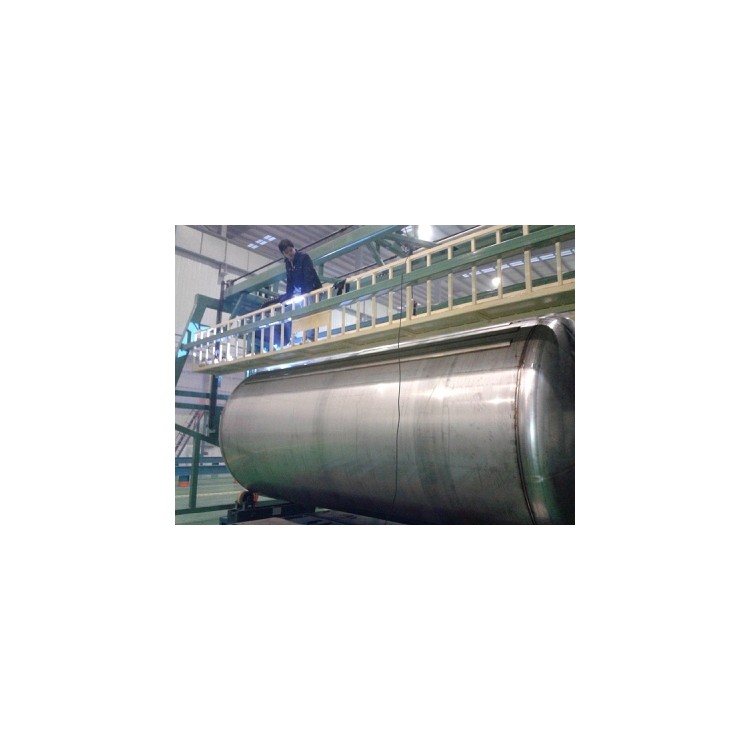
Vessels are a common industrial equipment, widely used in petrochemical, chemical, and food processing industries. Due to their complex structure and large size, traditional manual welding is difficult to meet production demands. The development of automated welding technology has made vessel production more efficient and stable. Automated welding systems can achieve full automation control of the welding process, controlling welding parameters to ensure quality and consistency.
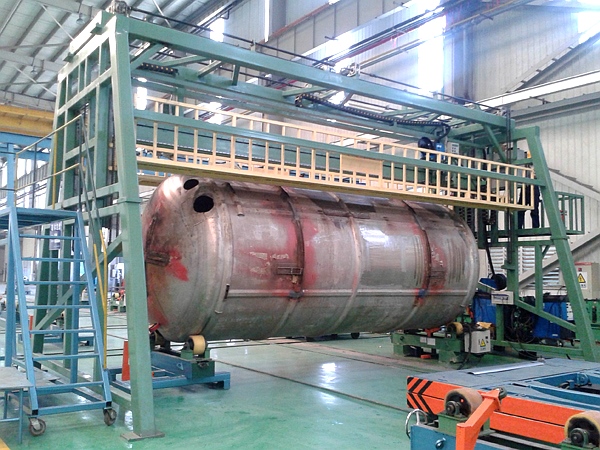
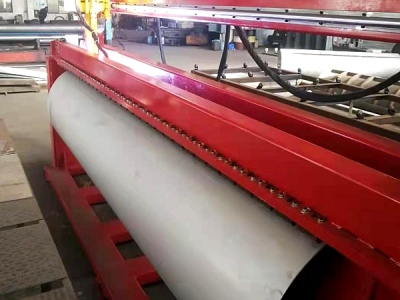
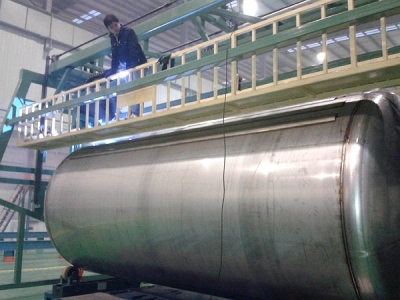
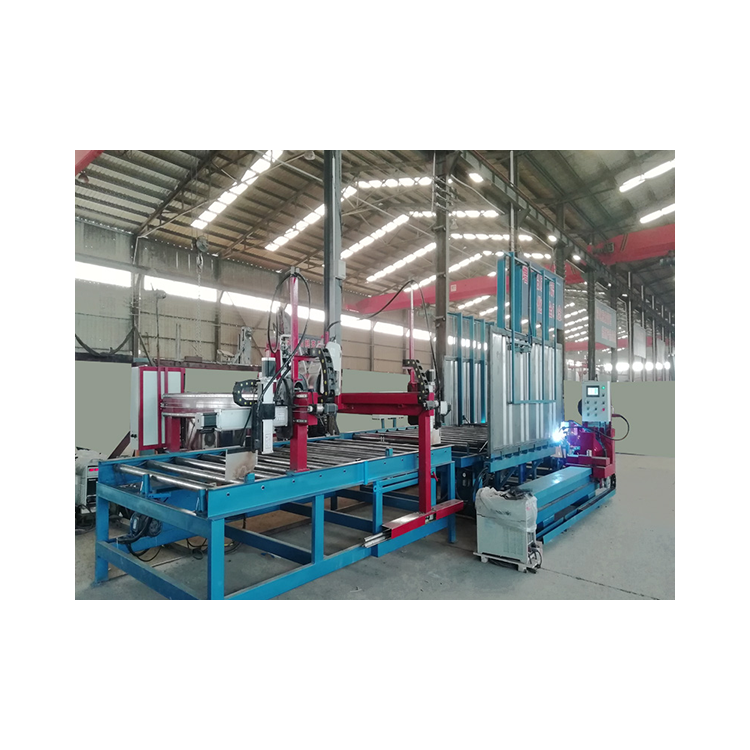
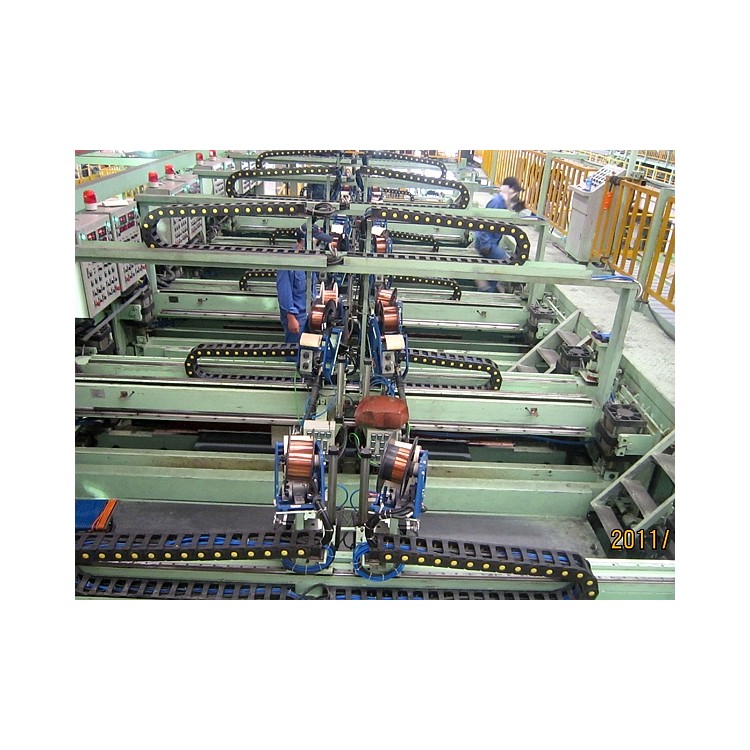
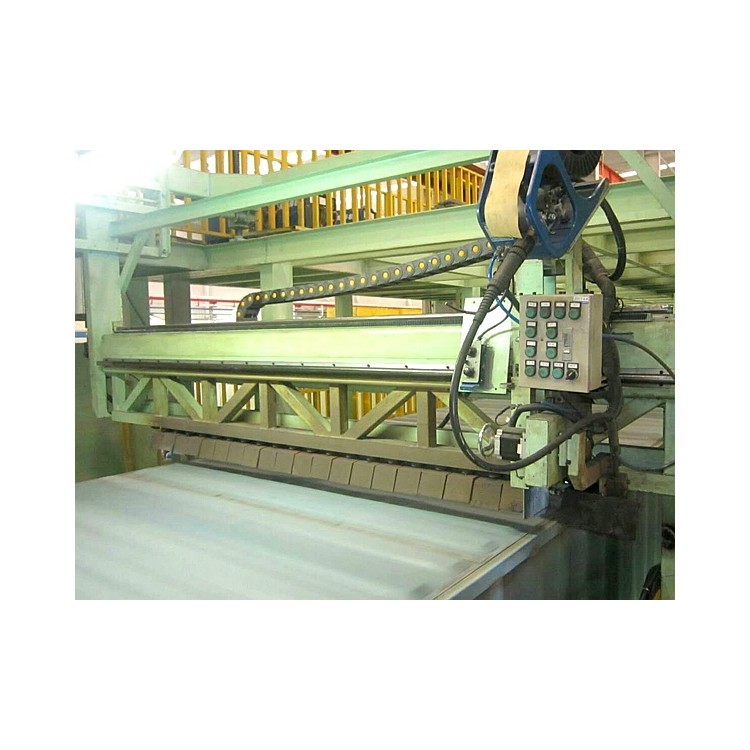
The automatic welding system for drums is mainly composed of welding robots, welding equipment, and control systems. The welding robot is the core component of the automatic welding system for drums, which can perform welding operations according to pre-set welding programs and paths. The welding equipment is responsible for providing the necessary power and welding materials to ensure the smooth operation of the welding process. The control system manages the operation of the entire welding system, monitors the welding process, and detects the quality of the weld.
The workflow of an automatic welding system for tanks typically includes several steps: workpiece preparation, equipment adjustment, welding operations, and quality inspection. Initially, the workpieces must be cleaned, aligned, and secured to ensure a smooth and debris-free welding surface. Next, the welding robot and equipment are adjusted and calibrated to ensure correct parameter settings. Then, welding operations are conducted according to the set welding path and program. The welding quality is inspected and evaluated using quality testing equipment to ensure it meets standard requirements.
The automatic welding system for drums boasts numerous advantages, such as fast welding speed, high-quality welds, ease of operation, and low costs. An automated welding system can achieve continuous operations, boost production efficiency, and reduce labor costs. Moreover, with the high-precision positioning and control capabilities of welding robots, it ensures consistent welding quality. Additionally, the automated welding system can minimize safety hazards during the welding process, enhancing the safety of the working environment.
Overall, the automatic welding technology for drums plays an increasingly significant role in industrial production. As automation technology continues to develop and improve, drum automatic welding systems will become more intelligent and efficient, bringing more convenience and benefits to industrial production. We hope that in the future, more enterprises will invest in and apply the drum automatic welding technology, promoting the development of industrial production towards intelligence and automation.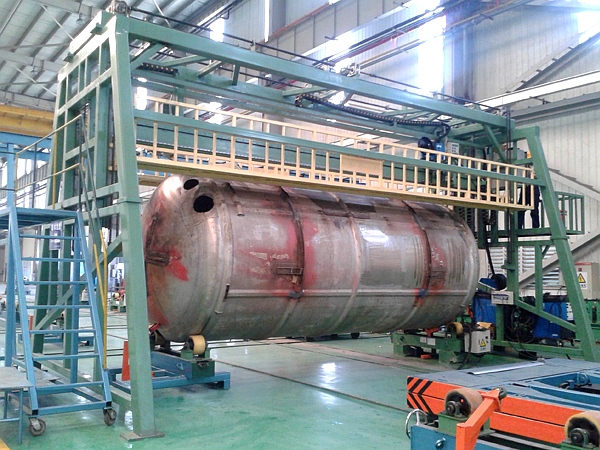
WeChat Official Account

Scan to follow Official Account