










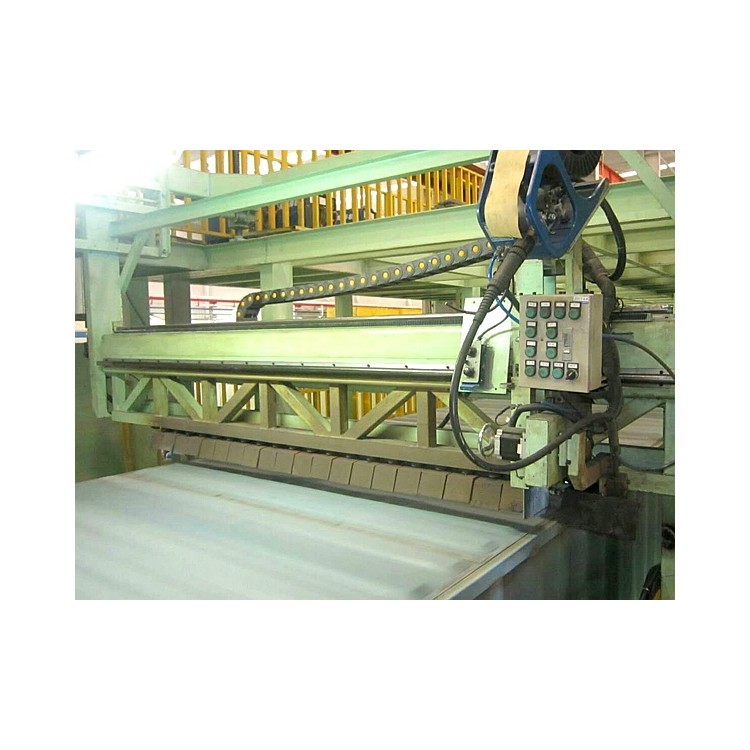
A container is a large cargo box used for transporting and storing goods, typically made of steel or aluminum alloy, featuring strength, durability, ease of stacking, and transportation. Containers play a crucial role in modern logistics and transportation, significantly enhancing the efficiency and safety of goods transportation.
In the production of containers, the side panels are a critical component. They must not only possess sufficient strength and stability to support the weight of the cargo and ensure its safety but also exhibit a certain degree of aesthetics and craftsmanship. To better meet market demands, an increasing number of container manufacturing companies are adopting modular production methods for side panels to enhance production efficiency and product quality.
Modular production involves breaking down the production process into several independent modules, which are then assembled and fine-tuned to manufacture the complete product. In the production of container side panels, modular production allows different processes to be assigned to various modules for handling, thereby ensuring efficient operation and flexible scheduling of the production line.
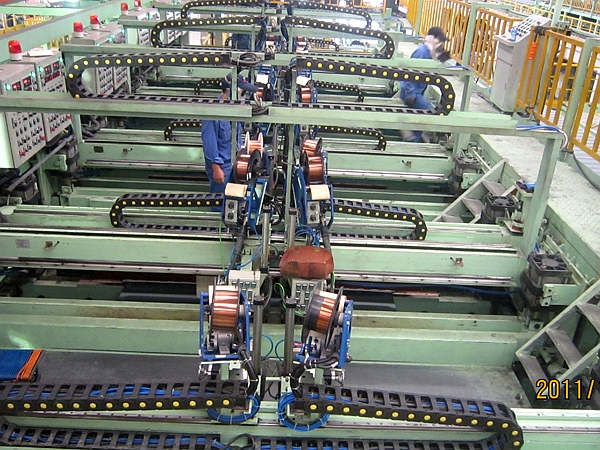
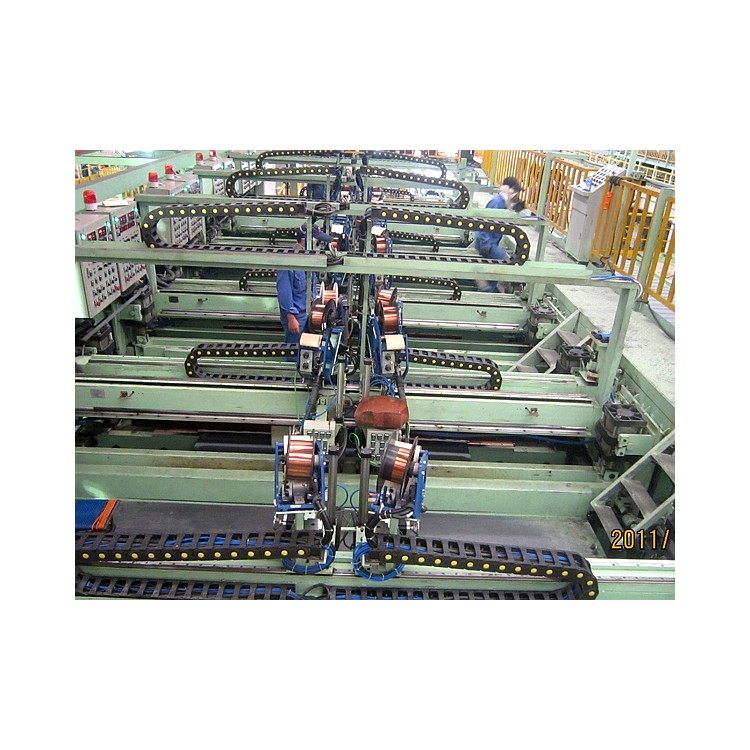
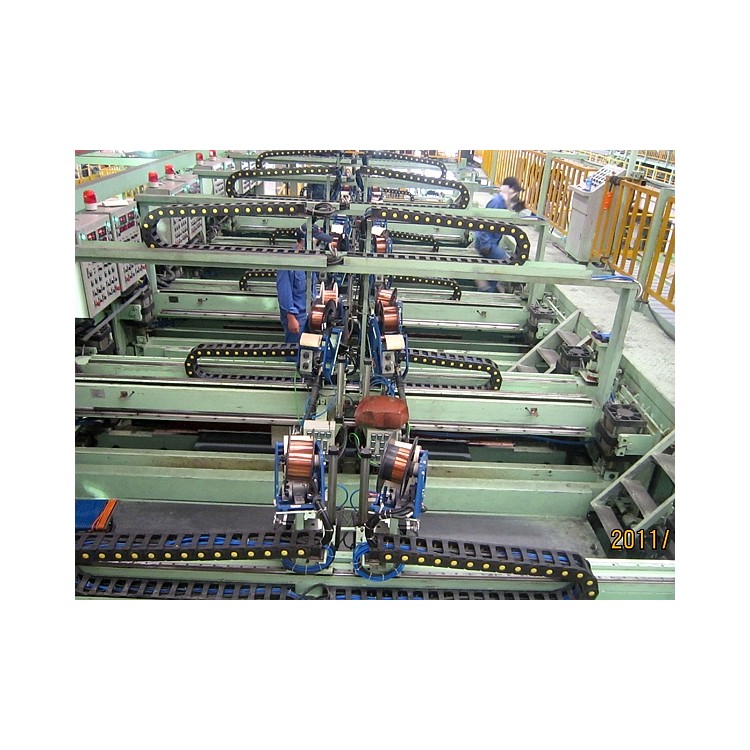
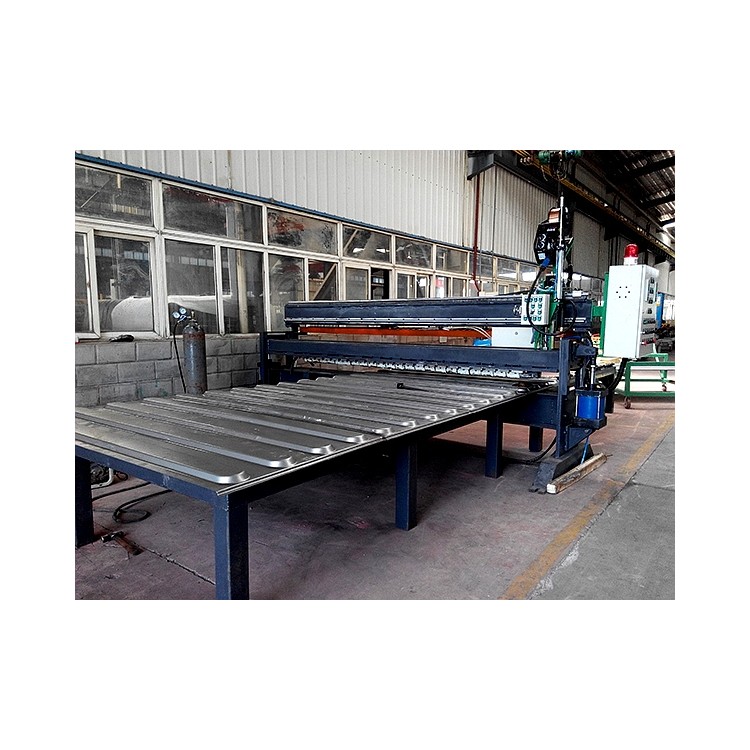
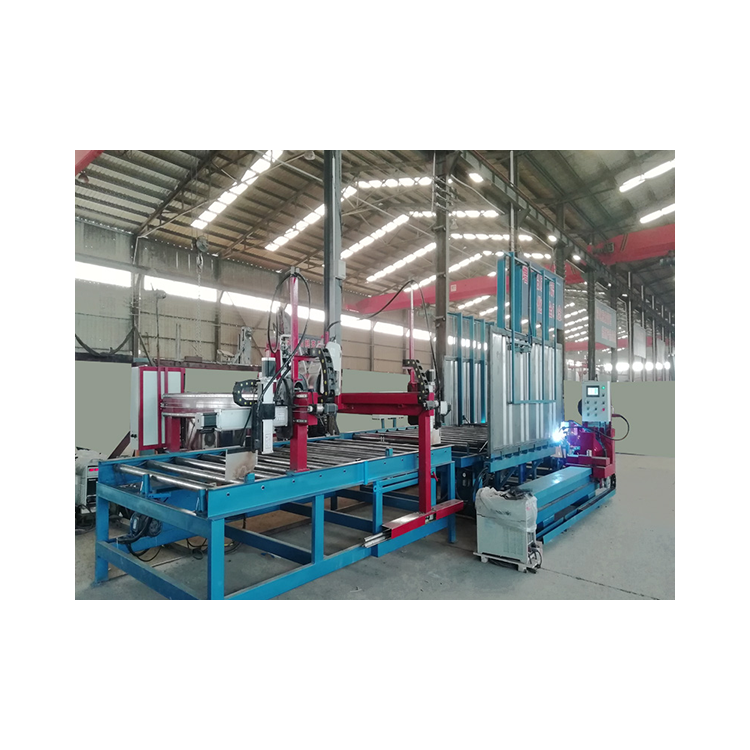
The container modular side panel production line typically consists of the following components:
Material Preparation Section: In this section, raw materials such as steel or aluminum plates are cut, curled, and shaped into the basic form of side panels. This process requires cutting and forming equipment to ensure the quality and precision of the side panels.
2. Welding Section: In this section, the different parts of the side panel will be welded together to assemble the complete side panel structure. Welding is a critical step in the production of the side panel, and it is essential to ensure the quality and strength of the焊接 joints to guarantee the stability and durability of the side panel.
3. Surface Treatment: In this section, the side panels will be coated with a protective film, either sprayed or applied, to enhance their corrosion resistance and aesthetic appeal. Surface treatment plays a crucial role in the quality and appearance of the side panels.
4. Quality Inspection and Packaging: In this section, the side panels will undergo rigorous quality inspection to ensure they meet relevant standards and requirements. Subsequently, they will be packaged according to the order specifications and prepared for shipment to the customer for installation and use.
The advantages of the container modular side panel production line are numerous:
Enhance production efficiency: Modular design allows different processes to be carried out simultaneously, thereby shortening the production cycle and boosting efficiency.
2. Enhance Product Quality: Modular production allows for automated control and adjustment, reducing the impact of human factors on product quality, thereby improving product stability and consistency.
3. Reduce Production Costs: Modular production minimizes waste of labor and materials, optimizes production processes, reduces production costs, and enhances the competitiveness of the enterprise.
4. Flexibility: Modular design enhances the production line's flexibility and adaptability, allowing for quick adjustments and changes to meet various order requirements.
By adopting a modular production approach, the container side panel production line can better meet market demands, enhance production efficiency and product quality, providing container manufacturing companies with greater competitive advantages and economic benefits. We hope the container industry will continue to drive technological innovation and continuously improve production levels, making greater contributions to global logistics and trade development.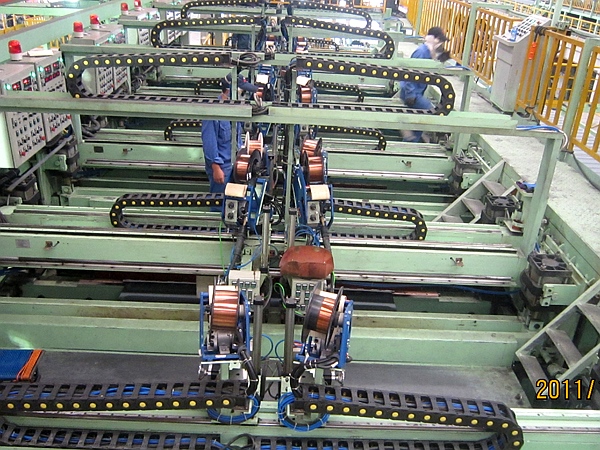
WeChat Official Account

Scan to follow Official Account