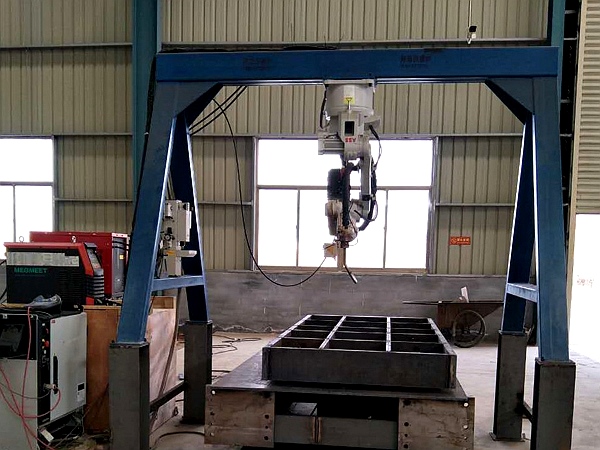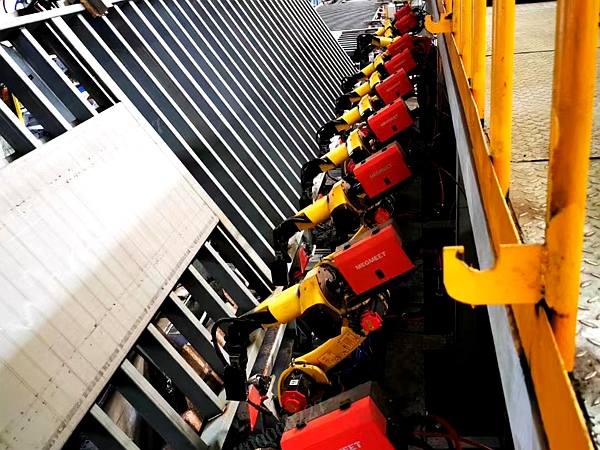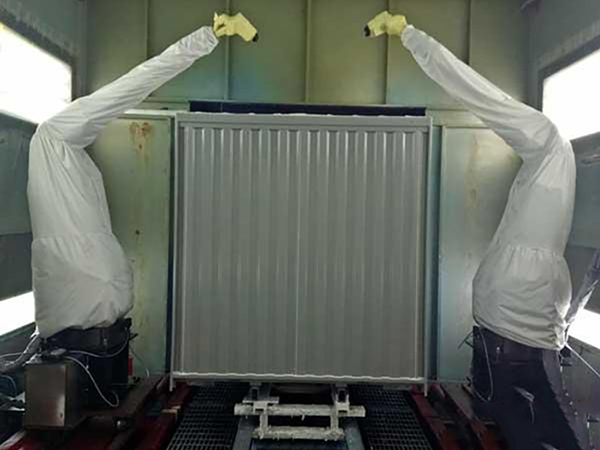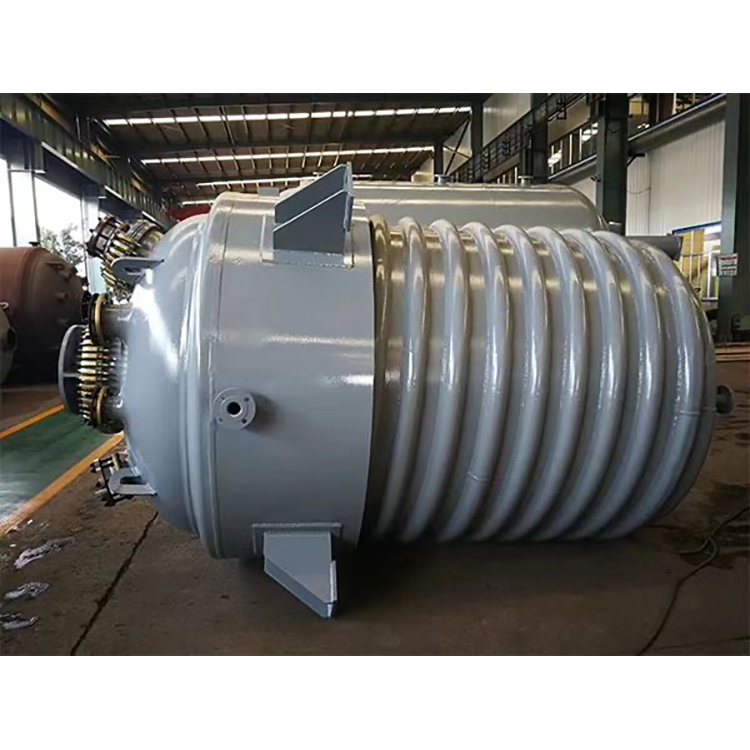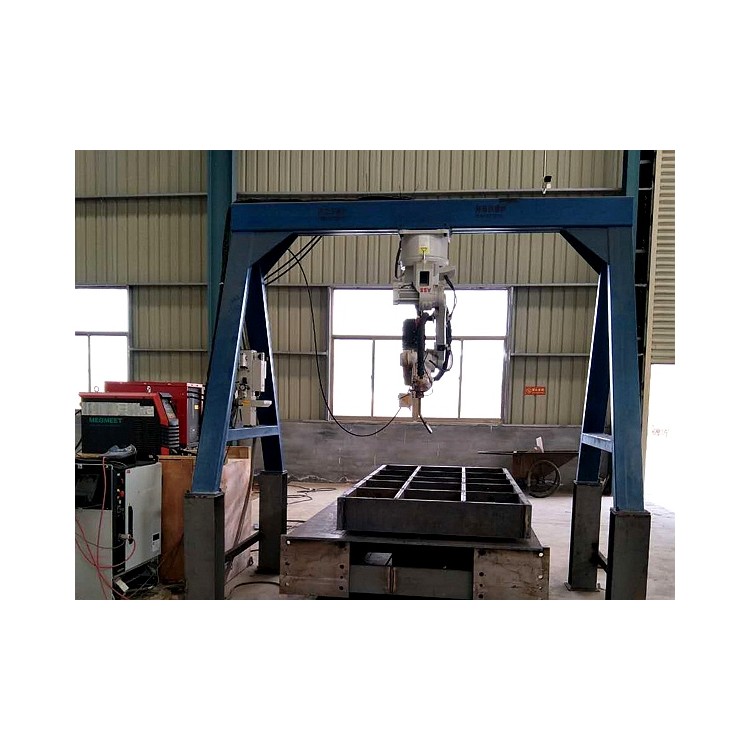









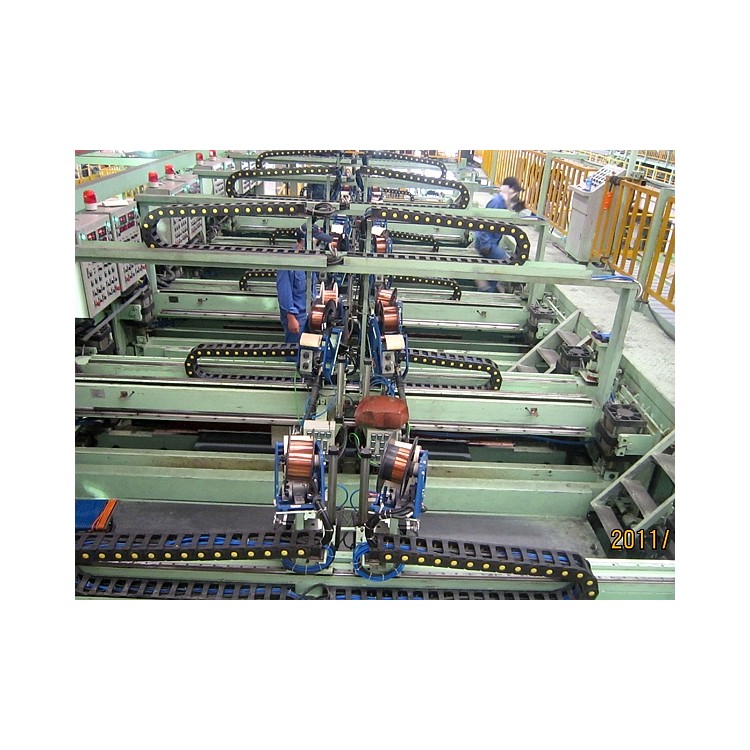
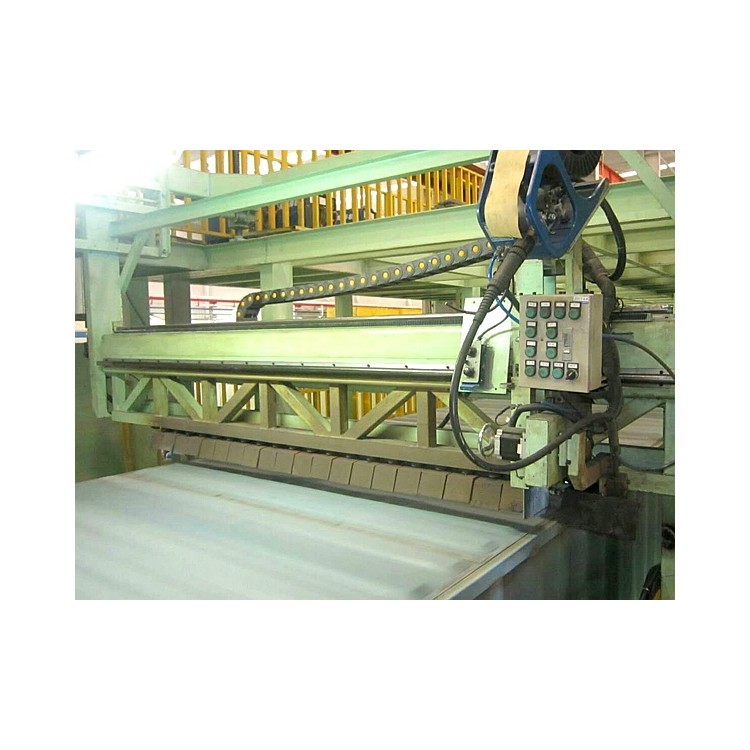
Laser Tracking Robots are intelligent robots that utilize laser technology for automatic positioning and navigation. Laser tracking technology is a high-precision, high-efficiency positioning method that, by measuring the distance and direction between the laser beam and the target, enables precise tracking and localization of the target. Laser tracking robots can be widely applied in various fields such as industrial production and environmental monitoring, holding significant practical value and a promising future.
The working principle of the laser tracking robot is to use laser sensors to scan the surrounding environment and obtain the target's positional information. The laser sensors emit a laser beam, then receive the reflected laser from the target, and determine the target's position and direction by calculating the time and spatial relationship of the reflected light. Subsequently, the robot will formulate an action plan based on the target's positional information, achieving automatic navigation and tracking of the target.
Laser tracking robots offer numerous advantages, such as high positioning accuracy, fast response speed, and stable operation. They are capable of real-time tracking of moving targets, exhibit strong adaptability and flexibility, and can operate in complex environments. Additionally, they can adapt to various application scenarios. These robots also possess excellent anti-interference capabilities, accurately identify targets, and avoid obstacles, effectively enhancing work efficiency and safety.
In the industrial production sector, laser tracking robots can be utilized for tasks such as material handling and part processing on automated assembly lines, enabling intelligent management and control of the production process to enhance efficiency and quality. In the reconnaissance field, these robots can be employed for target tracking of unmanned reconnaissance aircraft and ground vehicles, aiding in unmanned combat and intelligence gathering. In environmental monitoring, laser tracking robots can monitor the movement patterns of wildlife and vegetation coverage, providing crucial data support for environmental and wildlife conservation.
In the future, with the continuous advancement of laser technology and the progress of intelligent robots, laser tracking robots will find applications in an even broader range of fields. They will serve as crucial technical support for industrial automation, intelligent transportation, smart homes, and more, bringing greater convenience and benefits to human production and life. Additionally, laser tracking robots will continue to play a role in scientific research, healthcare, and other areas, contributing further to human health and well-being.
In summary, laser tracking robots represent a significant and promising intelligent robotics technology. They not only enhance production efficiency and quality but also can...EnhanceHuman living environment and working conditions contribute to social sustainable development and human well-being. Believe that with the continuous advancement of science and technology and the constant innovation in robotics, laser tracking robots will play an even greater role in the future, bringing greater development and progress to human society.
WeChat Official Account

Scan to follow Official Account