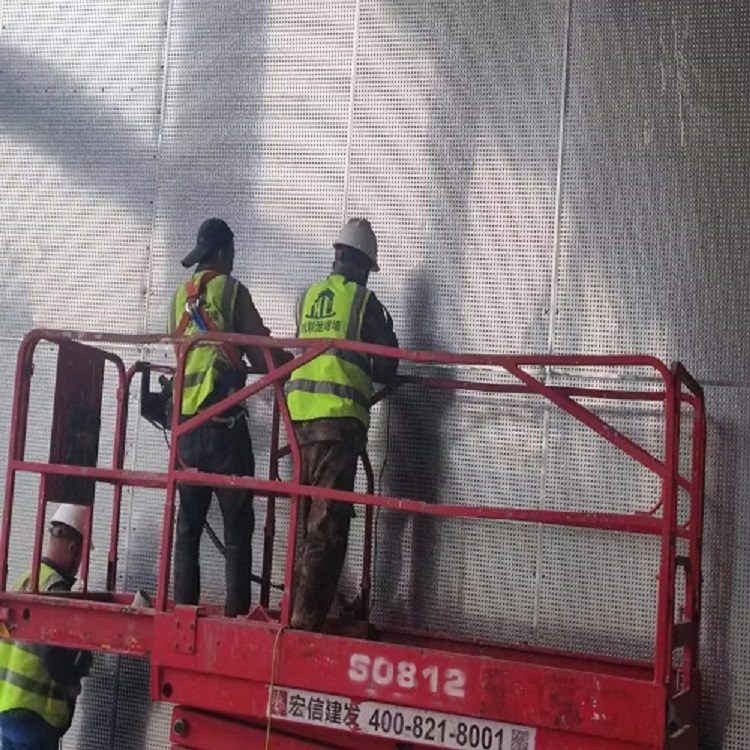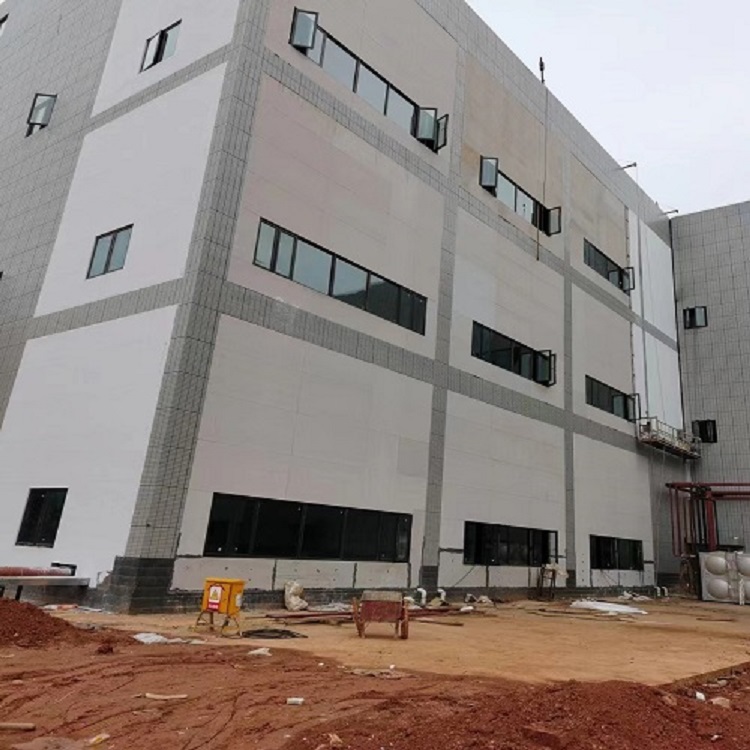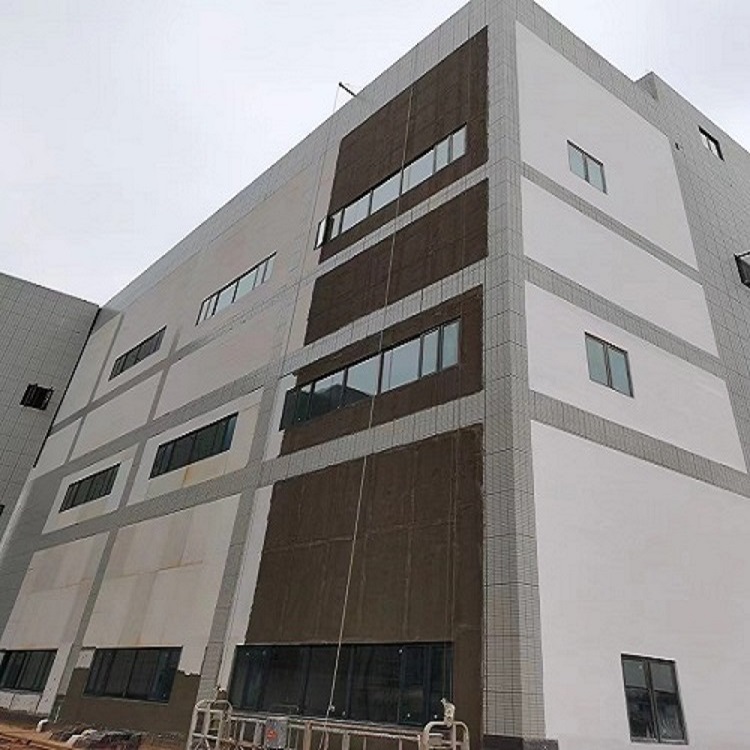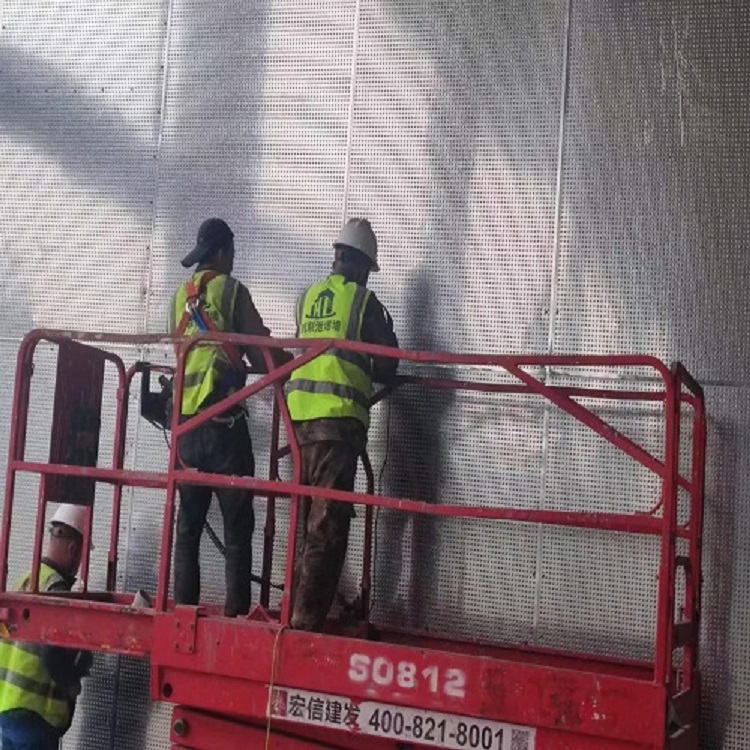

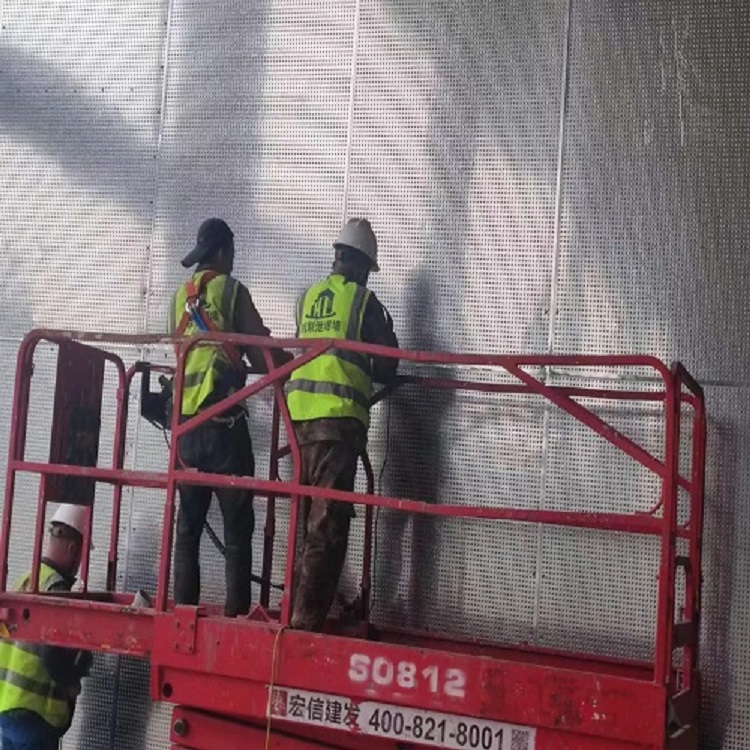
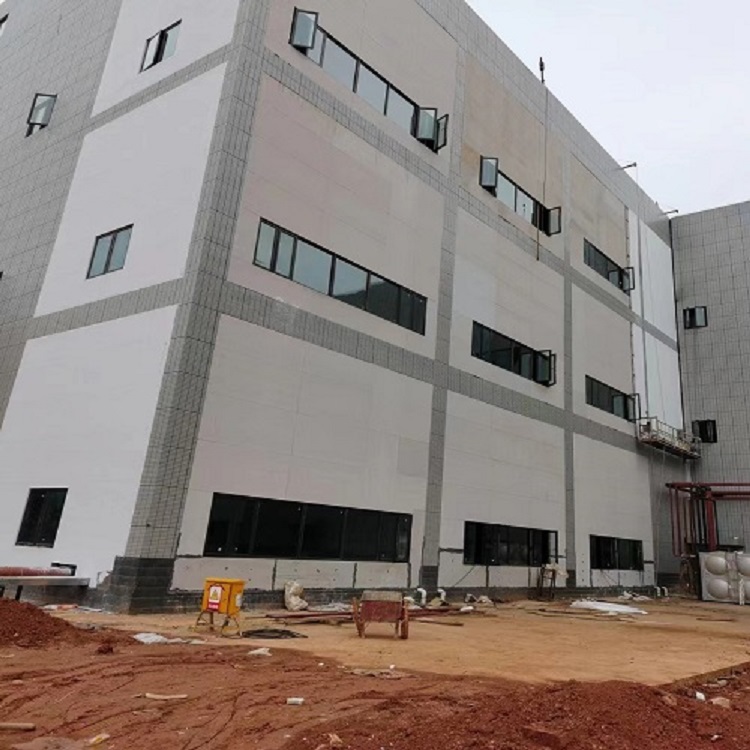
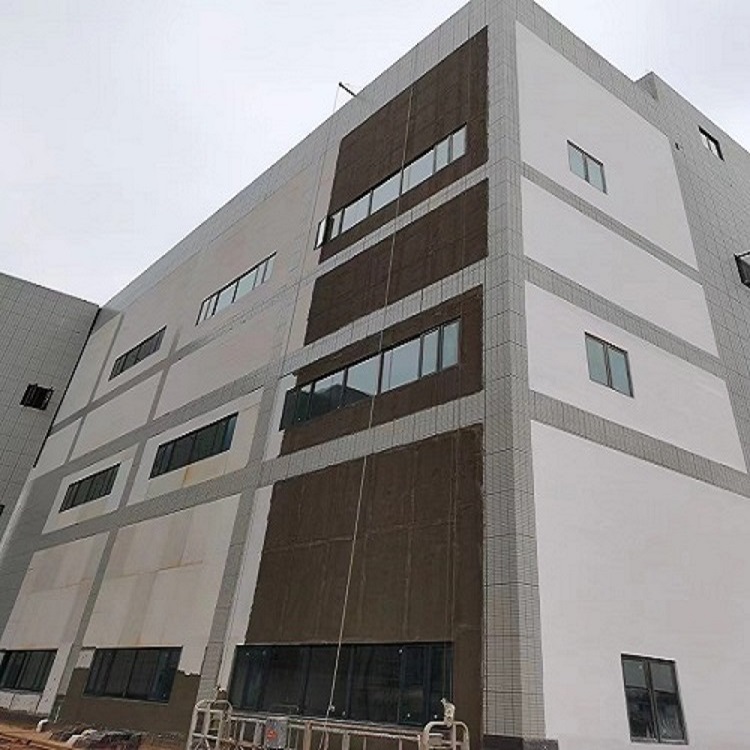












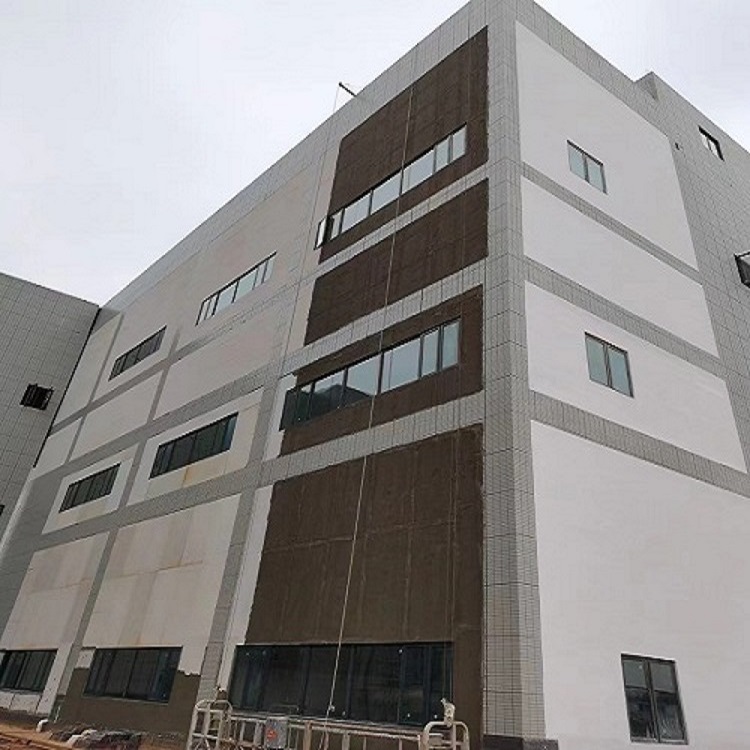
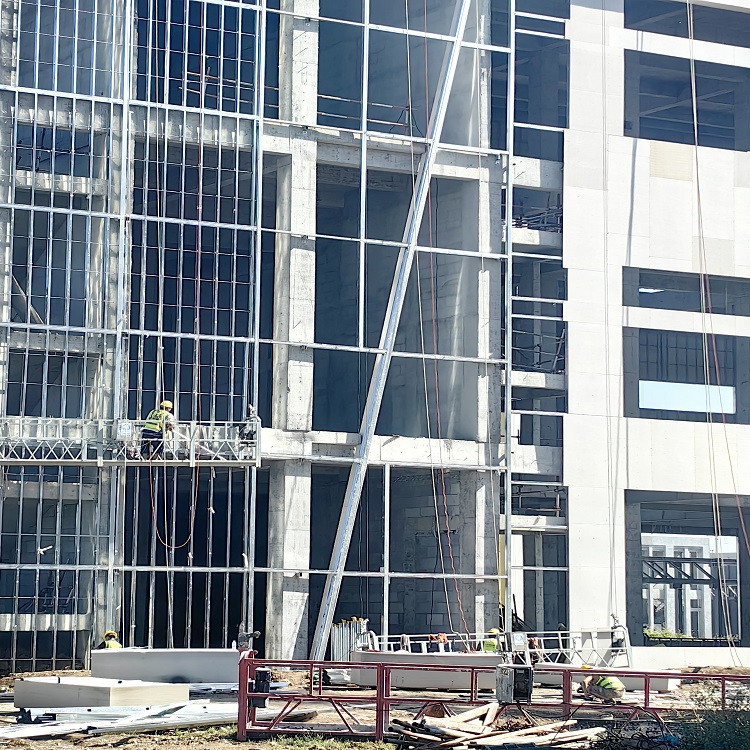
Method of explosion-proof wall construction:
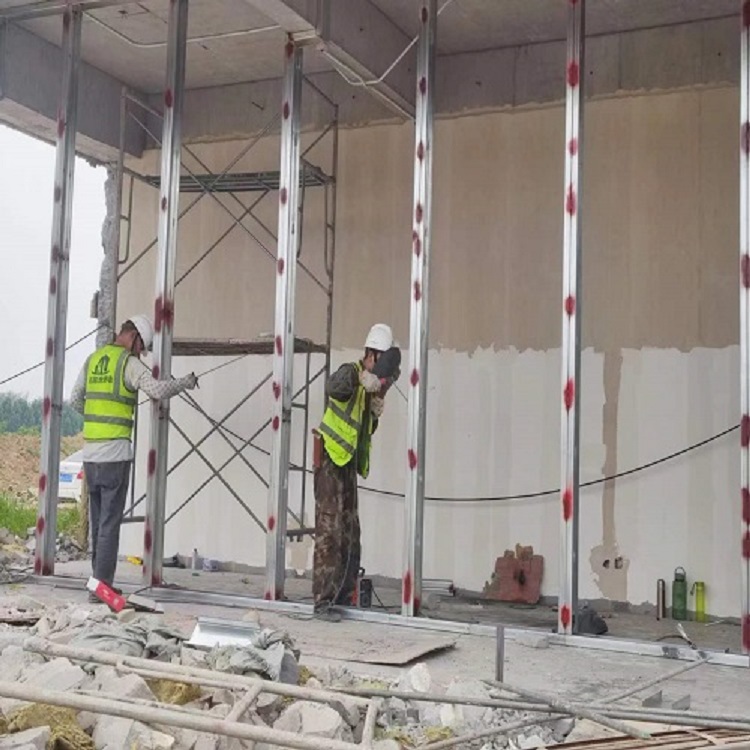
1. Installation and fixation of the keel
(1) Repair uneven ground, roofs, and walls where dragon frame installation is required.
(2) Mark the location of the joists on the ground and roof according to the design, and indicate the positions of doors, windows, and pipe openings.
(3) Secure the studs with chemical bolts (or at the welding pre-buried parts) with an interval of ≤1200mm for the chemical bolts (welding pre-buried parts).
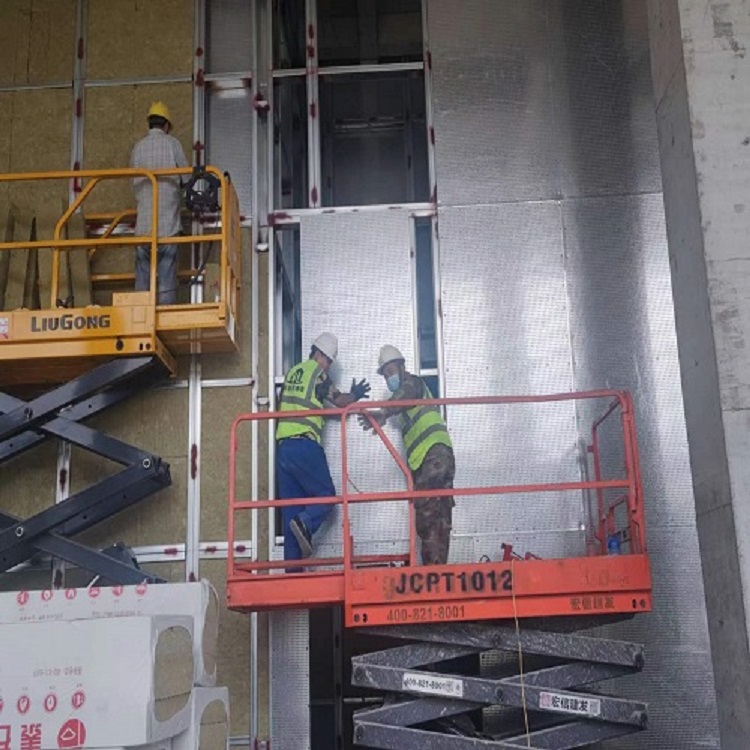
(4) Explosion-proof wall method one: The spacing between the horizontal and vertical steel channel ribs is 1200*1200mm. The steel channel ribs are welded back-to-back, and the thermal insulation type is filled with rock wool insulation board, with the thickness adhering to the standard of the ribs.
Method Two for Explosion-Proof Wall: The spacing between horizontal and vertical rib steel is 407*407mm. The ribs can be directly fastened. Insulation type requires filling with rock wool insulation board, thickness according to the rib standard.
When cutting joists, pay attention to keeping the opening direction of the vertical joists consistent, and do not invert them from top to bottom to ensure that the holes in the vertical joists are on the same horizontal plane.
(5) Use a plumb bob to adjust the verticality of the uprights.
(6) Install reinforcing dragons at the ends of window and door frames, at the junctions of walls, and on both sides of larger openings.
(7) Position additional support objects at the location of the suspended equipment for secure installation.
(8) Install concealed piping and outlets, as well as internal fillings (as per design requirements, such as rock wool). If drilling holes in the vertical studs is necessary, the hole diameter must not exceed half the width of the stud.
(9) Inspect the size and verticality of the rib frame, as well as its integrity and sturdiness; installation of the explosion-proof panel can proceed only upon passing the inspection.
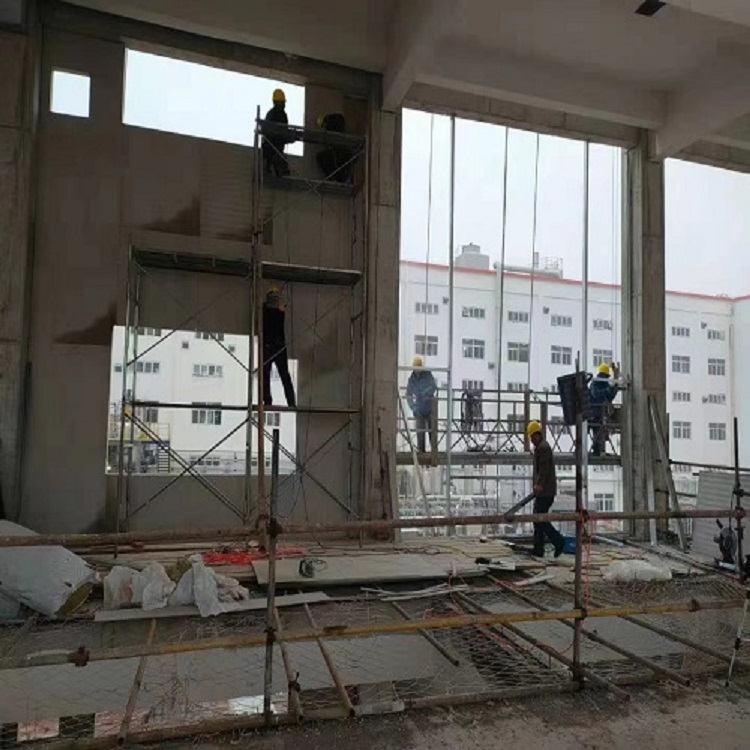
2. Explosion-proof plate installation and fixation
(1) Based on design drawings and actual construction conditions, cut and drill the panels. On-site chamfering may be required if necessary. The two long sides of the explosion-proof panel have been chamfered. However, when the wall height exceeds 2400mm, the short sides of the horizontal joints on the explosion-proof panel must be chamfered on-site to better handle the joints.
(2) Mark the fixing points for self-tapping screws on the explosion-proof panel surface and pre-drill recesses (1mm to 2mm larger in diameter than the self-tapping screw heads). Self-tapping screw spacing: 150-300mm (double rows of self-tapping screws are required for edge joists facing each other).
(3) During installation, it is generally recommended to lay the boards vertically, with the long edges of the boards fastened to the vertical studs. When boards are joined, they should be naturally aligned without forceful pressure; the seams on both sides of the wall should be staggered, not aligning with the same stud.
(4) When fixing the explosion-proof panel, pre-drilled holes should be made in the panel and the frame. The explosion-proof panel should be secured with self-tapping screws. During fixation, start from the center of the panel and secure towards the edges, ensuring that all screw heads are fully countersunk into the panel and through the frame.