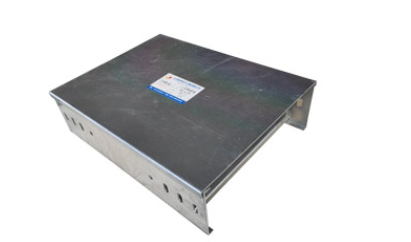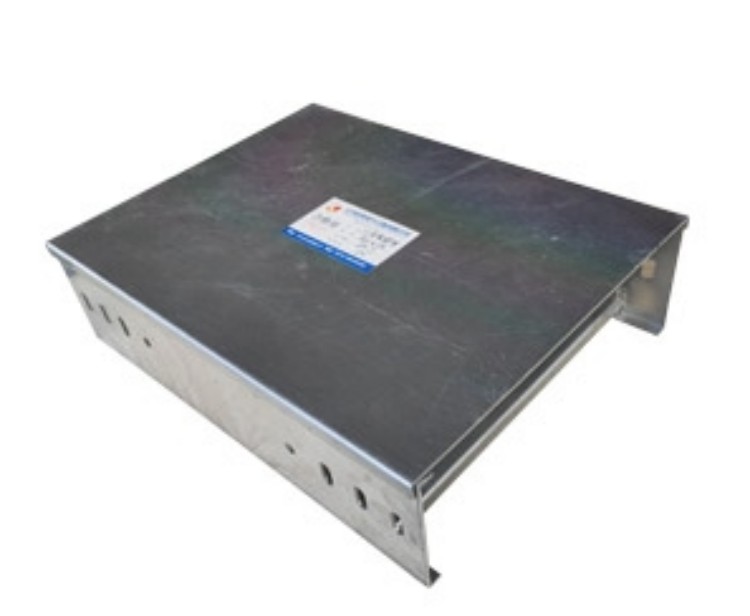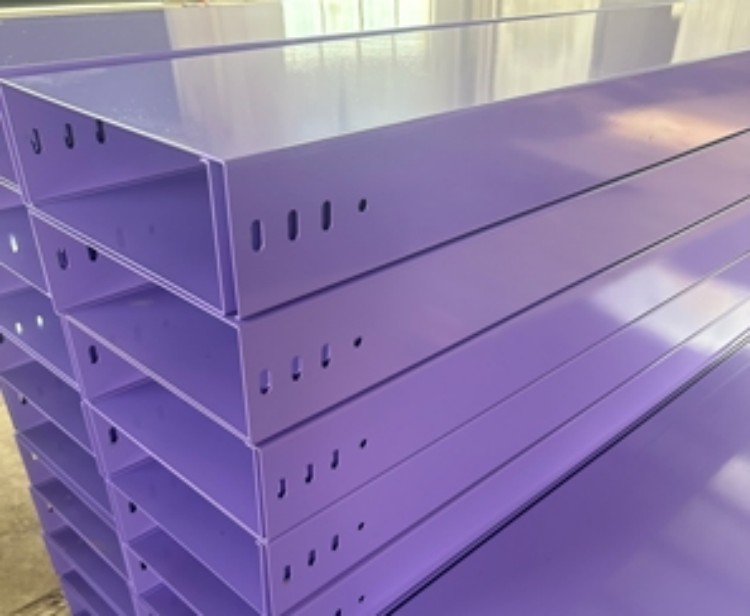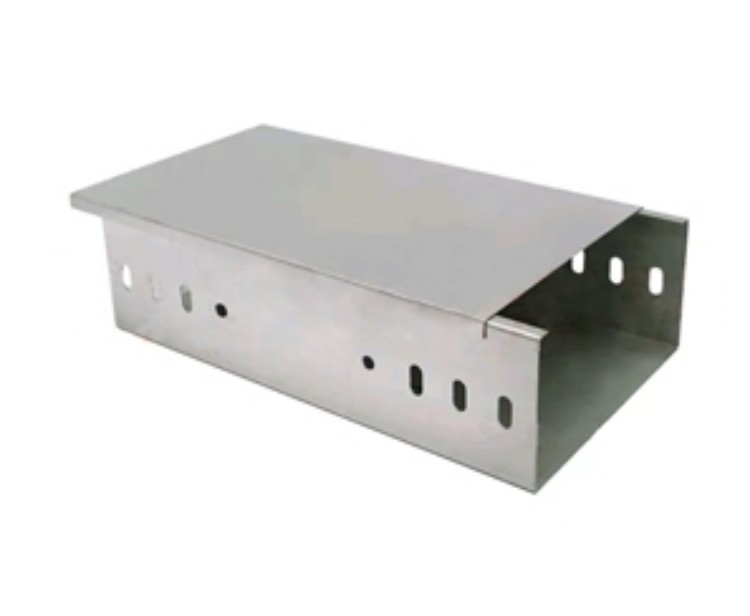

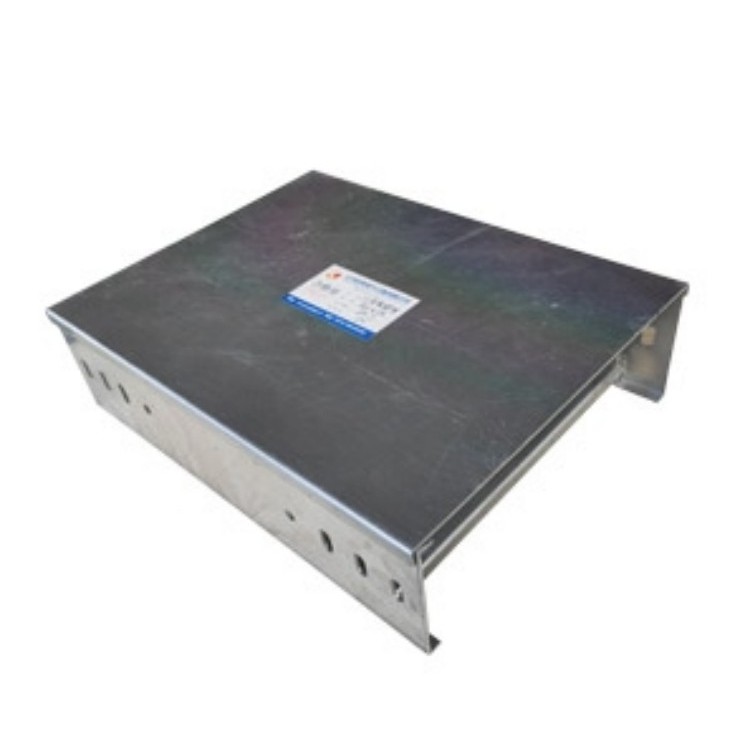

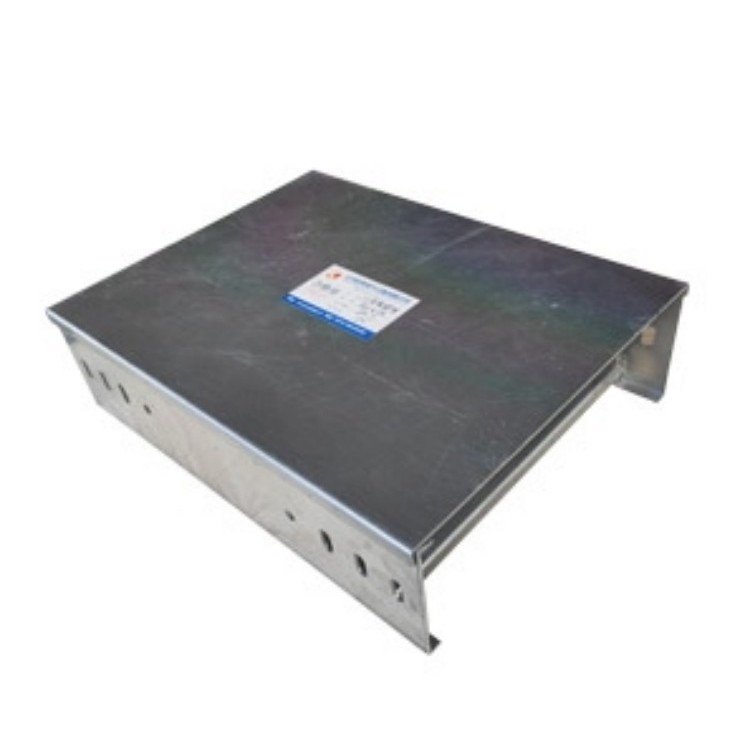
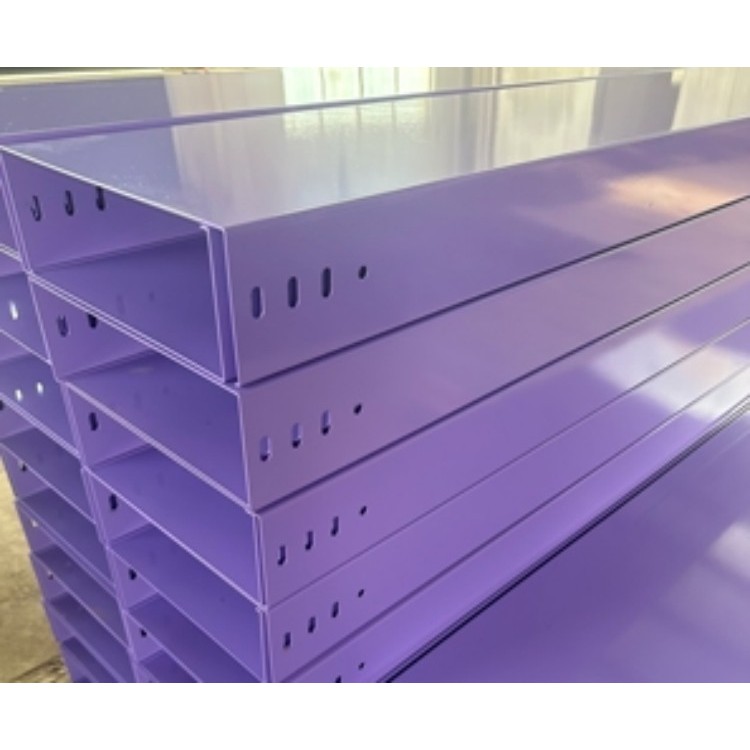
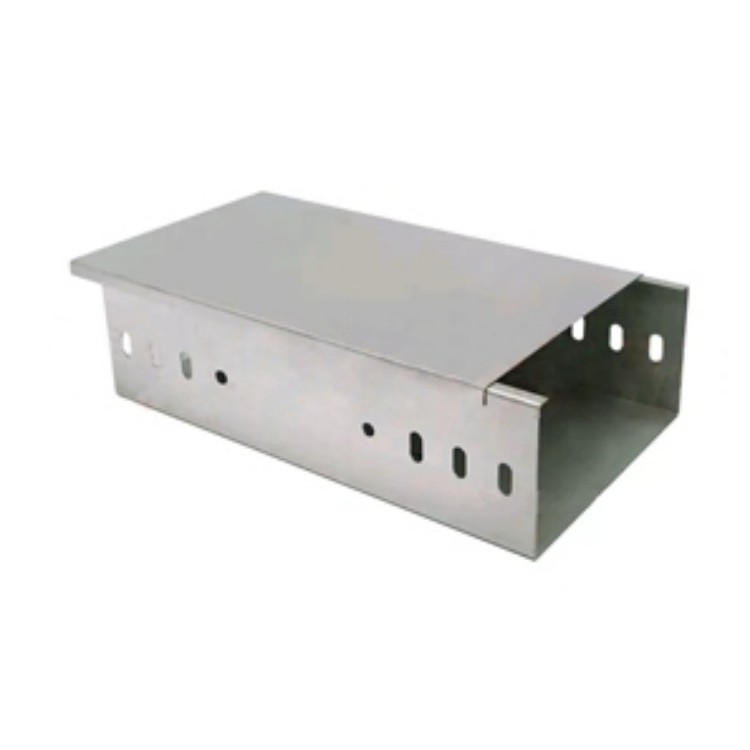













Aluminum alloy ladder-type bridge beam
Ladder bridge supports typically refer to ladder-style.Cable trayWhen laying cable trays horizontally, it is advisable to select an appropriate span based on the load curve for support, with the span typically ranging from 1.5 to 3.0 meters. For vertical installation, the fixed spacing should not exceed 2 meters.
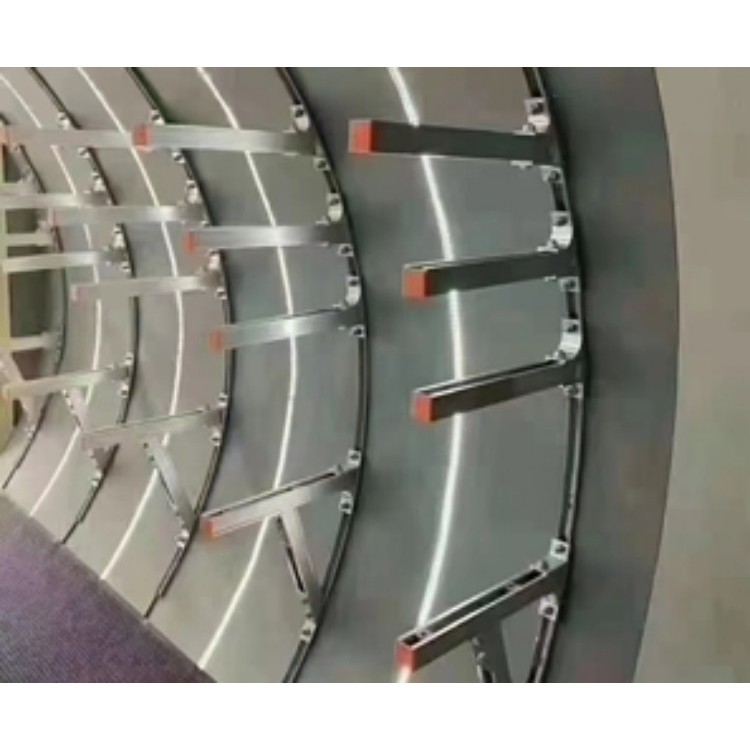
Aluminum alloy bridge beamsExhibits attractive appearance, simple structure, unique style, high load-bearing capacity, and light weight. After surface oxidation, the aluminum alloy cable tray not only resists corrosion but also electromagnetic interference, particularly shielding interference, which is irreplaceable by steel trays. The aluminum alloy tray holds significant practical value in modern industry and high-tech fields.
Aluminum-based alloys. The main alloying elements include copper, silicon, magnesium, zinc, and manganese, with secondary elements such as nickel, iron, titanium, chromium, and lithium.
Aluminum alloy has a low density yet high strength, approaching or exceeding that of steel. It boasts excellent plasticity, allowing for processing into various profiles. It also exhibits superior electrical conductivity, thermal conductivity, and corrosion resistance. Widely used in industry, its usage ranks second only to steel.
Aluminum alloys are divided into two main categories: cast aluminum alloys, used in their cast state; and wrought aluminum alloys, which can withstand pressure processing and have higher mechanical properties than the cast state. They can be processed into various shapes and specifications of aluminum alloy materials. Mainly used for manufacturing aerospace equipment, daily necessities, building doors and windows, etc.