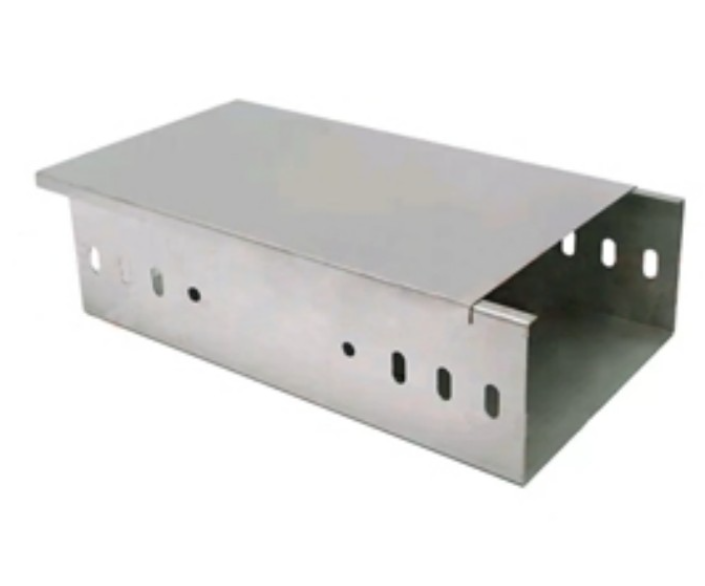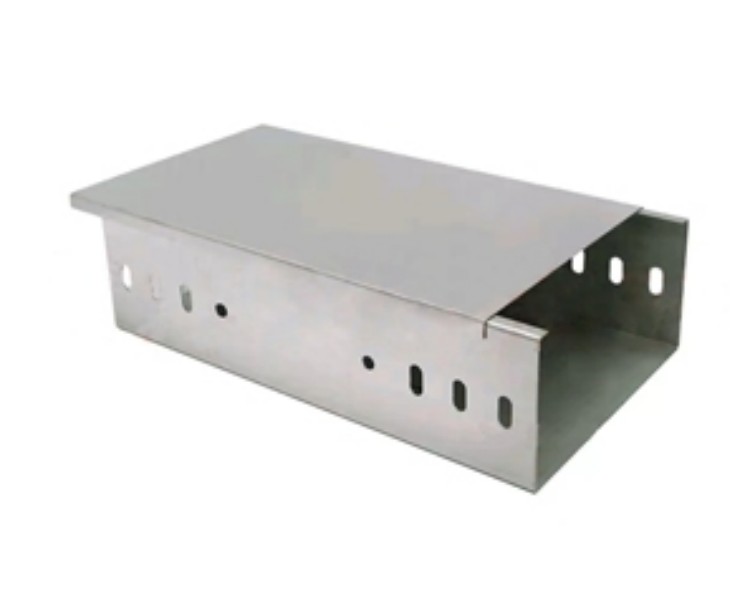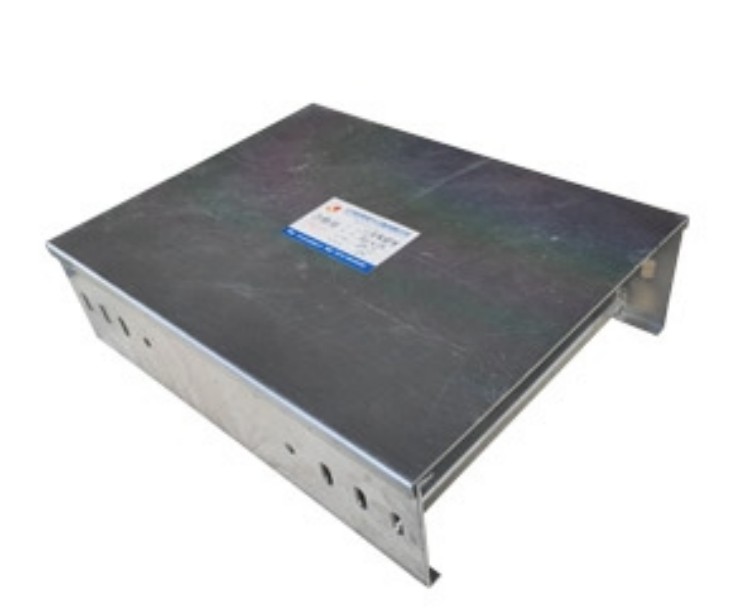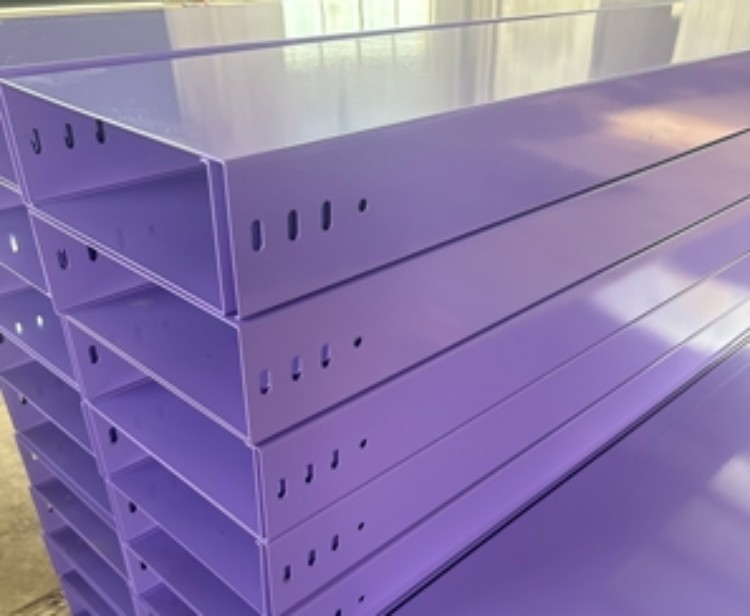

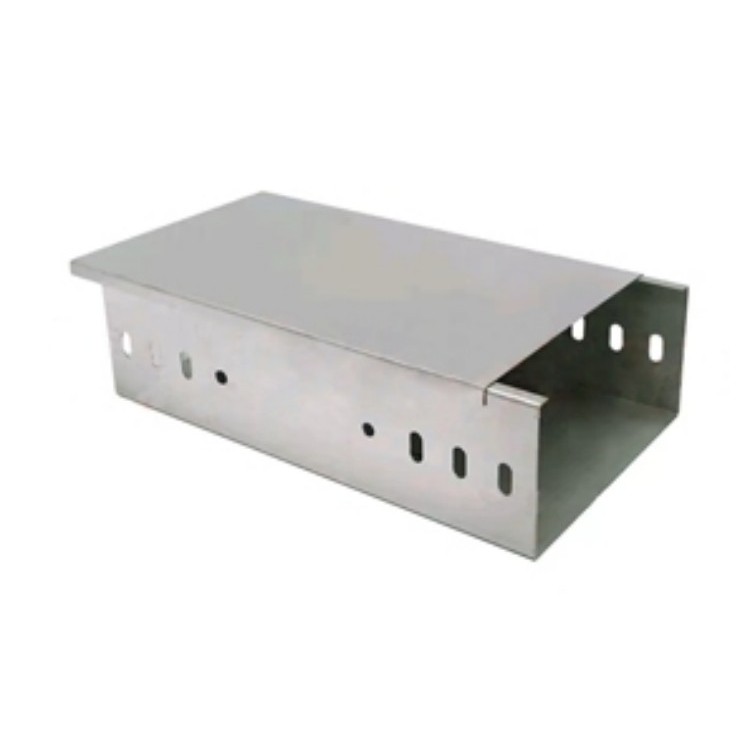

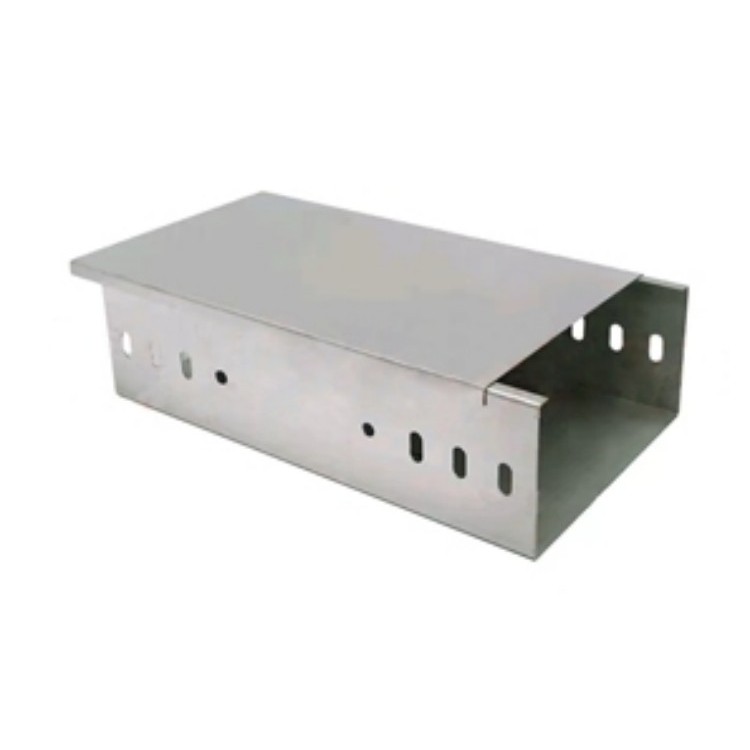
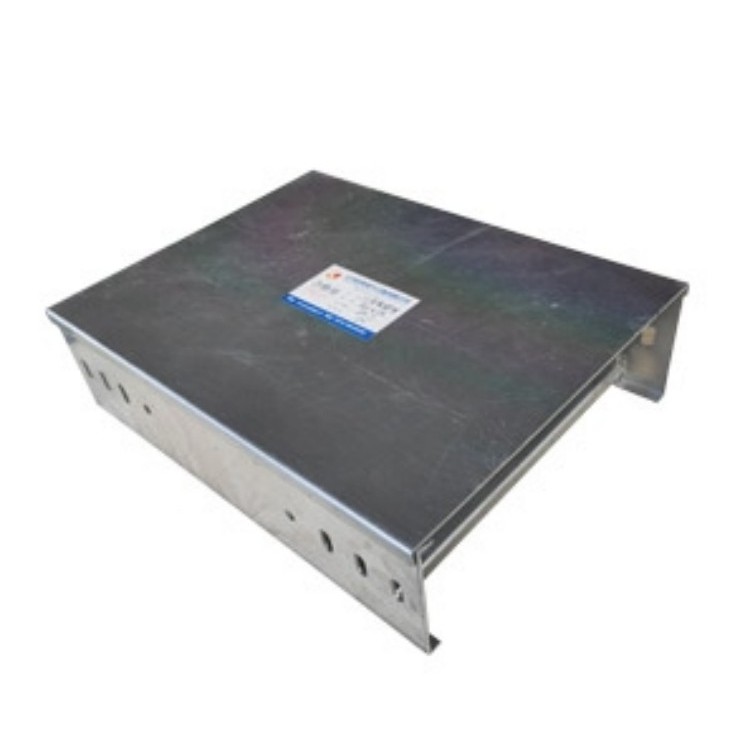
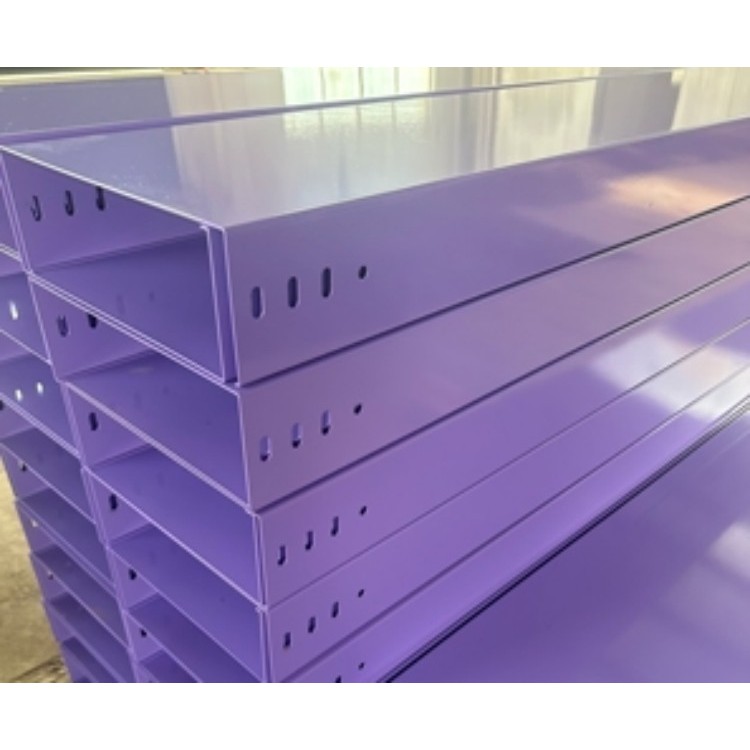













Fire-resistant bridge with partition
Fire-resistant bridge架Sprayed with a fire-retardant paint on the surface of a standard bridge, it serves as a fire-resistant barrier! In fact, the bridge itself won't catch fire; it's only the cables that could potentially ignite. The fire-retardant principle of the paint...
Fire-resistant bridge trays are protected with a thickness in accordance with JB/T 10216-2000 "Electrical Control and Distribution Equipment."Cable TrayTable 10 specifies that electroplating should be greater than 12μm, hot dipping greater than 65μm, spray painting greater than 50μm, and fire-resistant greater than 500μm, which can be measured with a thickness gauge.
Flame Retardant Fireproof Bridgeway Main Parameters
Fire-retardant Paint
Appearance: Charcoal gray
Uniformly thick fluid, free of lumps;
Drying Time: 2 hours
Bond Strength: 0.78 Mpa
Seismic Resistance: The L/200 coating does not peel or flake off under bending.
Flexural resistance: No peeling or flaking of the coating at deflection L/100.
Fire resistance: No change in the coating after being soaked in tap water for over 24 hours.
Acid Resistance: Coating remains unchanged after soaking in 3% HCL for over 24 hours.
Alkali resistance: Coating remains unchanged after soaking in 3% Ca(OH)2 for over 24 hours.
Salt Resistance: Coating remains unchanged after soaking in 3% NaCl solution for over 24 hours.
Freezing Resistance: 15 times
Refer to the following for different fire-resistant coating thicknesses.
Fire resistance limit: h 0.5, 1, 1.5, 2, 2.5
Coating Thickness mm 0.4-0.6 0.8-1.0 1.4-1.6 1.8-2.0 2.4-2.6
Inorganic refractory board
Fire-resistant property, Grade A
Thermal Conductivity (W/M, K) ≤ 0.5
Tensile Strength (Mpa) ≥ 15
Compressive Strength (Mpa) ≥ 45
Bend Strength (Mpa) ≥ 35
Impact Resistance (Mpa) ≥ 2.0