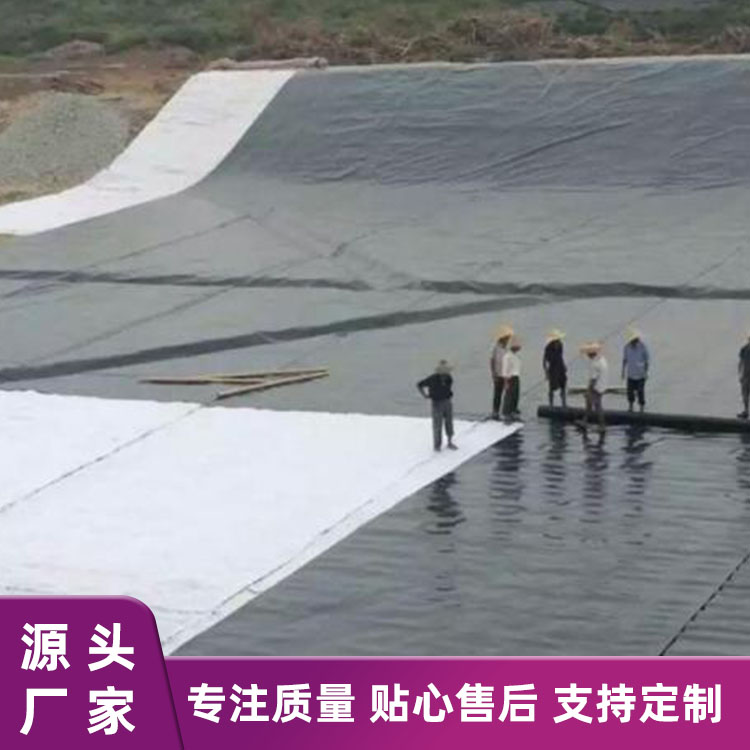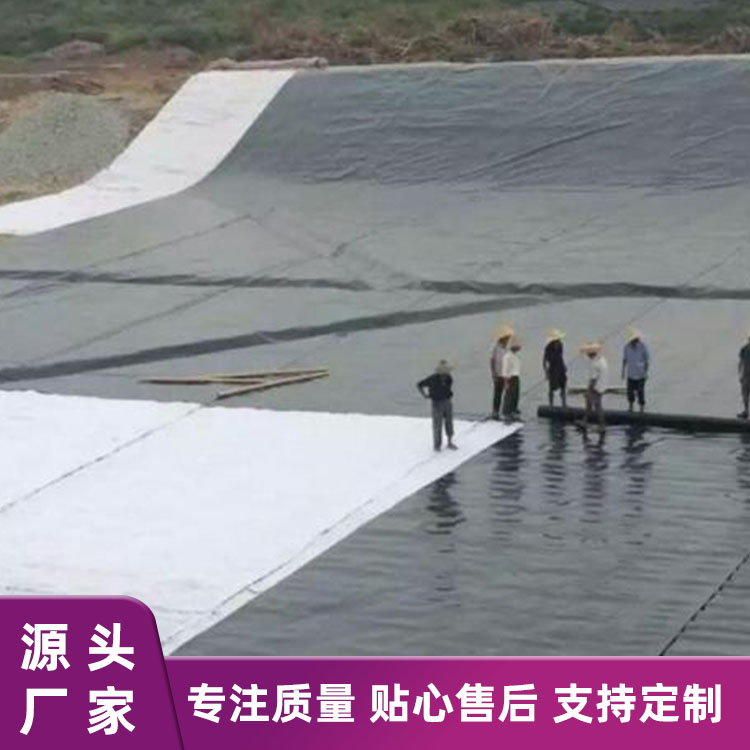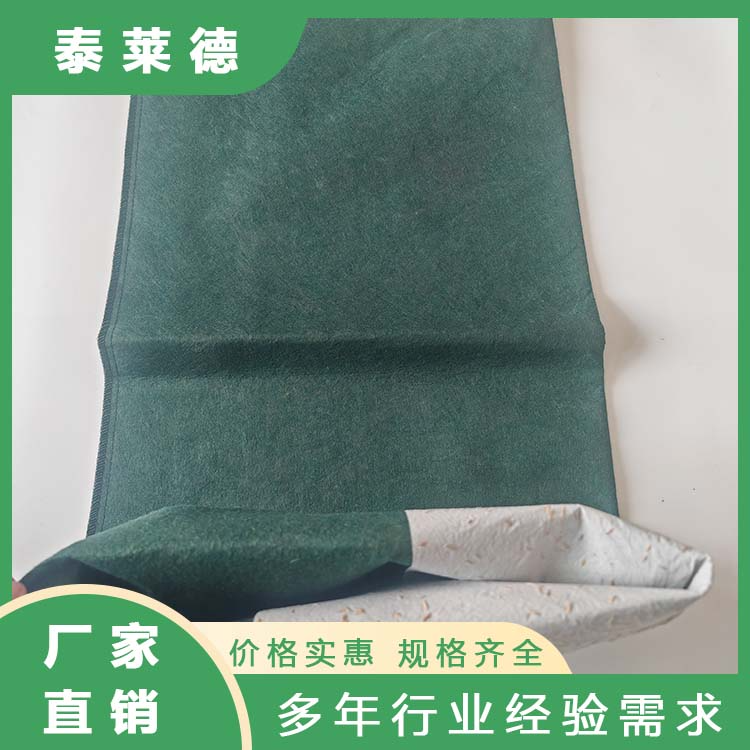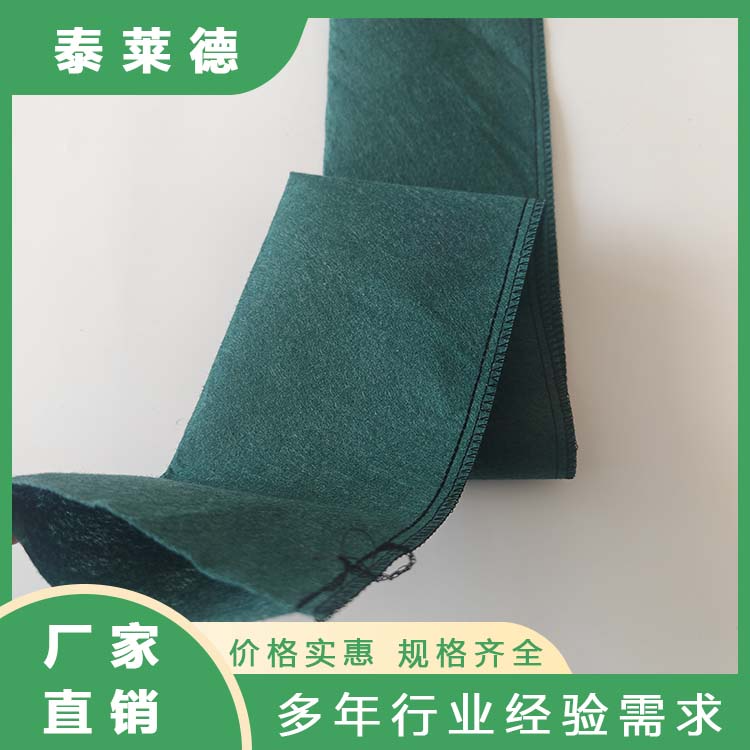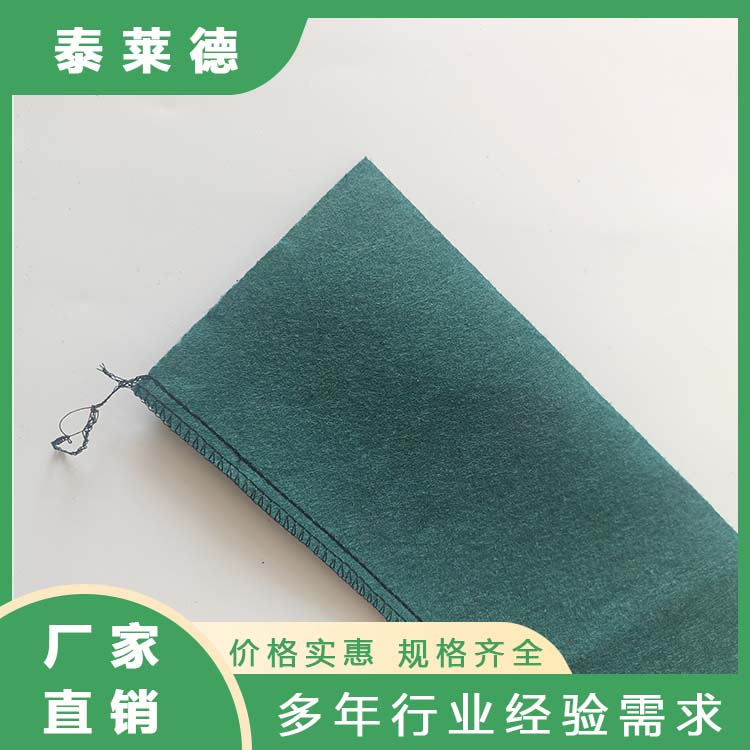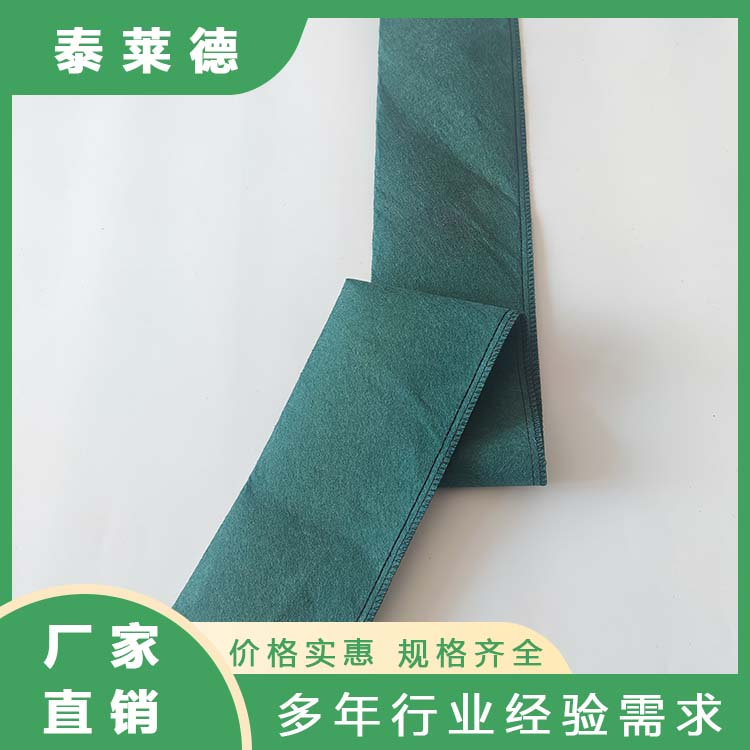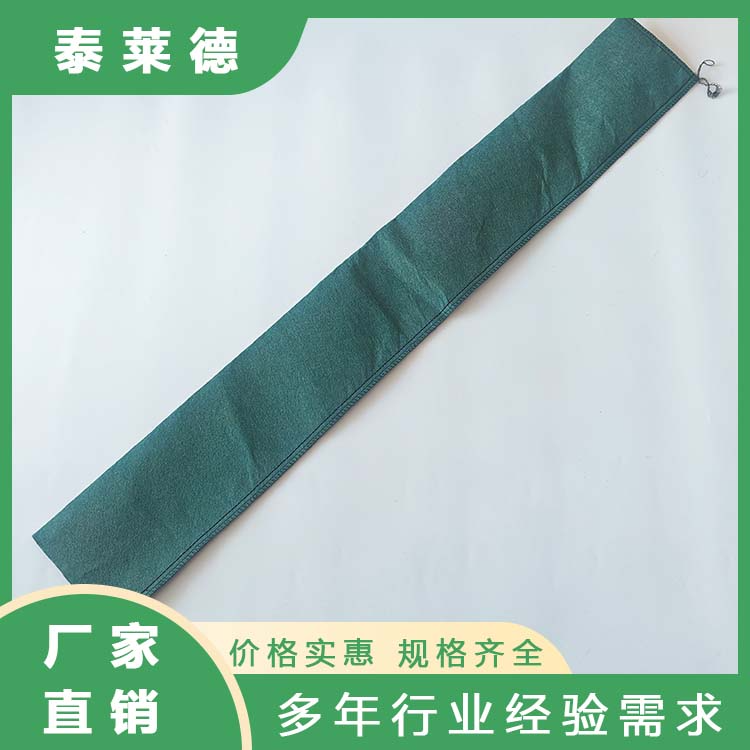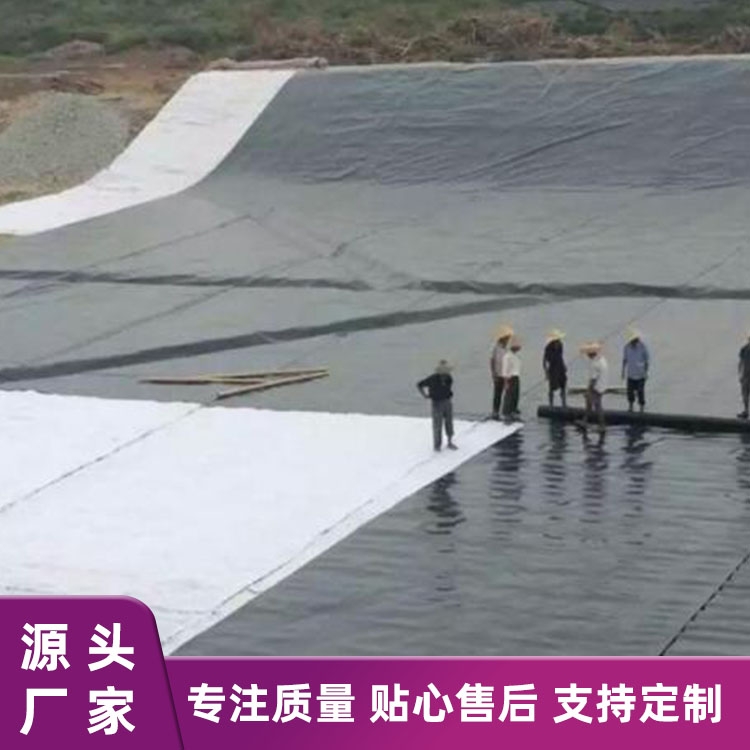

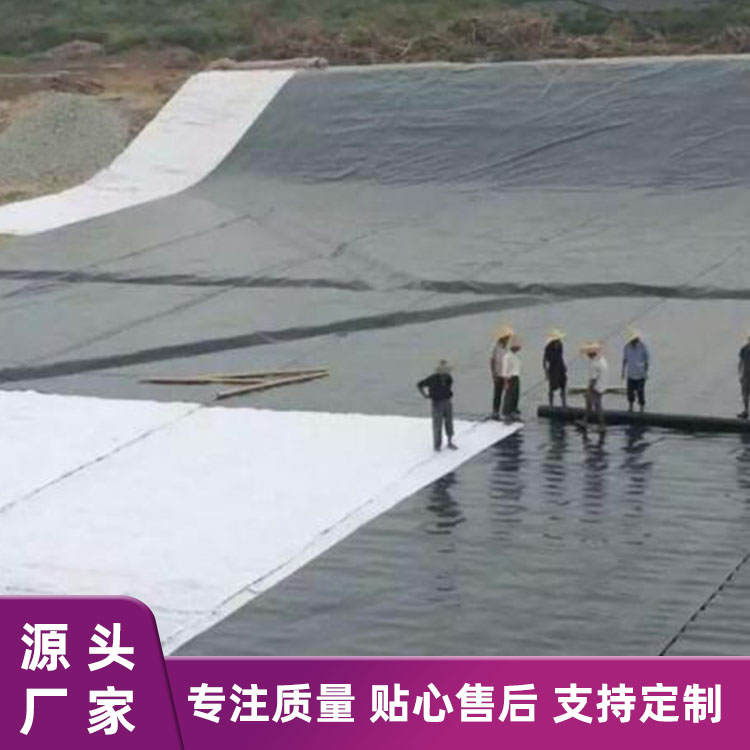
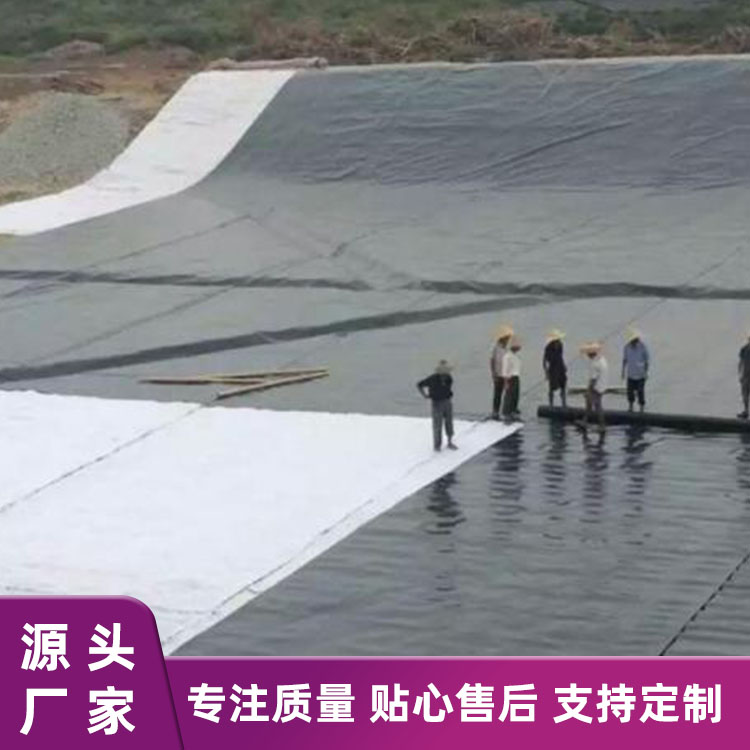
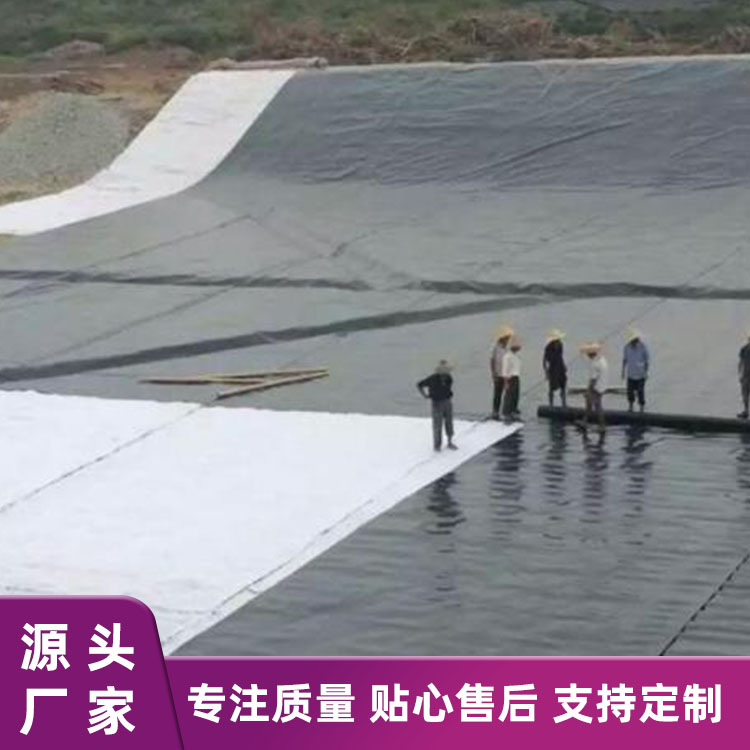


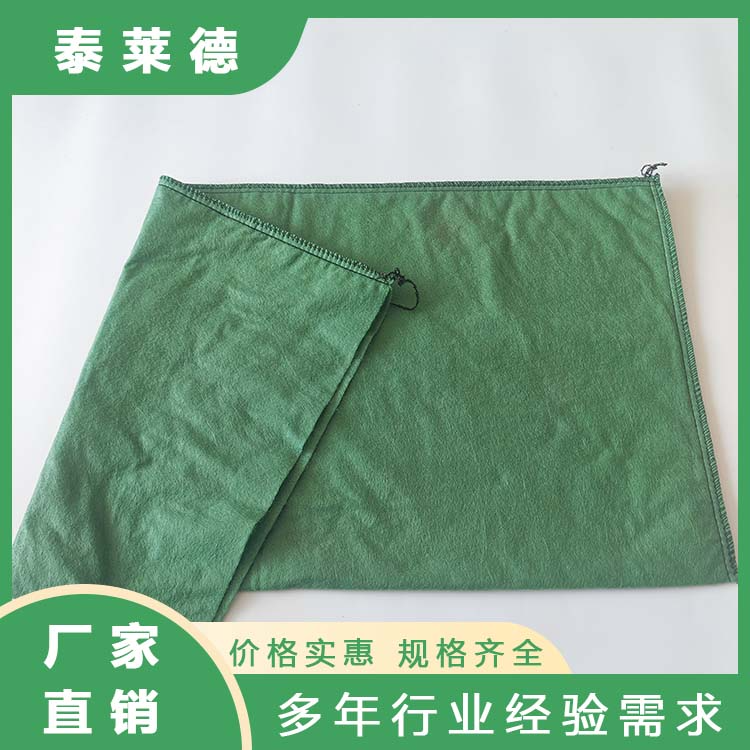
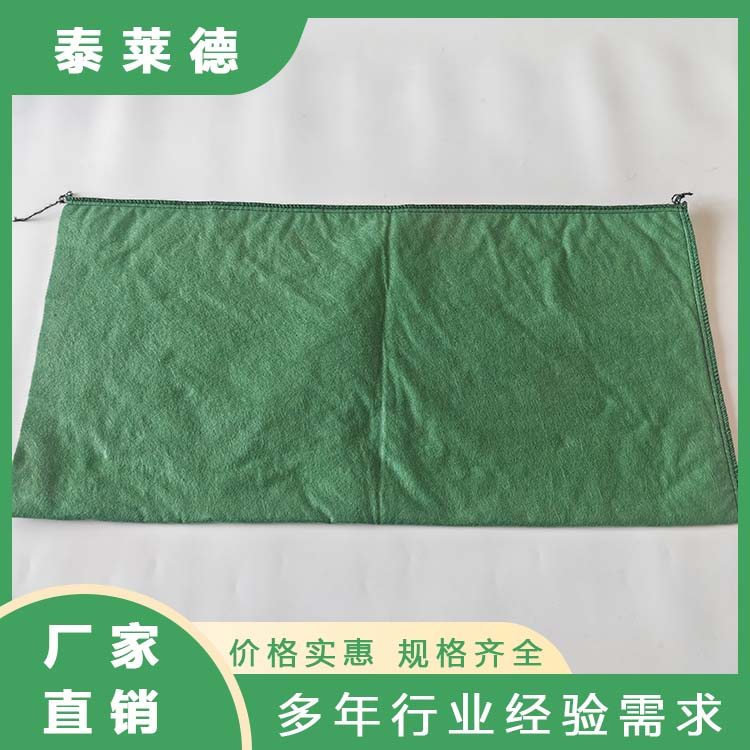
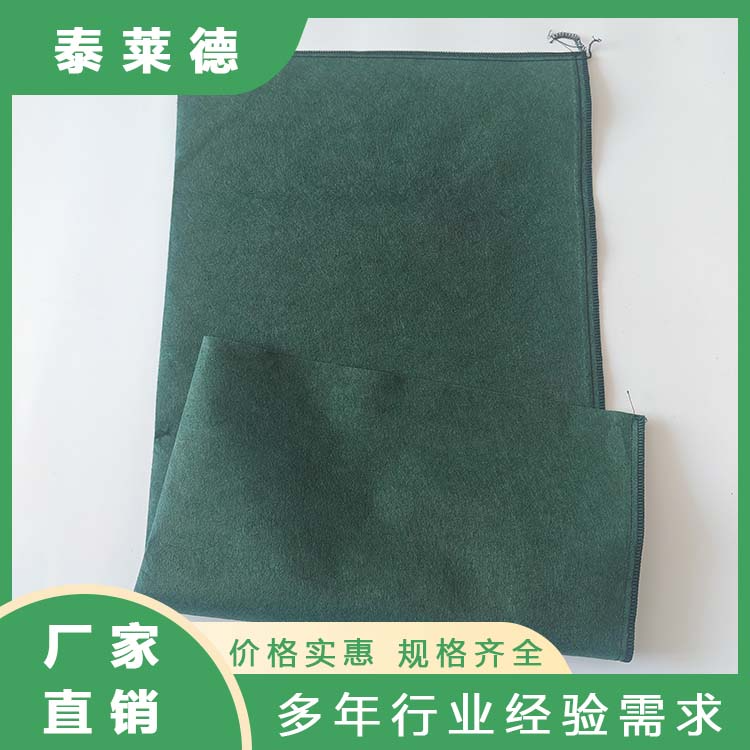
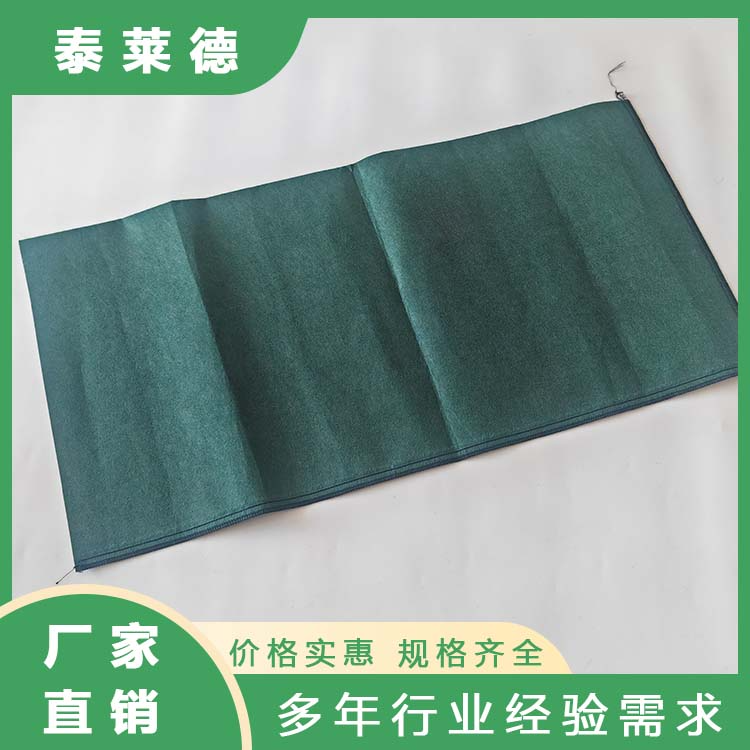
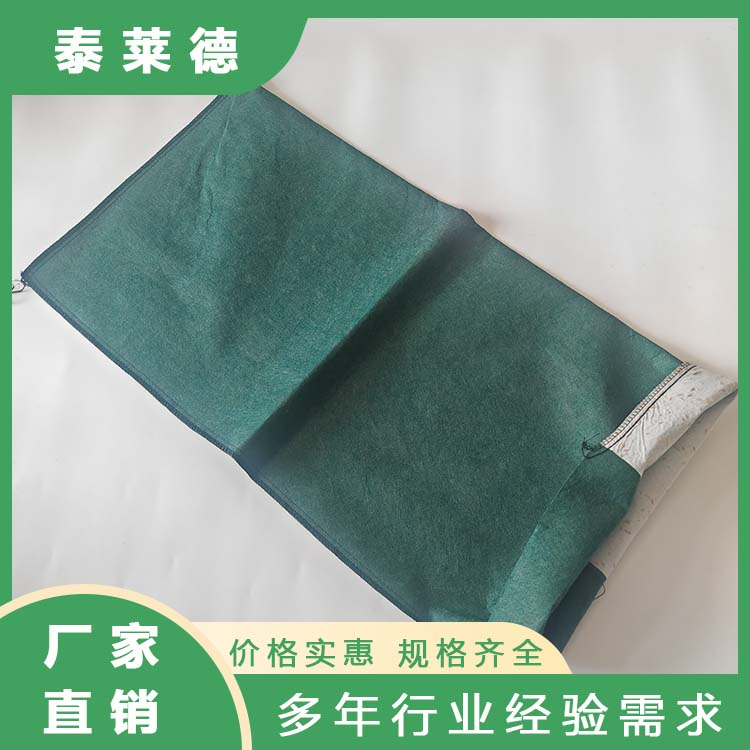





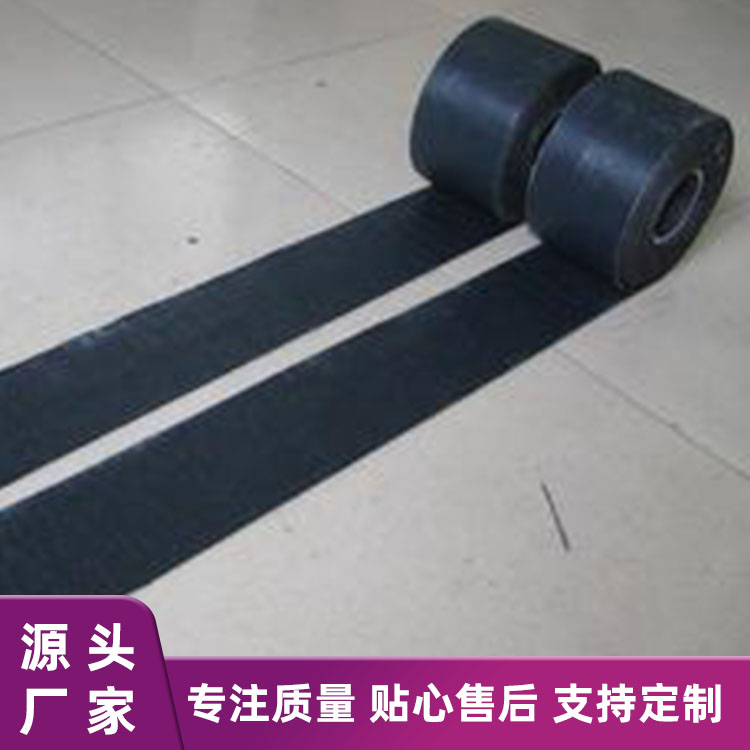

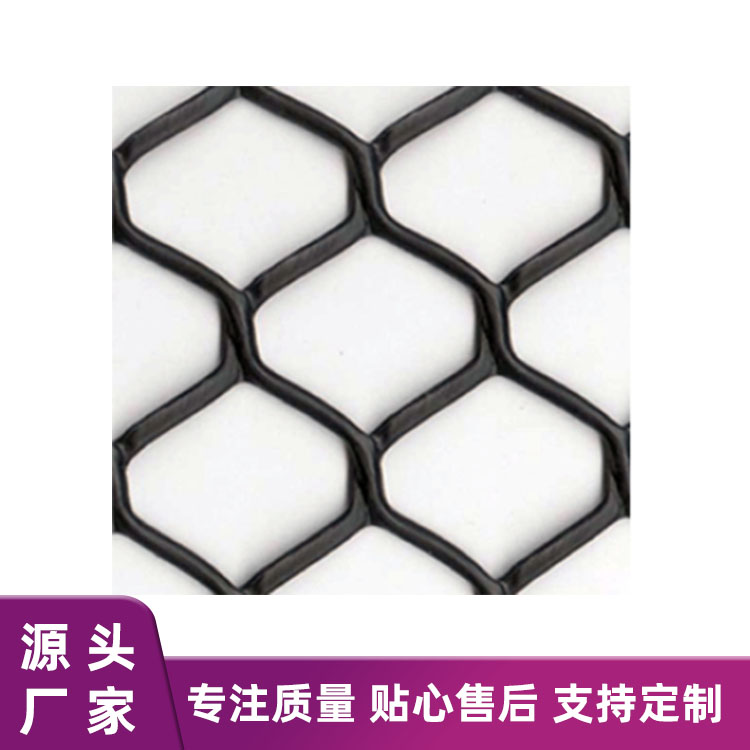


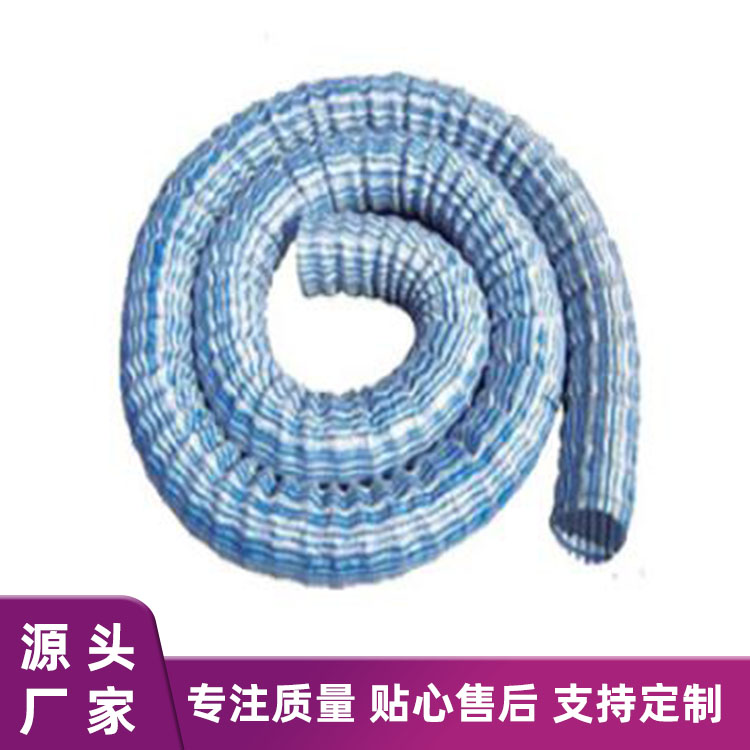
Geotextile with waterproofing properties refers to a soil erosion prevention material made by bonding a plastic film, serving as the waterproof base, with non-woven fabric. It effectively retains soil and sand loss, expels excess liquids and gases within the soil structure, and enhances the stability of the building structure, thereby improving the quality of the soil mass.
Currently, the plastic films used in anti-seepage applications both domestically and internationally are mainly polyvinyl chloride (PVC) and polyethylene (PE). These are high-molecular-weight flexible materials with low density and high extensibility, high adaptability to deformation, corrosion resistance, and excellent anti-freezing properties. Their primary mechanism is to interrupt the leakage channels in soil dams with their impermeable properties, withstanding water pressure and accommodating dam deformation due to their high tensile strength and elongation. Non-woven fabric, too, is a high-molecular-weight short-fiber chemical material, formed through needling or heat bonding, and possesses high tensile strength and extensibility. When combined with the plastic film, it not only enhances the tensile strength and piercing resistance of the film but also, due to the rough surface of the non-woven fabric, increases the friction coefficient of the contact surface, benefiting the stability of the composite geotextile and protective layer. Additionally, they exhibit good resistance to bacterial and chemical侵蚀, fear no erosion from acids, bases, or salts.
Basic Introduction
Geotextile with waterproofing properties, made by combining plastic film as the base material for water resistance with non-woven fabric, its waterproofing performance primarily depends on the waterproofing properties of the plastic film.
Functionality
Utilizing the good air and water permeability of geotextiles, water flows through while effectively retaining soil erosion.
Geotextiles possess excellent water-permeability, forming drainage channels within the soil mass to expel excess liquids and gases from the soil structure.
Utilize geotextiles to enhance the tensile strength and deformation resistance of soil masses, thereby improving the stability of building structures and the quality of the soil.
Effectively dissipate, transfer, or decompose concentrated stresses to prevent soil from being damaged by external forces.
Prevent mixing between layers of sand, stone, soil, and concrete.
Mesh is not prone to clogging—due to the strain and mobility of the mesh structure formed by the amorphous fiber tissue.
High permeability — maintains excellent permeability under soil and water pressure
Corrosion-resistant – Made from synthetic fibers such as polypropylene or polyester, resistant to acids and alkalis, non-corrosive, termite-proof, and anti-oxidant.
Primary Application Fields
Hydraulic Engineering: Coastal, river, and lake embankment projects meeting standards; reservoir reinforcement projects; reclamation projects; flood prevention and emergency rescue.
Highway, railway, and airport engineering: soft foundation reinforcement; slope protection; reflective crack-resistant pavement structural layer; drainage system; green buffer strips.
Electrical Engineering: Nuclear Power Plant Foundation Works; Thermal Power Plant Ash Dam Works; Hydropower Plant Engineering.
Application Features
1. Currently, the synthetic fibers primarily used in the production of geotextiles are nylon, polyester, polypropylene, and polyethylene, all of which boast strong resistance to burial and corrosion.
2. Geotextile is a permeable material, thus it boasts excellent anti-filtering isolation properties.
3. Non-woven geotextile, due to its fluffy structure, boasts excellent drainage properties.
4. Geotextiles possess excellent puncture resistance, thus offering superior protective properties.
5. Geotextiles offer excellent coefficient of friction and tensile strength, featuring geosynthetic reinforcement properties.
Features
1. High tensile strength, thanks to the use of plastic flat yarn, maintains full strength and elongation in both dry and wet conditions.
2. Corrosion-resistant, maintaining durability against corrosion in soils and water of varying acidity and alkalinity levels.
3. Excellent Permeability: There are gaps between the flat filaments, hence it possesses excellent water permeability.
4. Excellent antimicrobial properties; resists damage from microorganisms and pests.
5. Easy to install due to its lightweight and flexible material, making transportation, laying, and construction convenient.
6. Comprehensive Specifications: Width up to 6 meters. Currently the widest product domestically, unit area weight: 100-600g/㎡.
Laying Process
1. Storage, transportation, and handling of geotextiles
Geotextile rolls should be stored without damage prior to installation. They should be stacked on level, non-ponding areas, no higher than four rolls in height, and the identification labels should be visible. The rolls must be covered with opaque material to prevent UV aging. During storage, maintain the integrity of the labels and documentation.
During transportation (including transport from the material storage site to the work site), the geotextile rolls must be protected from damage.
Geotextile rolls damaged physically must be repaired. Geotextiles with severe wear are not to be used. Geotextiles that have come into contact with leaking chemical agents are not allowed for use in this project.
2. Geotextile Laying Methods:
2.1 Manually roll out; the fabric surface should be flat and leave adequate allowance for deformation.
2.2 The installation of geotextile fabrics, whether long or short fiber, typically involves overlap, stitching, and welding methods. The width for stitching and welding is generally above 0.1m, while overlap width is usually above 0.2m. Geotextile fabrics that may be exposed for extended periods should be焊接 or stitched.
2.3 Sewing Geotextile
All seams must be continuous (e.g., spot seams are not permitted). The geotextile must overlap by at least 150mm before lapping. The small seam needle must be at least 25mm away from the selvage (the exposed edge of the material).
Seamed geotextile seams include a single line of locked seam chain stitching. The thread used for stitching should be made of resin material with a tensile strength exceeding 60N, and possess equivalent or superior resistance to chemical corrosion and UV radiation as the geotextile.
Any "leaking needle" on the stitched geotextile must be resewn at the affected area.
Appropriate measures must be taken to prevent soil, granular matter, or foreign substances from entering the geotextile layer after installation.
The overlapping of fabric can be categorized into natural overlap, sewing, or welding, depending on the terrain and usage function.
Waterproof geotextile:
Geotextile for reservoir construction is primarily laid under the riprap embankment on soft soil foundations. It serves to isolate the soil, preventing silt from entering the drainage mat and affecting its drainage efficiency. Additionally, the woven geotextile's excellent tensile properties enhance the embankment's overall anti-sliding safety factor. It also ensures more even settlement of the foundation. The geotextile is stitched together according to the laying width, then rolled onto a drum and hoisted to the arm架 of the geotextile laying vessel for fixation. The vessel navigates to the laying area, utilizing GPS global positioning for accurate location. The vessel's position is adjusted by the anchor winch. During laying, the geotextile is lowered to the waterline on the side of the vessel, and a small iron anchor at the starting end is straightened and dropped. The geotextile is then submerged, and the laying process continues by moving the vessel while throwing bags of crushed stone to secure the geotextile.