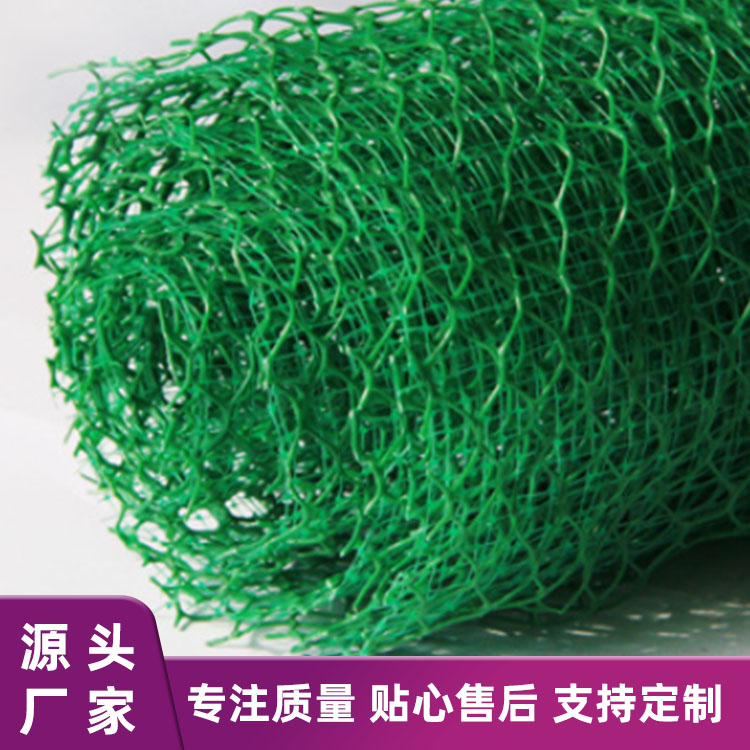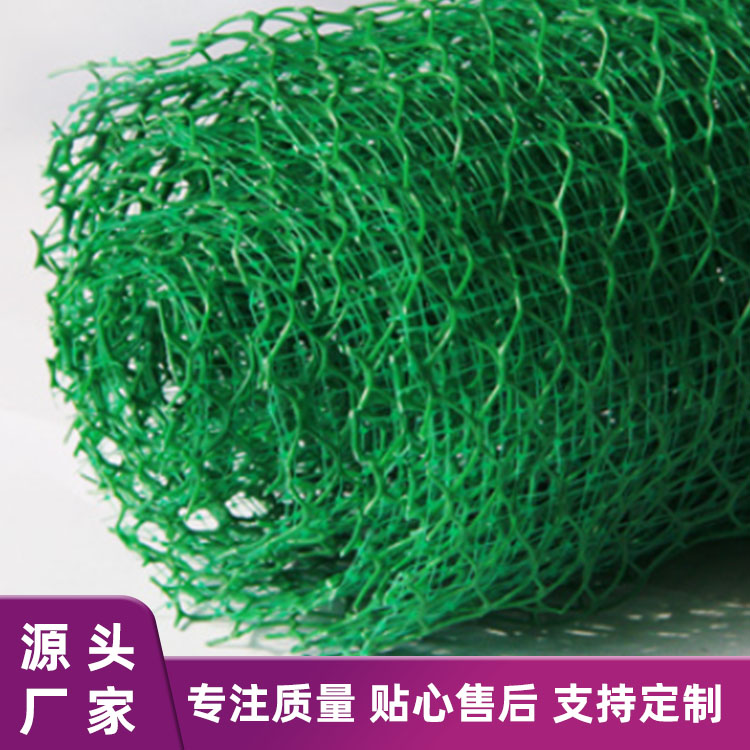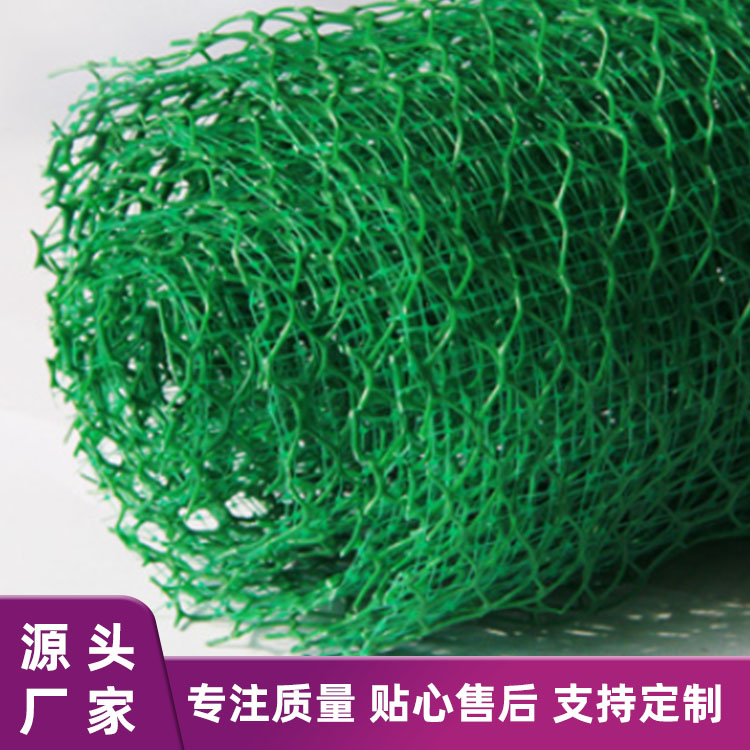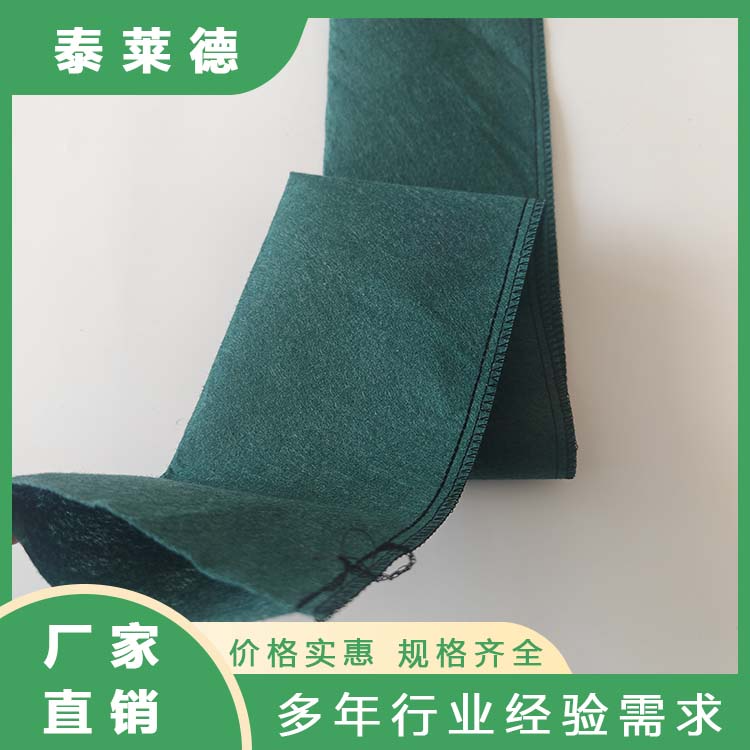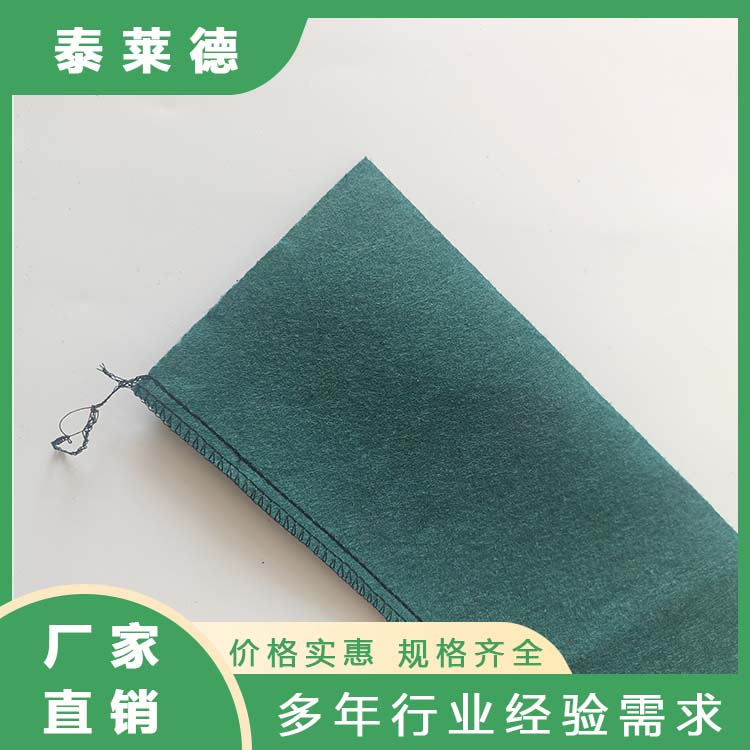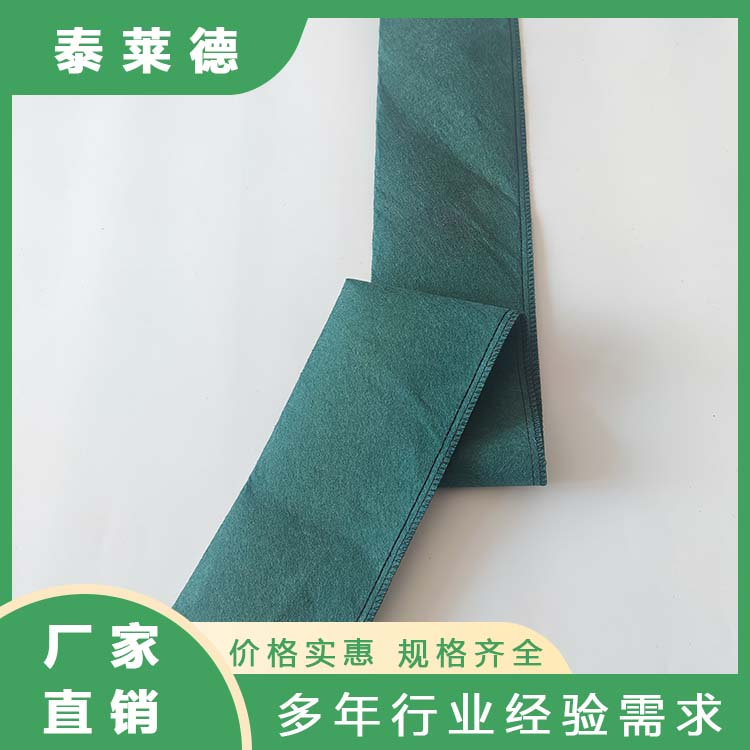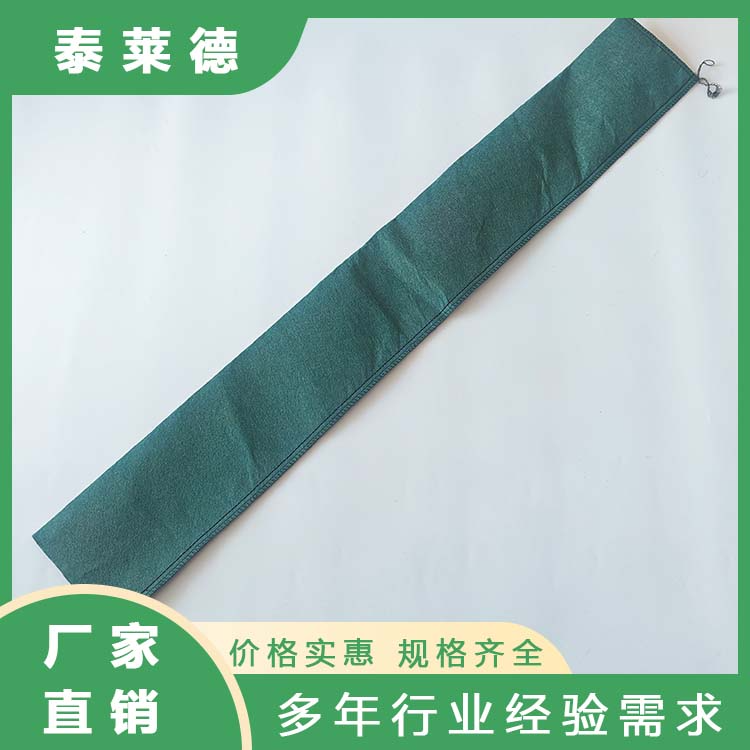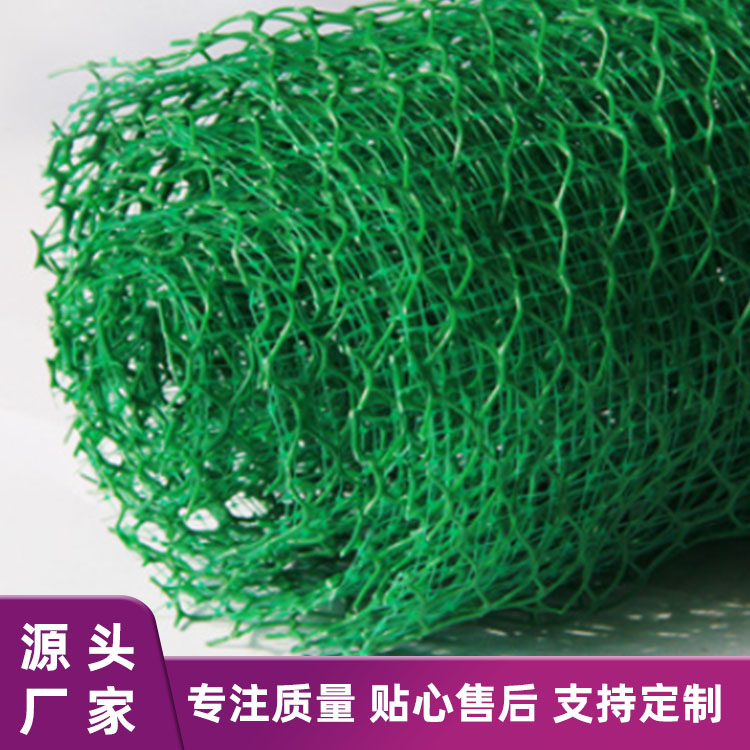


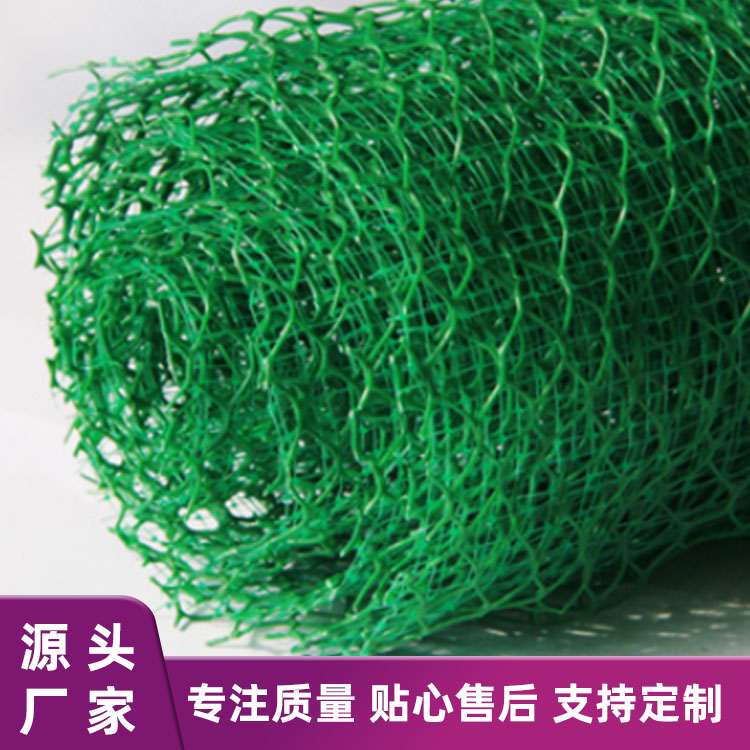
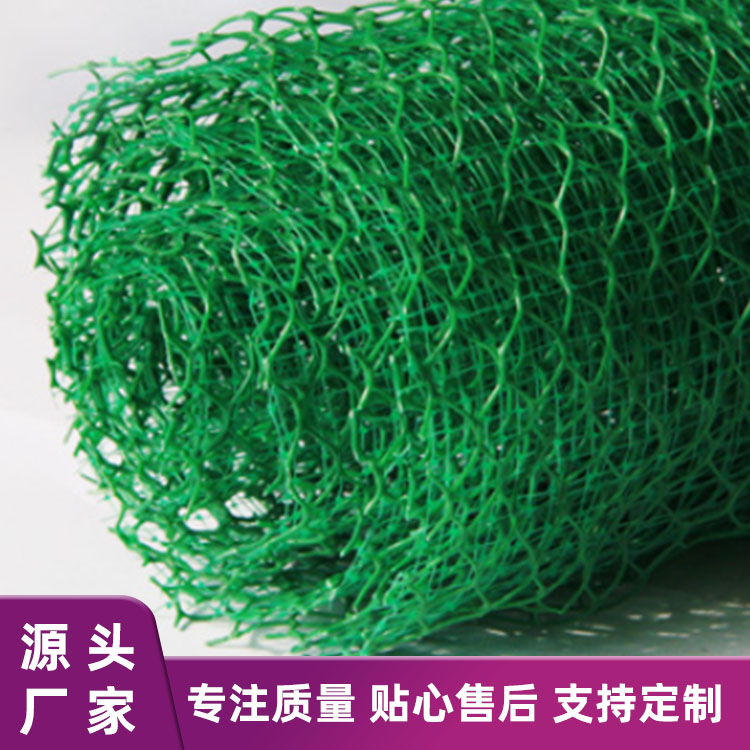


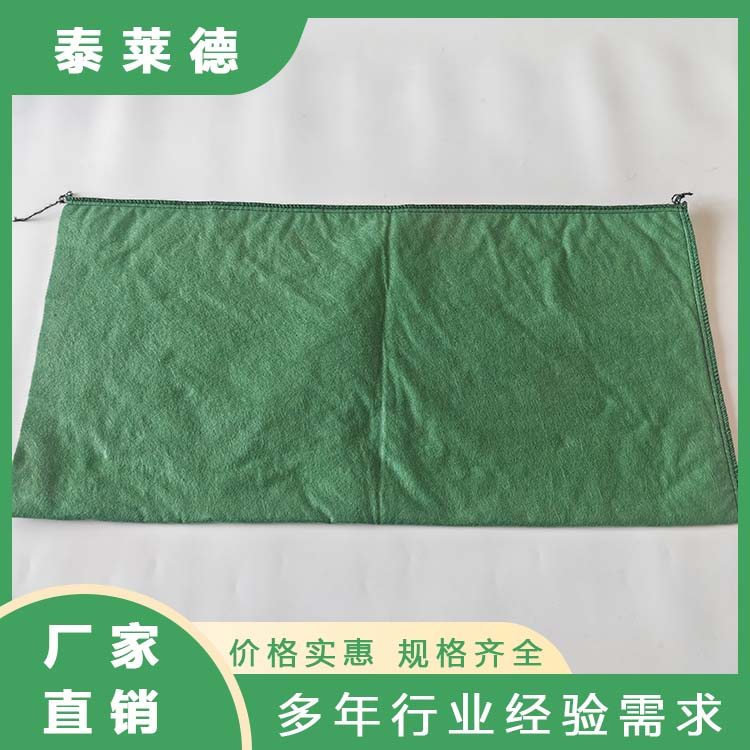
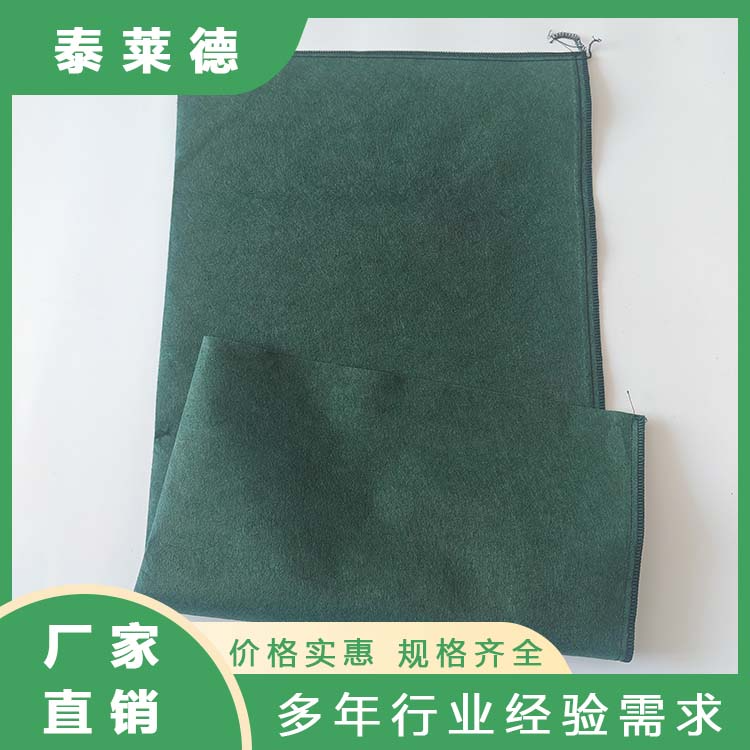
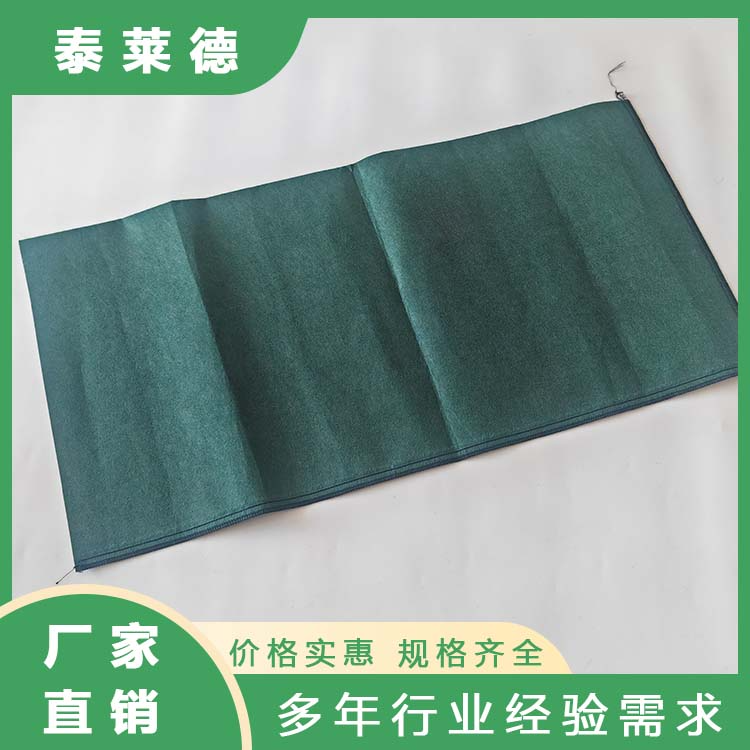
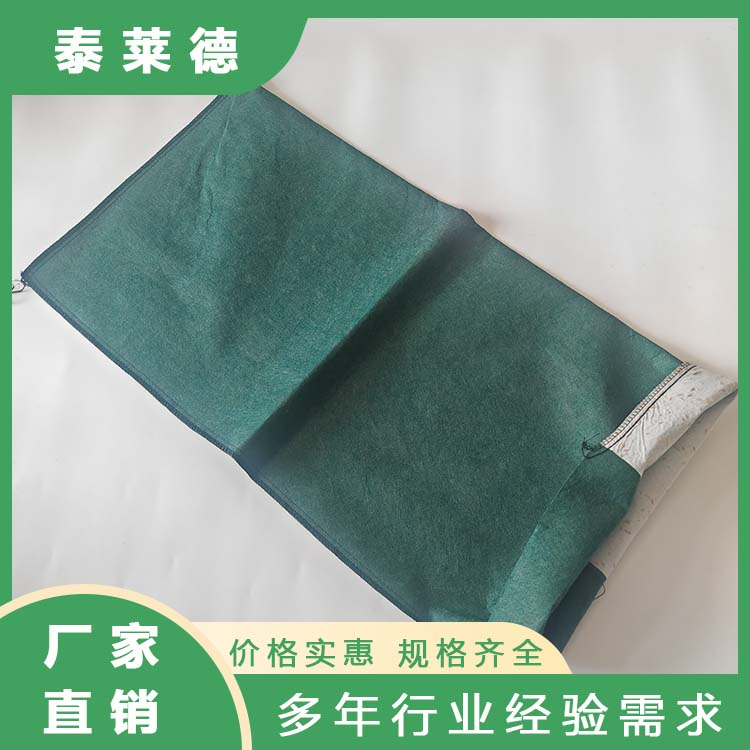






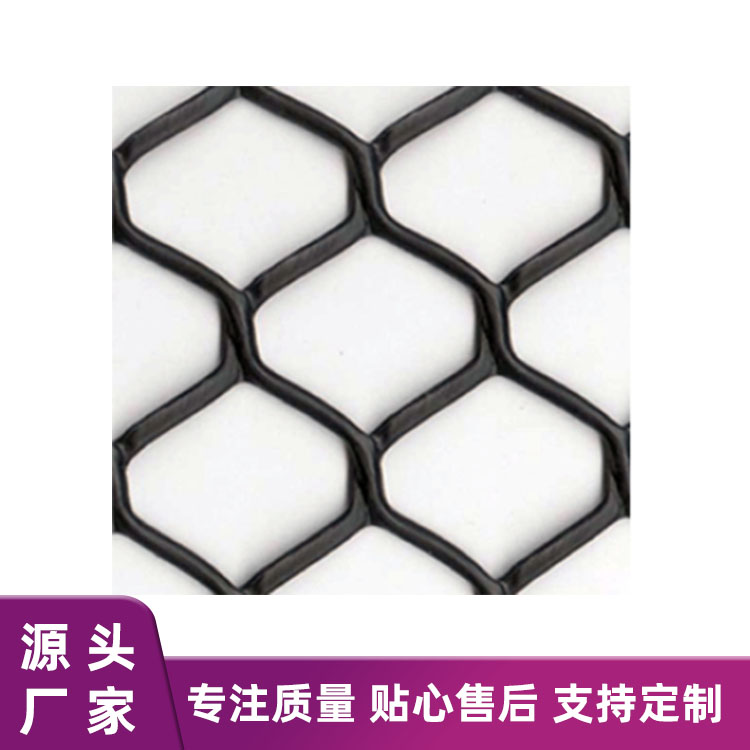

Three-dimensional Vegetation Mesh
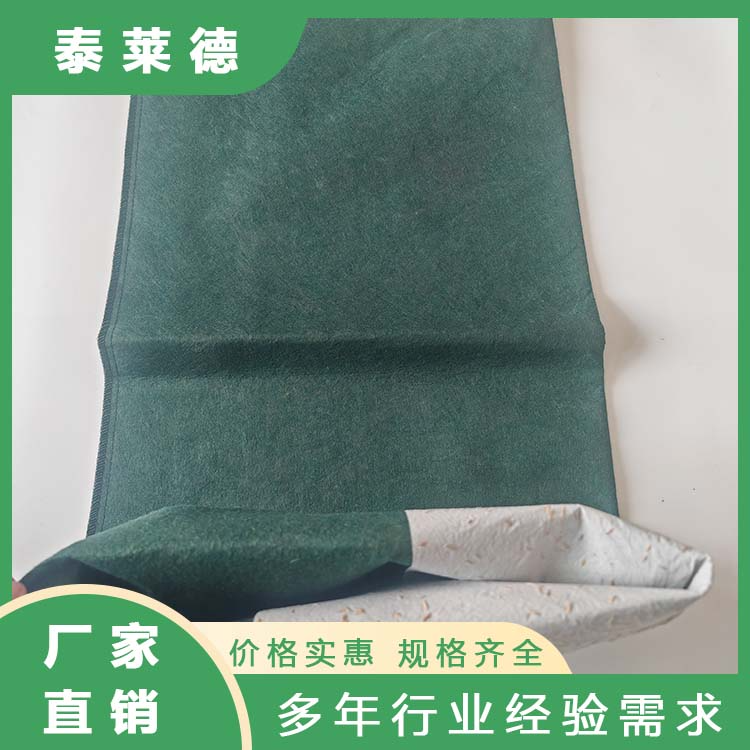
The Vegetated Geotextile Slope Protection Technology combines the benefits of geotextile and vegetated slope protection, effectively addressing the protection issues of rocky and steep slopes. Application cases demonstrate that the three-dimensional vegetated geotextile slope protection is highly beneficial to slope stability and delivers excellent protection effects.
The three-dimensional vegetation net slope protection technology that has emerged in recent years not only significantly enhances the overall and local stability of slopes but also promotes the growth of slope vegetation. Additionally, it offers lower construction costs, aligning with the development trend of slope engineering. It holds great application value in soil and water conservation in our country.
Three-dimensional Vegetation Net Slope Protection refers to a new technology that constructs a self-growing protective system on the slope surface by utilizing active plants and combining with engineering materials such as geosynthetic materials. It reinforces the slope through the growth of plants. According to the characteristics of the slope terrain, soil quality, and regional climate, a layer of geosynthetic material is covered on the slope surface, and various plants are planted at certain combinations and spacing. Through the growth activities of plants, the purpose of reinforcing the root system and preventing erosion of stems and leaves is achieved. After treatment with ecological slope protection technology, a dense vegetation cover can be formed on the slope surface, with a tangled root system in the topsoil layer, effectively inhibiting the erosion of the slope by heavy rain runoff, increasing the shear strength of the soil mass, reducing pore water pressure and the self-weight of the soil mass, thereby significantly improving the stability and erosion resistance of the slope.
The anti-erosion effect of vegetation is achieved through its three main components: 1) the growth layer (including bracts, sheaths, leaves, and stems), which prevents the direct erosion of the soil surface by rainwater with its dense coverage, reducing the scouring energy of heavy rain runoff and the speed of surface runoff, thereby reducing soil loss; 2) the humus layer (including the interface between the fallen leaves and the root system), which provides a protective layer for the soil surface; and 3) the root layer, which reinforces and anchors the surface soil of the slope, providing mechanical stability. Generally, in the early stages of plant growth, due to the loose intertwining of individual plant roots without a sprawling root system, they are prone to separation from the soil layer and fail to provide protection. The application of a three-dimensional mesh is to enhance the effectiveness of these three aspects for more comprehensive shallow protection. Firstly, within a certain thickness range, it increases the protective and mechanical stability properties; secondly, due to the presence of the three-dimensional mesh, the extensive root system of the plants is connected to the mesh reinforcement, forming a plate-like structure (equivalent to reinforcing the soil surface of the slope), thereby increasing the tensile and shear strength of the protective layer, limiting the expansion of the "gradual destruction" phenomenon (erosion can directly damage individual plants, and over time, the damaged area increases) and preventing the occurrence of shallow surface sliding and upheaval on the slope.
The three-dimensional vegetation net slope protection technology combines the advantages of geotextile nets and vegetation slope protection, serving as a composite slope protection method. When the vegetation coverage rate of the slope reaches over 30%, it can withstand the erosion from light rain; at a coverage rate of over 80%, it can withstand heavy rain. As the plants grow lush, the erosion-resistant flow velocity can reach up to 6m/s, which is more than twice that of ordinary grass. The presence of geotextile nets effectively reduces soil moisture evaporation on the slope and increases infiltration. Additionally, due to the black polyethylene material of the geotextile nets, which has heat-absorbing and insulating properties, it promotes seed germination and is beneficial for plant growth.