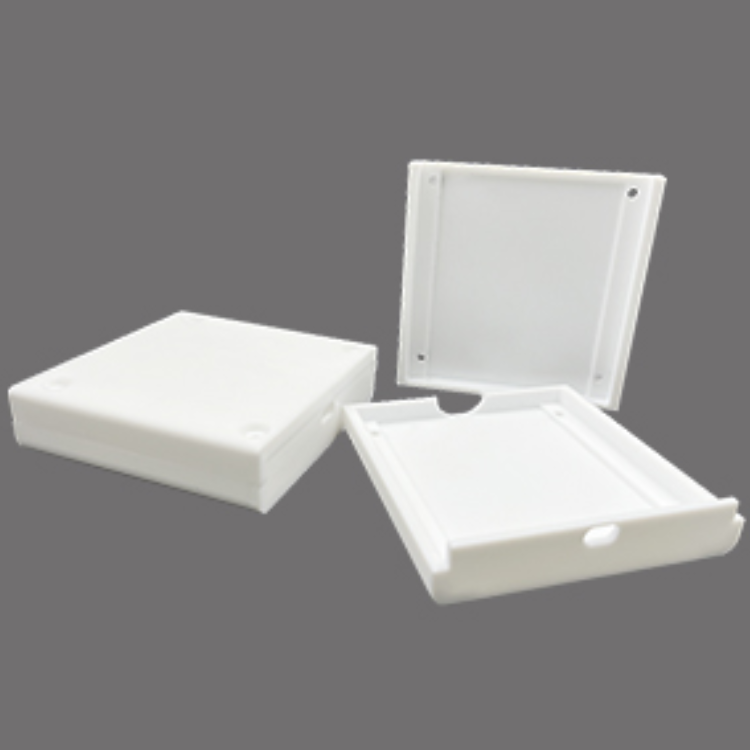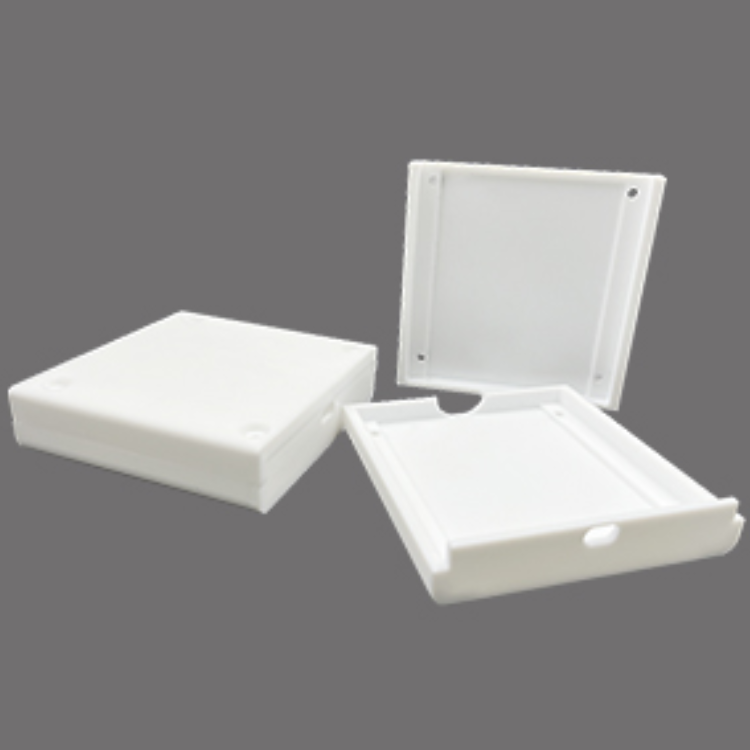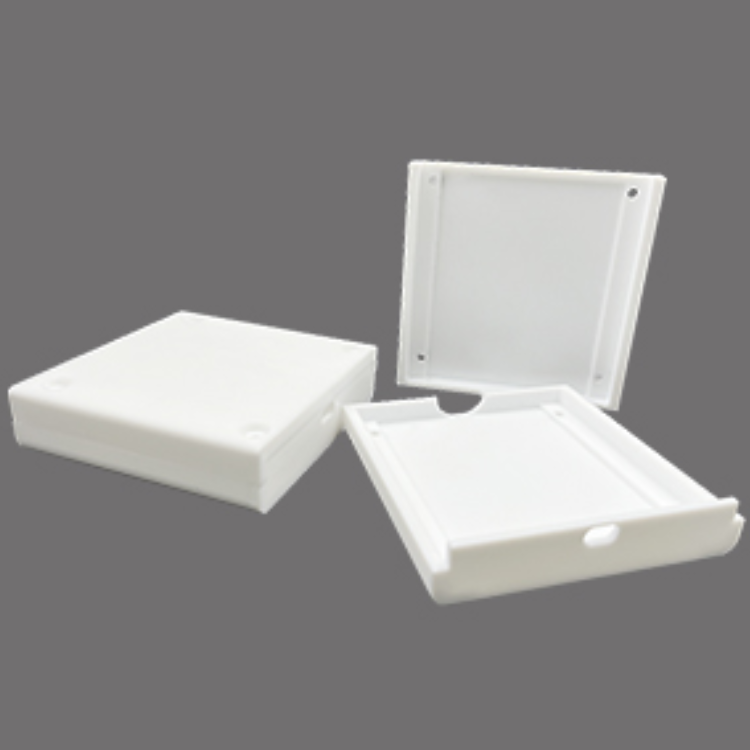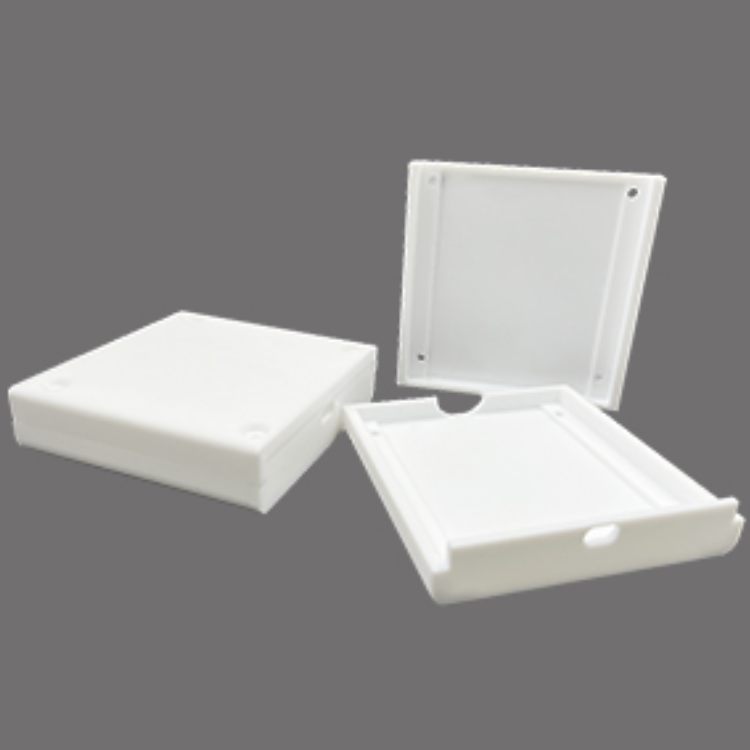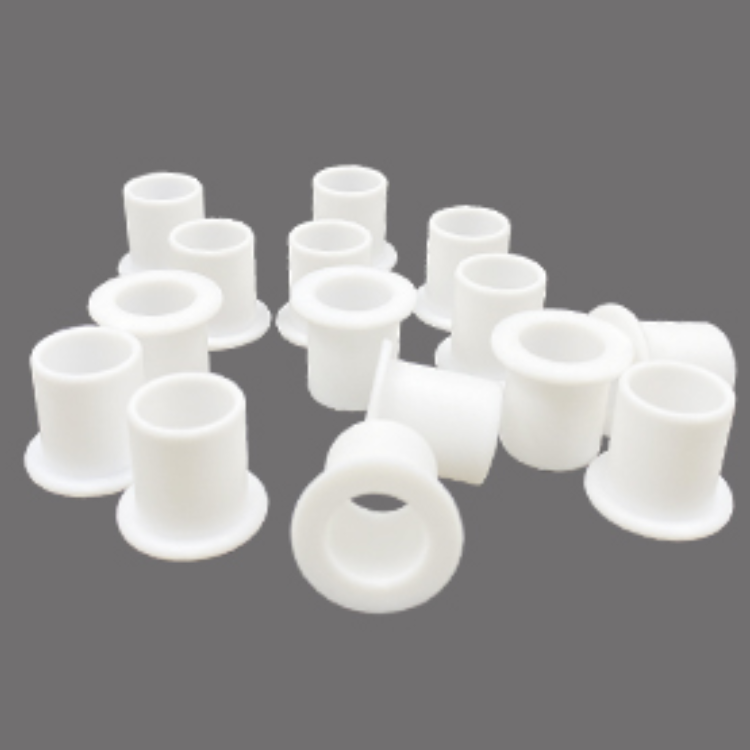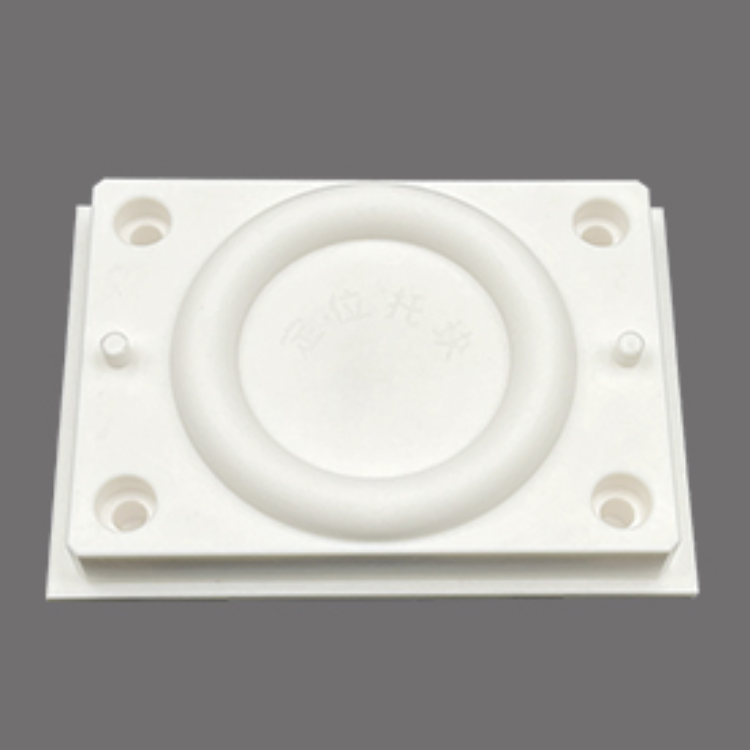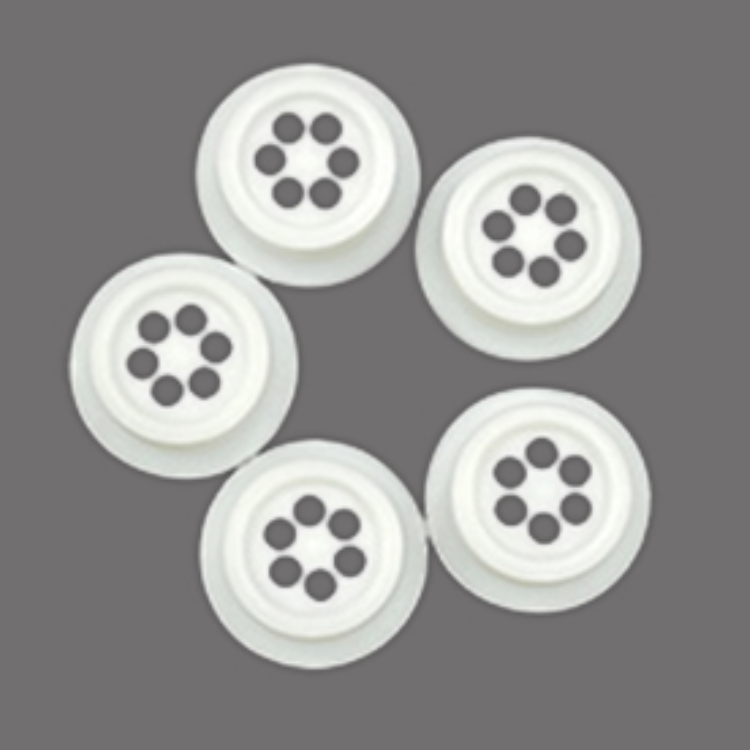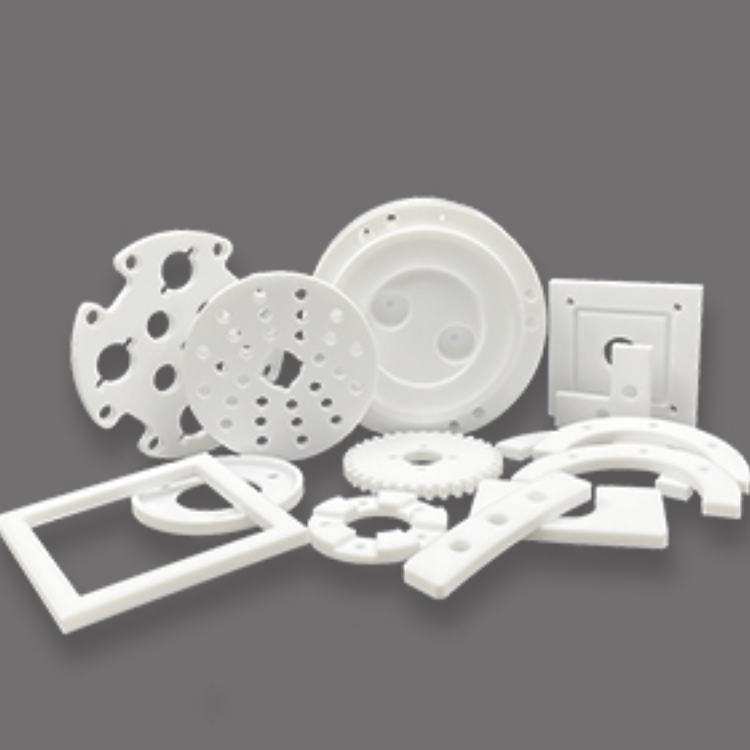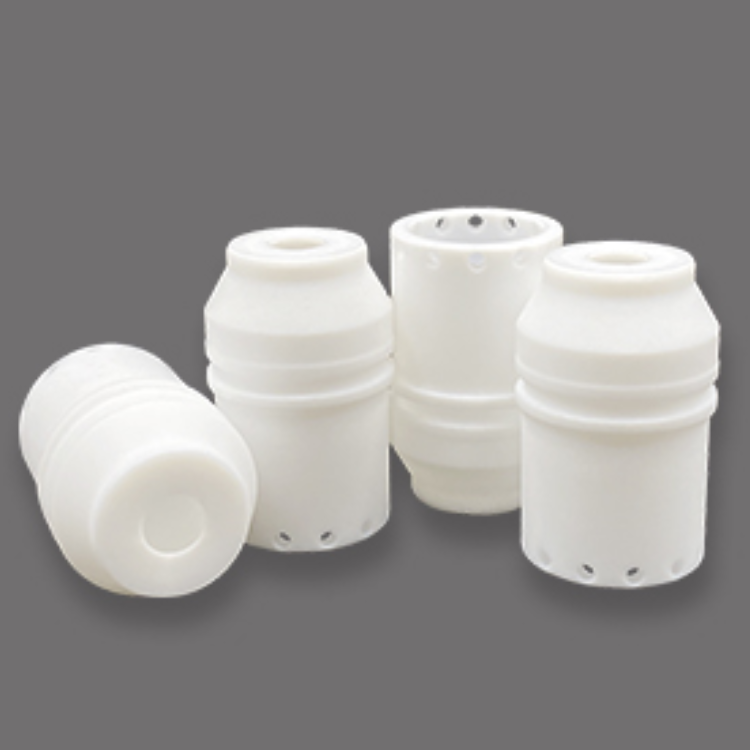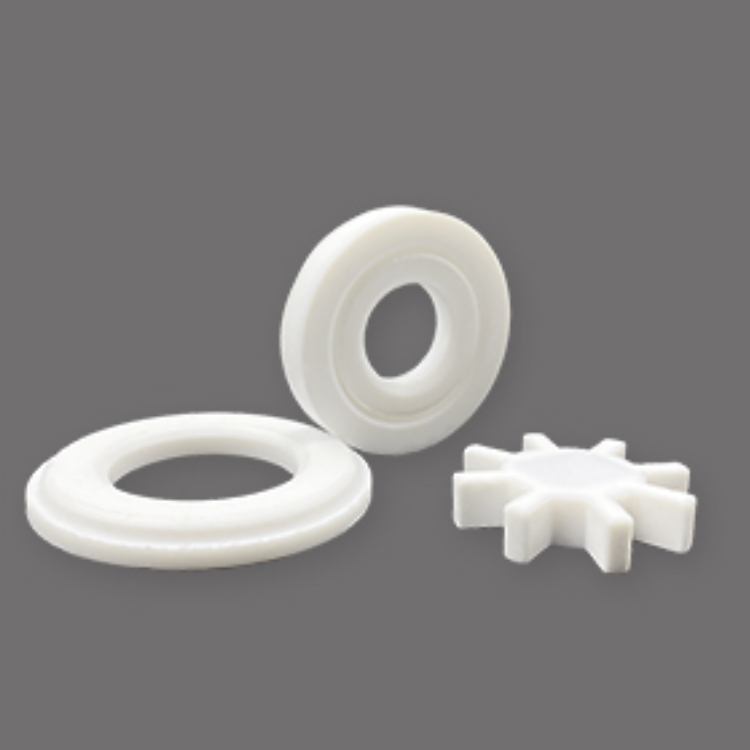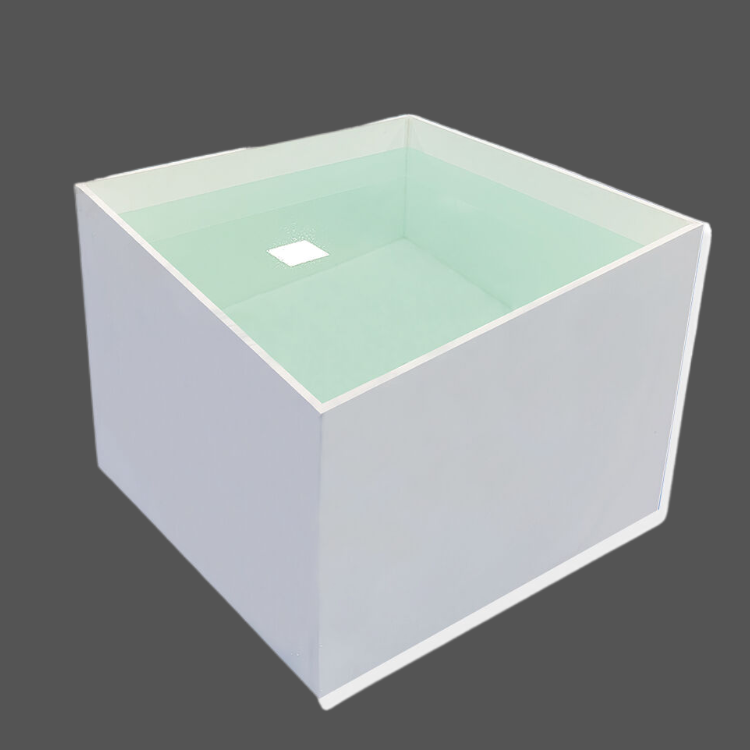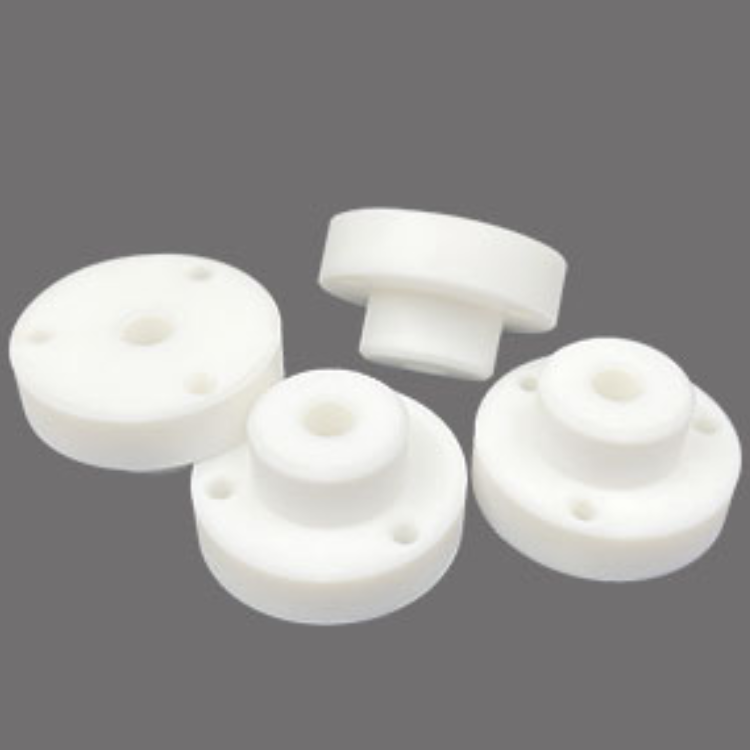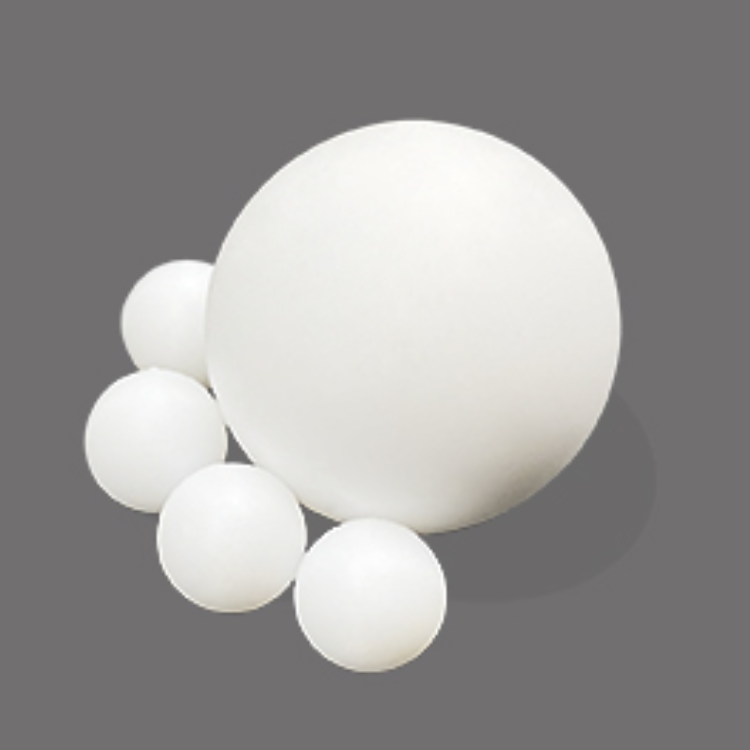

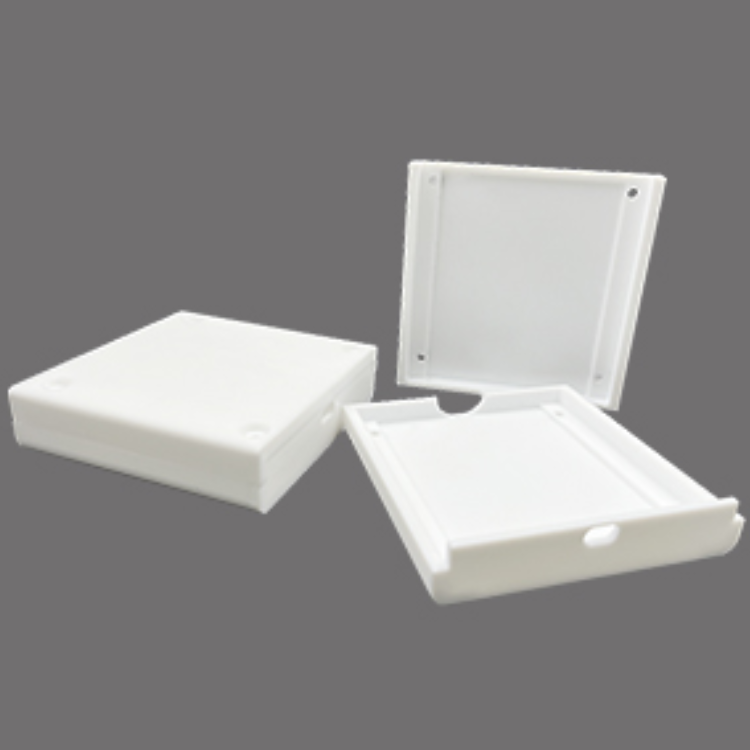


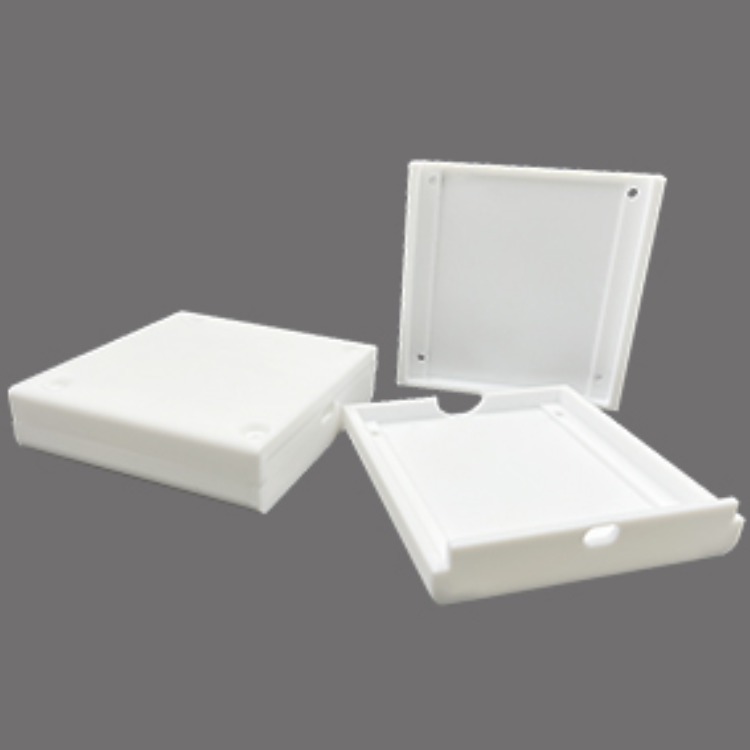


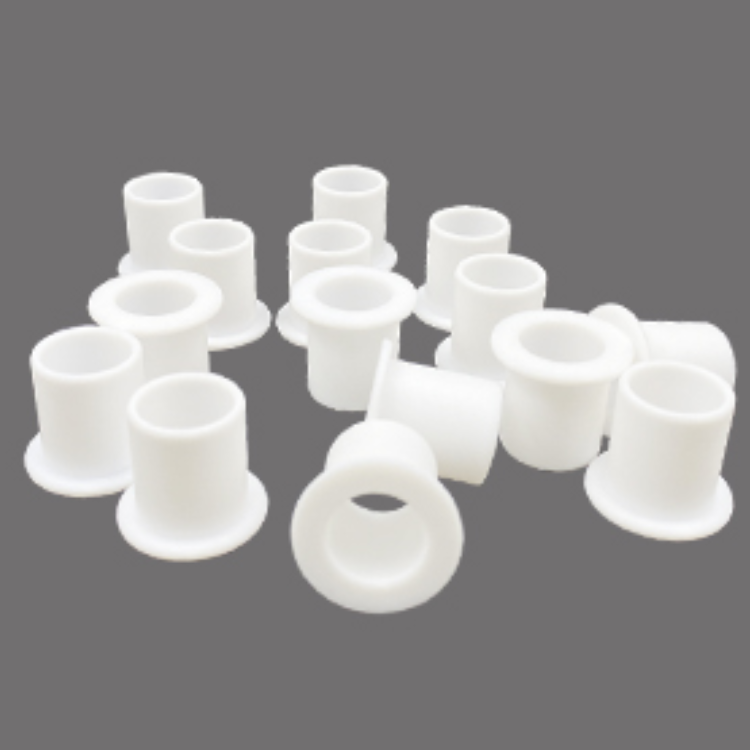
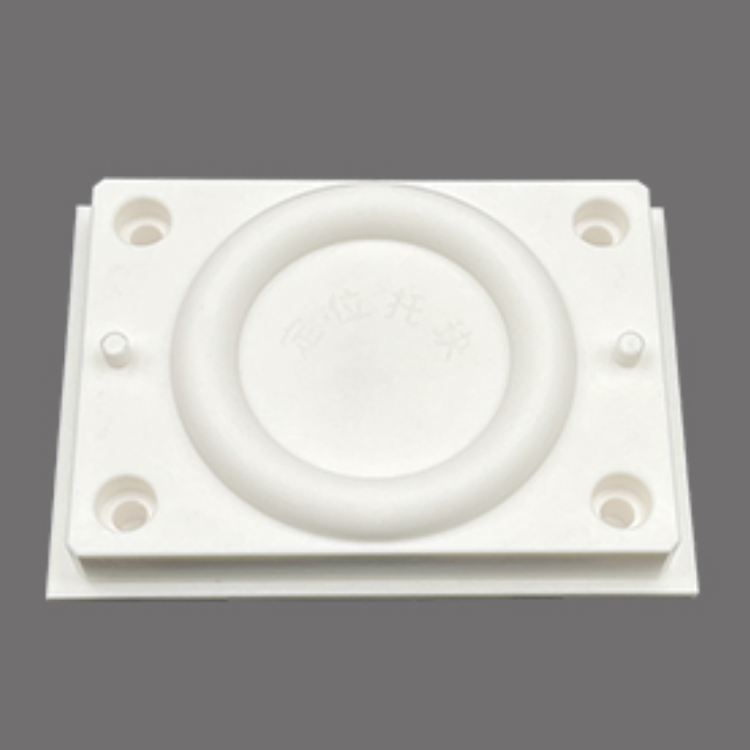
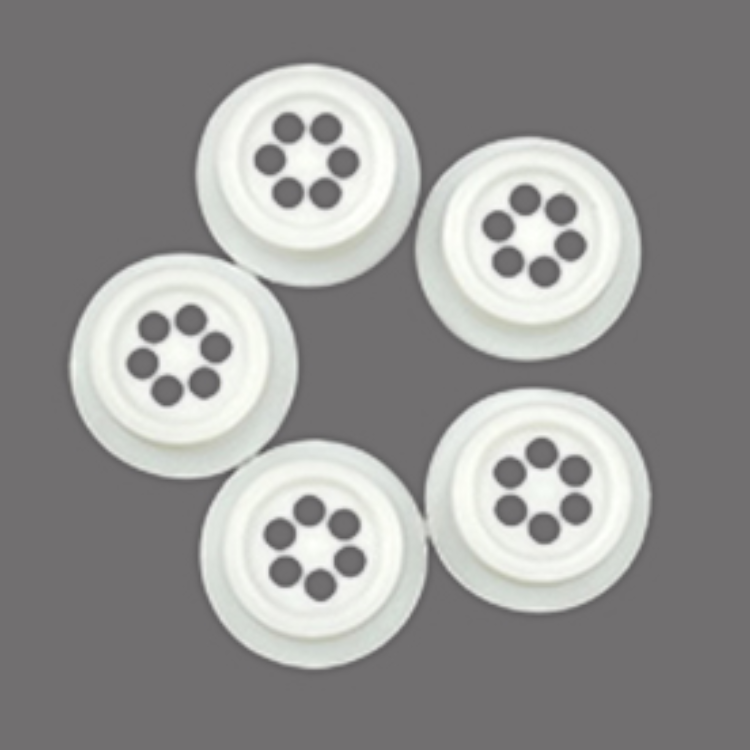
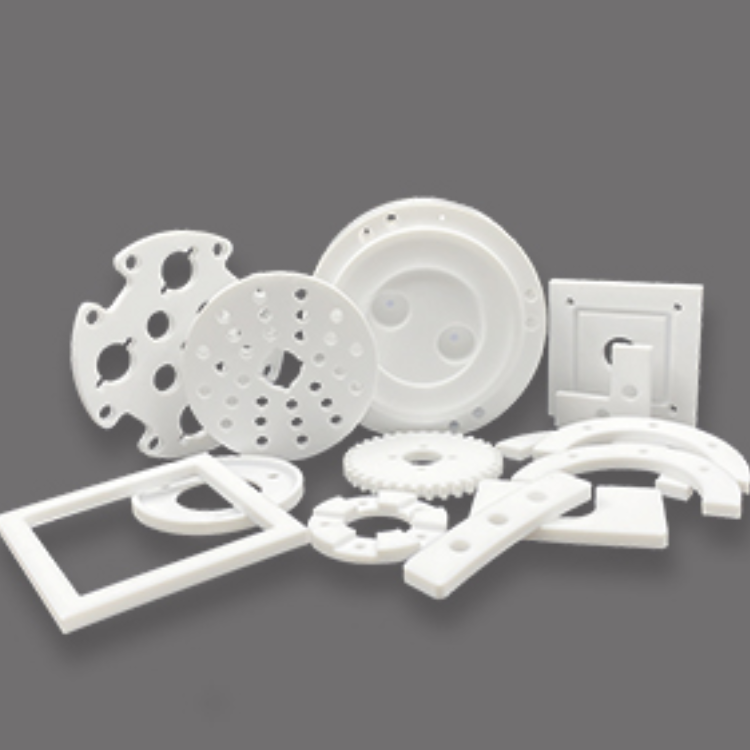





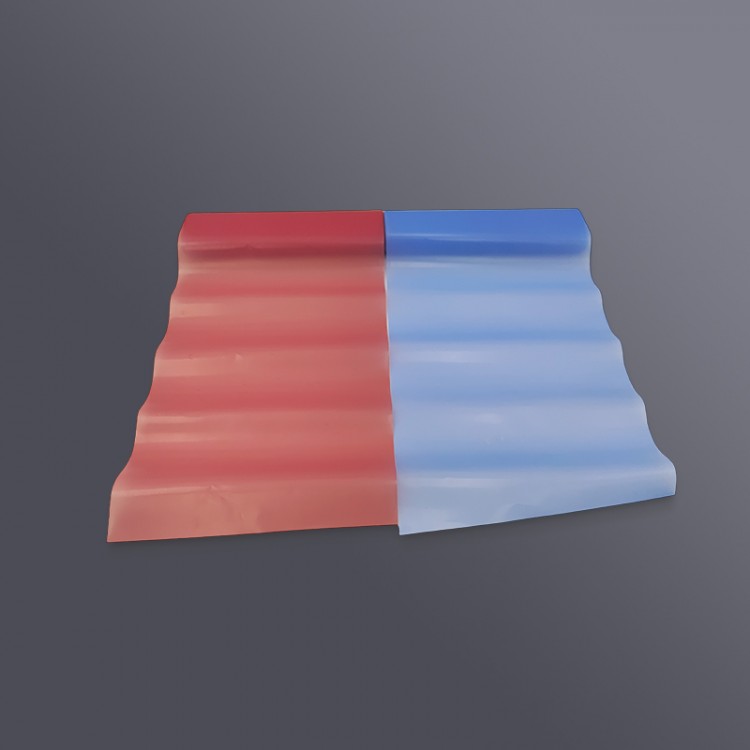
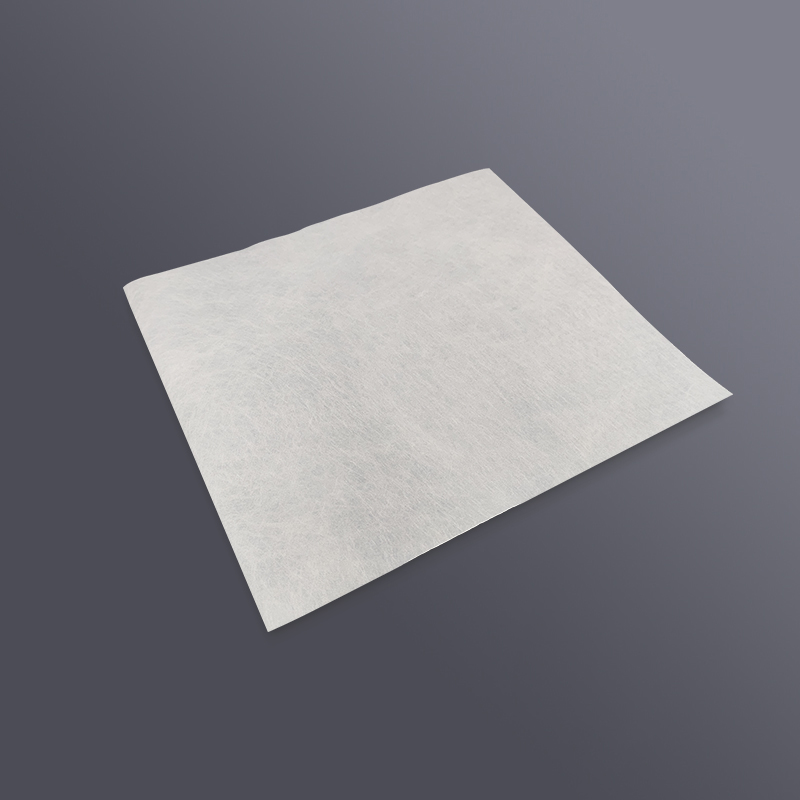
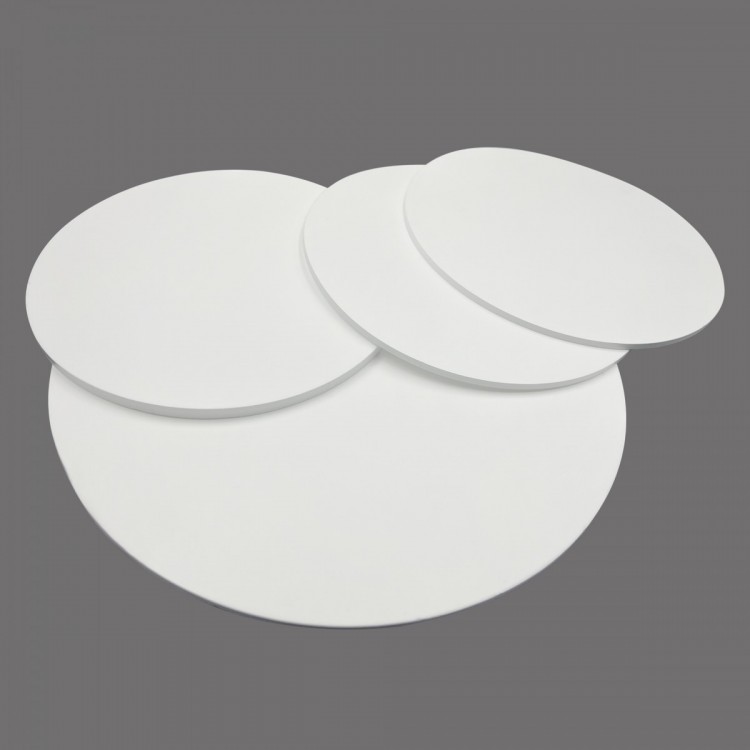

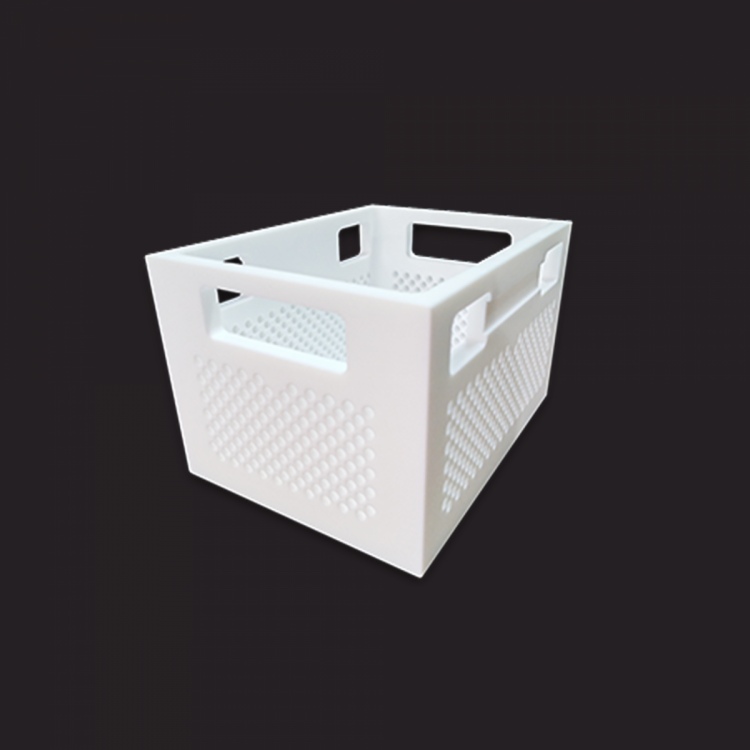
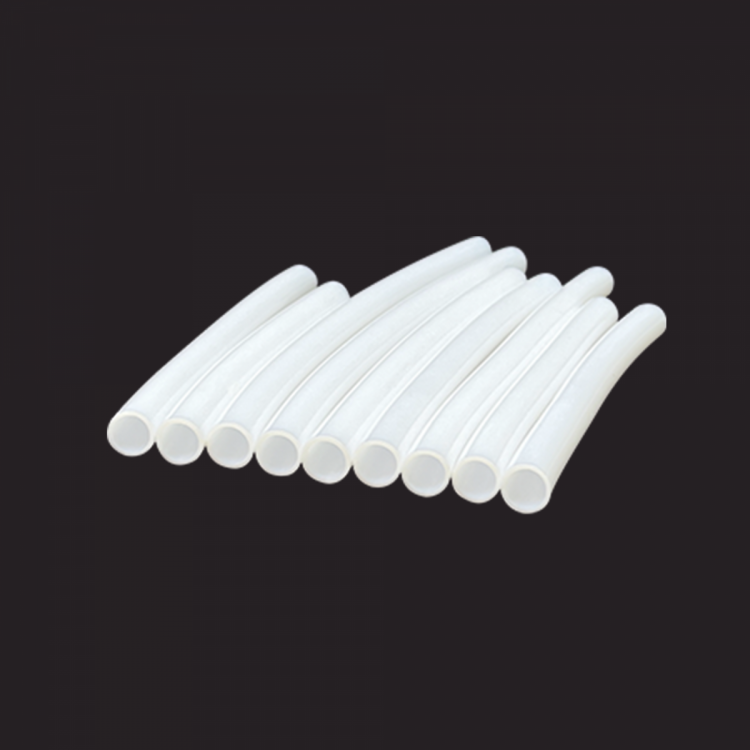
PTFE
Material Characteristics
Corrosion resistance:PTFEStrong corrosion resistance; virtually unaffected by any strong acids, alkalis, oxidizers, or organic solvents (except molten alkali metals and under high temperature and pressure conditions of fluorine). Therefore, PTFE sheets are among the most corrosion-resistant materials in the world, widely used in environments requiring corrosion resistance.
Non-stickPTFE boards have a low surface tension and do not adhere to most substances, making them particularly important in situations where avoiding material residue and contamination is crucial.
Electrical insulationPTFE sheets are excellent electrical insulators, capable of blocking high-voltage electricity, making them ideal for Class C insulation.
Processing Technology
PTFEThe processed boards are mainly manufactured through the following processes:
Compression molding processPlace PTFE powder or granules into the mold, apply pressure at room temperature or after heating to shape it into the required sheet material. The molding process offers high processing accuracy and good finished product quality, making it suitable for producing small batches of high-precision products.
Turning ProcessThe PTFE resin is processed into sheets by compression molding, sintering, and then slicing. The turning process can produce PTFE sheets with smooth surfaces and precise dimensions.
Cutting technologyCut the formed PTFE sheets to the required size and shape as needed.