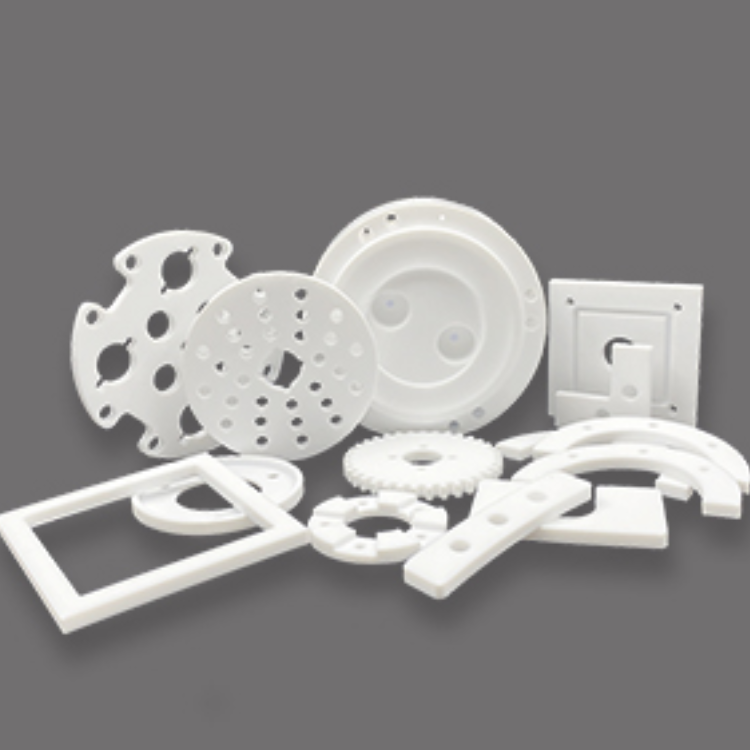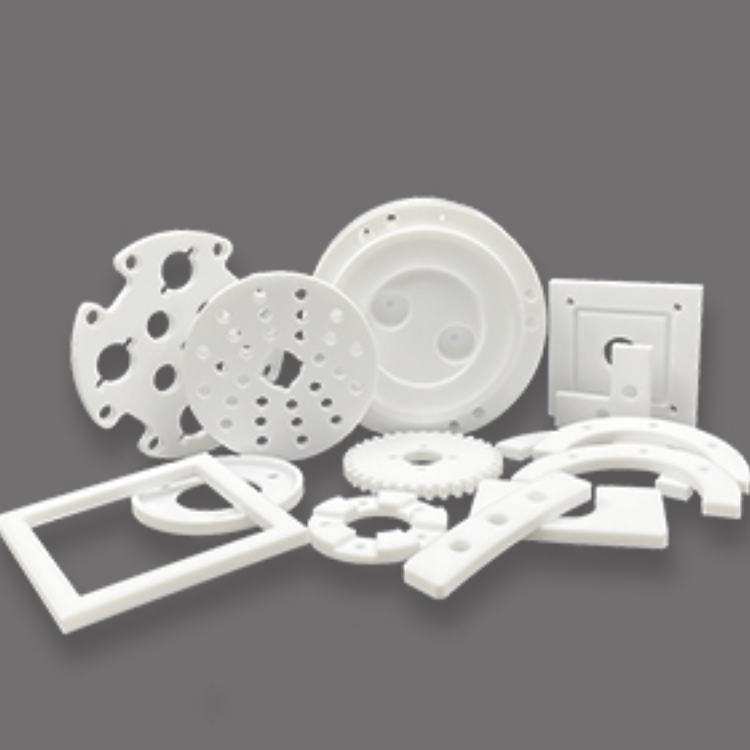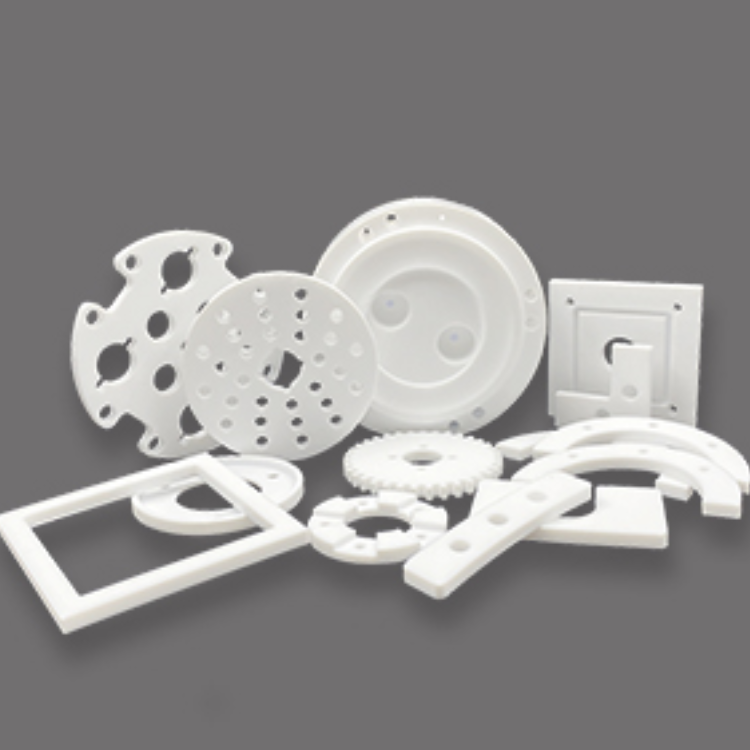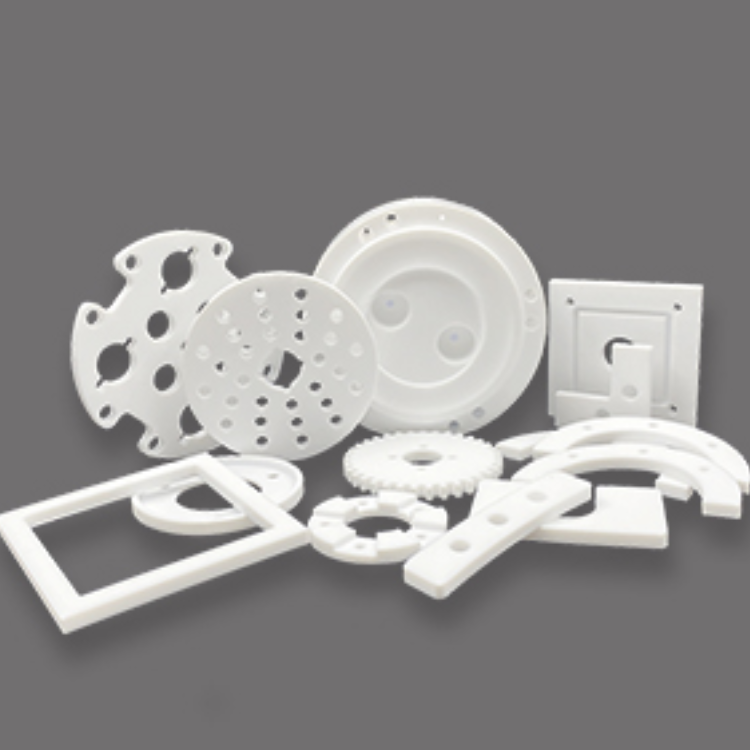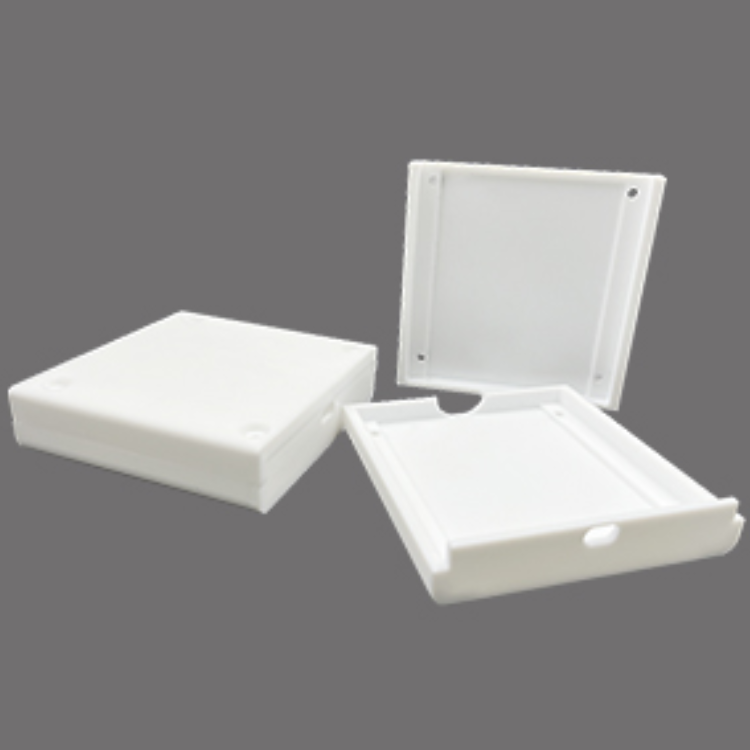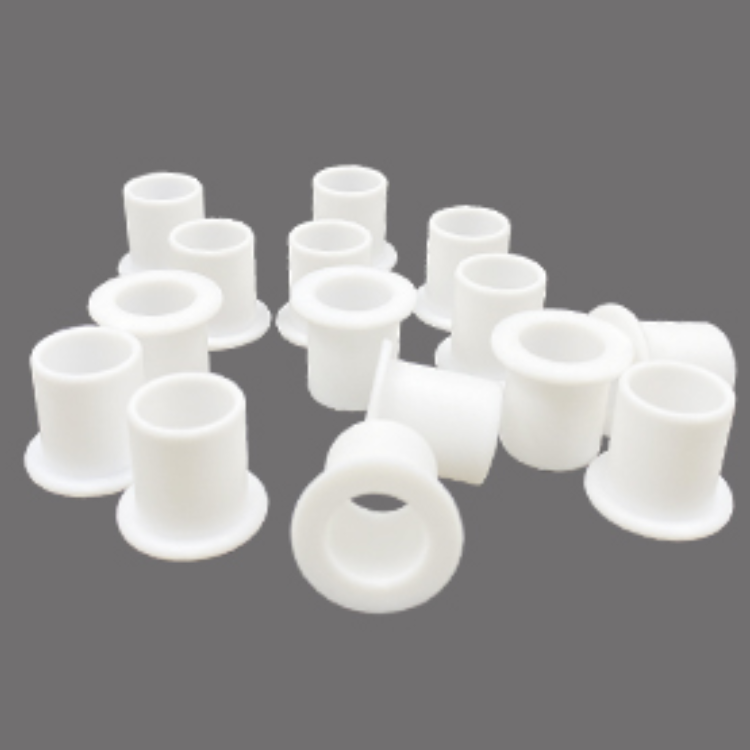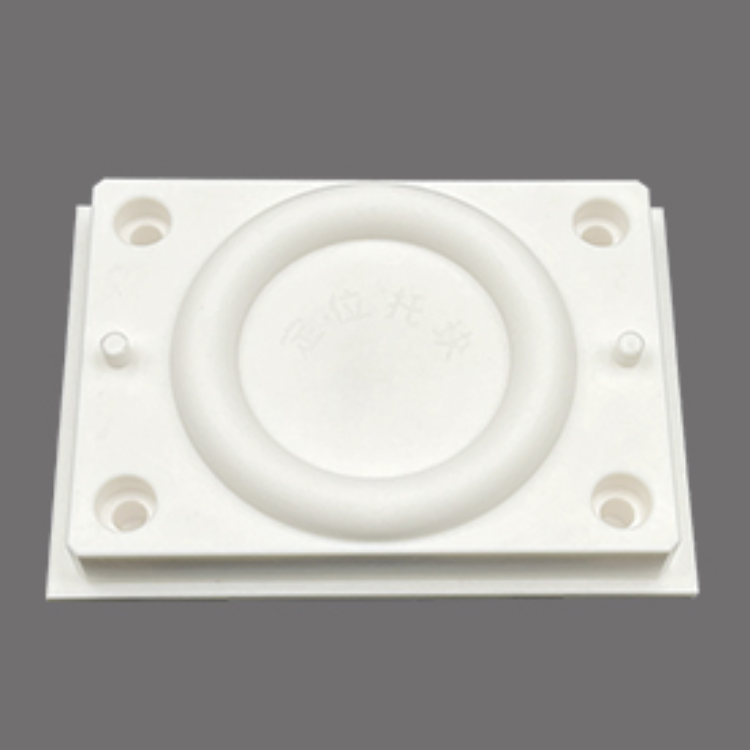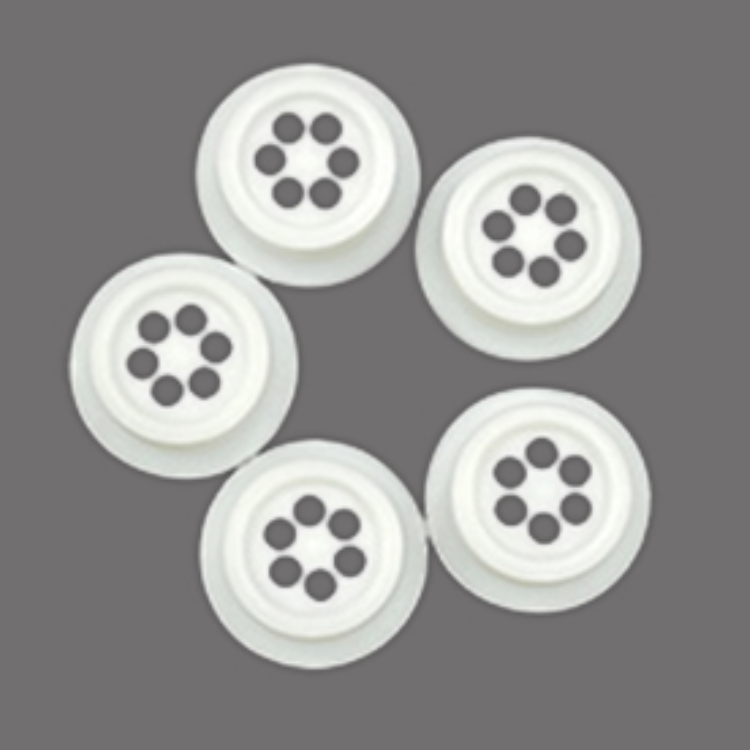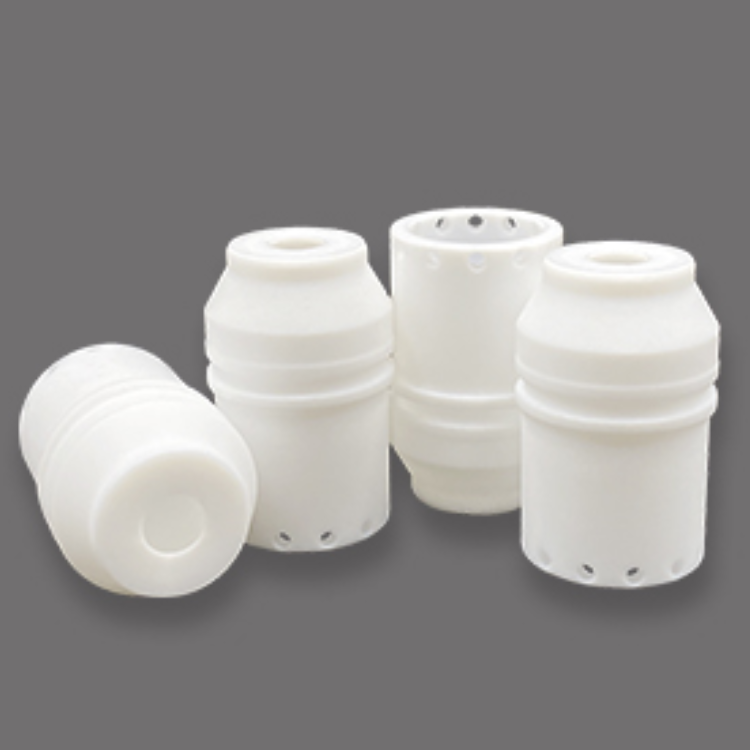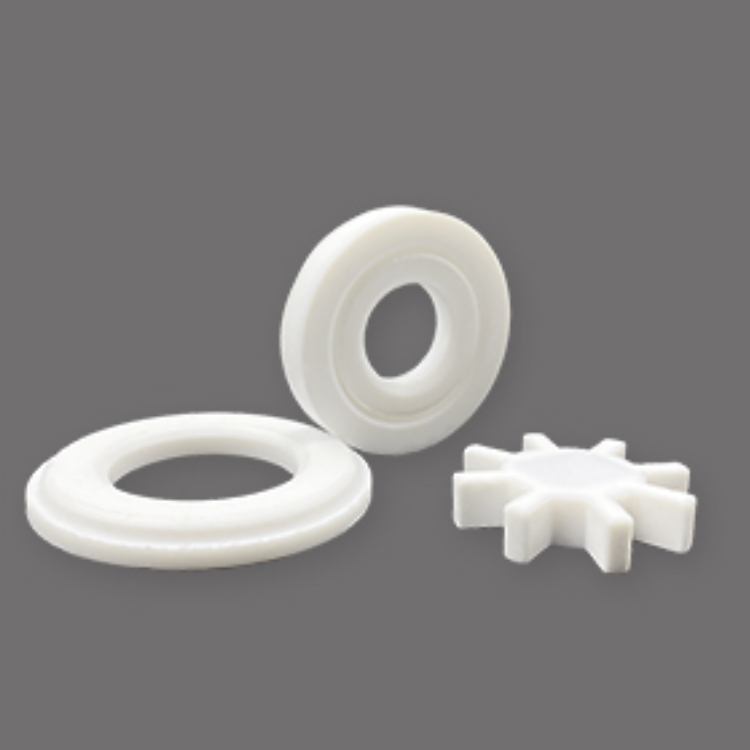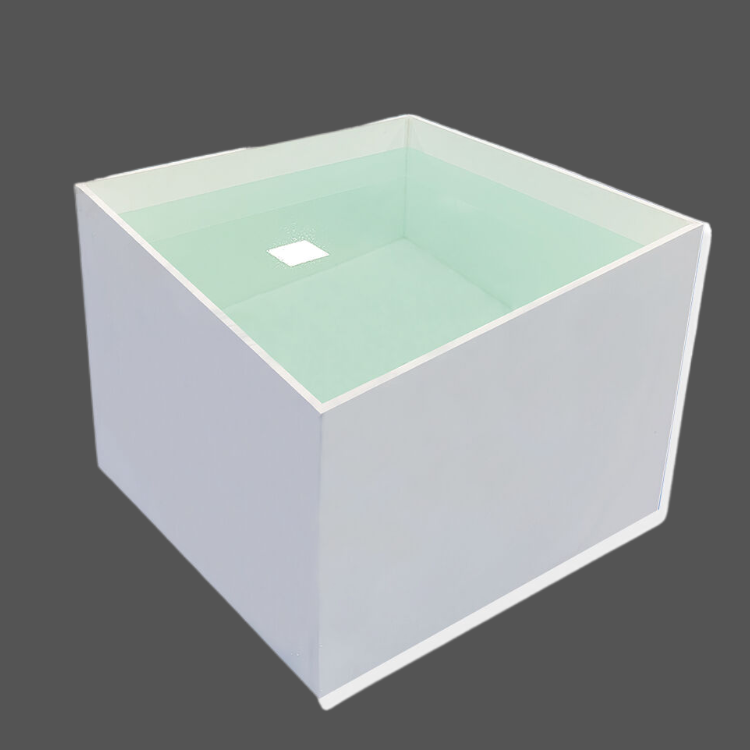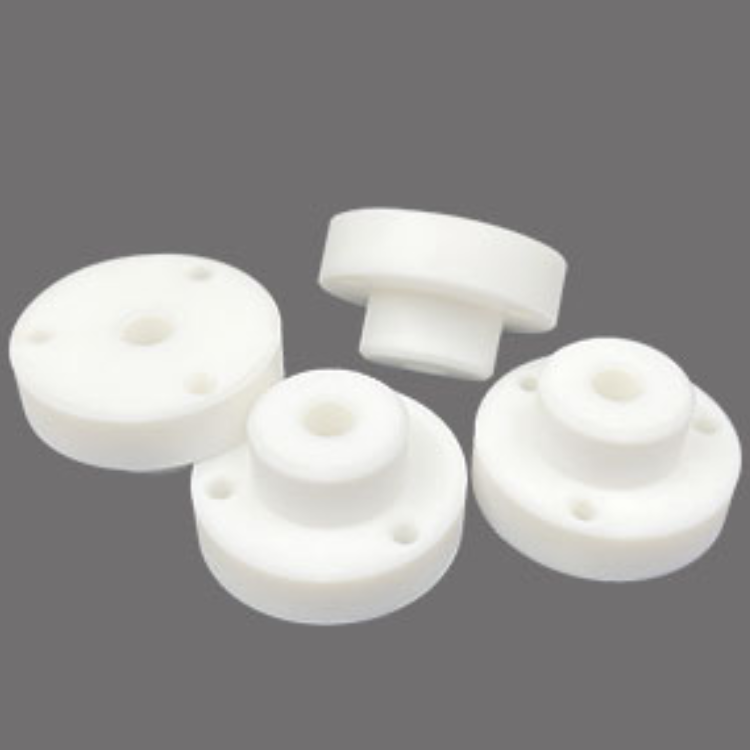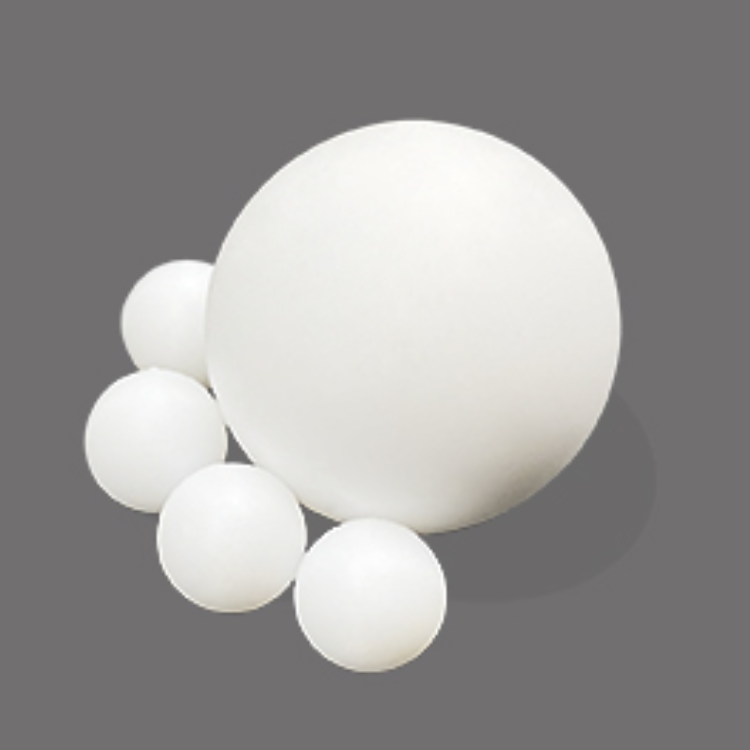

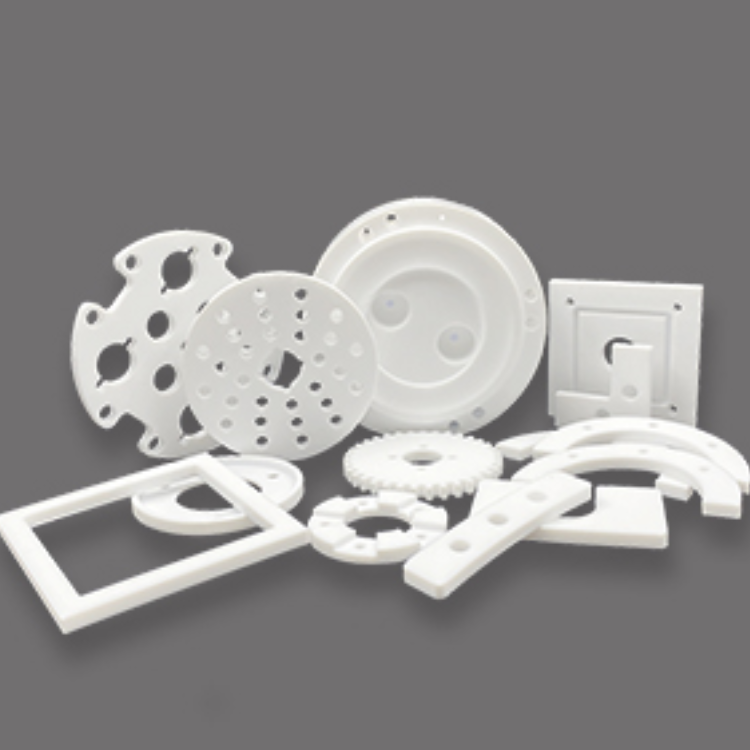

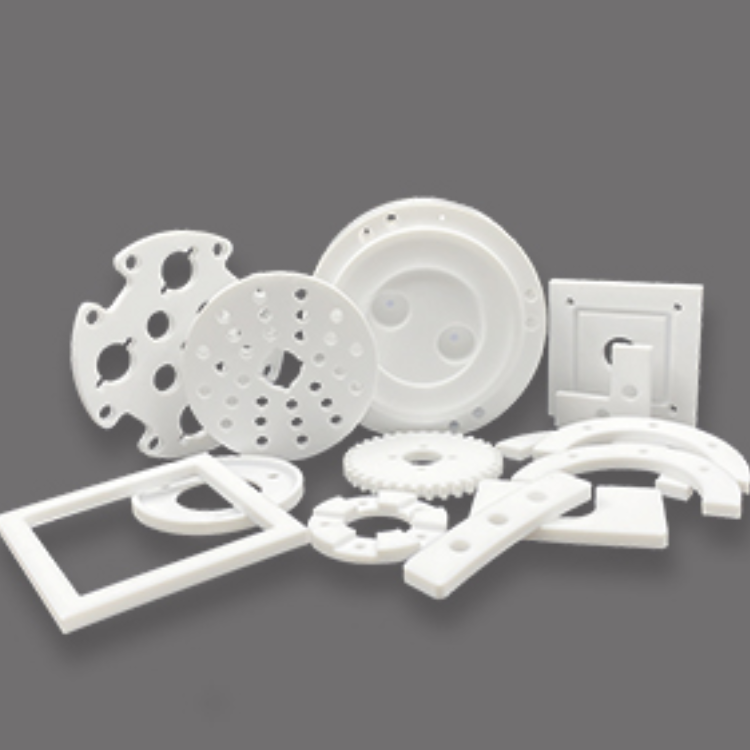
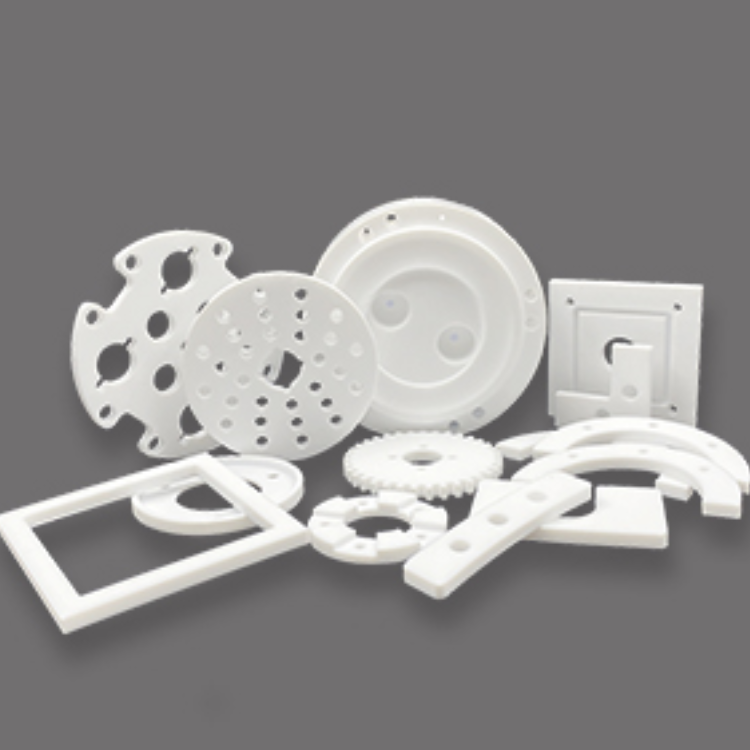
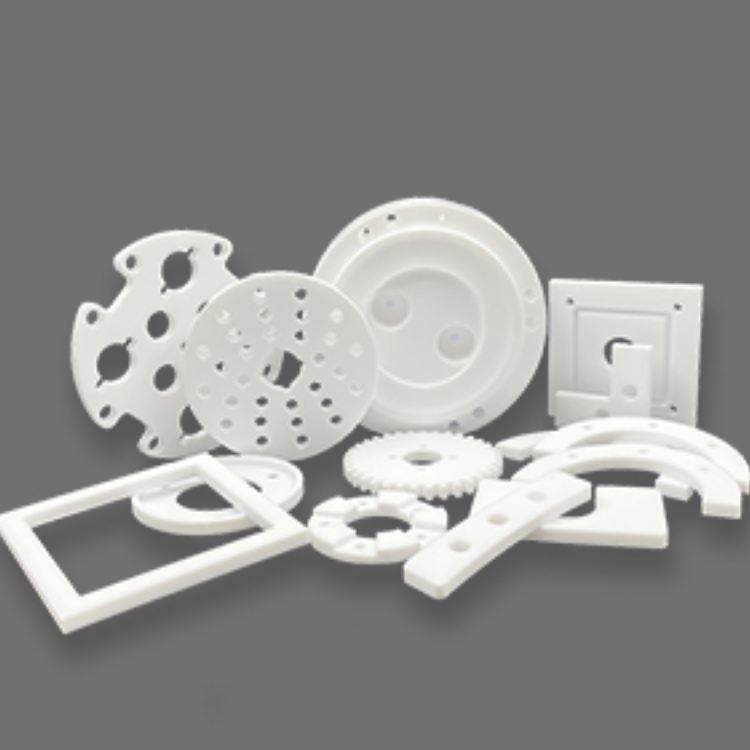


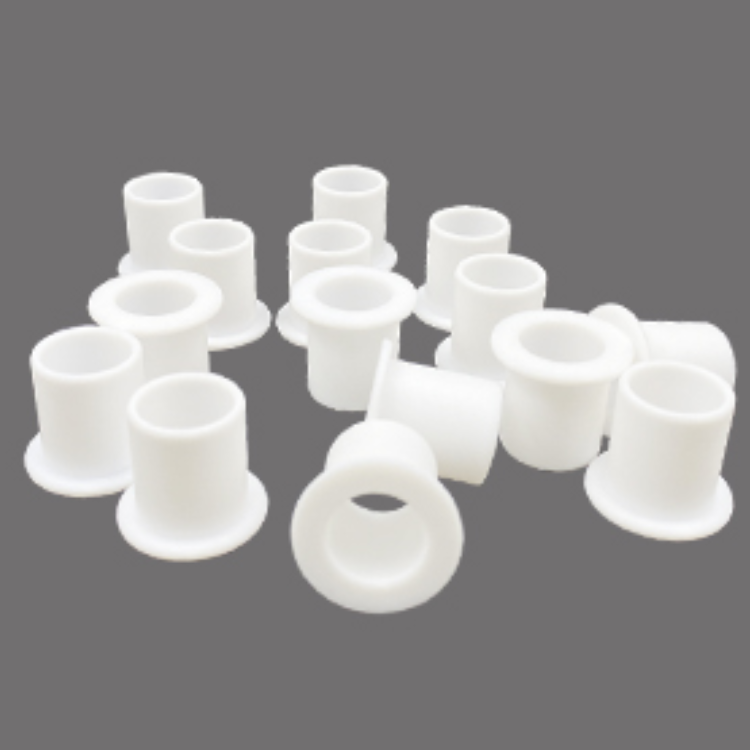
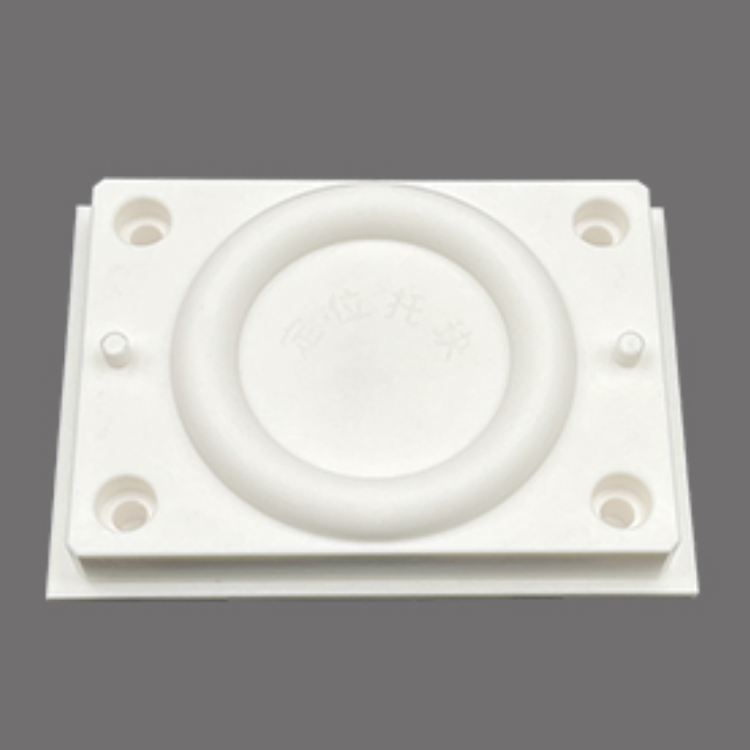






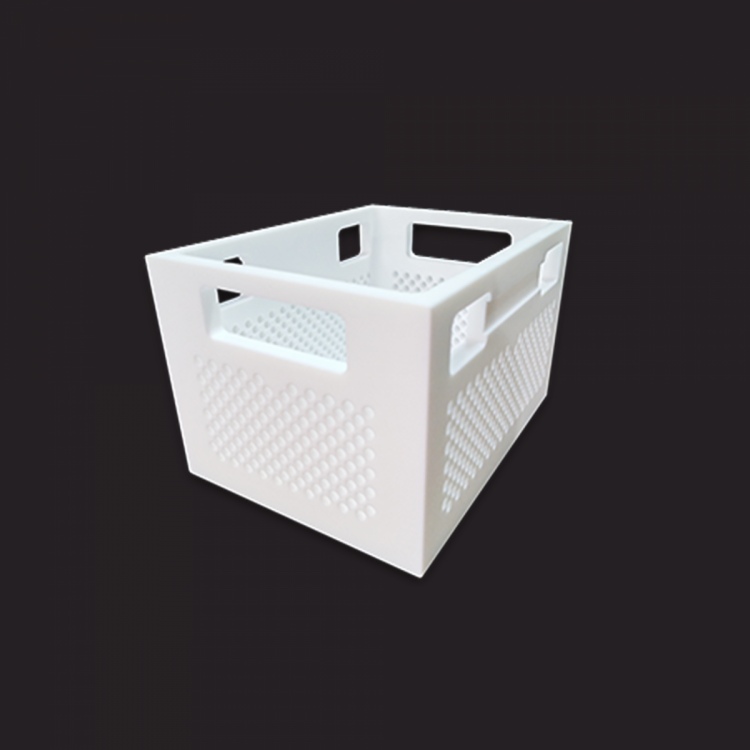
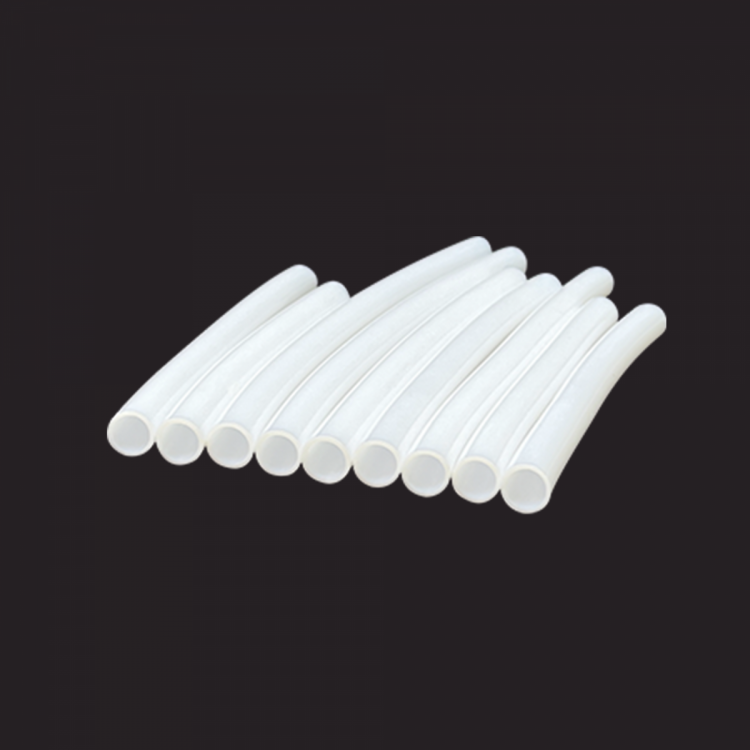
Teflon non-standard machined parts, corrosion resistance
Teflon machined parts are almost unaffected by any chemicals or solvents, including strong acids, alkalis, and most organic solvents. This strong corrosion resistance allows Teflon machined parts to operate stably for a long time in environments with corrosive media, effectively protecting components from chemical corrosion.
Non-stick
TeflonProcessed partsIt possesses a low surface tension in solid materials, almost not adhering to any substance. This non-stick property allows the PTFE processed parts to be widely used in food and medical fields, such as the coating of non-stick pans is made of PTFE material.
Insulation properties
TeflonProcessed partsHighly dielectric with volume resistivity up to 10^17 to 10^18 ohm·cm, low dielectric loss, and high breakdown voltage. This makes PTFE machined parts widely used as insulating materials in the power and electronics industries.
Excellent atmospheric aging resistance
TeflonProcessed partsExposure to the atmosphere for long periods maintains its surface and performance unchanged, boasting excellent atmospheric aging resistance.
Manufacturing Methods and Techniques
Molded processPTFE material is placed into molds and shaped into the required dimensions and form through heating and pressure. The molding process is suitable for producing large volumes of complex-shaped Teflon components.
Injection Molding ProcessMelted PTFE granules are injected into molds, cooled to form finished products. Injection molding is suitable for producing simple-shaped, low-precision dimension Teflon processed parts.
Machine processing technology: Includes turning, milling, and drilling, suitable for further precision finishing of pre-formed PTFE products to meet higher dimensional accuracy and surface quality requirements.