













Engineering plastic 3D printing services consist of three main components: molding process 3D printing materials, high-precision 3D design, and powerful molding equipment. The importance of 3D printing materials to the development of 3D printers is self-evident. Currently, the market offers over 200 types of 3D printing materials, typically with high sensitivity to heat resistance, flexibility, and stability.
As a widely used category of 3D printing materials, engineering plastics account for over 90% of commercial 3D printing materials, used in FDM machines. They primarily include thermoplastic and thermosetting materials. Common engineering plastics in current 3D printing services are mainly the following types:
1. ABS is a popular thermoplastic 3D printing material today, typically appearing in string-like shapes. It boasts good thermal fusibility and impact strength, suitable for Fused Deposition Modeling 3D printing. The advantages include high mechanical strength and stability of the printed parts. Additionally, it supports the use of soluble support materials for 3D printing and offers a variety of color options.
2. PC white engineering plastic, which can be combined with FDM 3D printing technology to produce durable models, tools, or product parts. This 3D printing material boasts superior strength, heat resistance, and impact resistance compared to PC materials, making it suitable for use as components in engineering products.
3. PA plastic 3D printing material features high mechanical strength, certain flexibility, heat resistance, and wear resistance. It has good strength properties and fatigue resistance, can withstand moderately corrosive chemicals, and is suitable for parts requiring repetitive closing, snap-fit, and vibration resistance. It also outperforms other thermoplastic materials in terms of strength and toughness.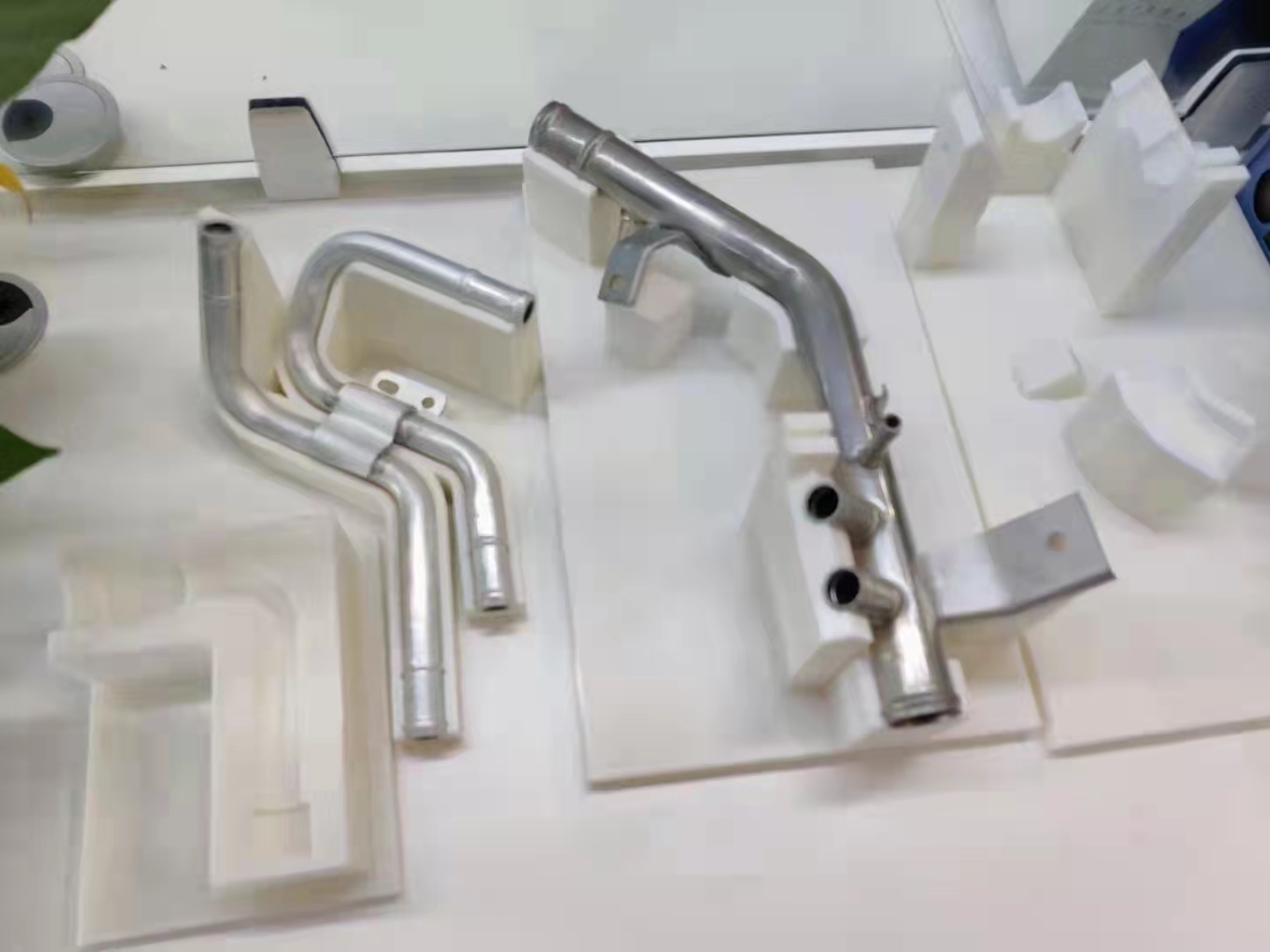
Engineering plastics, with their excellent impact resistance, chemical stability, and high-temperature resistance, can to some extent replace metals in fields such as aerospace, automotive, and industrial equipment as engineering materials. The trend of engineering plastics replacing metals is expected to deepen further in the future, to meet the manufacturing industry's demands for material properties, functions, production processes, and production costs.
Based on 3D scientific market research, engineering plastic 3D printing services can be used as an alternative to metal in various terminal industries. Particularly, as environmental regulations become more stringent, requiring vehicles to reduce emissions and improve fuel efficiency, engineering plastic 3D printing services are extensively applied in the automotive and transportation sectors. Additionally, industries such as home appliances, electrical and electronic products, packaging, and construction widely utilize engineering plastics.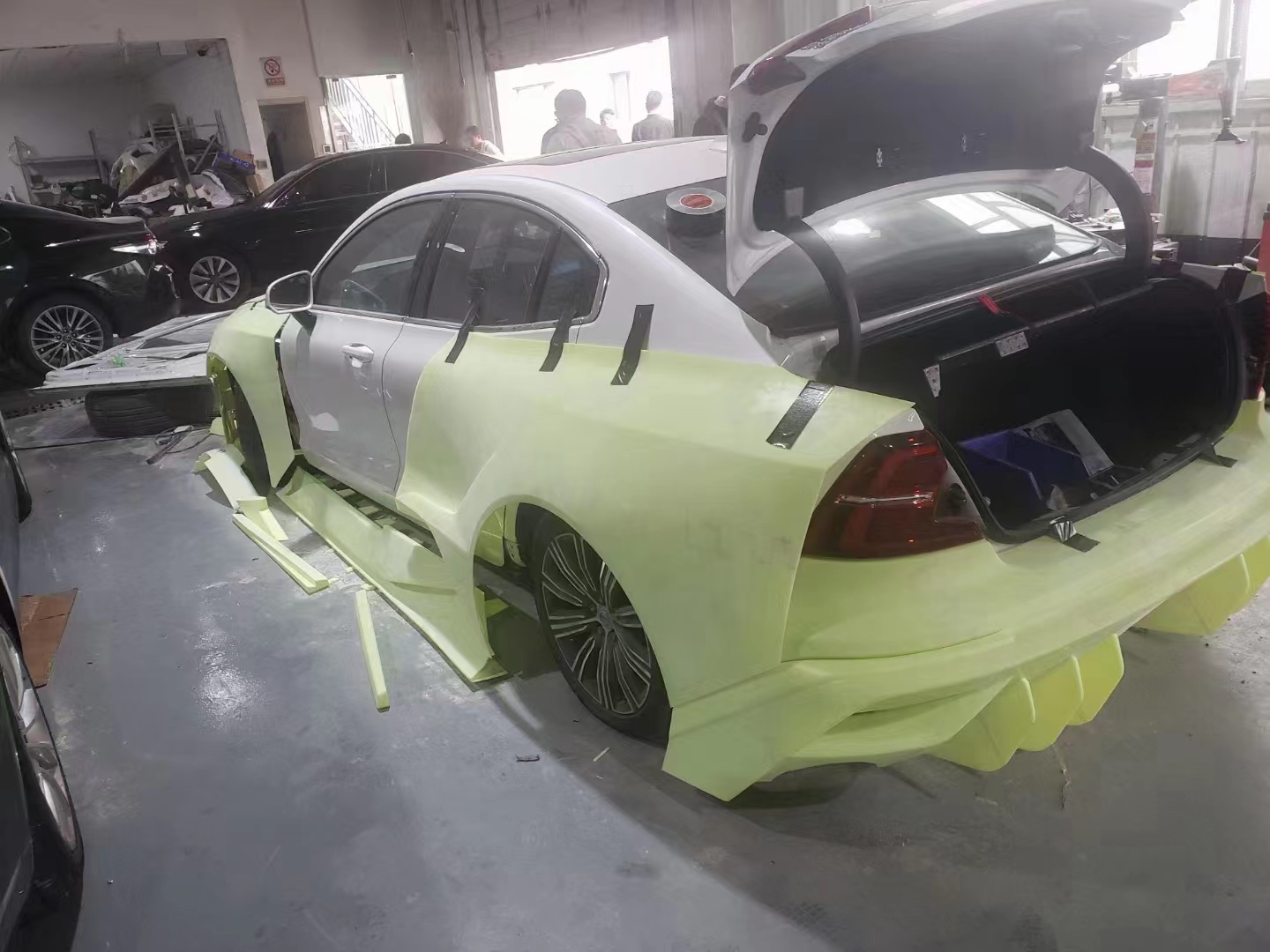
Lightweighting is a general concept. So, how can it be achieved specifically? According to 3D scientific market research, macro-level lightweighting exploration includes adopting lightweight materials such as titanium alloys, aluminum alloys, magnesium alloys, structural ceramics, engineering plastics, glass fiber, or carbon fiber composites. Micro-level lightweighting exploration includes structural design optimization to make parts more compact and miniaturized, which aids in lightweighting.
Engineering plastics 3D printing services bring feasibility to lightweighting through structural design. In the material field, replacing metals with engineering plastics is also a way to achieve lightweighting.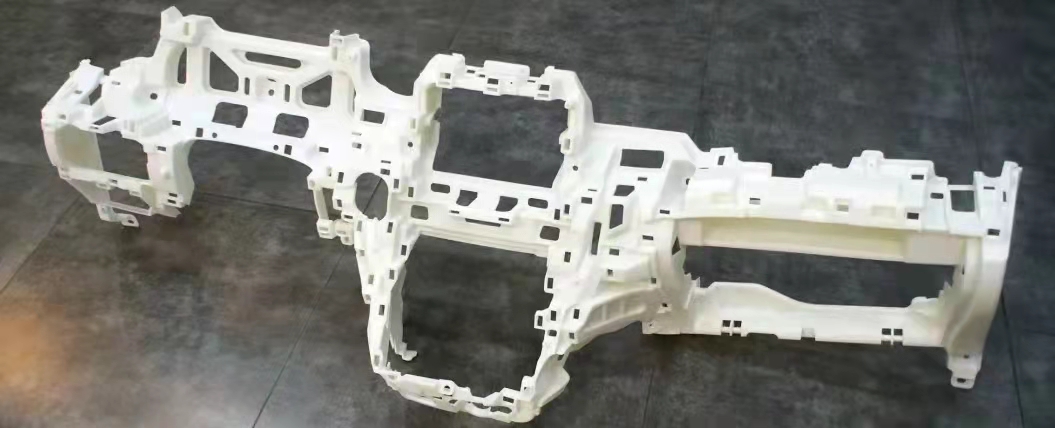
Engineering plastic 3D printing services require only uploading the 3D model file to the 3D printer and then proceeding with the printing, making the entire process more efficient, quick, and simple. When 3D printing models with plastic materials, we know that the printed models will have supports and fine layer lines on the surface that need to be removed and polished. Additionally, for users with specific industry needs, post-processing work such as polishing, sandblasting, painting, electroplating, printing, and laser engraving is required. From concept to prototype design and production, engineering plastic 3D printing services are highly beneficial at every step of the product development process.
We adhere to the business philosophy of "Faith as the Sky, Sincerity as the Foundation," providing enthusiastic and excellent service to ensure customer satisfaction. We uphold the quality policy of "People-oriented, Sincerity in Trust, Quality in Victory, Innovation in the World" and the corporate spirit of "Being upright in character and steadfast in our work."
WeChat Official Account

Scan to follow Official Account




















