








Volatile stamping oil is a fully synthetic water-soluble stamping oil (also known as stamping film oil) that can also serve as a lubricant for extrusion, pressing, tube drawing, and other plastic forming operations. This product utilizes a new technology lubricant enhancer, completely free of chlorine and sulfur components, significantly enhancing the product's performance. Volatile stamping oil is particularly suitable for high-intensity operations such as punching, stamping, threading, and slotting. It is also highly applicable in plastic forming processes. The product contains refined oiliness agents, rust inhibitors, and various additives, offering good hydrophilicity and workability, as well as excellent mold protection properties.
How to choose stamping oil?
Selecting silicon steel sheet for stamping materials is an easy-to-cut material. Most requirements call for the attached oil film to dry quickly after cutting. At the same time, to prevent burrs from forming on the stamped products and to extend mold life, the chosen stamping oil should have high viscosity, short drying time, and not produce carbon after annealing, as well as good rust prevention.
Carbon steel mainly selects the appropriate viscosity of stamping oil based on the ease of processing.
2. Stainless steel sheets are prone to work hardening, requiring a high oil film strength and good anti-sintering lubricant. The lubricant must have high viscosity and good cooling properties.
3. Aluminum and aluminum alloys cannot be used with stamping oils containing chlorine or sulfur additives; they require a neutral pH stamping oil.
4. Copper and copper alloys must not be used with oil containing sulfur; instead, choose stamping oils with good oiliness and lubricity.
5. Tinplate with non-chloride stamping oil, to prevent white rust.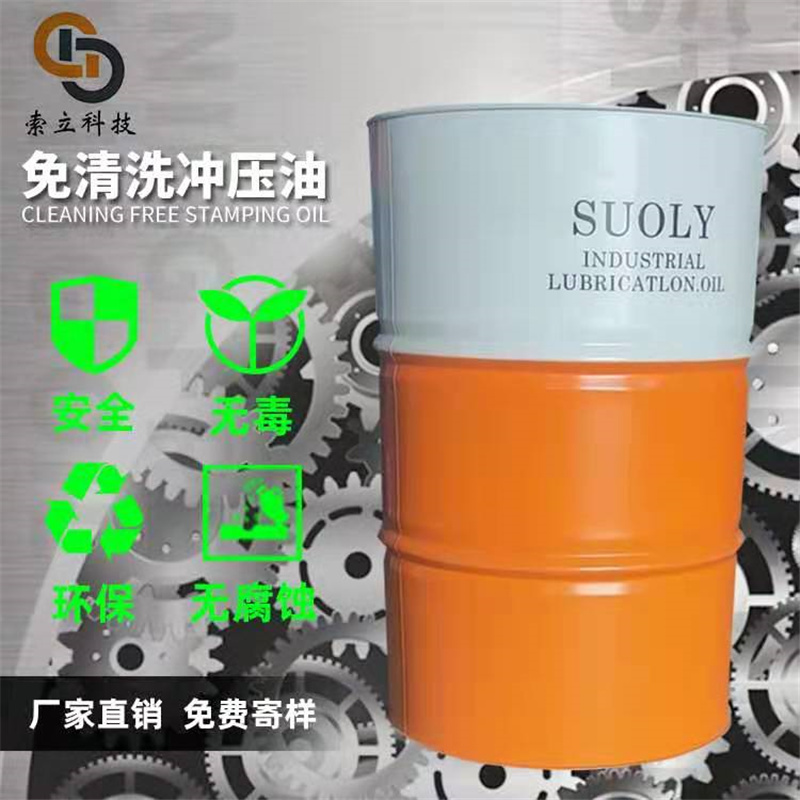
Cooling properties of stamping and stretching oil
Many factors cause heat during stamping processing, including frictional heat between molds and materials and heat from plastic deformation of the material, all manifesting as processing heat. Particularly when processing complex shapes or materials with high resistance to plastic deformation, more heat is generated. If this heat is not removed or suppressed during prolonged continuous processing, it accumulates on the mold, causing the mold temperature to rise further, leading to further expansion and a reduction in the gap between the punch and die. This results in increased friction and stress on the material, localized high temperatures, and ultimately, the failure of the lubricating film, leading to issues like sintering, scratching, and cracking. In such cases, using water-soluble stamping oils can suppress the generated heat, especially in high-speed continuous action processing and high-speed continuous automated processing fields, as well as in deep drawing of stainless steel or high-speed processing of cans, where coolants with good water solubility are commonly used.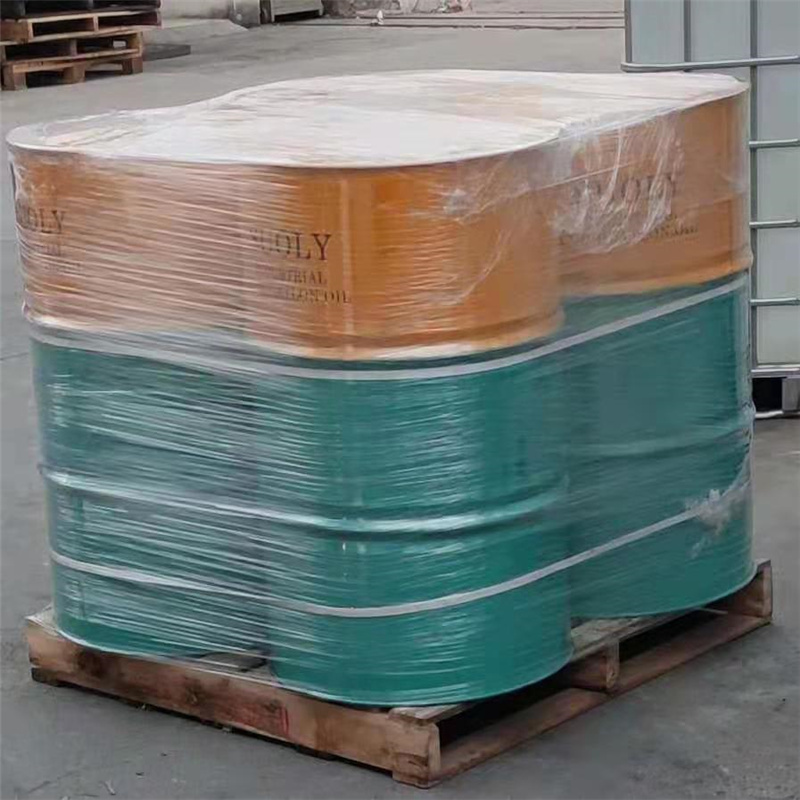
Oil welding properties of the extruded oil:
To streamline processes and enhance production efficiency, it is required that the drawing oil possesses the property of being oil-weldable without the need for cleaning. Sometimes, due to the adherence of drawing oil, rust can form at the welding site. Certain oils can produce harmful gases and affect welding strength during the welding process. When oil-welding after stamping without encountering the aforementioned issues is crucial for the drawing oil.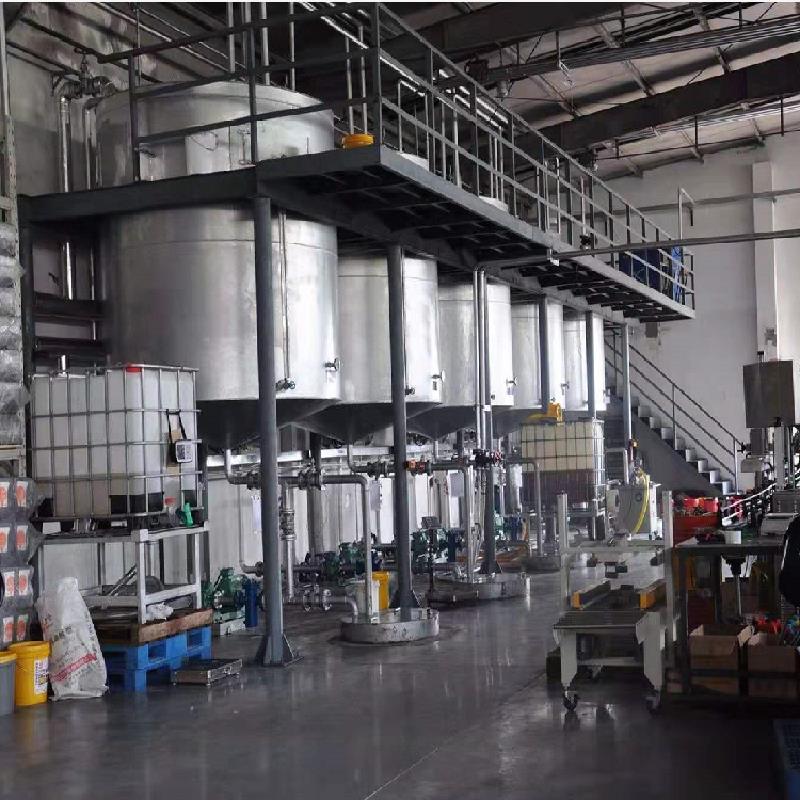
Important Reminder:
Due to the frequent fluctuations in the prices of chemical raw materials recently, our website quotes are not accurate. Please call or contact us online before placing an order. We apologize for any inconvenience this may cause!
2. For product packaging specifications and shipping costs, please call Manager Jiang for inquiries.
We offer free samples, welcome to call for inquiries!
WeChat Official Account

Scan to follow Official Account













