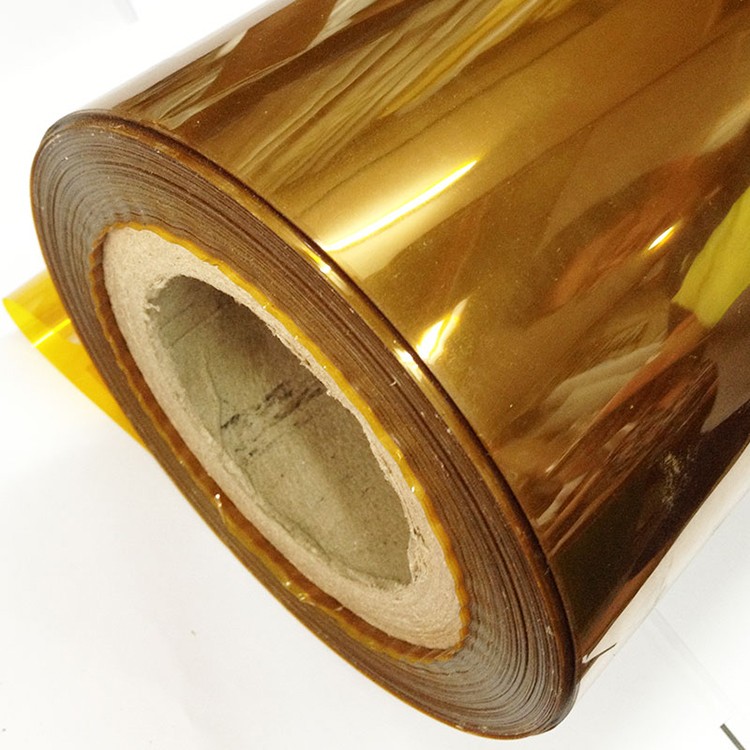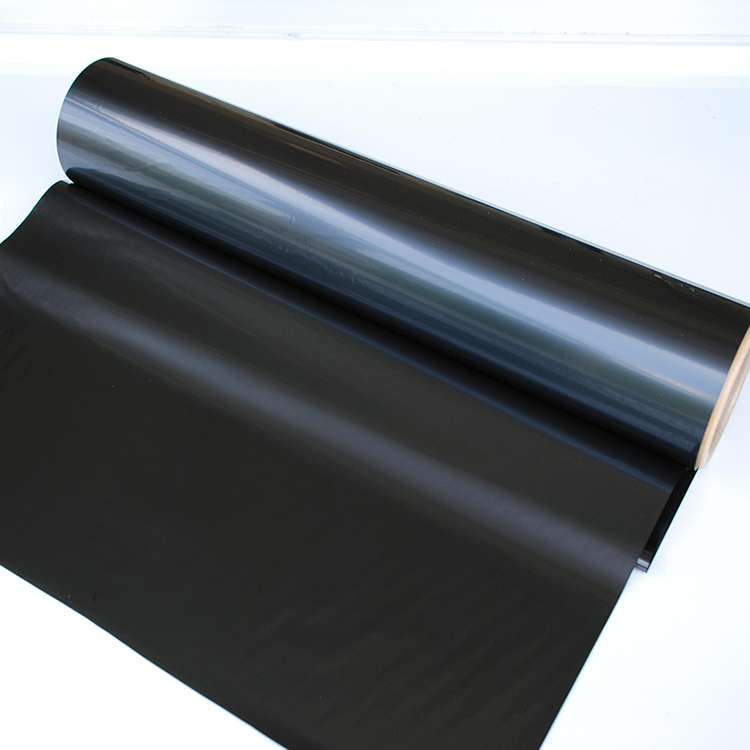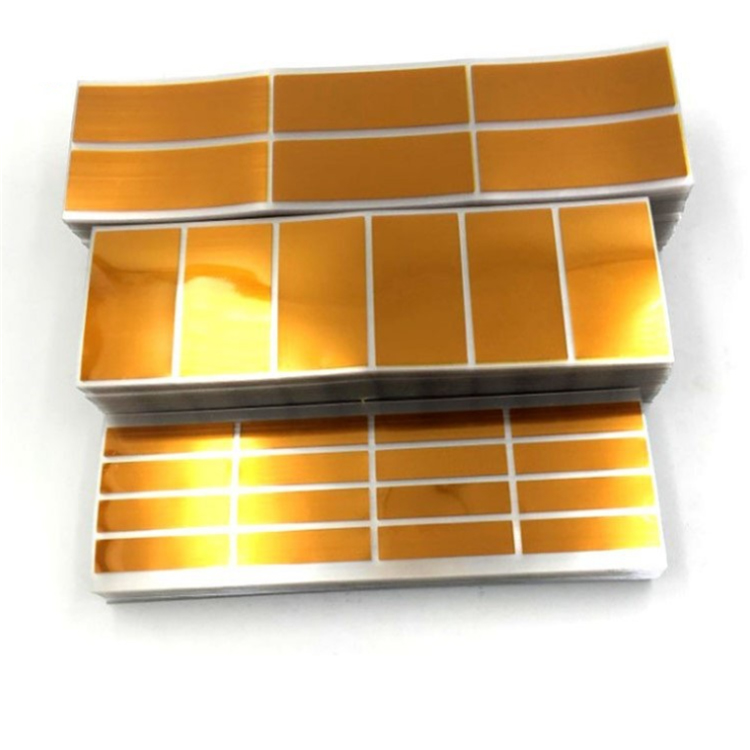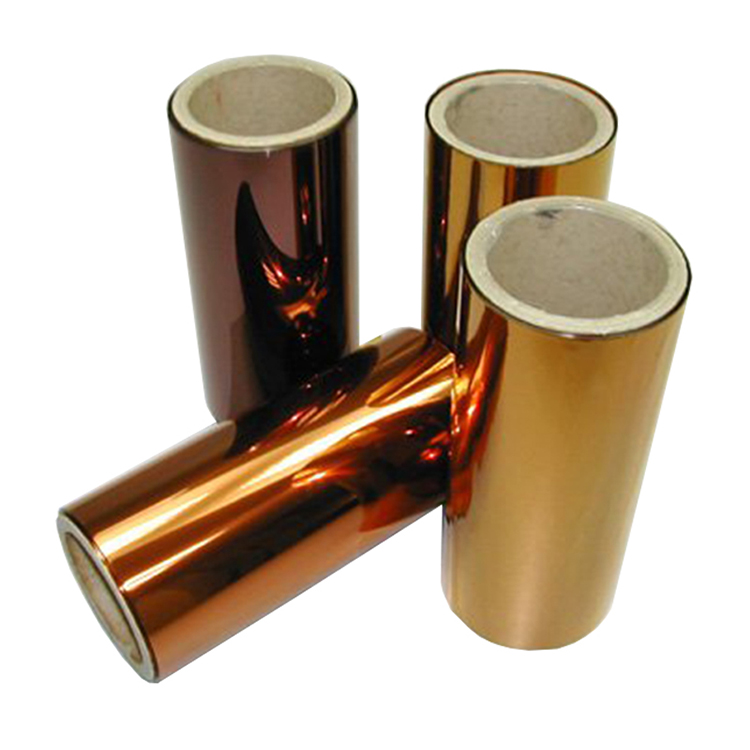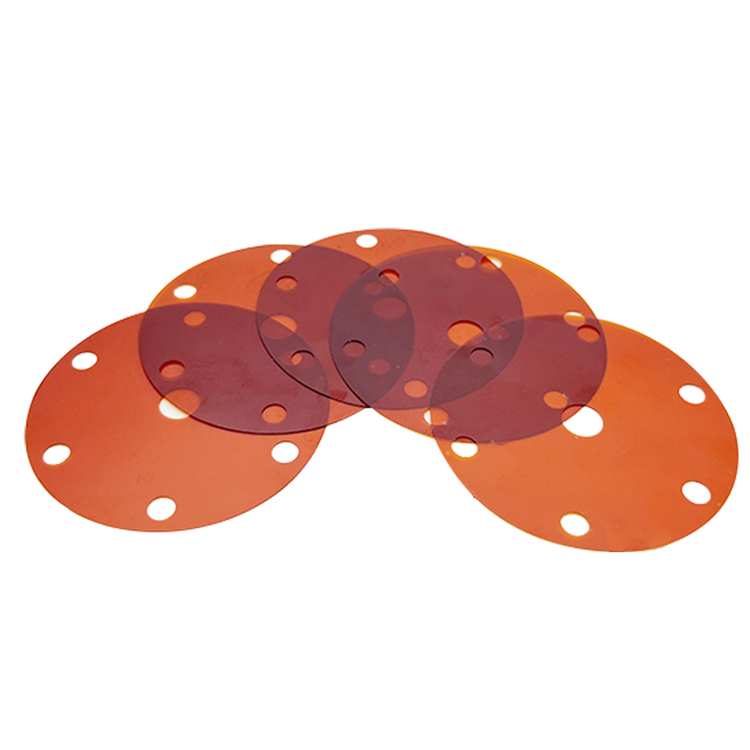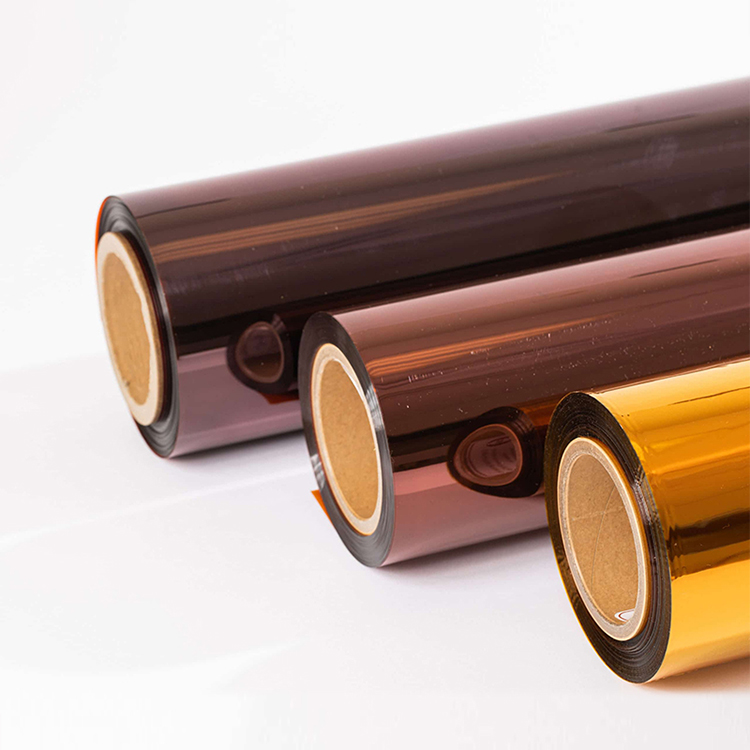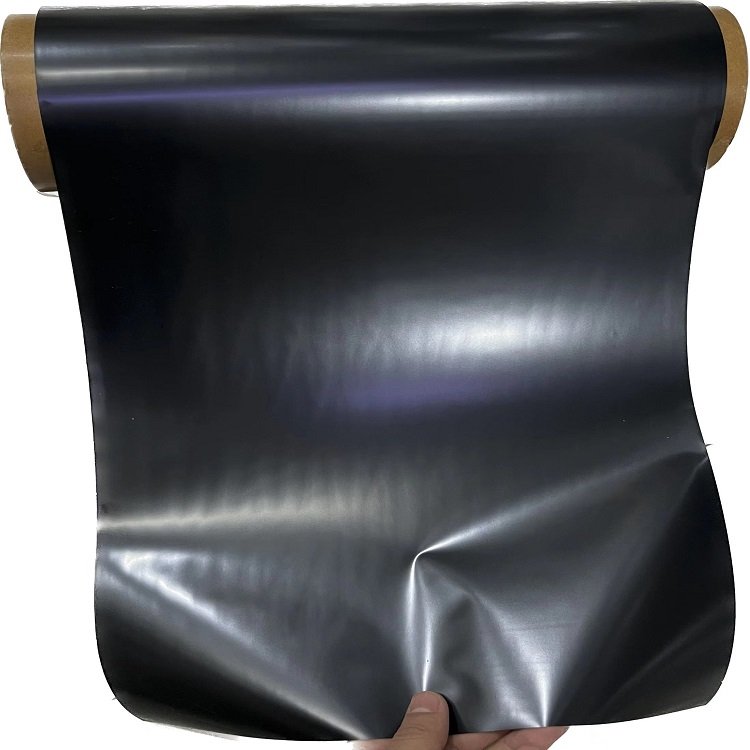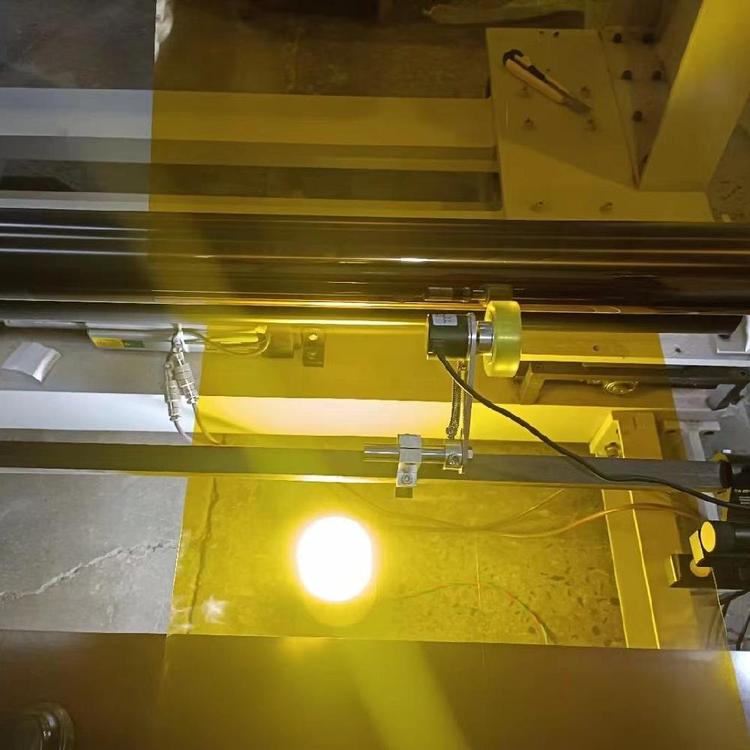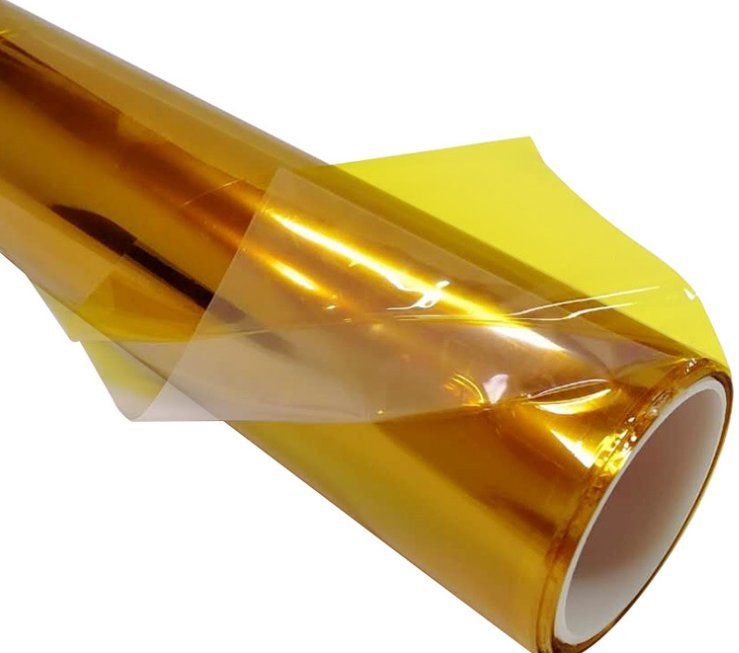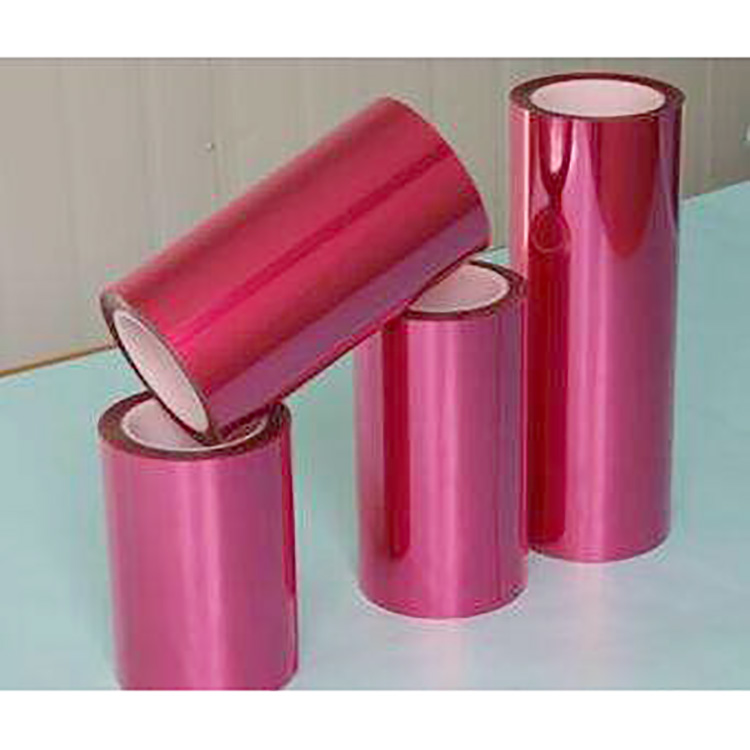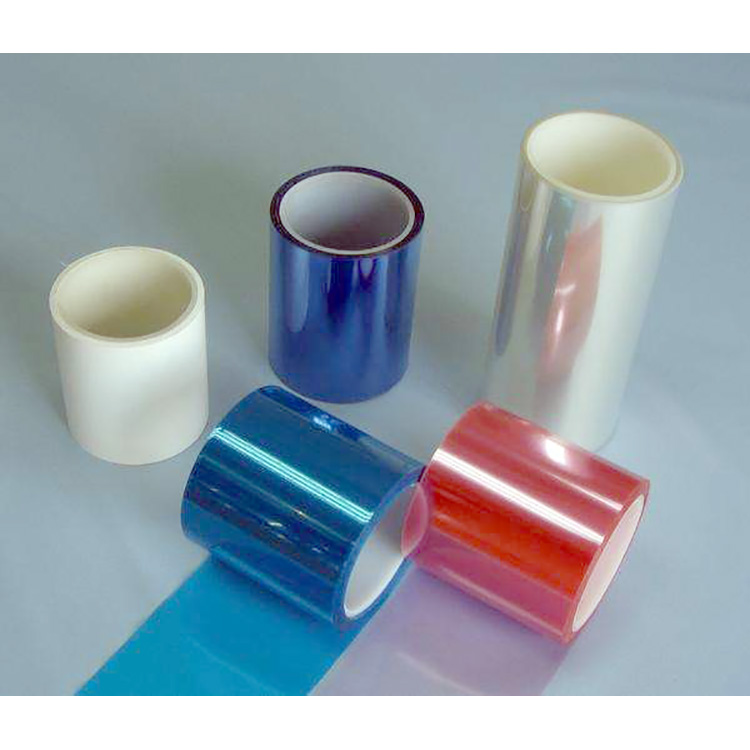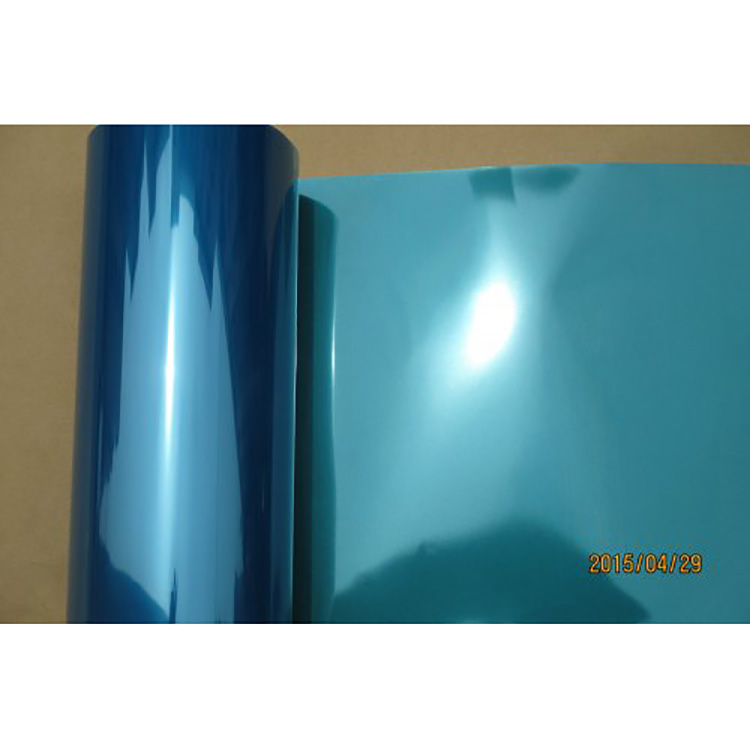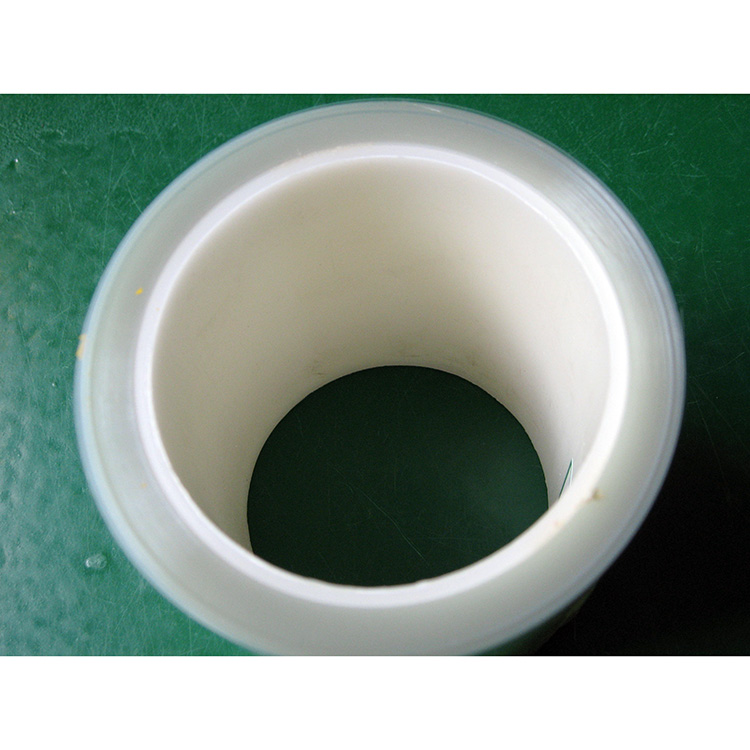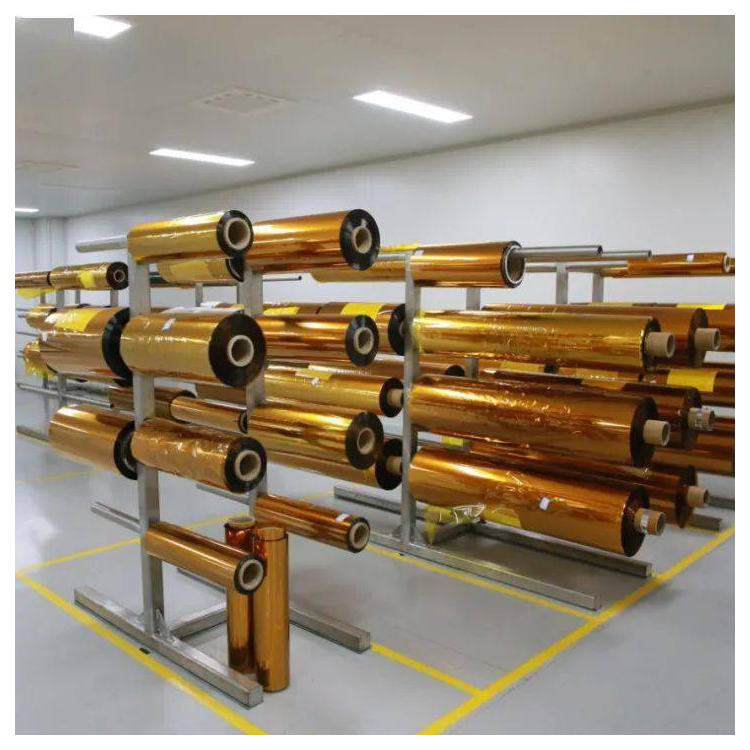

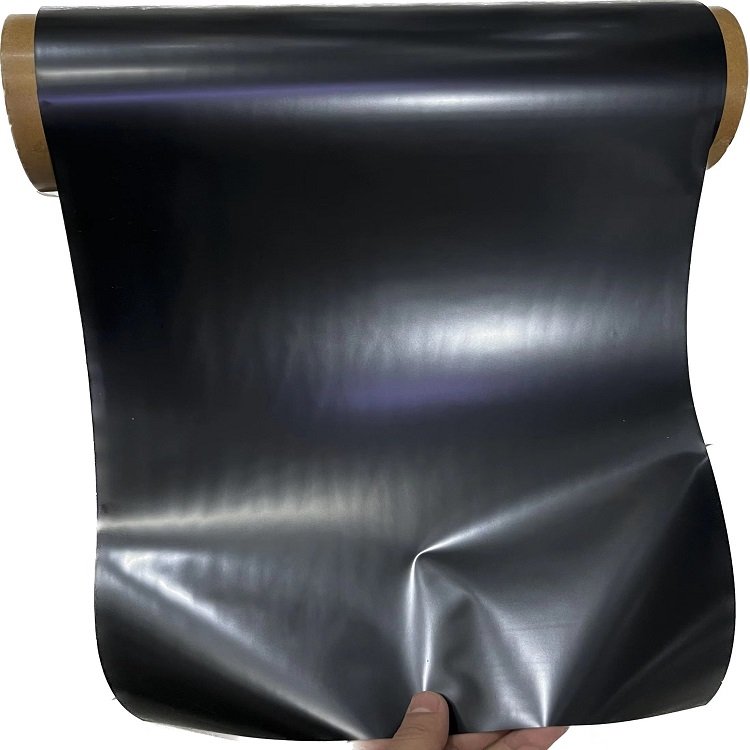


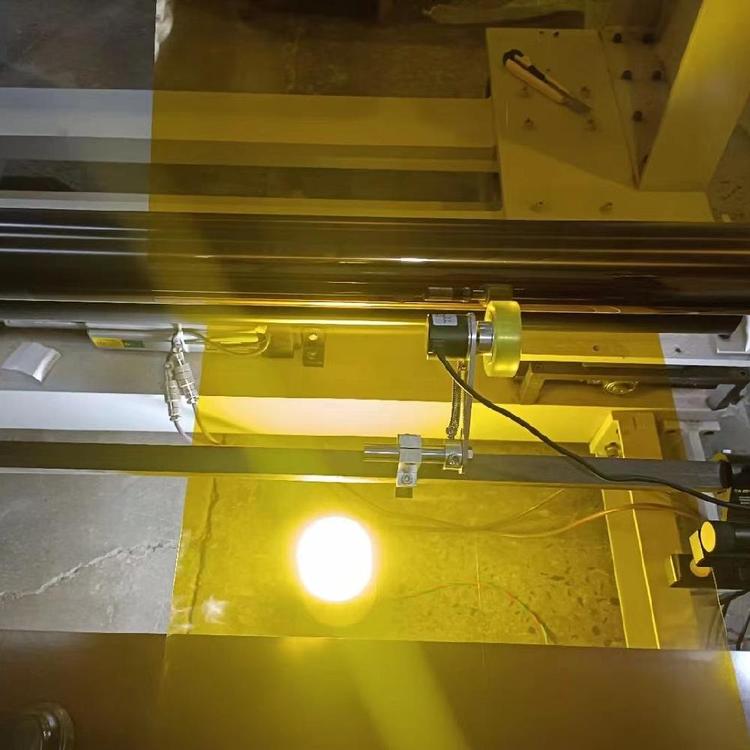
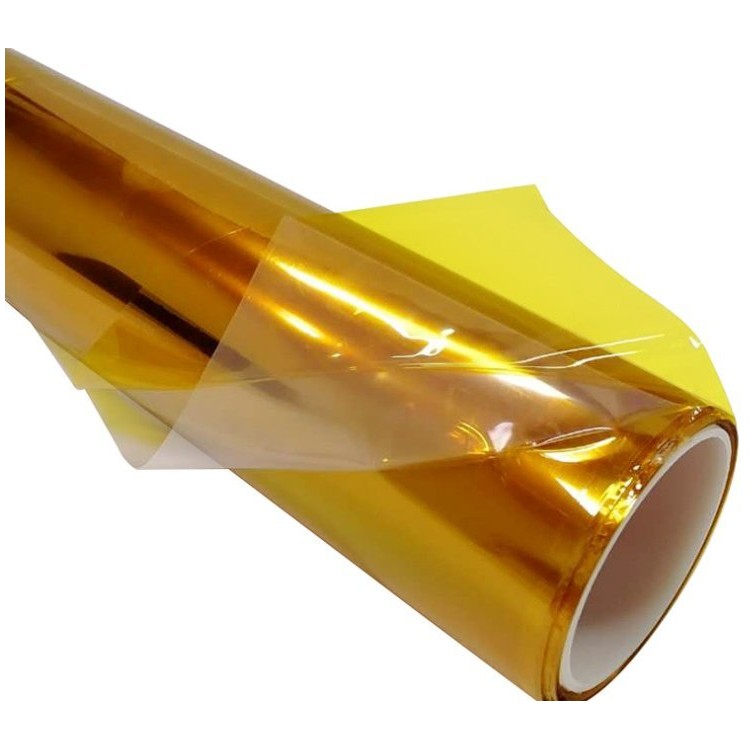


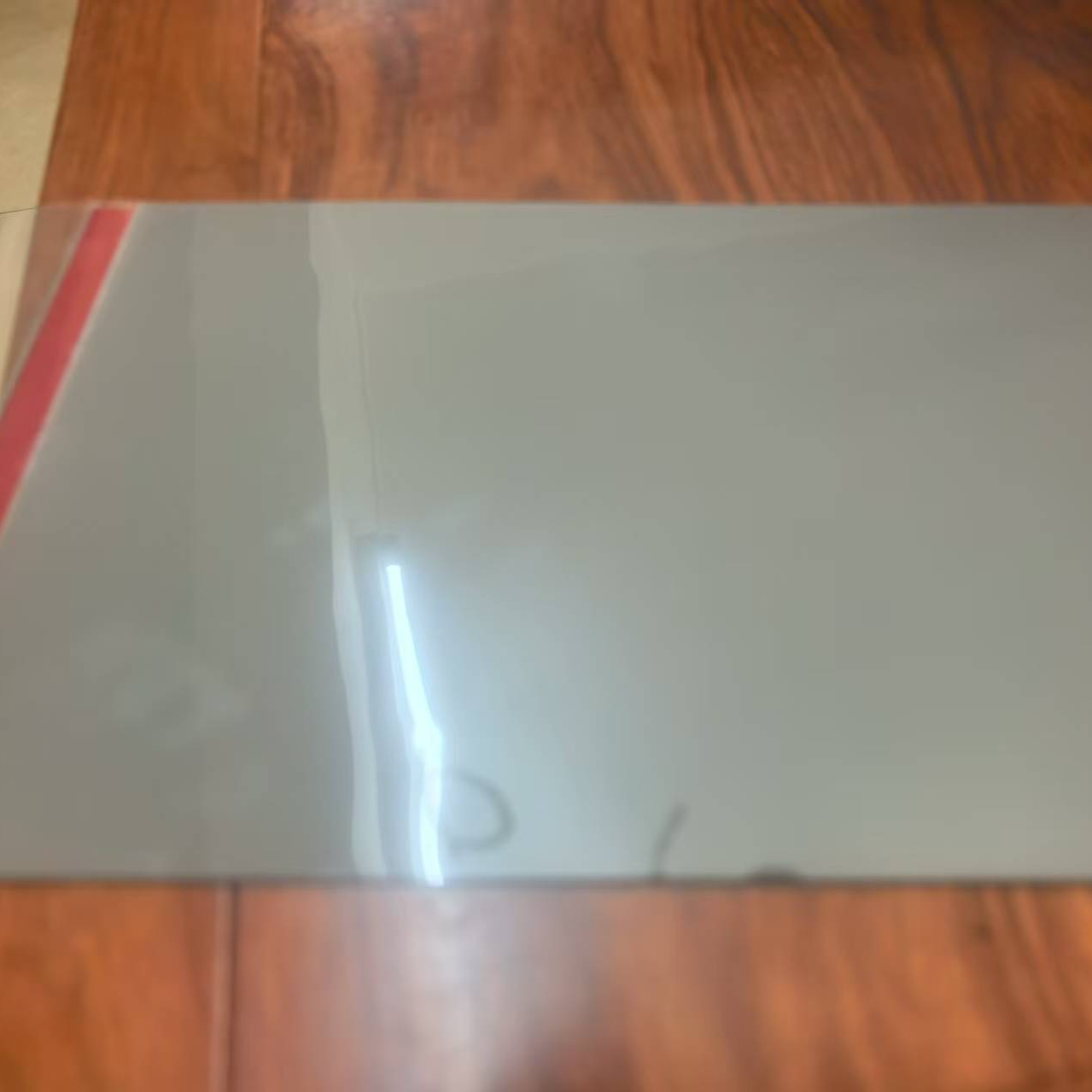
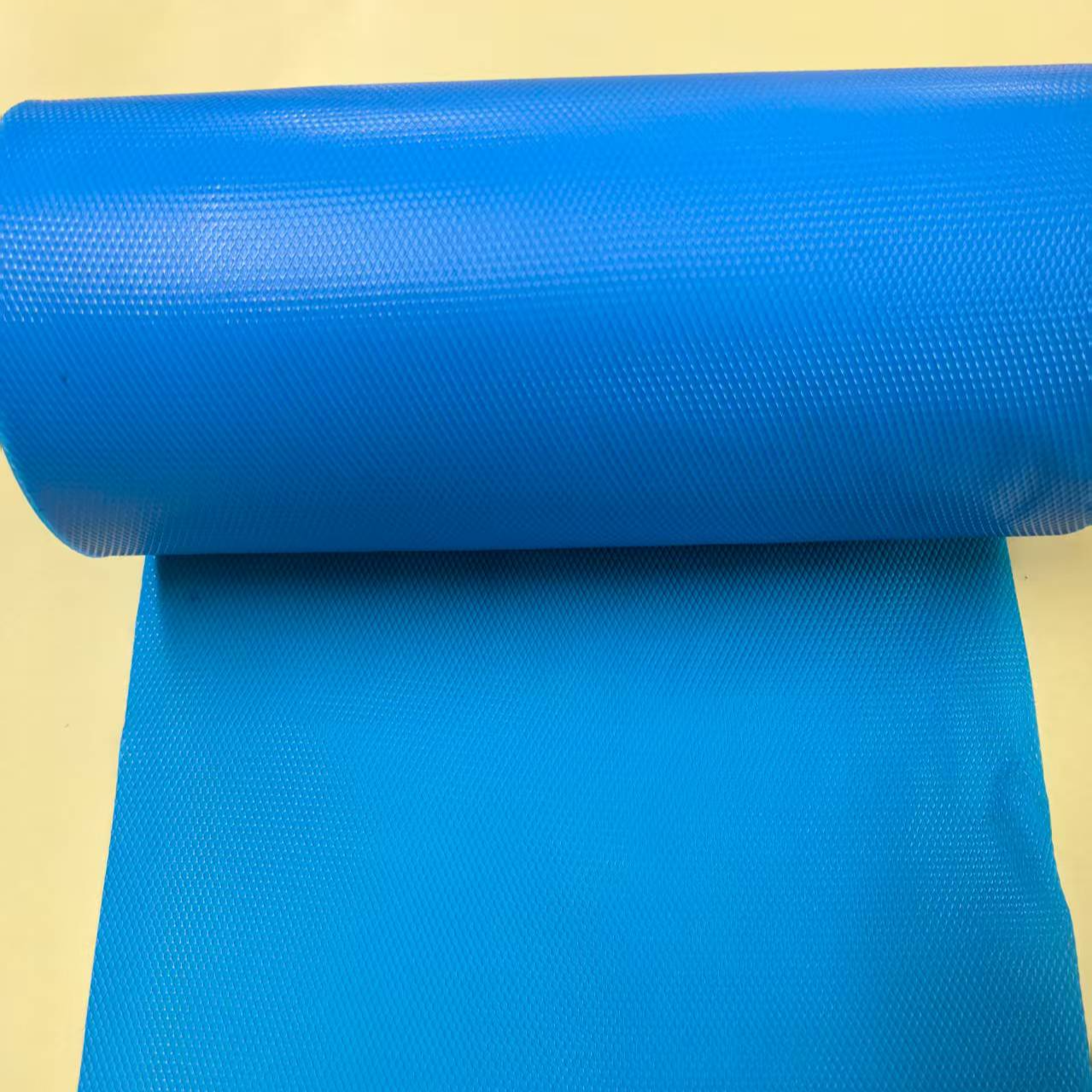
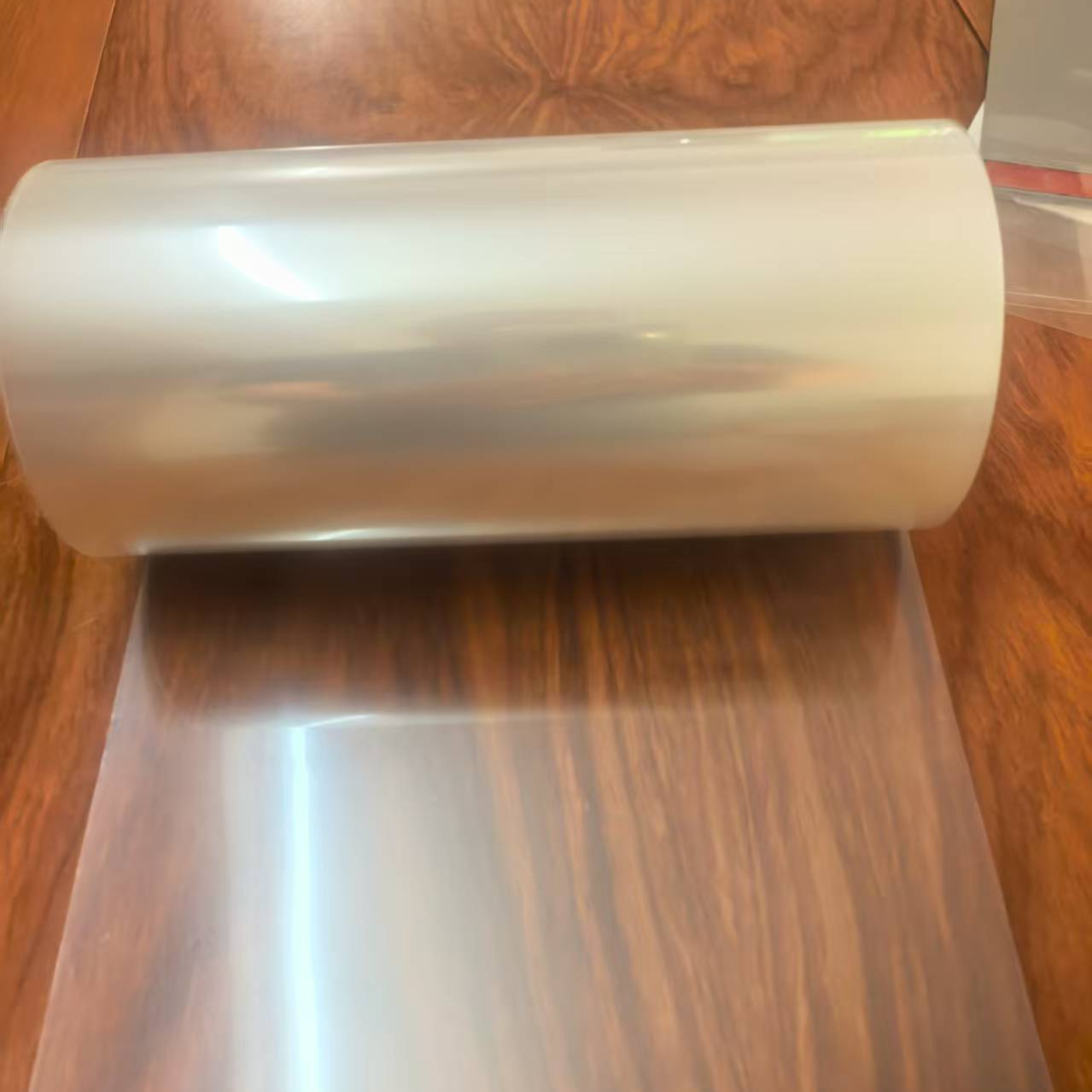
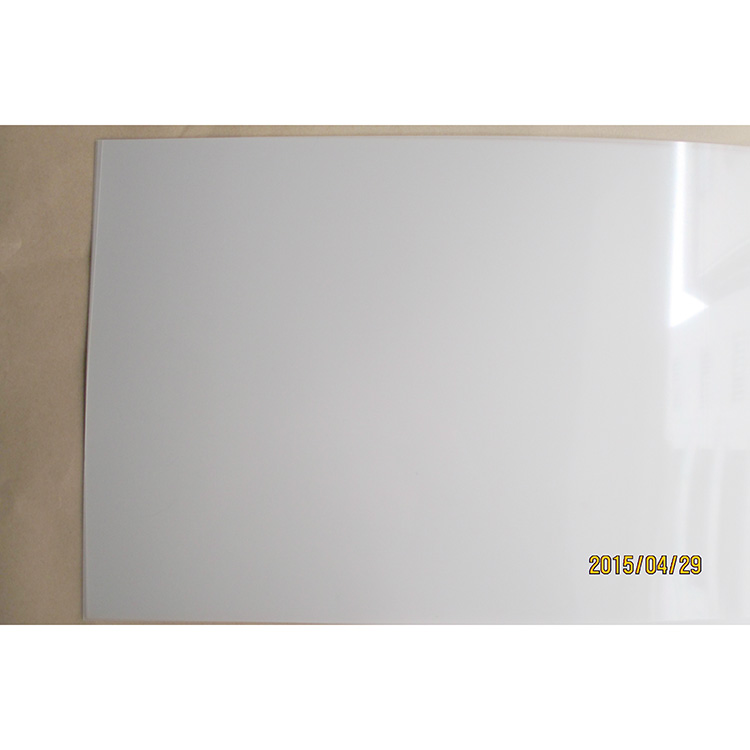
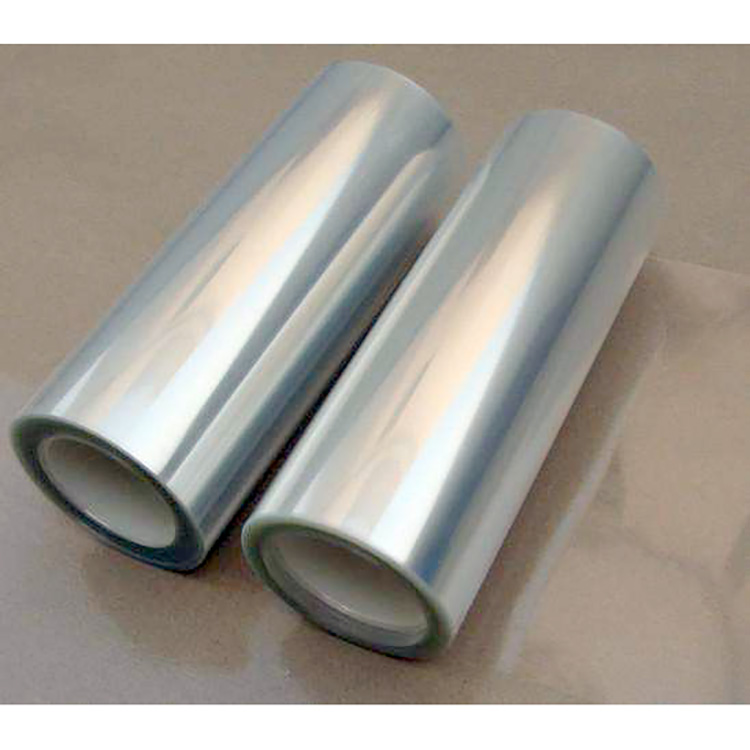





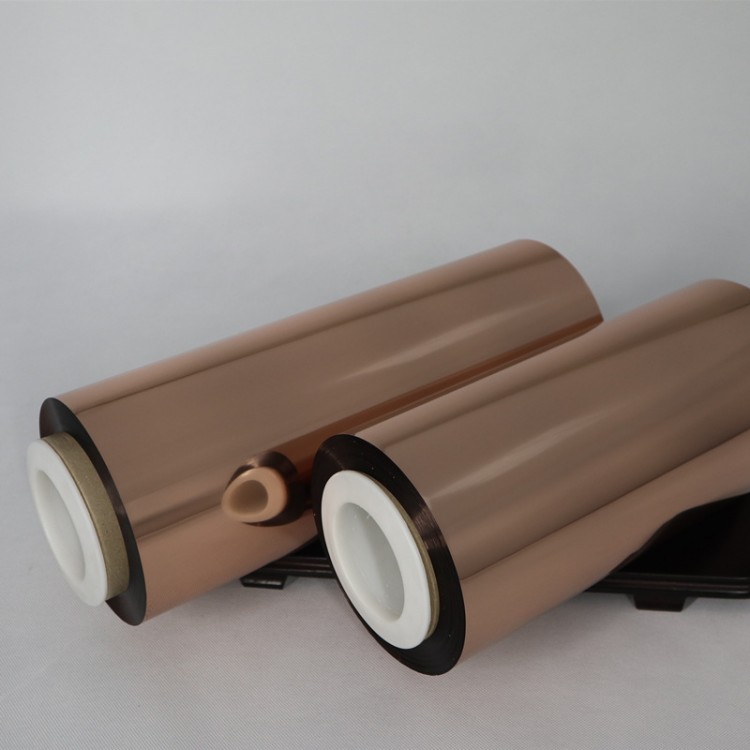


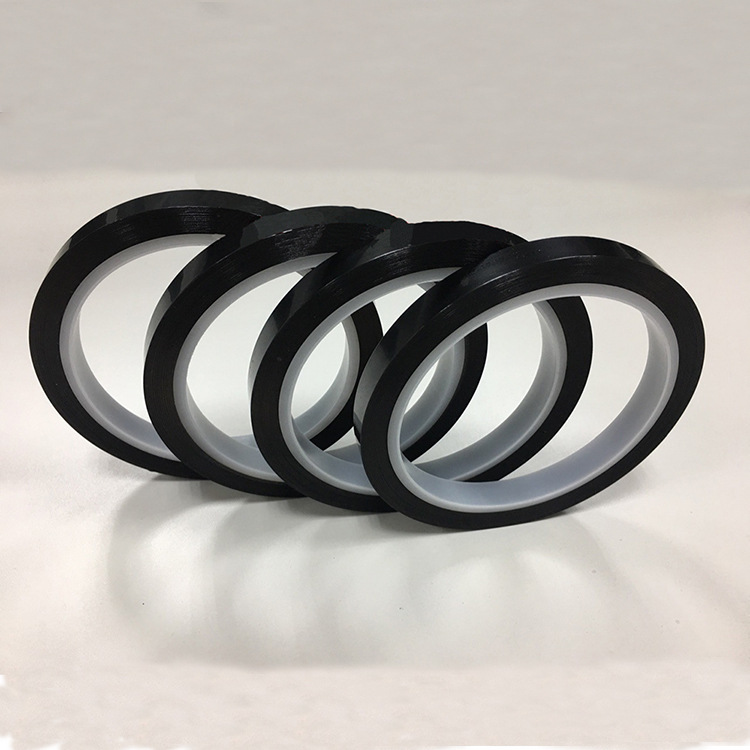
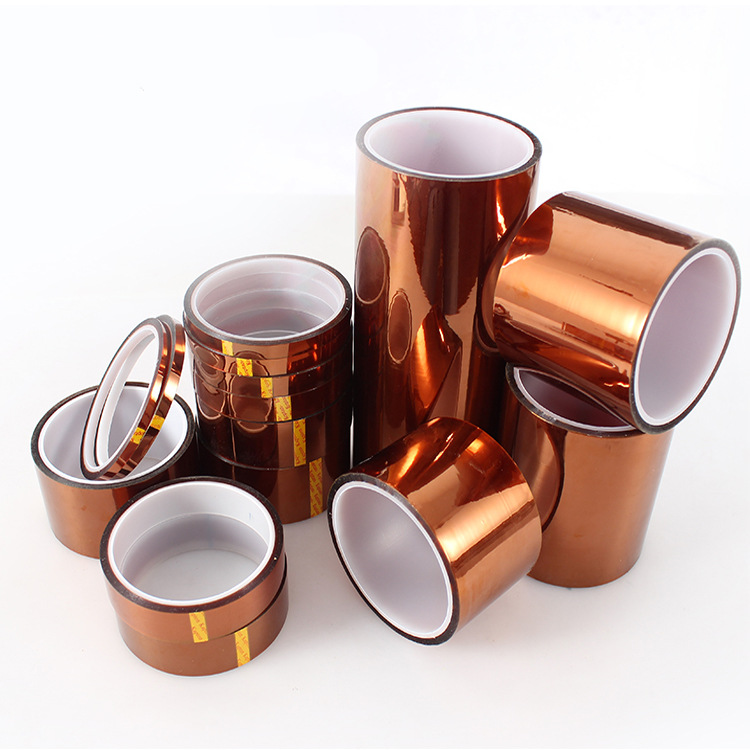
Polyimide (PI) release filmIt refers to a material based on polyimide film, with surface processing thereafter.Release treatment(Silicone oil or other special release coatings, typically) to maintain excellent properties in high-temperature environments.StabilityAndPeel PerformanceA category of high-performance functional films. It integrates the inherent high-temperature resistance, excellent insulation, and dimensional stability of polyimide materials, along with the controllable release force and anti-adhesion properties of the release coating, and is widely used in high-end manufacturing fields. The following discusses its...FeaturesAndApplication FieldsProvide a brief explanation.
I. Key Features of Polyimide Release Film
High-temperature resistance capability
Polyimide substrates typically withstand temperatures of 200°C to 300°C, even higher (the specific upper limit depends on the specific formula, thickness, and application environment).
The release layer (such as silicone, fluorosilicone coatings, etc.) is specially designed to maintain stable release properties even in high-temperature environments and is not prone to decomposition.
Peel strength is stable and controllable.
Peelable film needs to achieve "stickiness for attachment but ease of removal" during use. Through formula adjustments, it can offer fromLightweight剥离型ToHeavy separation typeVarious levels of release force to accommodate various process requirements.
Under high temperatures or prolonged heat pressing conditions, the release force remains relatively constant; it does not exhibit "stickiness" or "over release."
Excellent dimensional stability and mechanical strength
Polyimide film boasts excellent properties.Dimensional StabilityAndHigh-tensileNot prone to curling, warping, deformation, or cracking in temperature extremes or high-pressure environments (such as composite material hot presses, vacuum bag molding).
For high-precision manufacturing processes, good dimensional stability is crucial for ensuring product quality.
Electrical Insulation and Chemical Resistance
PI film itself is an excellent electrical insulating material, featuring resistance to acids, alkalis, and organic solvents.
Maintains the integrity of the film in some chemical atmospheres or harsh medium environments (such as electronic packaging, chemical processing).
Tear and wear-resistant
The polyimide film itself has good tensile strength, and the release coatings usually possess certain lubricity and abrasion resistance, making these release films less prone to cracking during the mechanical manufacturing process.
Supports extended continuous tension and peel operations.
Section II: Applications of Pyrolytic Graphite Sheets
High-performance composite material preparation (aerospace and others)
Please provide the Chinese content to be translated.Hot Press Molding TankOrPre-impregnated material curingUsed as release material for vacuum bags or mold surfaces, it can withstand high temperature and pressure, and smoothly separate from the composite material after curing.
Polyimide release film plays a crucial role in ensuring the surface quality and yield of products for high-end composites such as carbon fiber and aramid fiber.
Electronic Manufacturing and Assembly
ForSemiconductor Device Packaging、Flexible Printed Circuit (FPC) LaminationProcesses requiring lamination, curing, and encapsulation at high temperatures; the release film can still be reliably peeled off under heat and pressure without contaminating the electronic components or substrate.
Suitable forHigh-Temperature TapeOrRubberized adhesive filmSeparation film material for temporary fixation or protection during subsequent electronic processes.
Thermal Setting Resins/Prepregs/Laminates Production
During the pre-impregnated material manufacturing process, resin coating and pre-curing must be carried out under high-temperature conditions; at this point, a release film should be used in conjunction with the process equipment to form a non-stick layer.
In the production of various laminates (such as high-end PCB substrates), high-temperature release films are also required to assist in shaping the resin and maintain a smooth and flat surface in curing ovens or laminators.
High-temperature tape and film manufacturing
Imide tapeIt is already widely used in high-temperature or insulating environments; if more functional layers (such as acrylic adhesive, silicone, etc.) need to be attached to the surface or back of the tape, a heat-resistant release film is also required during the coating or lamination stage, both as a base material or protective film.
Other adhesive tape production lines requiring high-temperature curing or drying can also utilize polyimide release film for large-scale continuous processing.
Vacuum Bagging Molding Technology, Solar Cell Module Encapsulation
During vacuum bag forming, the film material must achieve good isolation and peelability from the composite material or sealing film under high-temperature heating/curing.
Solar cells (such as photovoltaic module lamination) undergo high temperatures and pressure. The use of polyimide release film can assist in cleanly separating the components after curing, reducing surface defects and air bubbles.
Other high-temperature or harsh environment fields
Painting, powder coating, electroplating, printing, etc.High-Temperature / Chemical TreatmentIn environments where temporary shielding or anti-adhesion is required for specific areas, polyimide release film can also be effective.
Special heat-forming, in-mold decoration (IMD/IML), and high-temperature bonding processes demand stricter specifications for release materials, and high-temperature-resistant release films of this kind can also be chosen.
Section 3: Summary
Polyimide release filmPlaying a critical role in preventing adhesion, providing protection, and withstanding high temperatures in the fields of high-end manufacturing, aerospace, electronic packaging, and composite materials.High-temperature stability, controllable release force, size stability, insulation and corrosion resistanceIts comprehensive advantages make it an indispensable auxiliary material in high-temperature and precision manufacturing processes. As the demand for high-performance materials continues to rise, the application prospects of polyimide release film will continue to expand.