










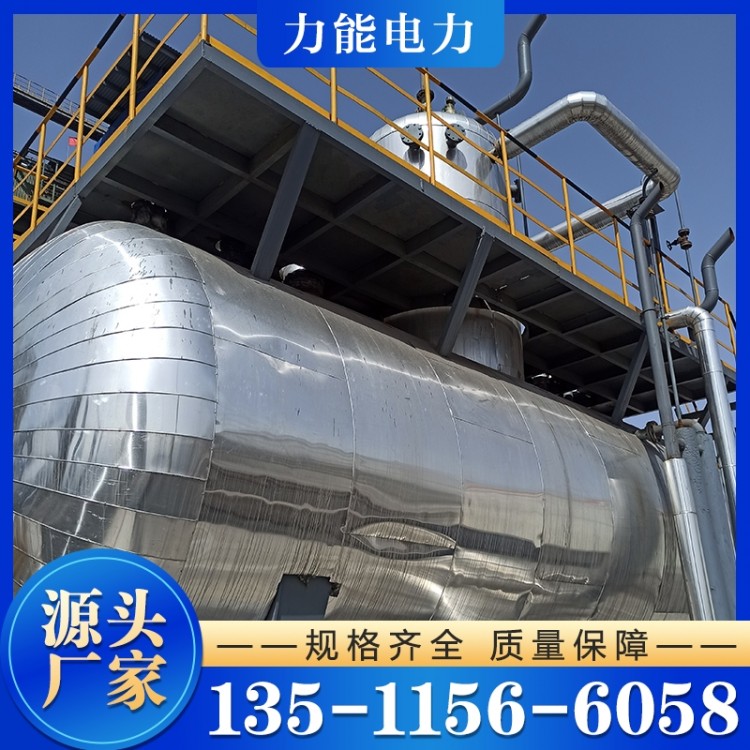
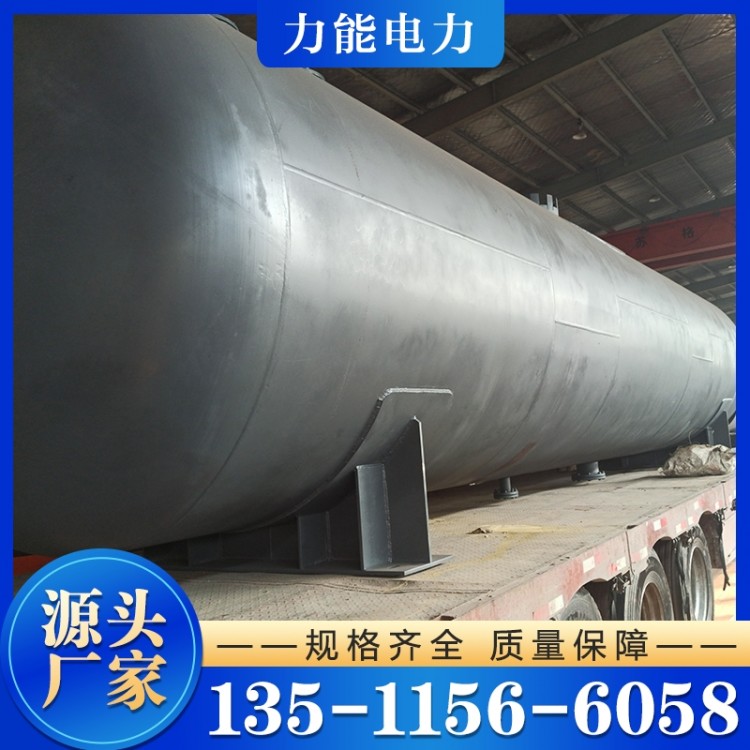
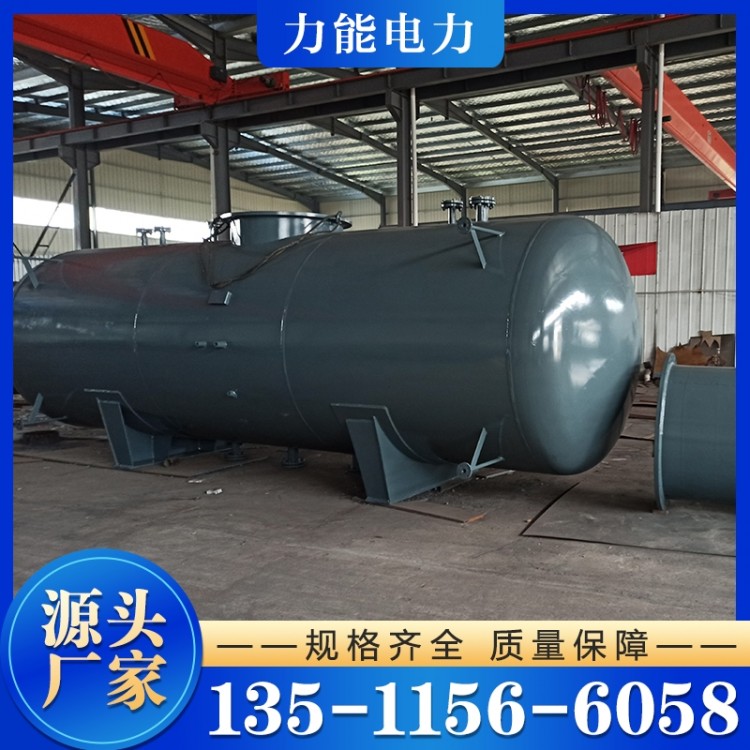
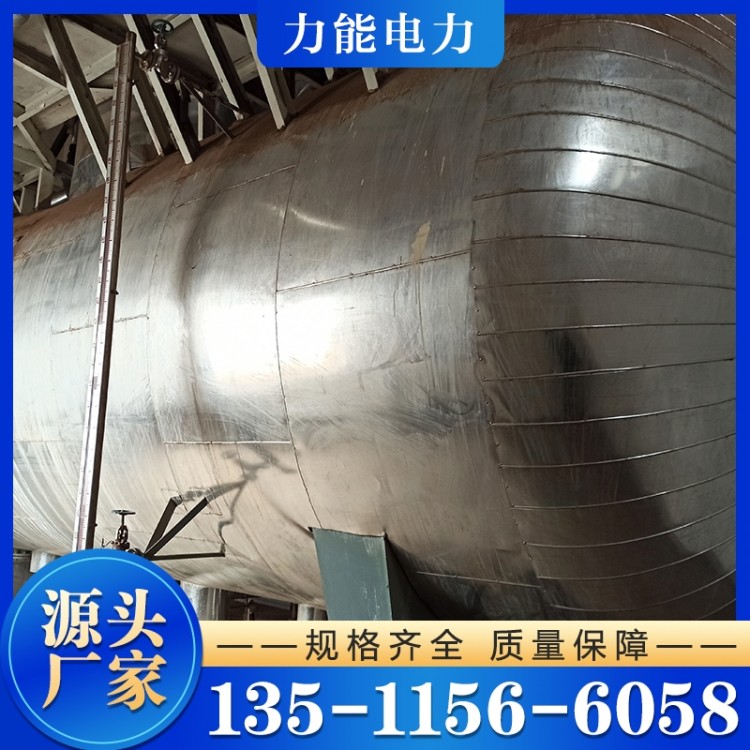
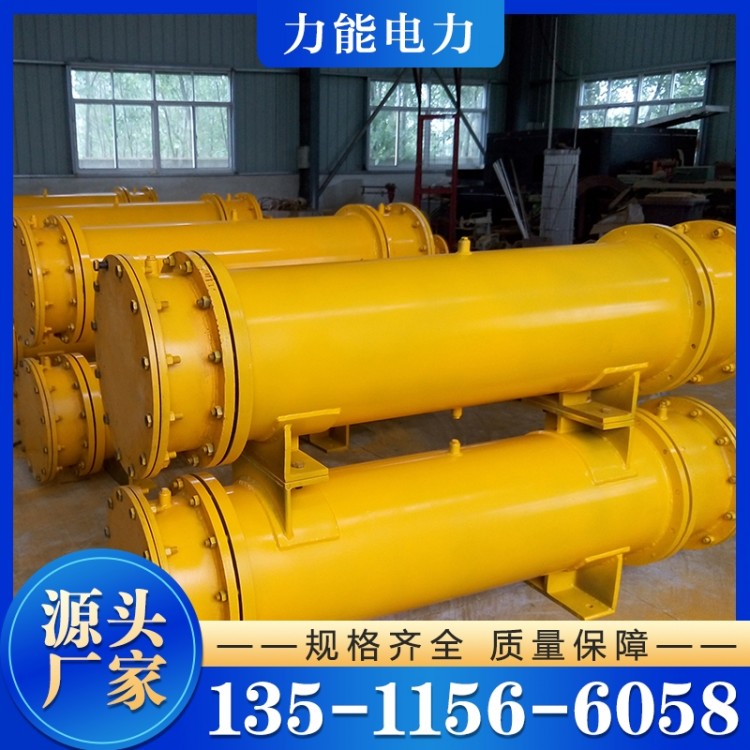
Cooling Oil Cooler
I. Overview of Coolant Coolers
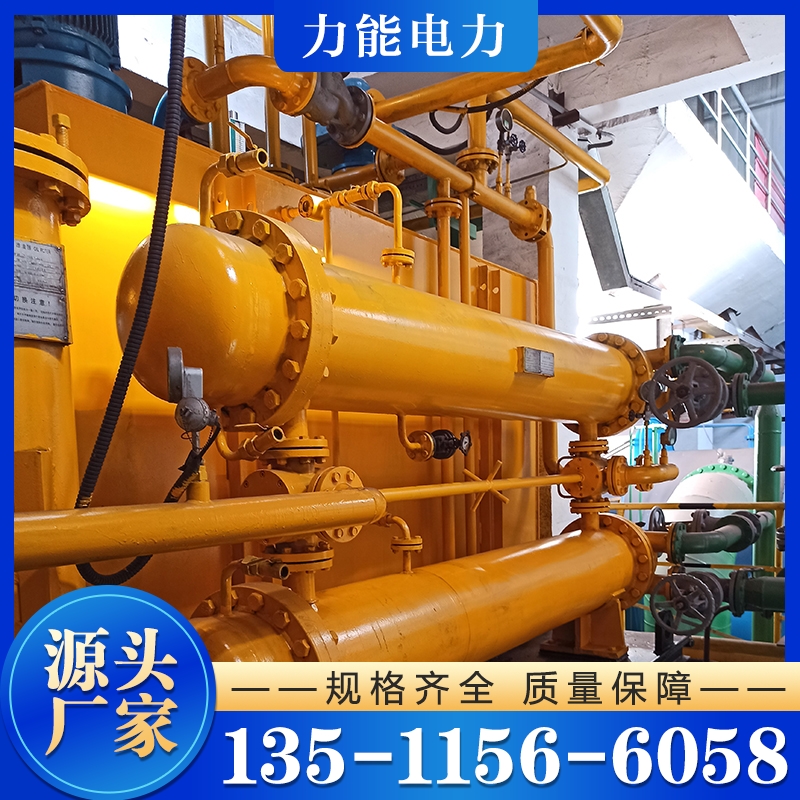
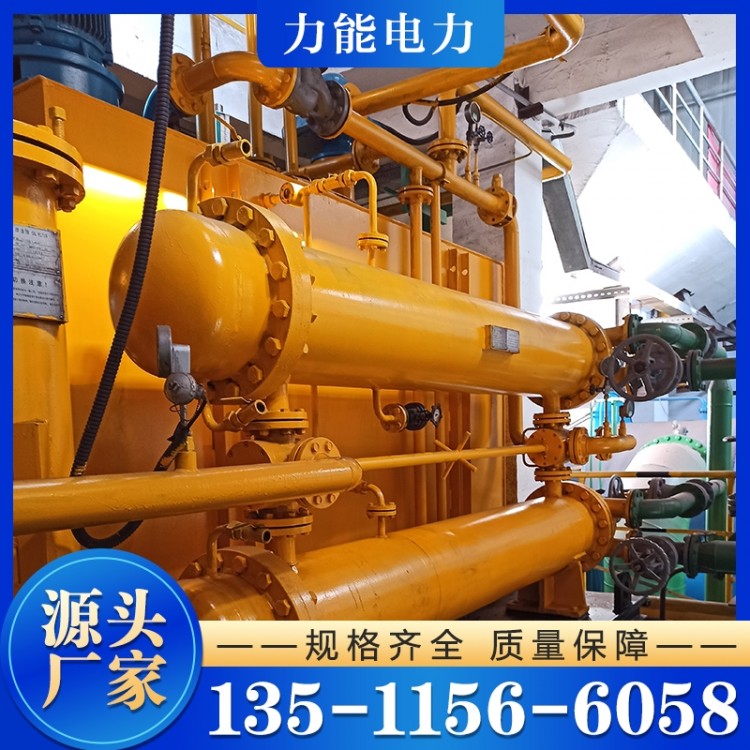
Cooling oil units are a widely used oil cooling equipment in power systems. The cooling oil units produced by our company are also suitable for metallurgy, chemical industry, mining, light industry, and heavy industry sectors. Mainly used for circulating cooling in oil systems for equipment lubricants, variable speed system oil transformers, and steam turbine turbines.
Currently, all the oil coolers produced follow a single model, which has many drawbacks after years of practice; they are large in size, have poor cooling efficiency, complex sealing, and are difficult to maintain. Our company's research and development team has developed a new type of oil cooler with excellent cooling performance, close to water temperature at the outlet, simple structure, easy operation, and compact size.
Section II: Key Technical Parameters of Cool Oil Units
Basic Parameters (Table 1)
| Model and Specifications | Cooling Area m² | Oil Flow Rate: T/H | Flow Rate: T/H | Inlet Water Temperature °C | Oil temperature drop: °C | Fuel Inlet Temperature °C | Design Pressure MPa |
| YLQ-5 | 5 | 6 | 8 |
Design temperature ≤ 33°C |
Standard: 10 |
50-60 |
1.6 |
| YLQ-8 | 8 | 10 | 15 | ||||
| YLQ-12 | 12.5 | 14 | 19 | ||||
| YLQ-20 | 20 | 22 | 32 | ||||
| YLQ-30 | 30 | 32 | 40 | ||||
| YLQ-35 | 35 | 35 | 45 | ||||
| YLQ-40 | 40 | 42 | 50 | ||||
| YLQ-50 | 50 | 55 | 68 | ||||
| YLQ-60 | 60 | 65 | 80 | ||||
| YLQ-70 | 70 | 80 | 98 | ||||
| YLQ-80 | 80 | 90 | 110 | ||||
| YLQ-90 | 90 | 110 | 130 | ||||
| YLQ-100 | 100 | 130 | 150 | ||||
| YLQ-120 | 120 | 150 | 180 |
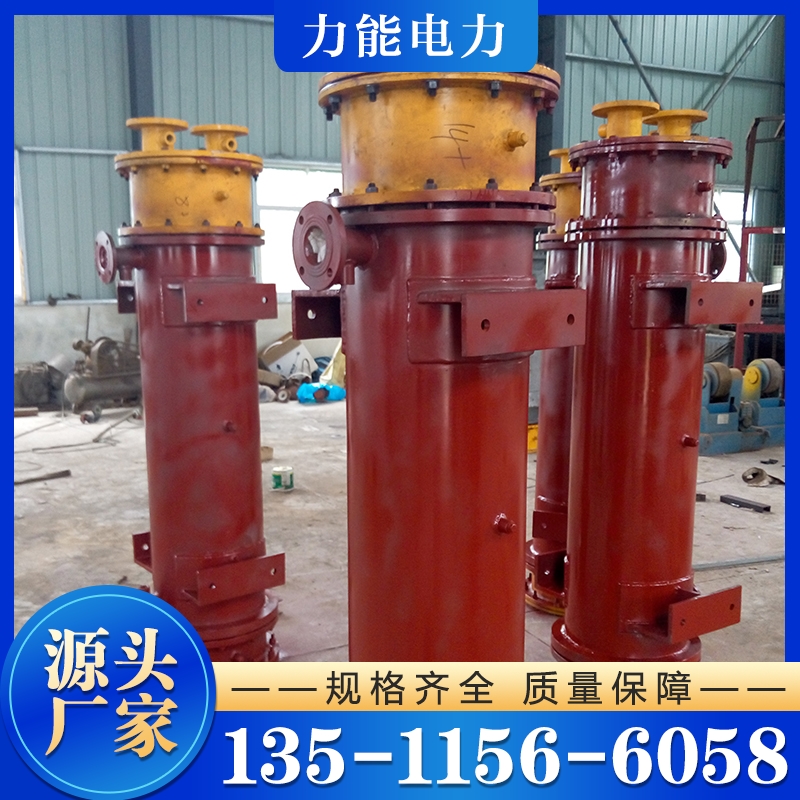
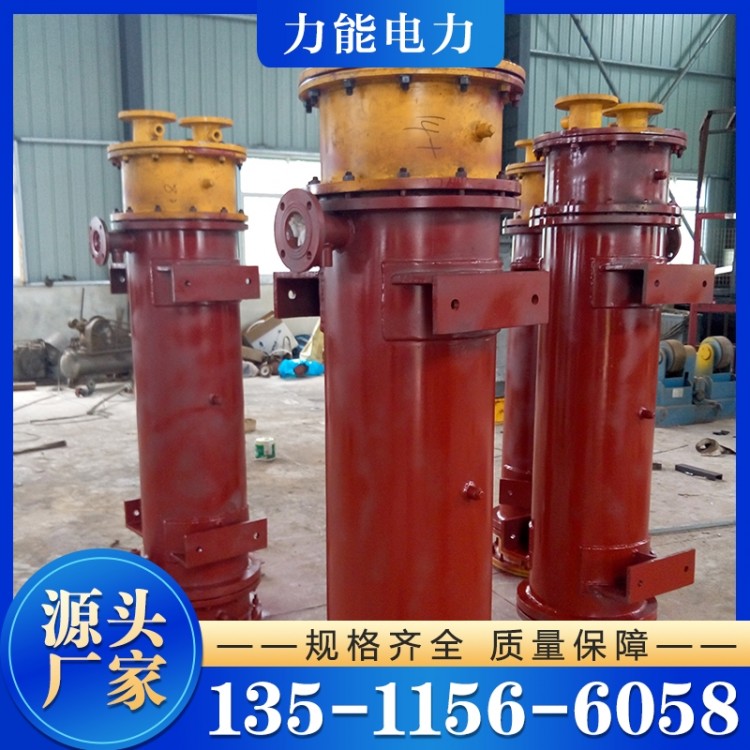
Vertical Cold Oil Cooler Structure and Dimensions (see Figure and Table 2)
| Model | L | D1 | C | C1 | D3 | D2 | L1 | a | DN | N | n-d | Weight (kg) |
| YLQ-3 | 1500 | 219 | 680 | 150 | 380 | 440 | 260 | DN 25 | 32 | 32 | 4-Φ24 | 150 |
| YLQ-8 | 1780 | 273 | 900 | 200 | 380 | 240 | ||||||
| YLQ-12 | 1950 | 325 | 1190 | 400 | 480 | 292 | 65 | 65 | 6-Φ20 | 450 | ||
| YLQ-20 | 2390 | 377 | 1540 | 450 | 550 | 320 | 100 | 80 | 610 | |||
| YLQ-30 | 2580 | 426 | 1740 | 470 | 570 | 730 | ||||||
| YLQ-40 | 2750 | 426 | 1940 | 230 | 590 | 690 | 415 | 125 | 125 | 780 | ||
| YLQ-50 | 3150 | 480 | 2480 | 6-Φ30 | 940 | |||||||
| YLQ-60 | 3530 | 530 | 2700 | 250 | 720 | 900 | 534 | 150 | 125 | 1065 | ||
| YLQ-70 | 3200 | 2380 | 1670 | |||||||||
| YLQ-80 | 3250 | 616 | 2015 | 620 | 150 | 150 | 1780 | |||||
| YLQ-90 | 3400 | 2250 | 1890 | |||||||||
| YLQ-100 | 3855 | 820 | 2615 |
300 | 1015 | 1150 | 500 |
200 |
200 | 8-Φ30 | 1945 | |
| YLQ-120 | 4455 | 3215 | 2220 | |||||||||
| YLQ-160 | 3320 | 2010 | 1150 | 1250 | 602 | 2770 | ||||||
| YLQ-200 | 3970 | 2660 | 3340 |
Section 3: Structural Features of the Cool Oil Cooler
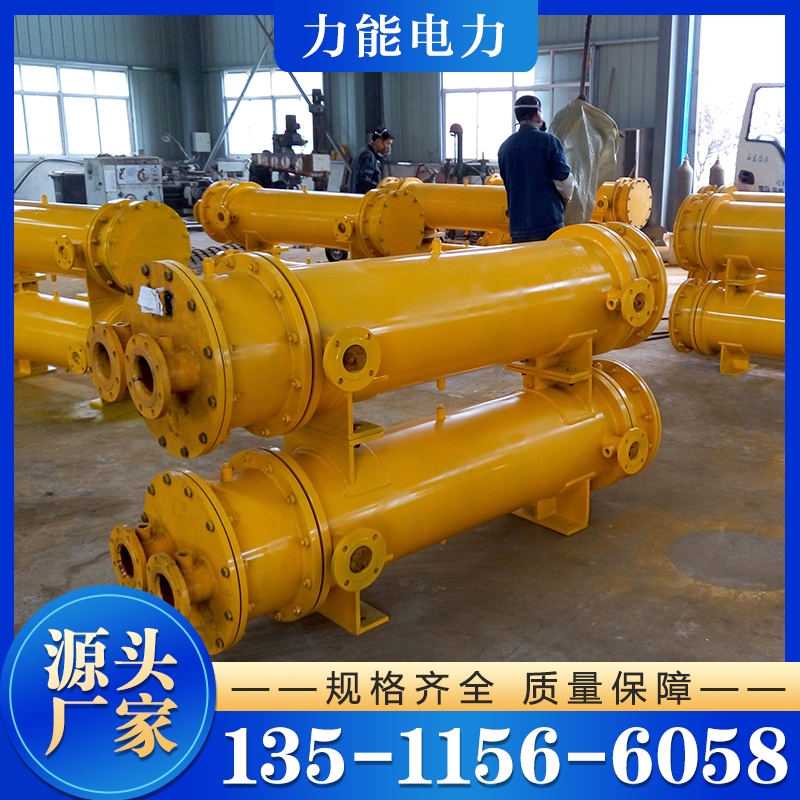
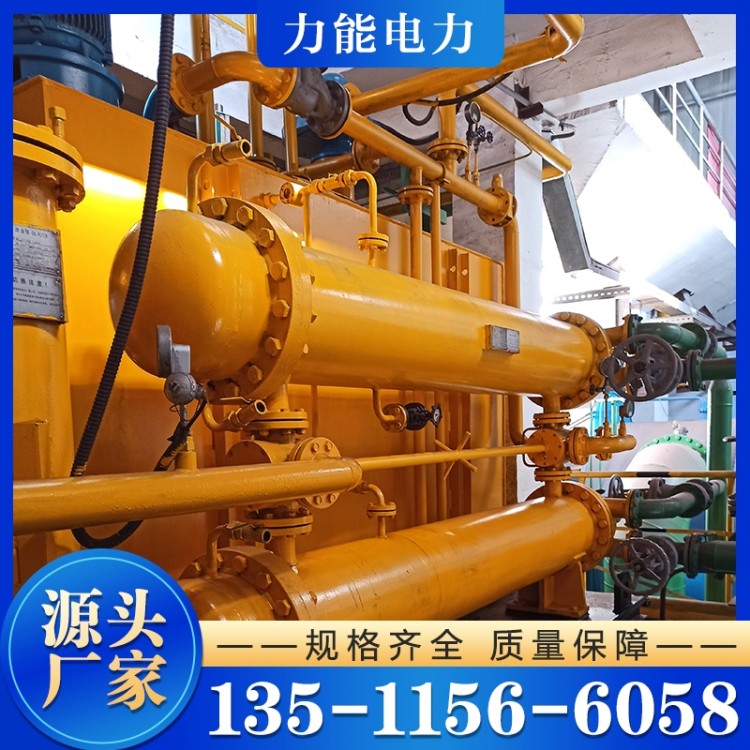
The cooler is mainly composed of an inlet cover, housing, tube bundle, outlet cover, seals, and fasteners. The housing features four pipe interfaces for oil and water inlets and outlets. Additionally, it is equipped with an oil outlet, drain outlet, and exhaust outlet.
1. Utilizing copper tubes as heat exchange elements, offering high thermal conductivity, large heat transfer area per unit length, and high heat transfer capacity.
2. Reasonably structured, capable of maintaining stable oil extraction temperature over a wide temperature range, and has excellent resistance to sudden temperature changes and vibrations.
3. Durable structure ensures no cooling water enters the turbine set.
4. The fins are smooth without burrs or folds, making them resistant to dust and scale buildup, and offer low fluid resistance. Cool oilers are categorized into vertical and horizontal types based on installation methods. Vertical cool oilers feature a small required installation area and ease of installation. Horizontal cool oilers have lower pressure drop and strong resistance to water hammer impacts. Therefore, selecting the appropriate vertical or horizontal cool oiler based on specific site, space height, and performance requirements can better meet the needs of generators and other equipment.
V. Installation, Operation, and Maintenance
1. Properly position the cooler to ensure oil intake and accurate relative connection of the oil and outlet pipes. Generally, it should be installed in the system's return oil line or in a system below the design pressure, with the oil side pressure higher than the water side pressure.
2. Flanges for water inlets and outlets and installation foot bolts should be assembled on-site.
All pipe flanges and valve seals are tightly sealed with no leaks.
4. Prior to starting the cooler, the pipeline should be cleaned to prevent debris from blocking the cooling tubes.
5. When starting the cooler, first slowly open the import oil gate and the air vent (direct gas angle) to exhaust the gas inside the shell. Once the air is exhausted, close the air vent, then open the outlet oil gate. Next, fully open the cooler's outlet water gate, slightly open the top water side air vent, close it after the air is exhausted. Adjust the outlet water gate according to the outlet oil temperature (when opening the cooling water valve, gradually increase the flow rate), and regulate to maintain normal oil temperature.
6. Inadequate air removal from the heat exchanger tubes will result in poor heat exchange performance.
7. When shutting down the cold oil cooler during the severe winter season, ensure all cooling water is drained from the cooler to prevent equipment from cracking due to freezing.
8. When shutting down the cooler, close the oil and water inlet valves first, followed by the oil and water outlet valves. Loosen the screw plug on the drain and oil outlet, and drain all the water and oil from the cooler.
9. The cooler should be cleaned with gasoline to wash the cooling tube bundle, end caps, and housing every year or so. Upon reassembly, a pressure test without leakage at 1.25 times the original pressure should be conducted.
Section 4: Cold Oil Cooler Order
1: When selecting a cold oil cooler, inform us of the cooling area.
2: Oil and water temperatures, as well as intake oil pressure and flow resistance.
3: Heat exchanger cooling tubes are generally made of purple copper, but stainless steel tubes can also be selected upon customer's request.