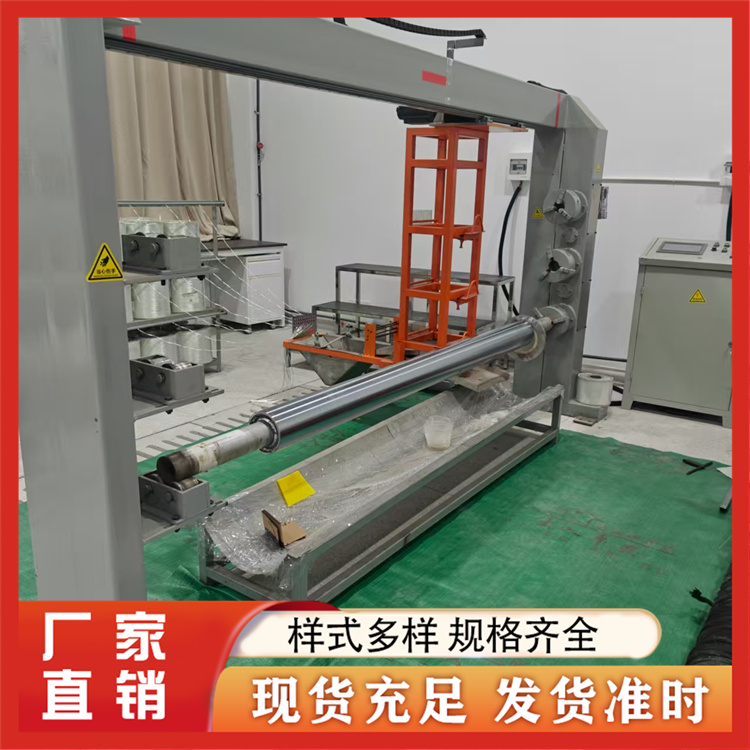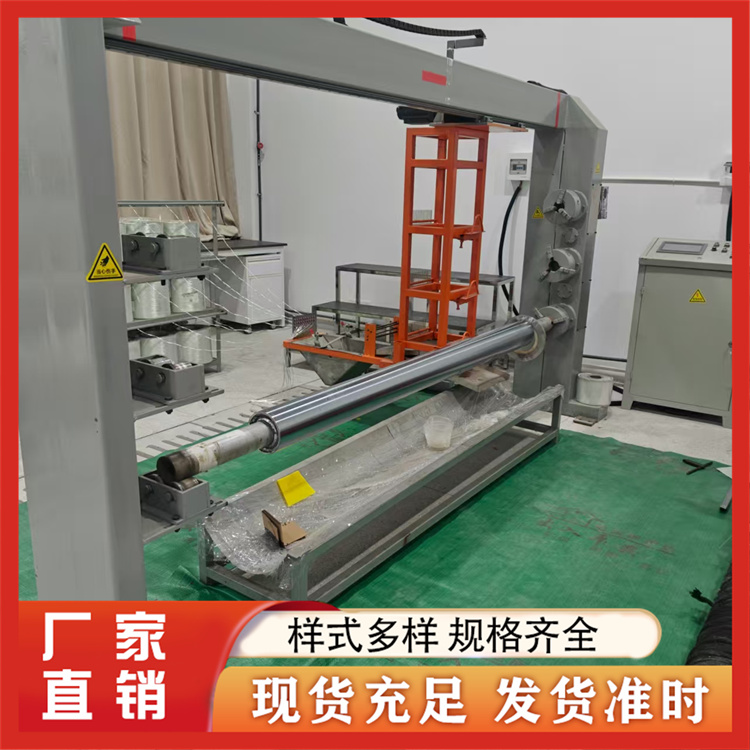









With the development of animal husbandry and poultry breeding, the issue of rapid and effective treatment and utilization of animal feces has become prominent. For instance, due to their short intestines, chickens only absorb about 30% of the nutrients from the feed they consume, with the majority excreted through the rectum. Generally speaking, each kilogram of chicken manure contains 13.4 to 18.8 kilojoules of total energy in the dry matter, with a nitrogen content of 30 to 70 grams, and is rich in various trace elements, amino acids, proteins, etc. Chicken manure is an inexpensive low-protein feed and also a good agricultural fertilizer. Rapid and effective treatment and utilization of animal feces are both an urgent need to avoid environmental pollution and an effective way to improve the economic benefits of animal husbandry enterprises. Traditionally, the treatment of animal feces has both polluted the environment and caused a significant loss of nutrients. Currently, the animal feces treatment equipment developed by people cannot meet the actual needs due to the following issues: first, it has a single function, such as only being able to dry but not ferment; second, it has low processing efficiency and poor processing results; third, it has poor reliability; and fourth, the equipment is large in size, occupying a lot of space. The main reason for these problems is the lack of an optimized structural fermentation drum, a key component.
In the livestock and poultry farming industry, animal and poultry manure is often treated using traditional, simple methods such as manual stacking and fermentation, manual turning, or inexpensive sales, direct application to fields, or even discharged into rivers, causing severe environmental pollution. Due to the lack of scientific and effective treatment methods, the manure from farms is not being properly and promptly handled, leading to environmental pollution, unpleasant air quality, and immense difficulty in treatment. However, with the increasing public awareness of environmental protection, the urgency to address the issue of animal and poultry manure treatment is growing; the newly issued "Environmental Protection Law," "Water Pollution Prevention and Control Action Plan," and "Regulations on Pollution from Large-scale Livestock and Poultry Breeding" all require technological upgrades for the treatment of animal and poultry manure. Therefore, there is an urgent need for a new, rapid, and effective method for treating animal and poultry manure.
Current sludge treatment methods typically include landfilling, fertilizer production, power generation, and heat generation. Landfilling involves deeply burying non-separable and non-usable materials to allow natural decomposition through prolonged physical and chemical processing; fertilizer production utilizes the organic matter in sludge to create agricultural fertilizers; power and heat generation are achieved by utilizing the thermolysis and fermentation of sludge, producing thermal energy during the fermentation process. Fermenting sludge into organic fertilizer can alleviate urban pollution and achieve waste recycling, and when applied to farmland, it can enrich soil fertility and improve the quality of agricultural products, offering multiple benefits. Sludge must be fermented through a fermentation unit to become usable organic fertilizer.
Currently, sludge originates from the residual sludge of wastewater treatment plants. The main techniques for sludge treatment include landfilling or incineration. Landfilling consumes a large amount of land and poses the risk of secondary pollution. Incineration is energy-intensive, wasting organic matter and increasing carbon emissions. However, by subjecting sludge to aerobic fermentation, not only does it eliminate various pathogens, but also, by adding shredded leaves, straw, etc., it balances the nutrition of the sludge to the level of fertilizer, achieving waste recycling.
Waste resource recovery and reduction are considered the trend in today's environmental protection measures. Kitchen waste, due to its high pollution indicators, is regarded as the second-largest pollution source in cities after domestic wastewater. Achieving resource recovery of kitchen waste can effectively reduce the amount of urban waste, improve the city's sanitation environment, and prevent the occurrence of diseases.
Kitchen waste, also known as food scraps, refers to the food leftovers and discarded food from restaurants, hotels, and other catering businesses, as well as from public canteens in households, enterprises, institutions, and schools.
The kitchen waste possesses the following characteristics:
1. High Organic Matter Content: Organic components include starch, protein, meat, oil, etc.
2. High moisture content: As waste material from catering, the wastewater has a high moisture content, approximately 70%.
3. High Oil and Salt Content: Due to China's dietary habits, compared to foreign food waste, China's food waste (including leftovers) not only has a higher yield but also contains higher levels of oil and salt.
4. High Hazard: Susceptible to spoilage, rot, and fermentation, promotes mosquito and fly breeding, generates large amounts of foul-smelling gases, and pollutes water bodies and the atmosphere.
5. Strong in Resources: Compared to other waste, it has high moisture content, organic matter, salt, and oil content, as well as rich nutritional elements, making it highly valuable for recycling and utilization.
With the development of urbanization in our country, the demand for landscaping is increasing, which leads to a growing volume of garden waste. Currently, most garden waste is mixed with municipal solid waste and processed together at waste incineration plants or landfills. Garden waste has a low density, posing significant transport capacity challenges for municipal long-distance collection, and it also has issues like low calorific value and difficulty in decomposition when buried. Garden waste is a nutrient-rich organic material, and burning or burying it results in resource waste. High-temperature aerobic composting of garden waste, utilizing the metabolic activities of aerobic microorganisms, rapidly degrades cellulose and lignin, producing biological organic fertilizer, and achieves good resource utilization results.
WeChat Official Account

Scan to follow Official Account