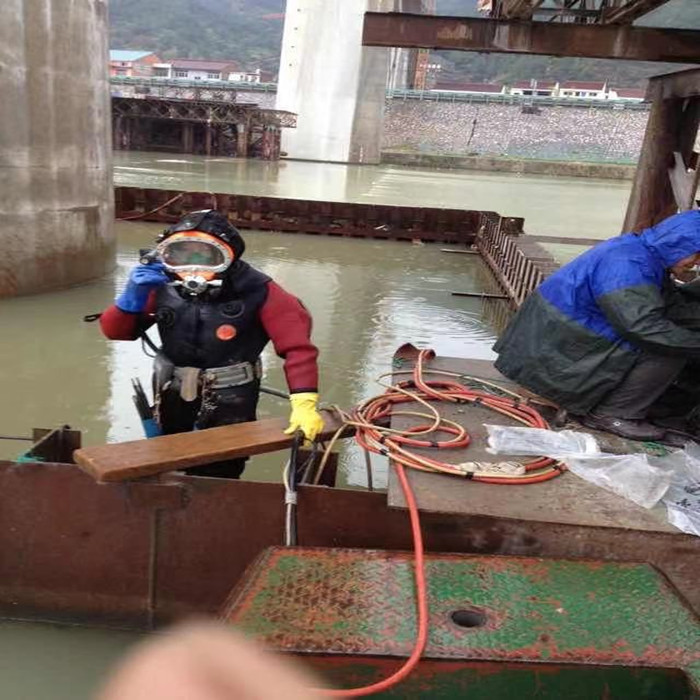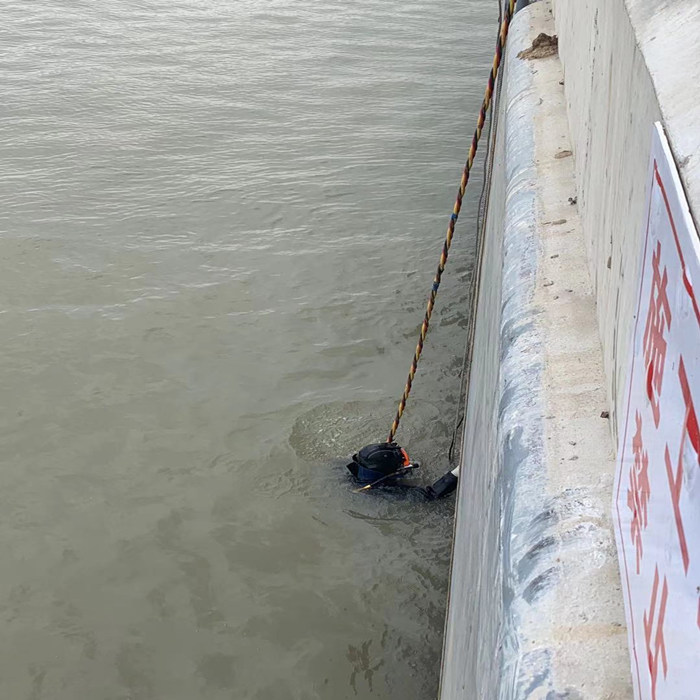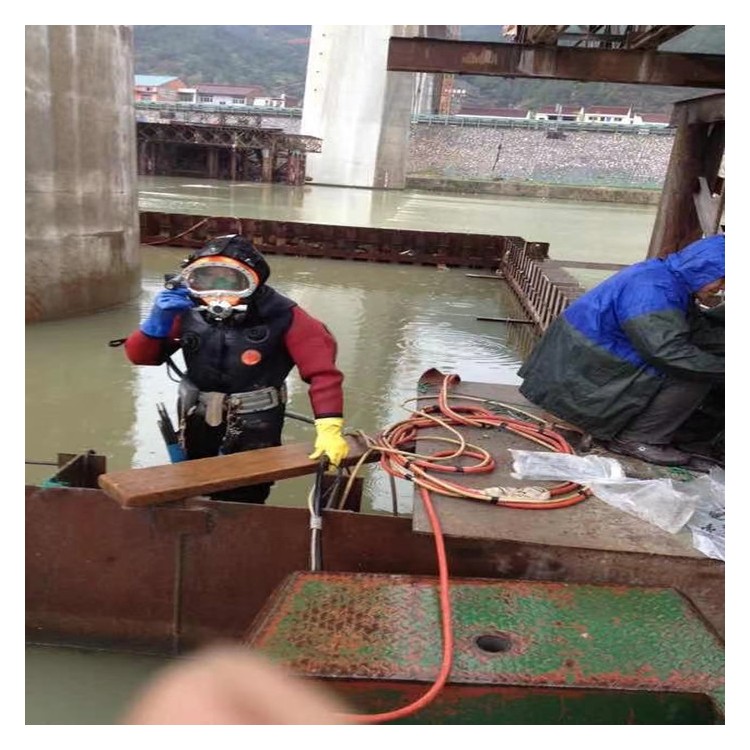














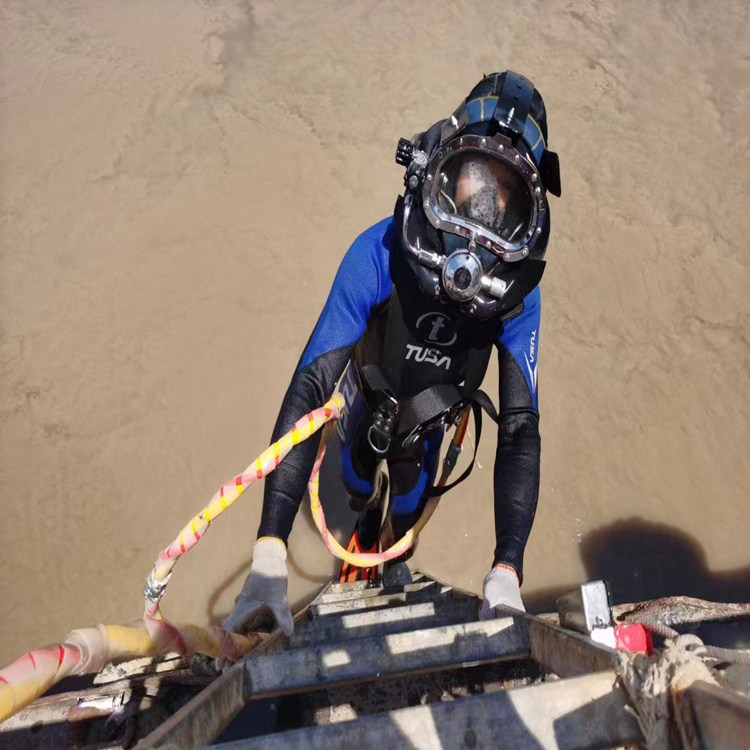

Deep within the world's vast oceans, countless precious treasures lie hidden. However, these treasures are shrouded by the darkness and perilous conditions of the deep sea, leaving people to sigh in vain. Fortunately, people have invented diving teams, unveiling the mysterious veil of the treasures for us.
Diving teams, as a brand new marine force, aim to find shortcuts to the treasures of the deep sea. With powerful technology and the spirit of bravery, they challenge the dark abyss of the deep ocean, bringing the wealth from jewels, cultural relics, and sunken ships back into the public eye, making the unique charm of the deep sea irresistible.
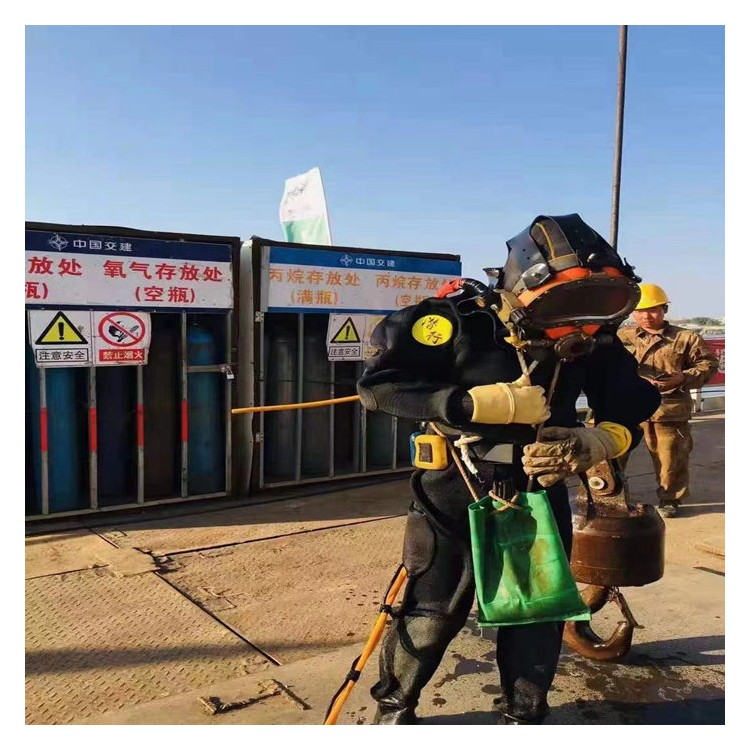
Becoming a diver is no easy feat. Firstly, they must undergo rigorous training to master advanced diving techniques. They must be familiar with the use and maintenance of diving equipment, as well as skilled in underwater navigation and instrument operation. Additionally, they need to possess both physical strength and mental fortitude to remain calm and composed in the treacherous underwater environment and extreme temperatures of the deep sea.
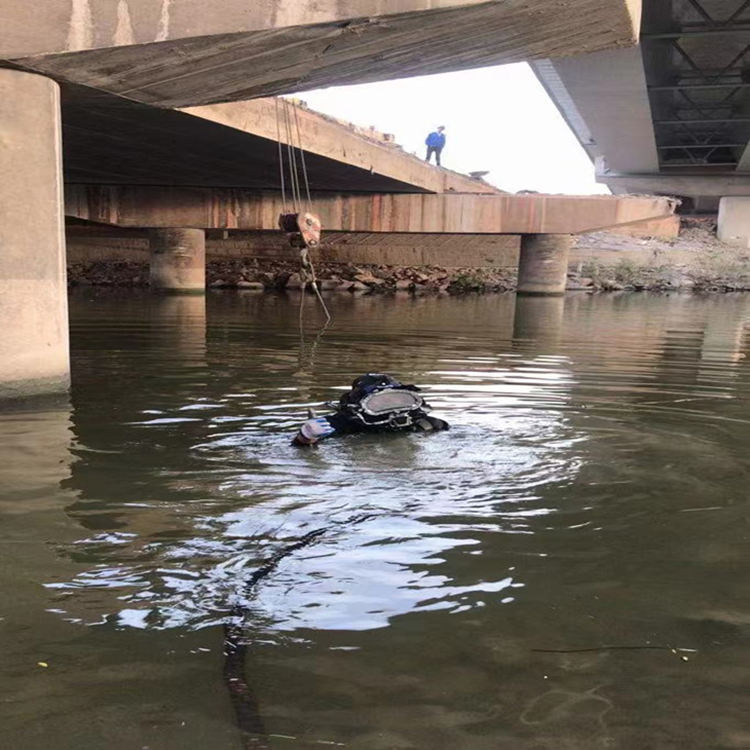
The preliminary preparations for deep-sea recovery operations are crucial. The recovery team must conduct detailed seabed surveys to pinpoint the target's location and conditions, enabling the discovery of treasures in the depths. They utilize various high-tech equipment, such as sonar and underwater camera systems, to assist in the exploration. Simultaneously, the recovery crew must rigorously inspect and test diving gear and recovery equipment to ensure the smooth progress of the entire operation.
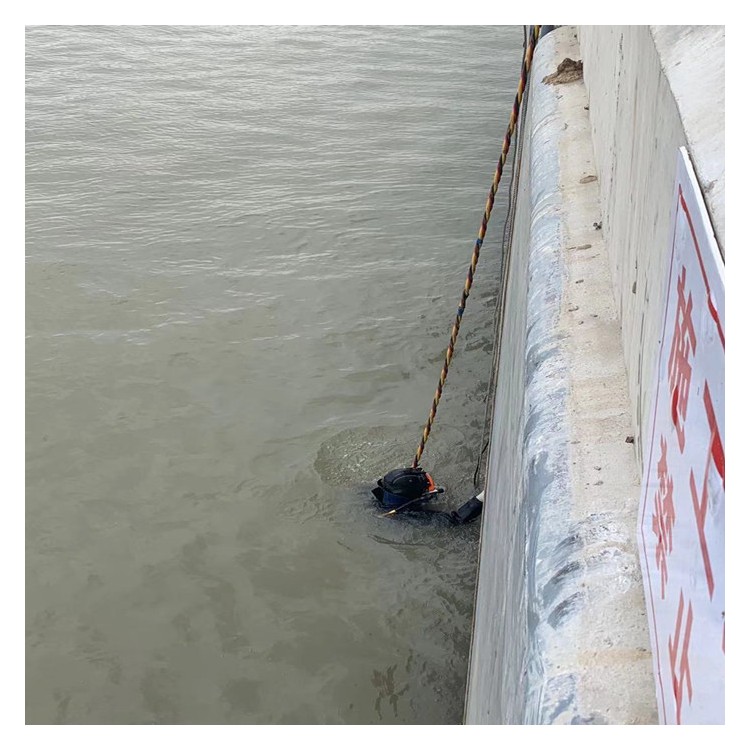
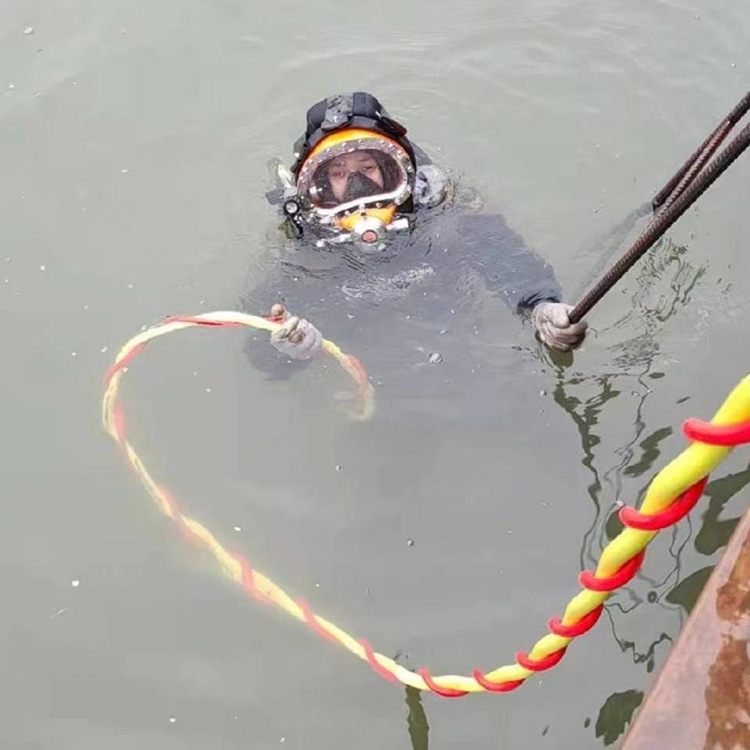
The deep-sea recovery operation requires divers to showcase exceptional skills and bravery. Equipped with specialized diving gear, they venture into the depths, facing the challenges of pressure and darkness. In the abyss, they operate as a fearless fleet, tirelessly searching for clues to the treasure.
The dangers faced by salvagers in the deep sea are also undeniable. The deep sea is filled with various hazards, such as underwater currents, debris, and sunken shipwrecks. Salvagers must remain vigilant at all times and take appropriate protective measures. At the same time, they need to maintain close collaboration with divers and crew to ensure the smooth progress of each salvage operation.
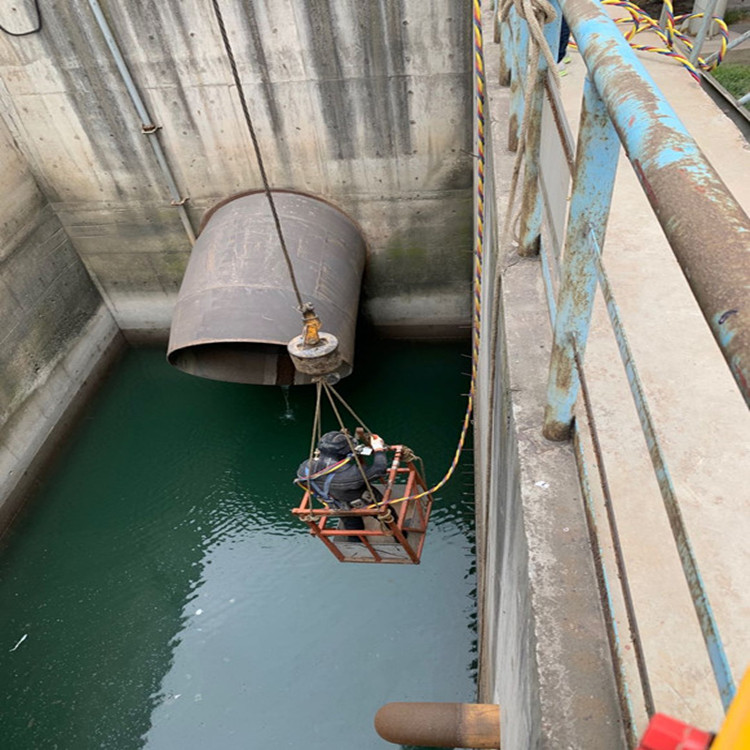
During deep-sea recovery operations, divers must master various recovery techniques. They can use cranes and hooks to lift sunken debris and large objects to the surface. They can also employ various sampling tools to collect samples of significance for research and cultural preservation. Regardless of the recovery method, divers must perform precise underwater operations to ensure the safe retrieval of treasures.
The objective of the deep-sea recovery operation is to bring back precious treasures to the mainland, offering endless surprises and gains. These treasures could be valuable artifacts from sunken shipwrecks, or jewels and gold protected by the deep sea. Either way, they can unveil historical secrets and deepen our understanding of the world.
As a salvager, it's not just a job—it's a symbol of passion and courage. They forge ahead fearlessly into the unknown depths of the sea, opening the gates to precious treasures with their own hands. With their sweat and enthusiasm, they write grand chapters in the epic of deep-sea salvaging.