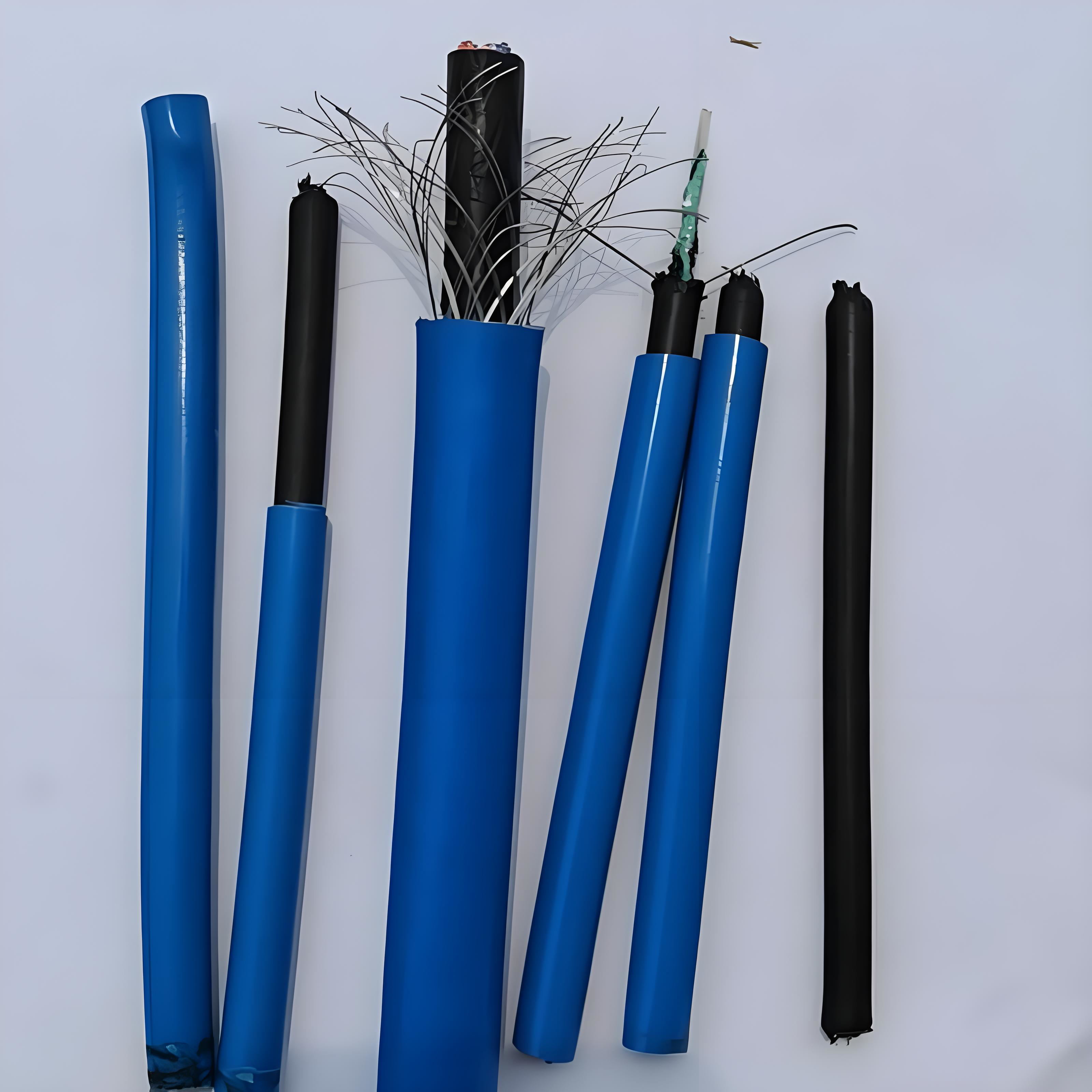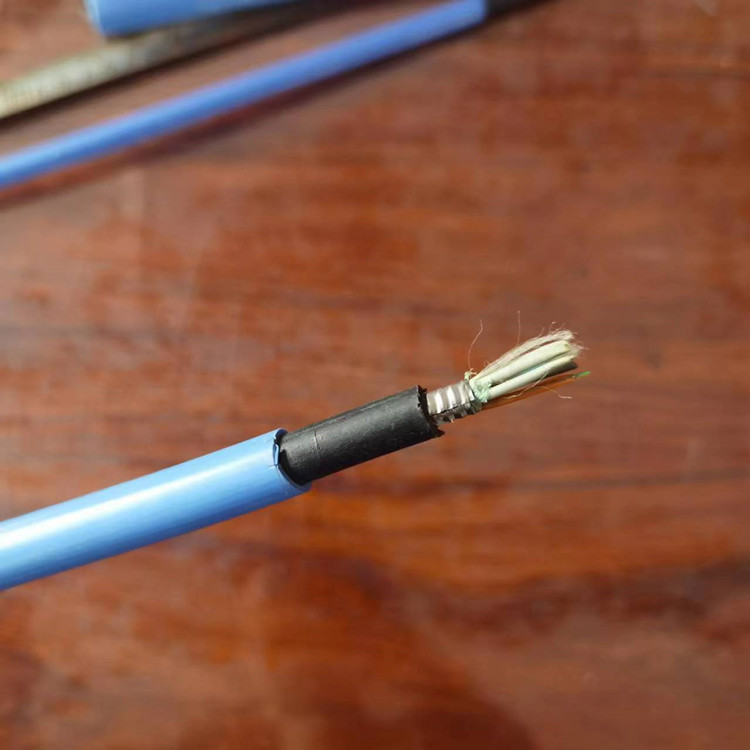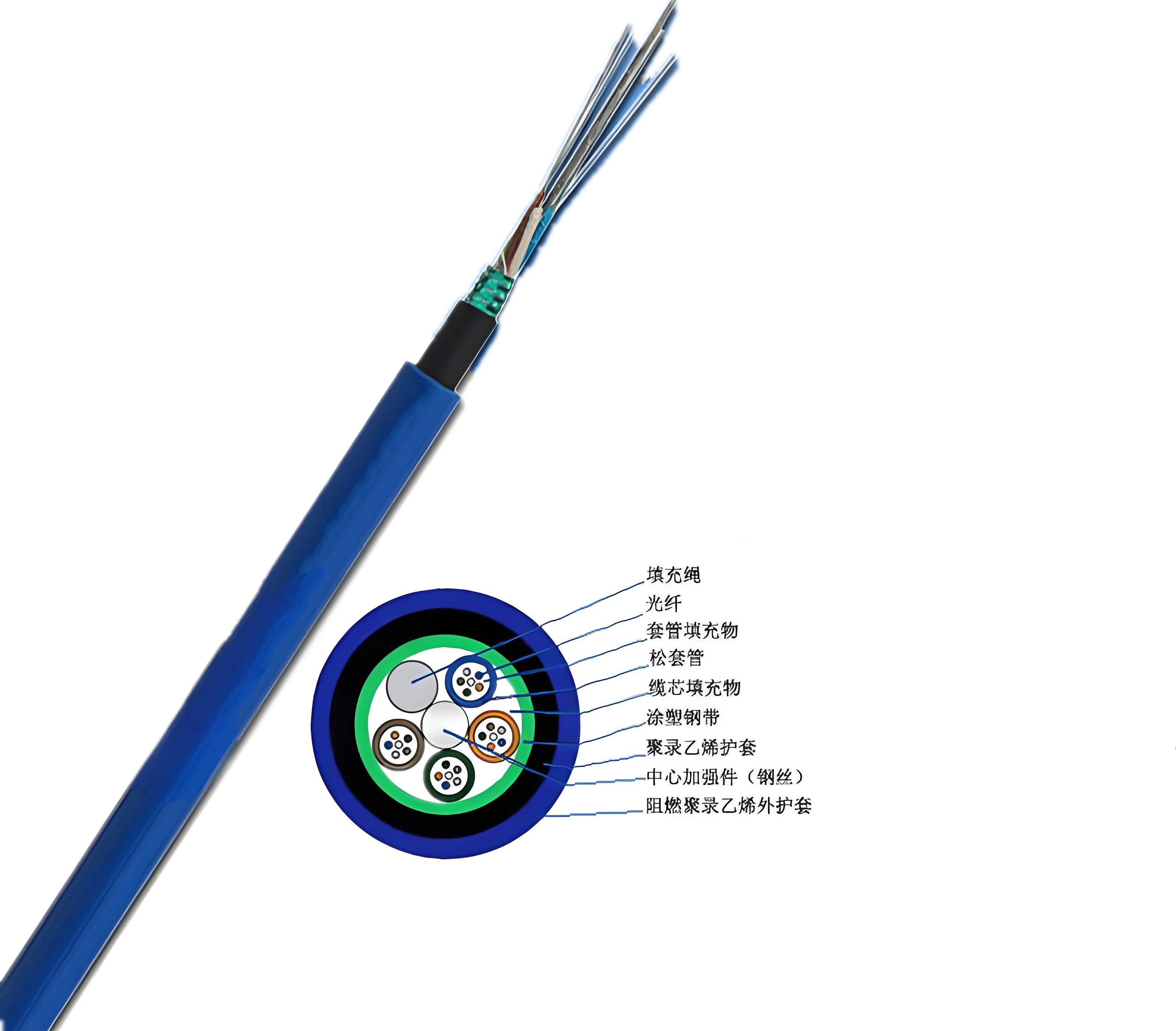


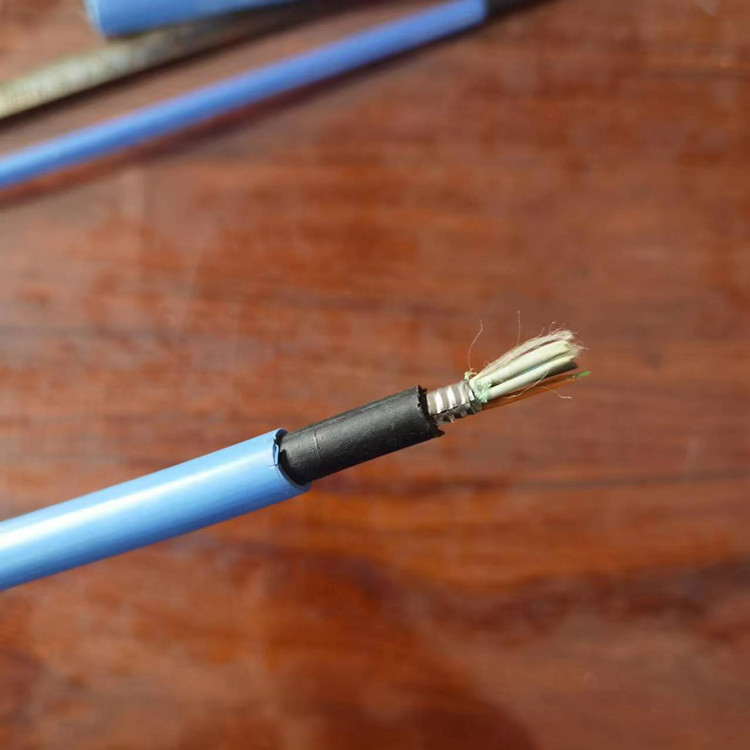







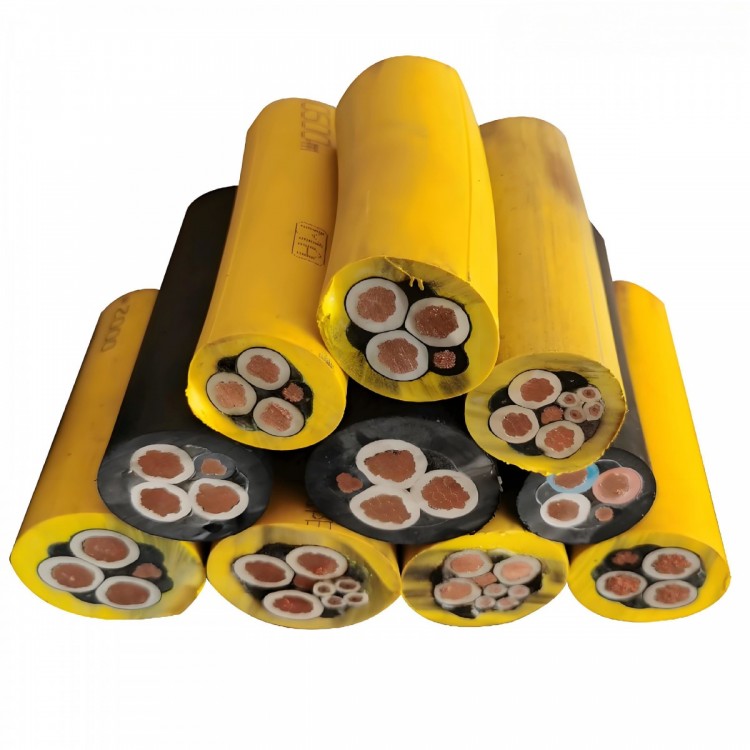
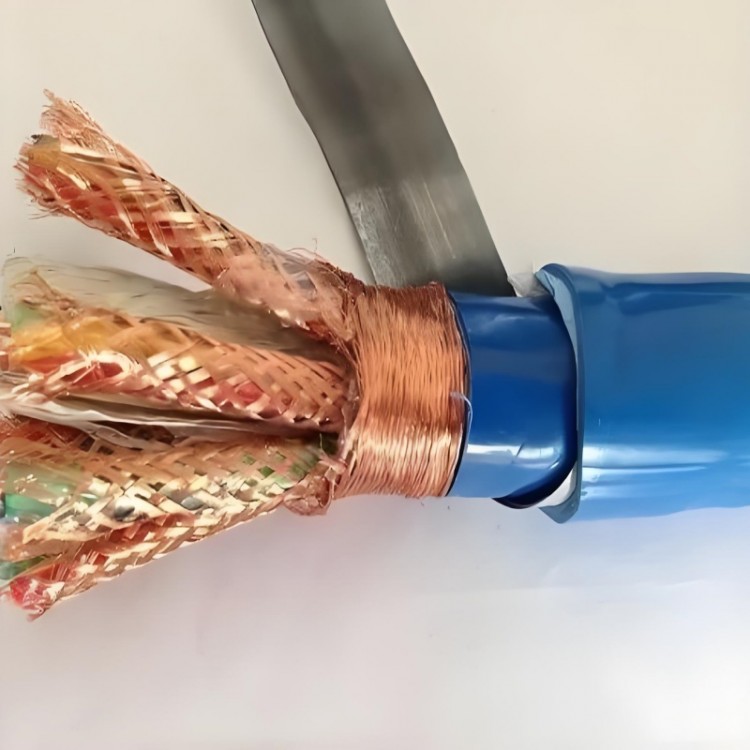


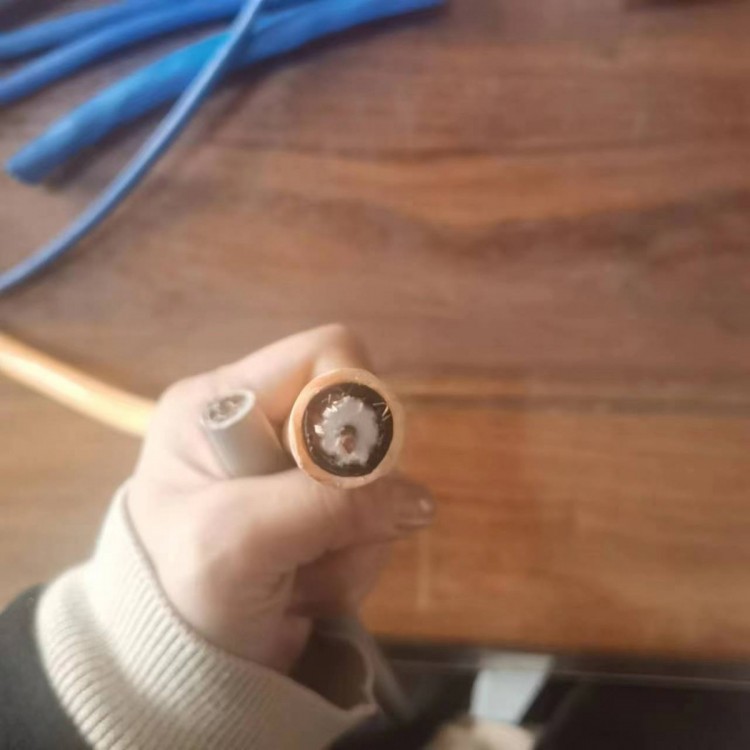
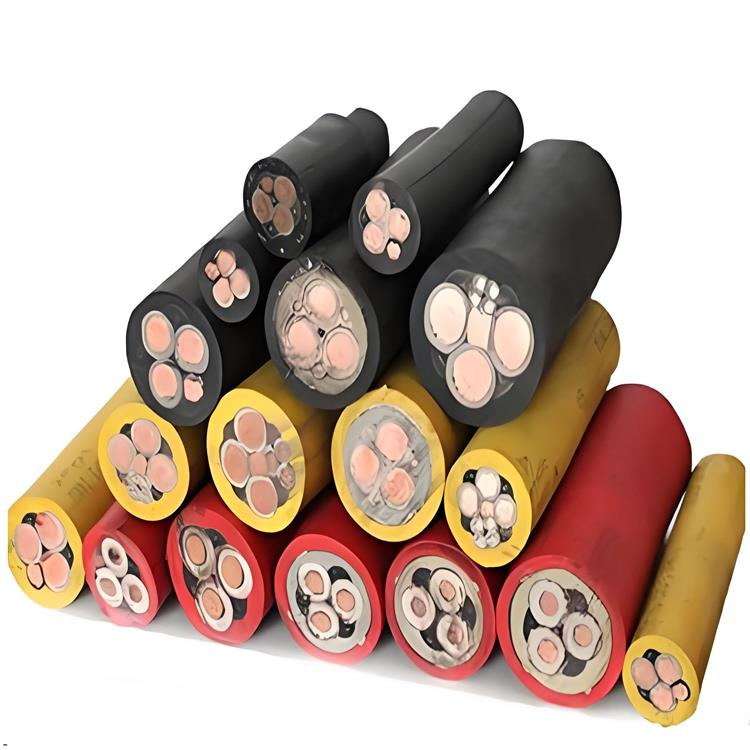
MGXTSV-12B Fiber Optic Cable

1. Categorized based on the transmission medium within the optical cable—光纤 (glass or plastic fiber)—into: Single-mode Fiber and Multimode Fiber.
2. Mining optical cables are further categorized based on the characteristics of the selected fiber: Single-mode optical cables and Multimode optical cables.
3. Single-mode (B): Indicates that only one wavelength (frequency) is transmitted through the medium (usually silicon dioxide, i.e., glass), via a conductor slightly thicker than a hair (commonly referred to as glass fiber).
Crisp, brittle, and strong (with significant tensile strength), it is nearly the opposite in mechanical properties to a hair fiber. Due to inconsistencies in light transmission performance caused by the other components of the medium, single-mode fibers are further subdivided into:B1.1 (Non-dispersive Shifted Single-mode Fiber ITU-T G652) and B4 (Non-zero Dispersive Shifted Single-mode Fiber ITU-T G655), generally, wavelengths of 1310nm or 1550nm can be used, with B1.1 being the primary single-mode fiber, sometimes simply referred to as "B" (non-standard term).
4. Multi-mode A1 (ITU-T G651): Indicates that multiple wavelengths (frequencies) can be transmitted simultaneously over this medium (single-mode). The multi-mode fiber, which is slightly thicker than a hair (commonly referred to as such), is further divided into A1a (50/125) and A1b (62.5/125), collectively known as ITU-T G651. The wavelengths commonly used are typically 1310nm or 850nm.
5. About Fiber Optic Transmission Distance
Generally, single-mode transmission without regeneration can reach120km, multimode is 2km; 10/100/1000M optical signals can generally reach 60-80km over single-mode transmission without repeaters; multimode ranges from 500m to 50/125um; 200m to 62.5/125um. Therefore, multimode is typically used indoors or for patch cables, while single-mode is used outdoors for long-distance transmission.