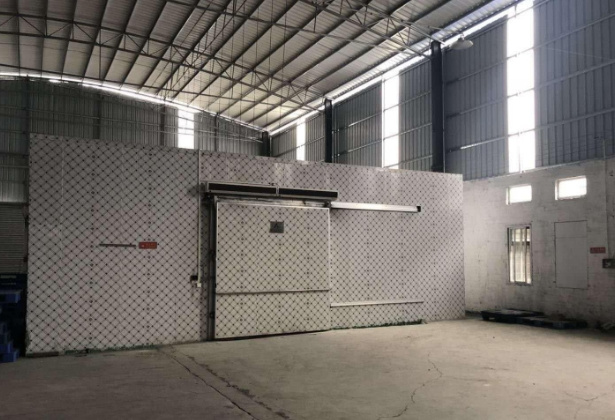

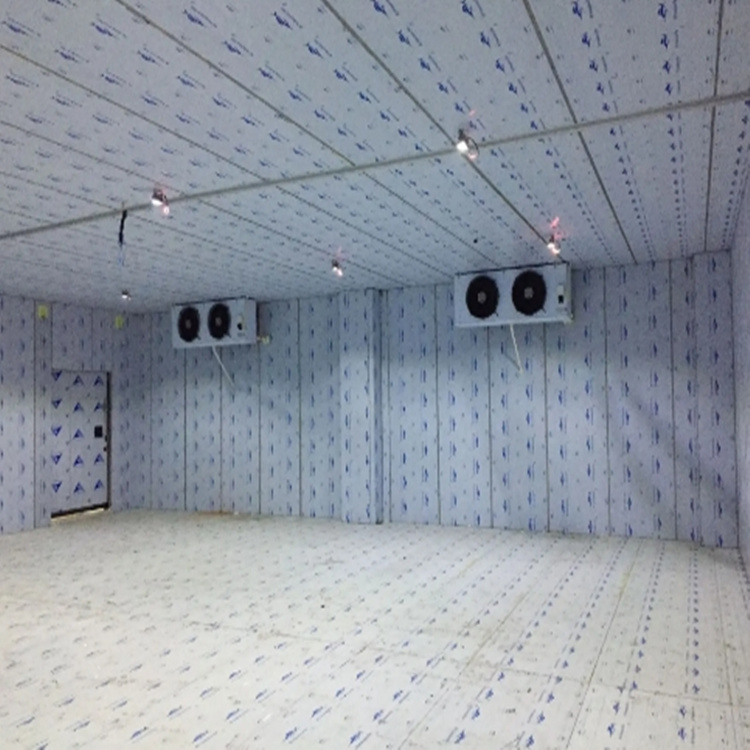

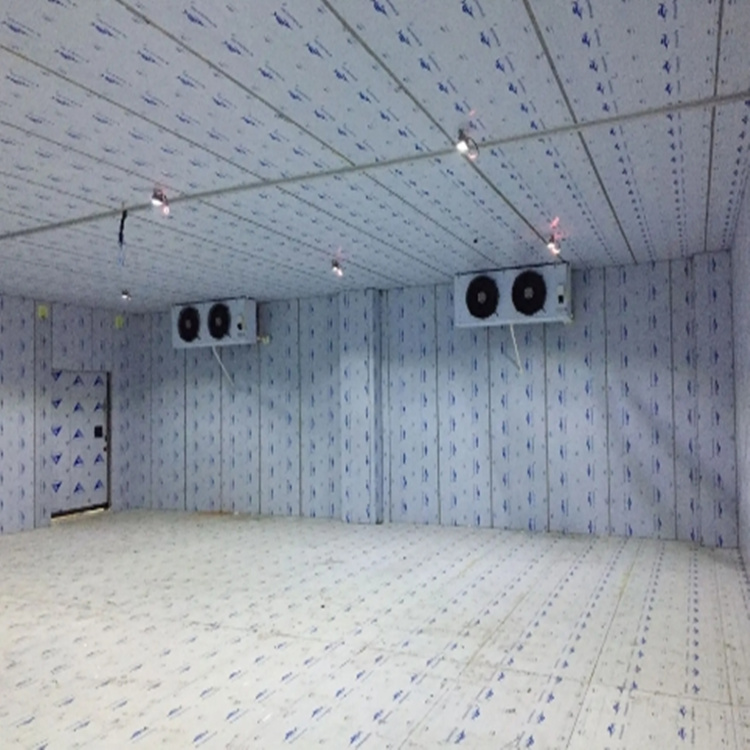
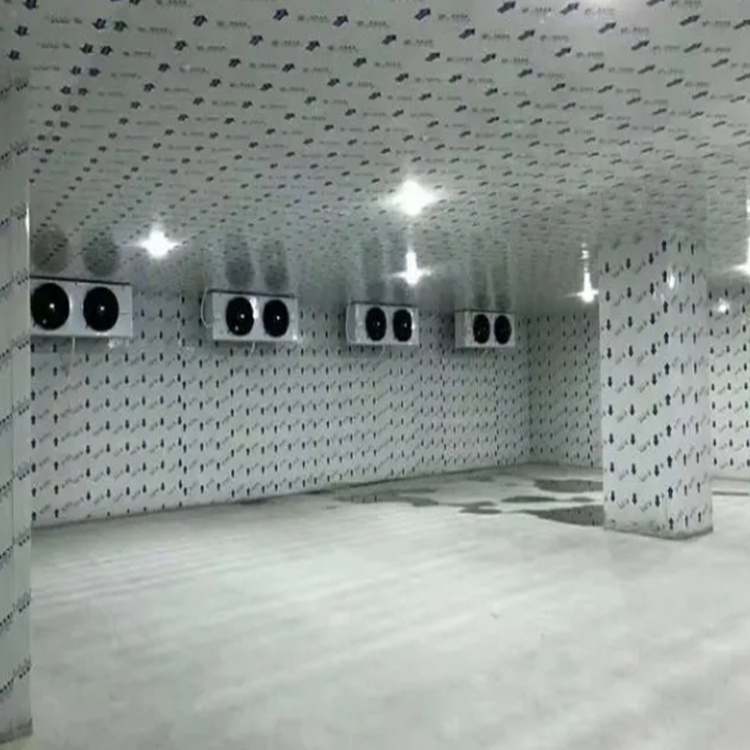
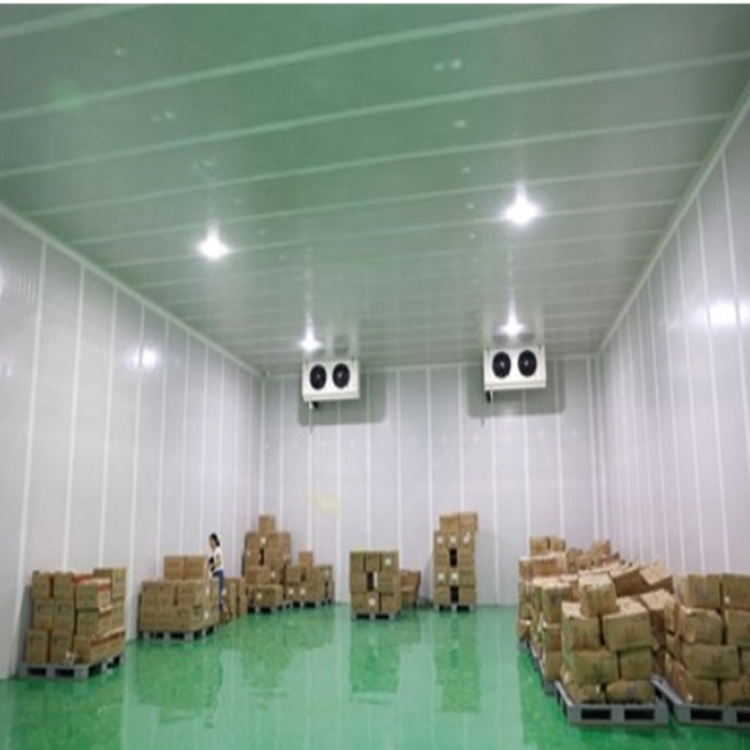











Food cold storage is primarily used to provide a low-temperature environment for maintaining the freshness and nutritional value of food; it also offers storage space for集中storing large quantities of food. Typically, food cold storage is utilized for storing a variety of food items such as vegetables, fruits, meats, seafood, and dairy products. By manually controlling temperature and humidity, food cold storage can slow down the rate of food spoilage, effectively extending the shelf life and preserving the quality of the food.
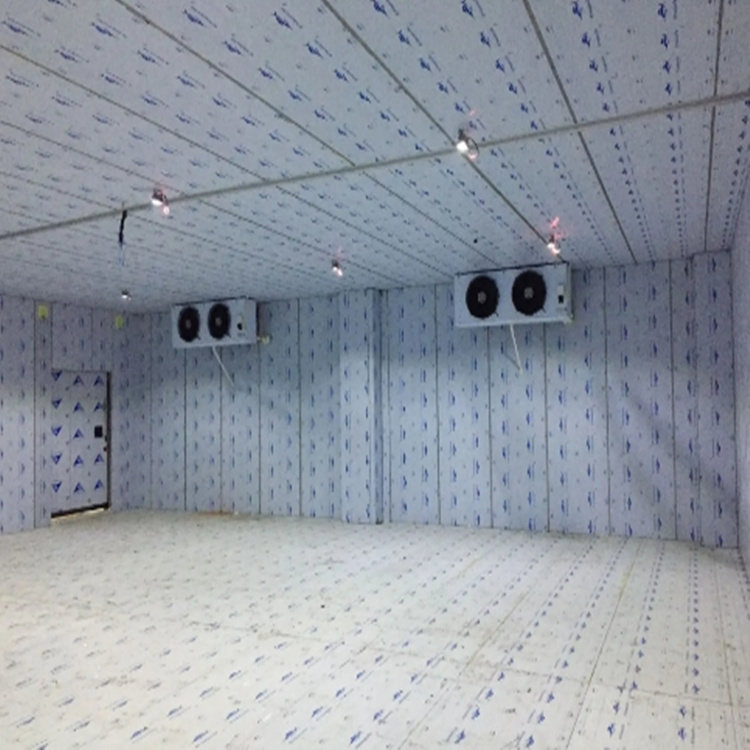
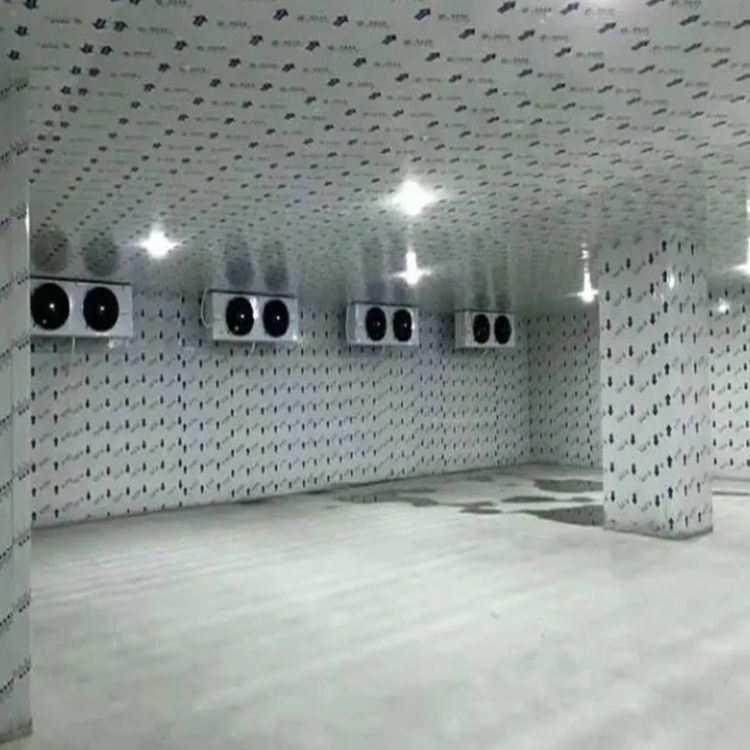
The structural design of the food cold storage is divided into three parts: insulation layer, refrigeration equipment, and goods storage area.
1. The insulation layer is a separating layer inside and outside the cold storage, commonly composed of insulating materials such as rock wool and clay, used to reduce heat conduction.
2. Refrigeration equipment includes compressors, evaporators, condensers, etc., which expel heat from the interior of the cold storage through conduction, convection, and radiation, maintaining a low-temperature environment inside the cold storage.
3. The storage area is typically composed of shelves and pallets, designed for housing various types of food, ensuring rational storage and retrieval.