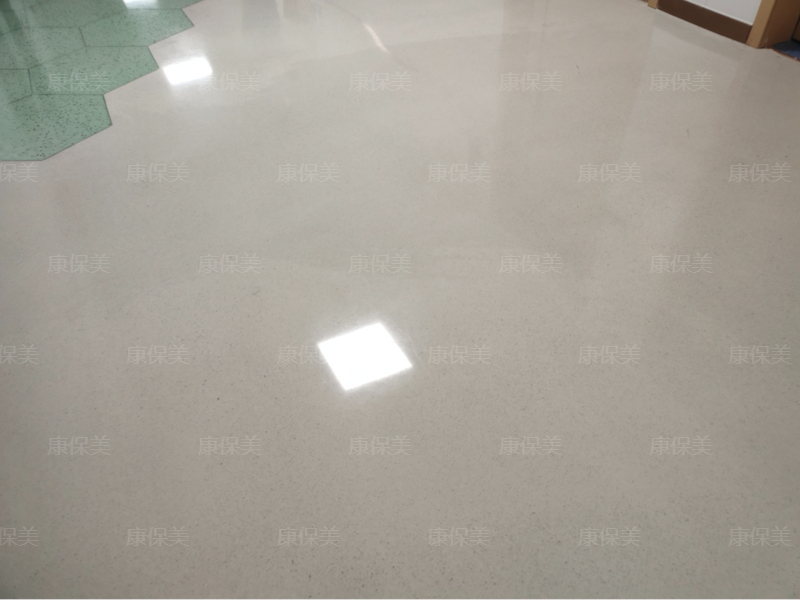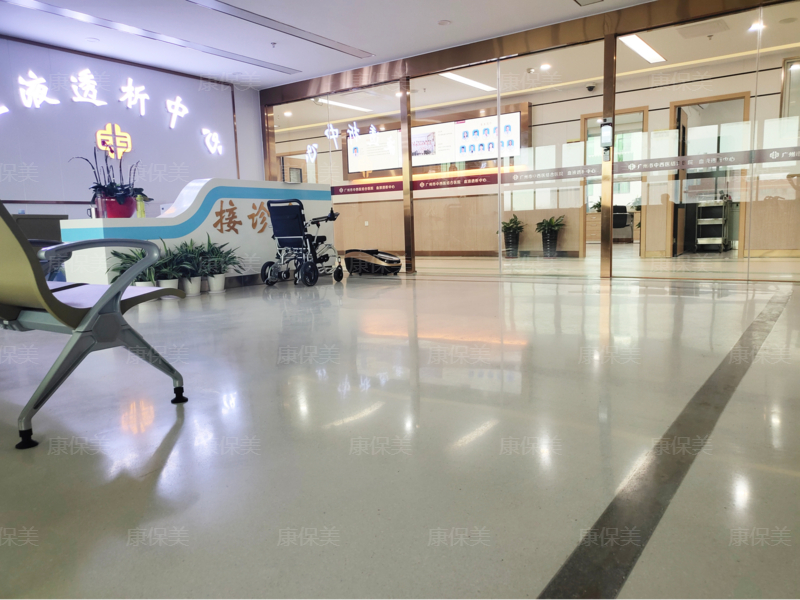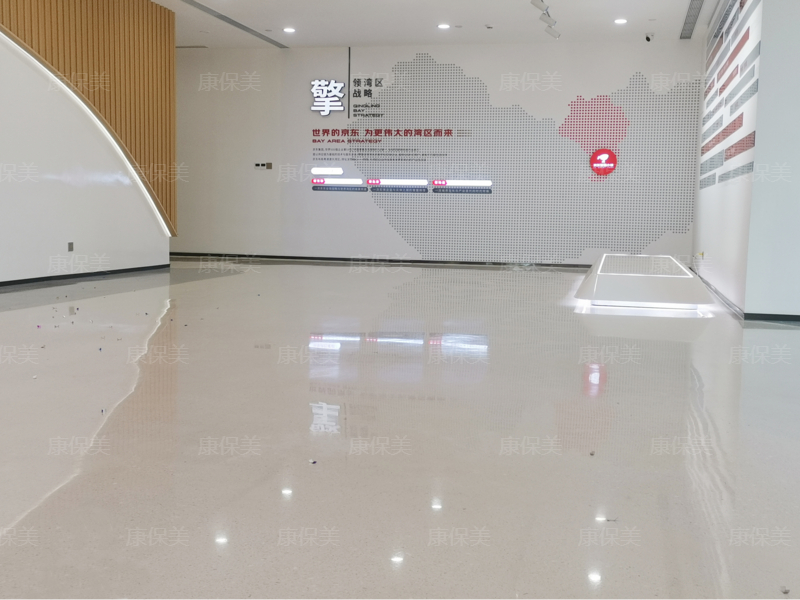










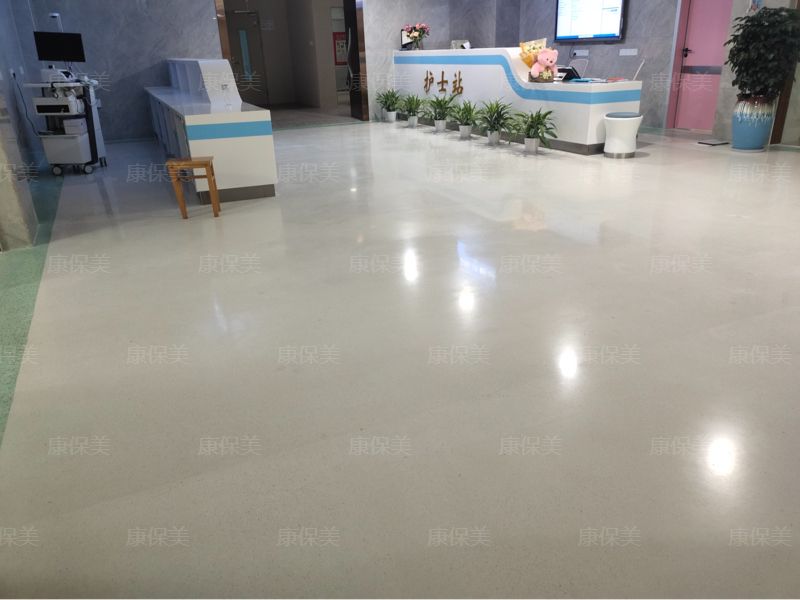
Inorganic terrazzo floors are commonly used in buildings such as schools, institutions, and shopping malls, which have high foot traffic, resulting in a significant amount of dust and debris accumulating on the floors daily. However, there's no need to worry; the following will explain the daily maintenance and cleaning methods for inorganic terrazzo floors. The most common cleaning methods for deposits: Sand and debris: Due to the seamless nature of inorganic terrazzo, sand and debris are easily noticeable, so simply sweeping visible particles and dusting or wiping away the dust can effectively prevent scratching the floor. Liquids and oil stains: Coffee, water, tomato sauce, and countless other liquids, sticky substances, or spillable materials often end up on inorganic terrazzo floors. In such cases, a damp mop is sufficient. However, it's important to note that these liquid components can渗透 into the terrazzo, so they must be cleaned up promptly. Precautions: For daily cleaning of inorganic terrazzo, only a broom, a mop, and a bucket of water are needed. If cleaning adhesives, chewing gum, and the like, which the water cannot remove, it is recommended to use a neutral cleaning agent. Absolutely do not use the following two types of cleaners: Acidic cleaners: These cleaners can dull the luster of inorganic terrazzo and, with prolonged use, can even erode the surface, leaving etching or scratches. Bleach: Bleach is corrosive and can erode polishers, darkening the floor's luster and making it look spotted.