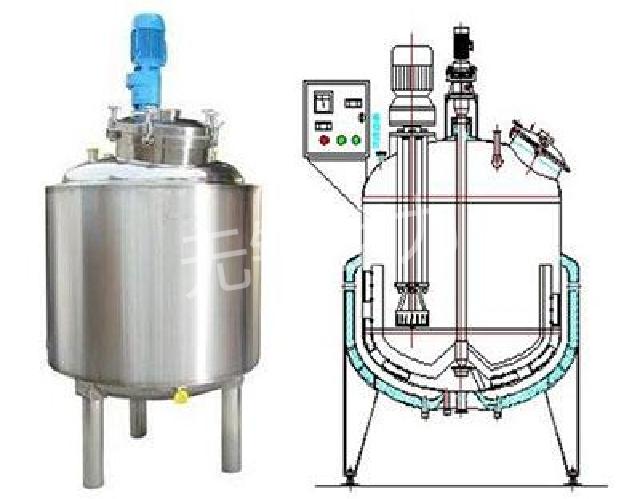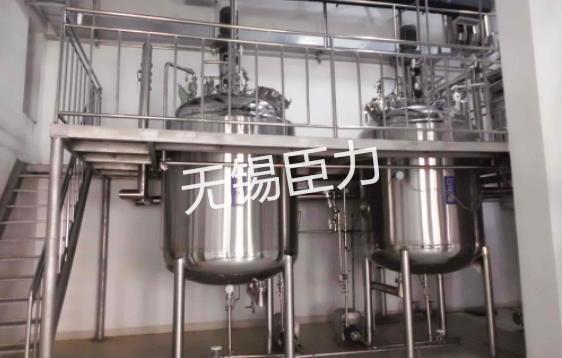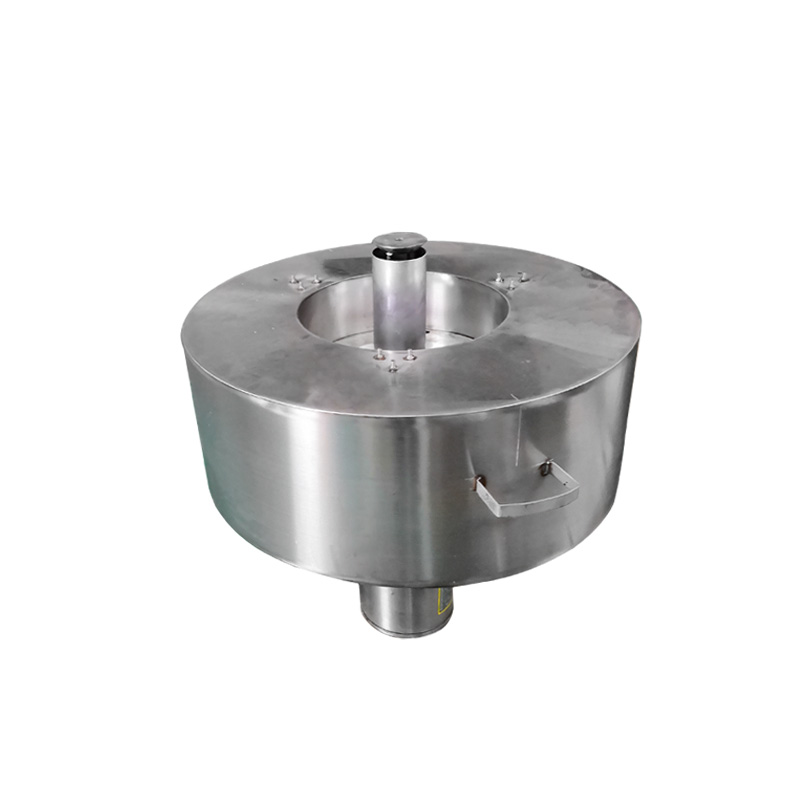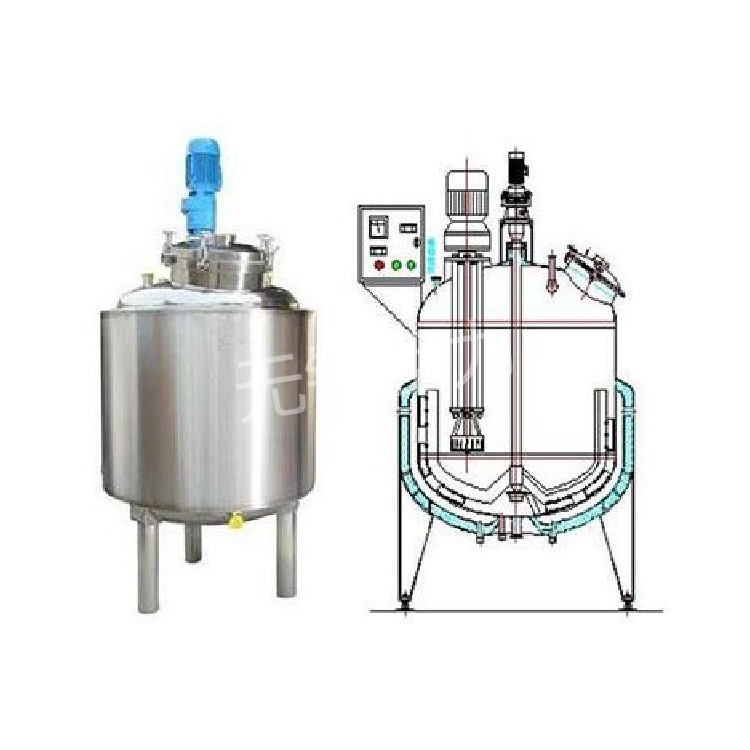

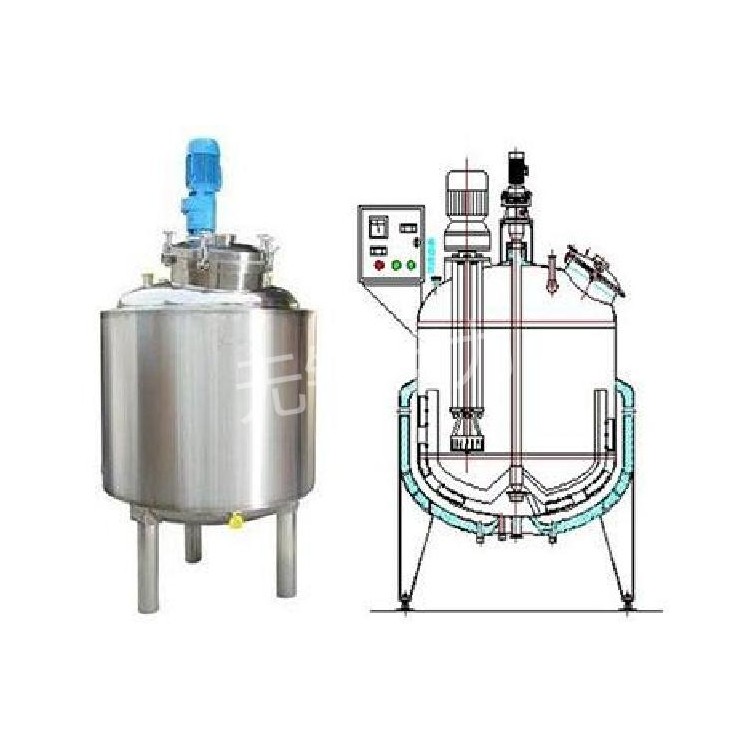
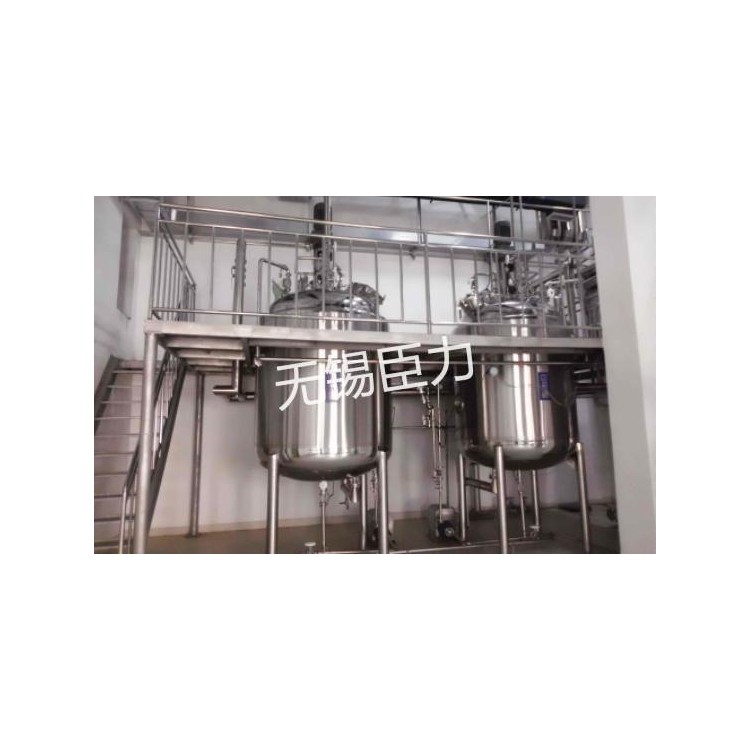
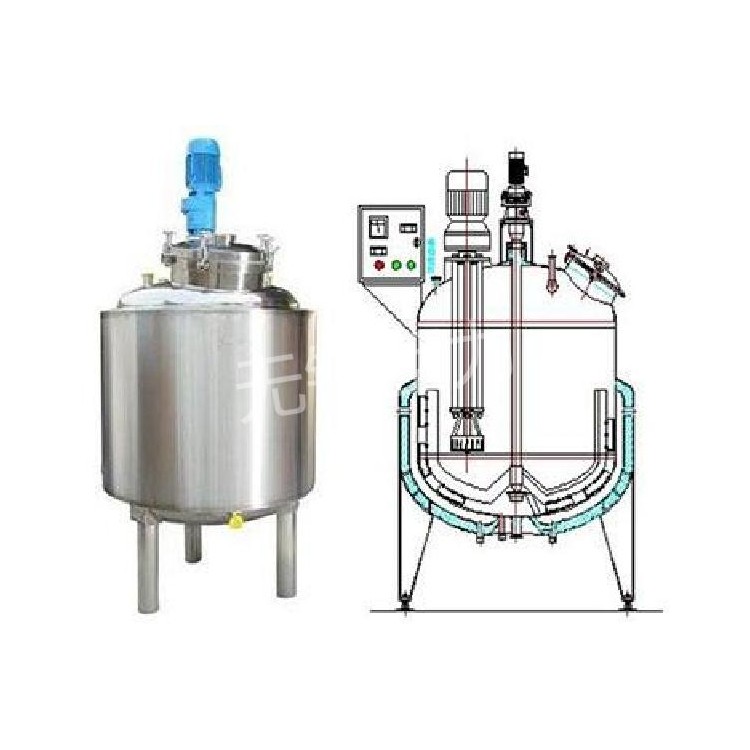


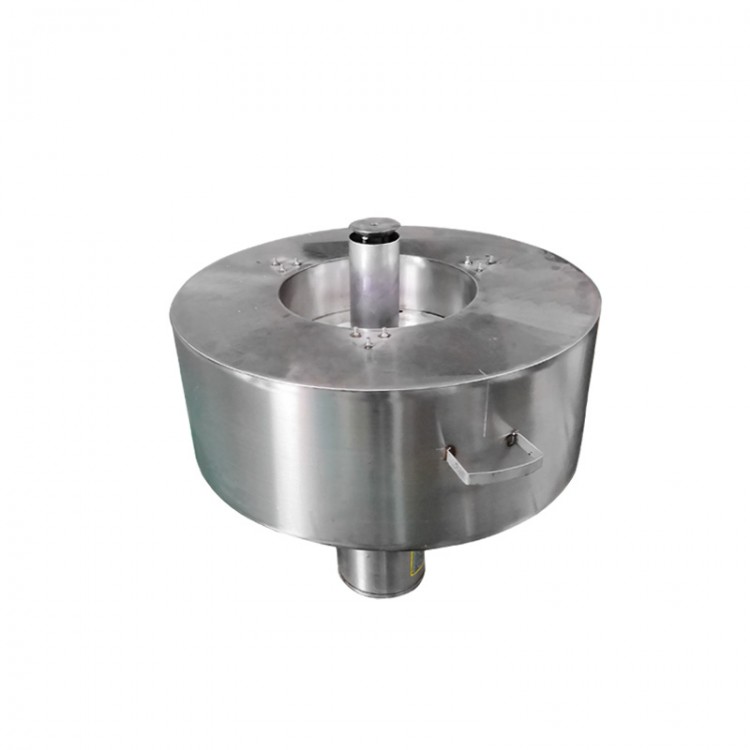
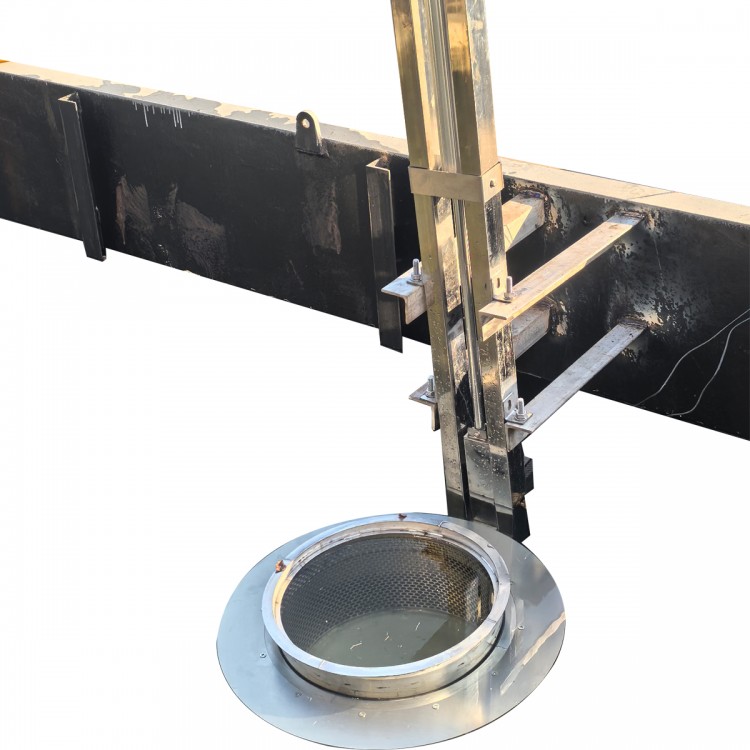
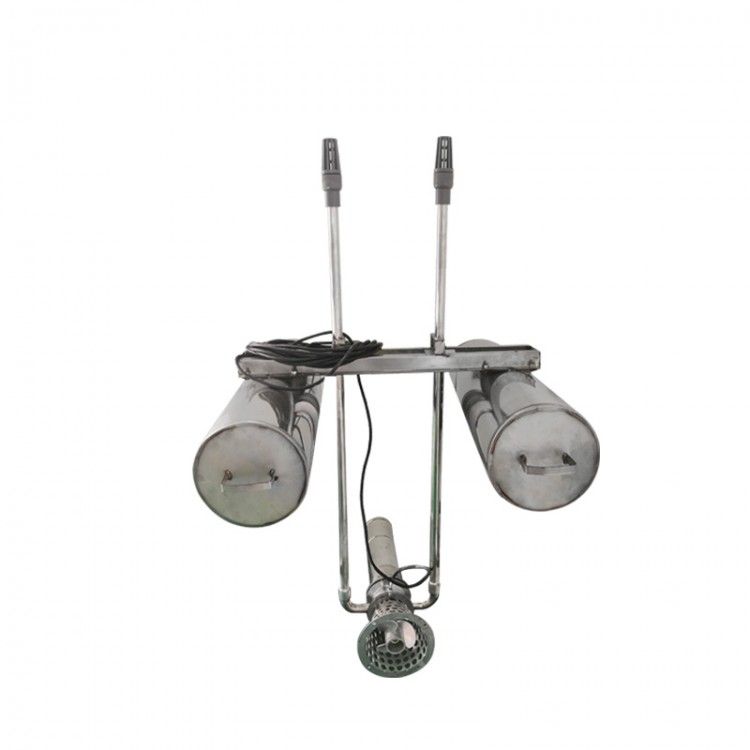
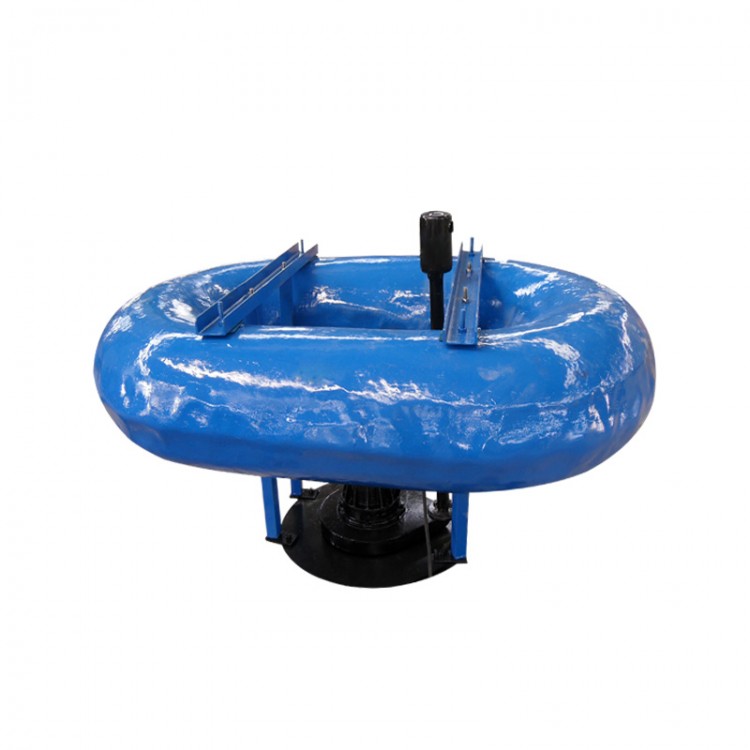





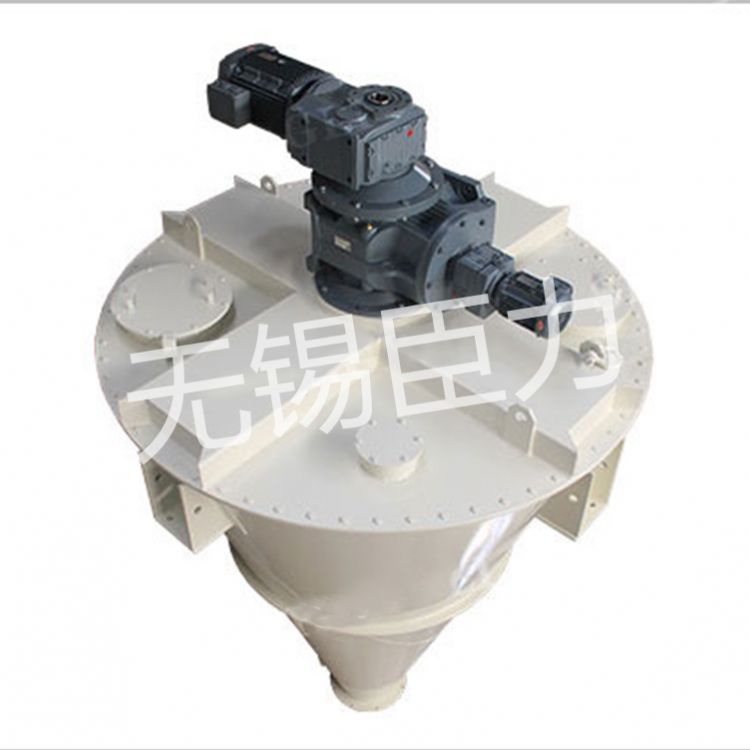
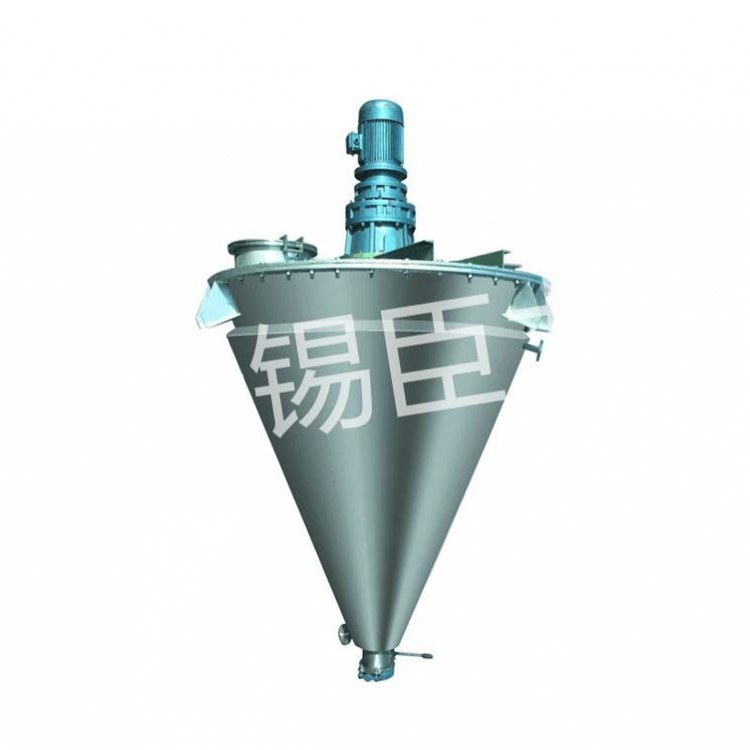
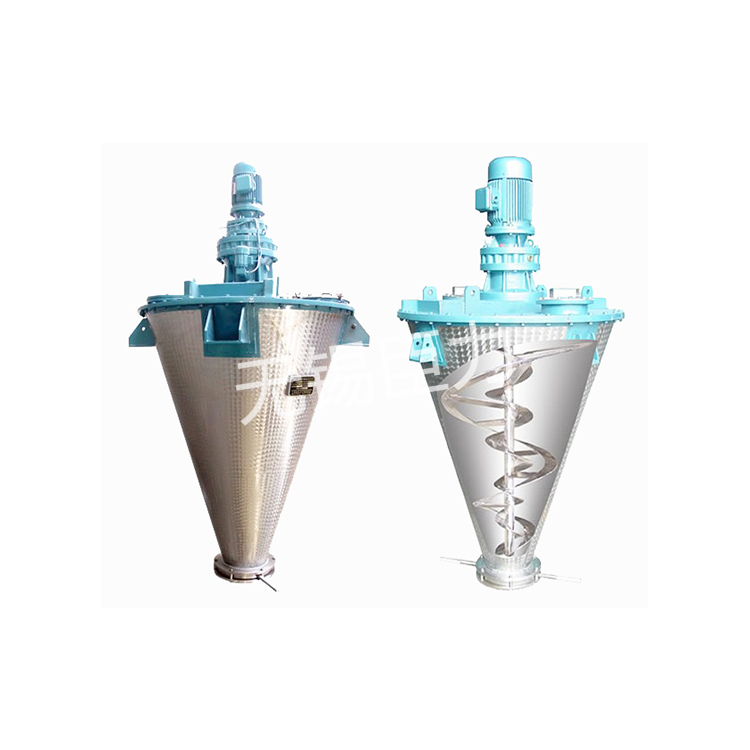
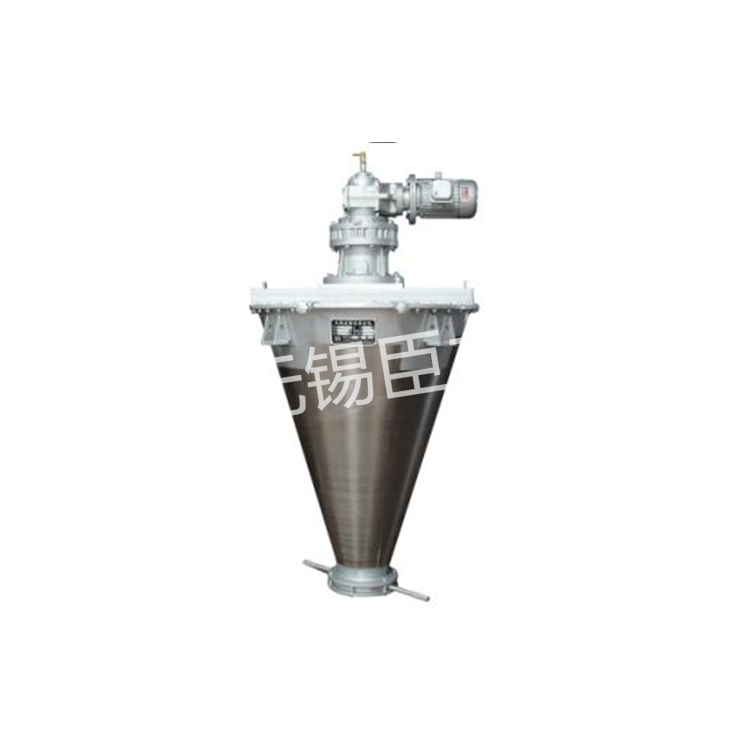
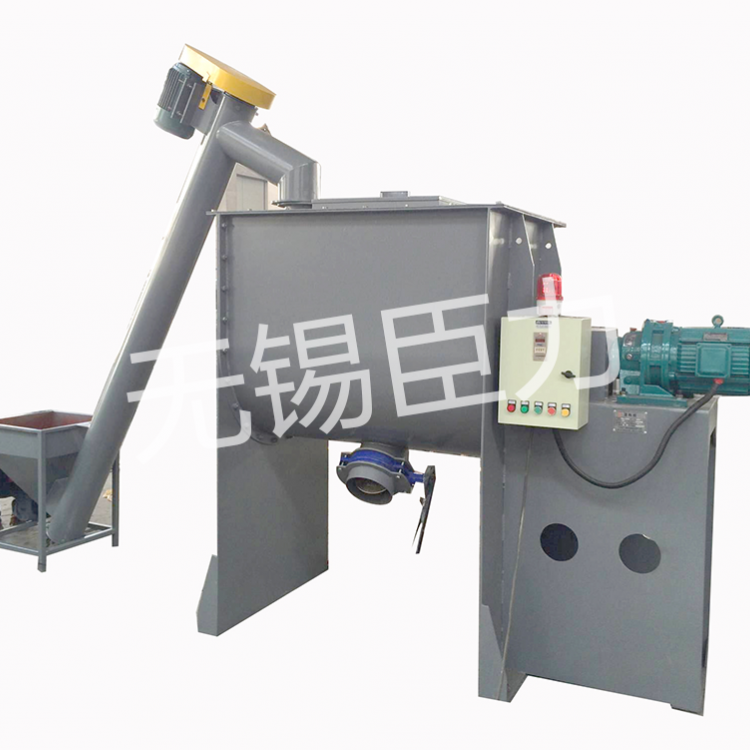
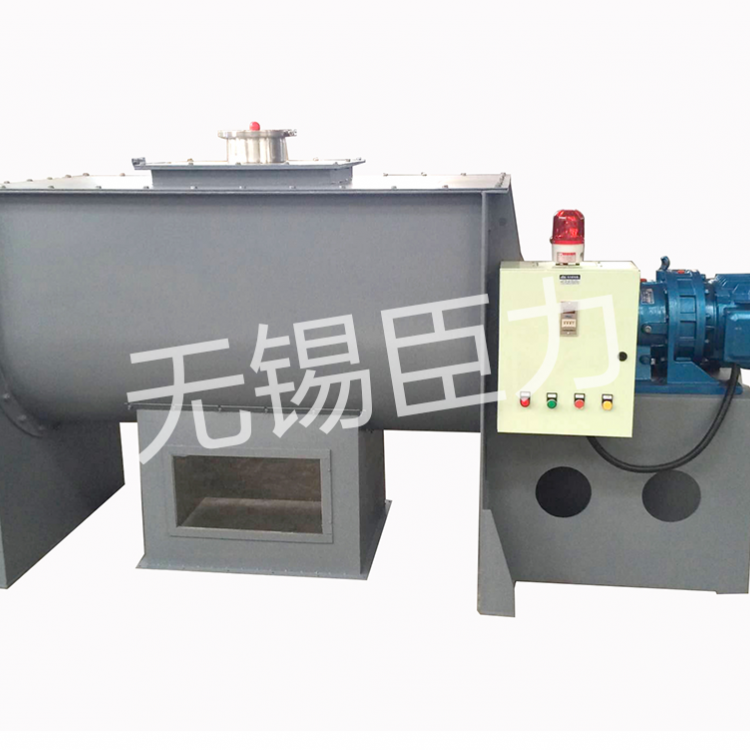
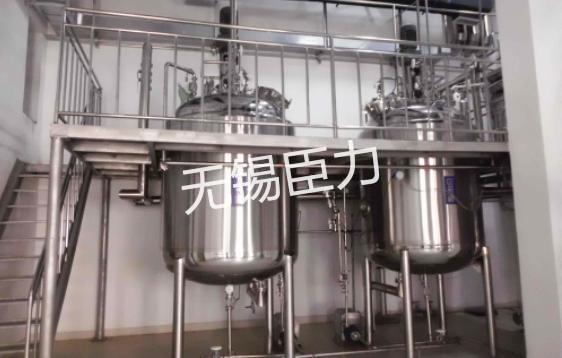
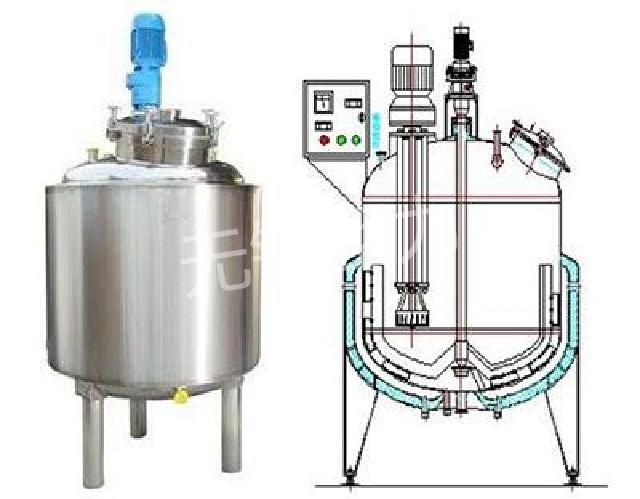
The Mixing Vessel is widely used in industries such as coatings, pharmaceuticals, building materials, chemicals, pigments, resins, food, and scientific research. The equipment can be manufactured from materials like carbon steel and stainless steel according to the process requirements of the user's product, and it can be equipped with heating and cooling systems to meet various process and production needs. Heating methods include jacket electric heating and coil heating. The equipment features a reasonable structure design, advanced technology, durability, and ease of operation, making it an ideal chemical equipment with low investment, quick startup, and high returns.
Blender Vessel Uses and Features
Mixing tanks are designed for mixing, blending, blending, and homogenizing materials. Stainless steel mixing tanks are structured and configured according to production process requirements, offering both standardization and user-friendliness. During the mixing process, the tanks can achieve material feeding control, discharge control, mixing control, and other manual and automatic controls.
Blender tank structure
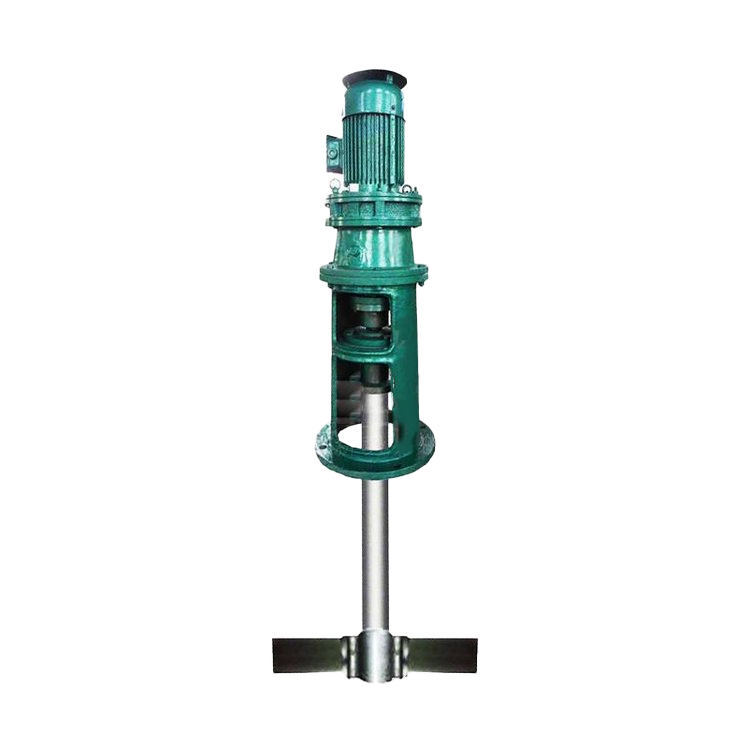
The mixing tank is composed of the tank body, tank cover, agitator, support, transmission unit, and shaft seal, and can also be equipped with heating or cooling devices according to process requirements.
Types of Blenders
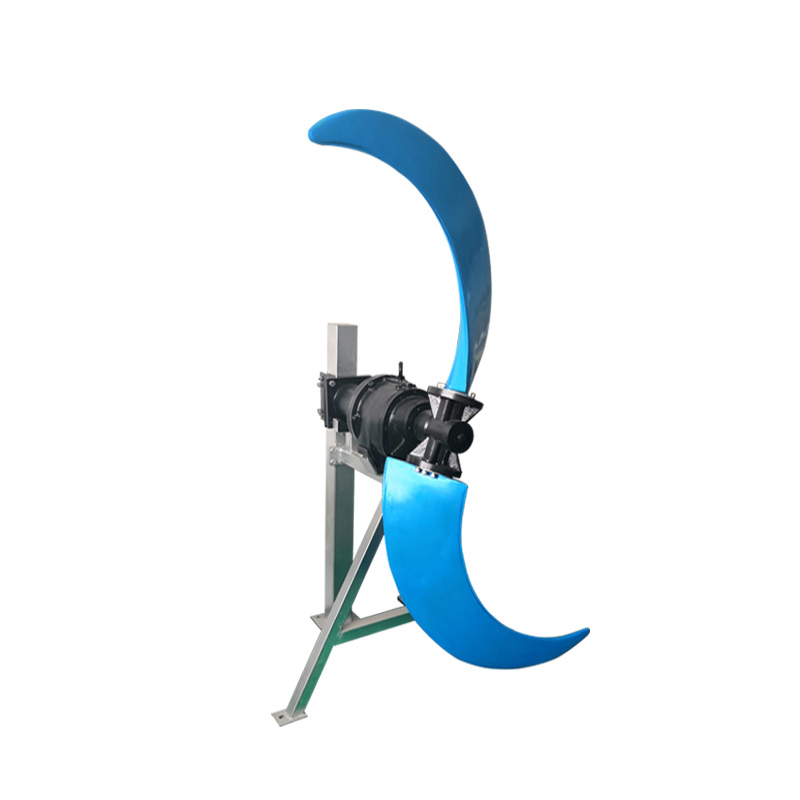
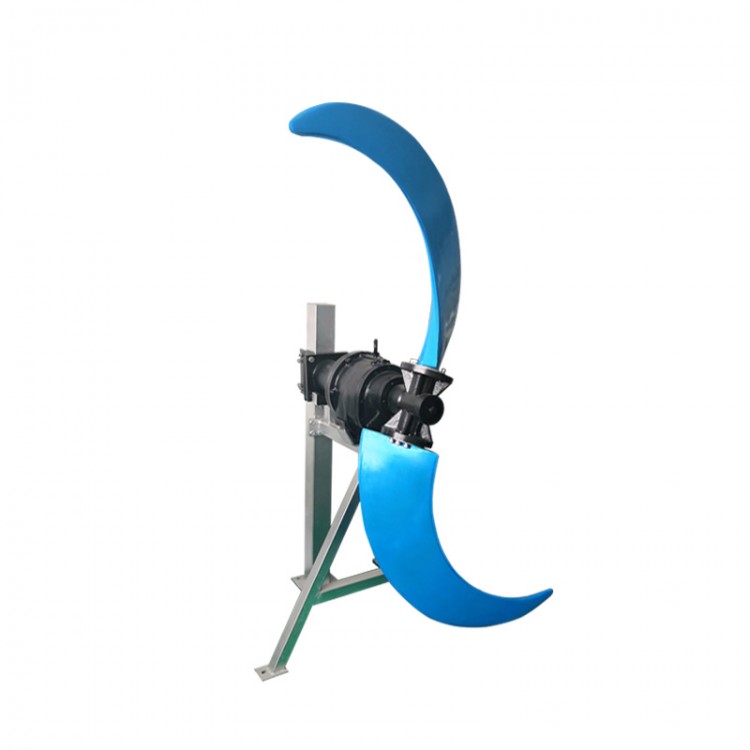
① Propeller mixers are composed of 2 to 3 propeller blades with forward curved blades. They operate at high rotational speeds, with the peripheral speed of the blade tips typically ranging from 5 to 15 m/s. Propeller mixers primarily generate axial flow, creating a high circulation volume and are suitable for mixing low viscosity liquids (≤2 Pa.s), emulsions, and suspensions with less than 10% solid particle content. The shaft of the mixer can also be inserted horizontally or diagonally into the tank, at which point the circulation path of the liquid flow is asymmetric, which can increase turbulence and prevent the formation of surface depressions.
② Turbine mixers consist of 2 to 4 straight or curved blades installed on a horizontal disk. The ratio of the outer diameter, width, and height of the blades is typically 20:5:4, and the circumferential speed is usually between 3 to 8 m/s. As the turbine rotates, it generates highly turbulent radial flow, suitable for dispersing gases and immiscible liquids, as well as for liquid-liquid phase reaction processes. The viscosity of the liquid being stirred generally does not exceed 25 Pa·s.
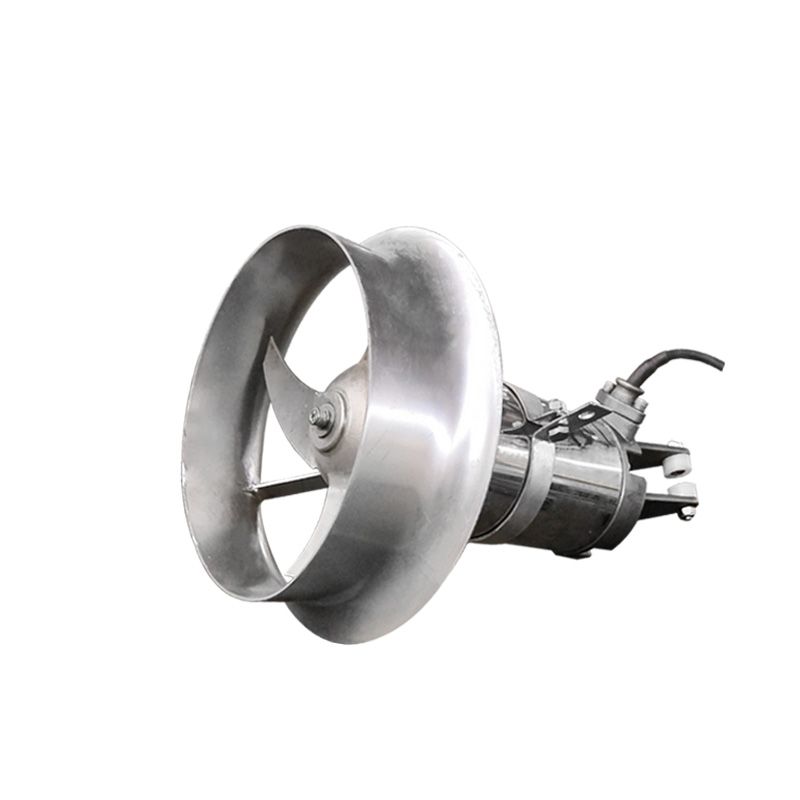
③ Propeller Mixers: Available in flat and inclined types. The flat propeller mixer consists of two straight blades. The ratio of blade diameter to height is 4-10, with a circumferential speed of 1.5-3 m/s, resulting in low radial fluid flow velocity. The inclined propeller mixer has two blades set at 45° or 60° to each other, creating axial fluid flow. Propeller mixers have a simple structure and are commonly used for mixing low-viscosity liquids, as well as dissolving and suspending solid particles.
④ Anchor Stirrer - The blade edge shape should match the inner wall of the mixing tank, with only a small gap between them, which can remove sticky reaction products adhering to the tank wall or solid particles accumulated at the bottom, maintaining good heat transfer efficiency. The peripheral speed of the blade edge is 0.5 to 1.5 m/s, suitable for stirring Newtonian fluids and pseudoplastic fluids with a viscosity up to 200 Pa·s (see Viscous Fluid Flow). However, when stirring highly viscous liquids, there is a significant stagnant area within the liquid layer.
⑤ Screw blade mixer - The outer diameter of the screw is equal to the pitch, specifically designed for stirring high viscosity liquids (200-500 Pa·s) and pseudoplastic fluids, typically operated in a laminar flow state.
Application Scope
Suitable for liquid storage tanks, mixing tanks, temporary storage tanks, water storage tanks, etc.
Suitable for food, dairy products, juice drinks, pharmaceutical chemicals, and biotechnology fields.
Blender Tank Overview
Blending tanks are used for material storage, blending, mixing, mixing, homogenization, and sediment prevention, and are made of materials such as carbon steel, stainless steel, lined with Teflon, PE, and PU, based on the process requirements of the customer's product. During the blending process, the tank can achieve feed control, discharge control, blending control, and other manual and automatic controls.
Product Principle
The agitator blades rotate in a fixed direction driven by the power unit; during rotation, they force the material to undergo axial and radial rotations. The material inside the mixer simultaneously exhibits axial and circular movements, thus involving several types of agitation, such as shearing and diffusing. It effectively disperses and agitates the material, preventing sedimentation.
Composition
The mixing tank is composed of the tank body, tank cover, agitator, support, transmission unit, and shaft seal device, etc.
The materials for mixing tank bodies, lids, agitators, shaft seals, etc. can be selected from carbon steel or stainless steel based on different process requirements.
The mixing tank body and cover can be sealed with flange connections or welded joints. The tank body and cover can be equipped with process holes for feeding, discharging, observation, temperature measurement, pressure measurement, steam distillation, and safety venting, as per process requirements.
The mixer tank is equipped with a transmission device (motor or reducer) on its cover, which drives the stirrer inside the tank via a drive shaft.
Due to varying user process requirements, the agitator can be configured in various forms, such as paddle, anchor, box, spiral, and disk dispersal. (For other requirements, please contact our factory for a custom design and production.)
Technical Specifications
Power supply: 380V, 50Hz or custom-made according to customer requirements
Power Range: 0.18~75 kW
Processing Volume: 10-10,000L
Agitator speed range: 0~1440 rpm
Configuration Options: Contact Material: SUS304 Stainless Steel, SUS316L Stainless Steel, Carbon Steel, Teflon, PE, PU, PP, Polyurethane, etc.
Speed Regulation: Variable Frequency Speed Control or Fixed Speed
Fixed Method: Platform Type, Leg Type
Work head configuration: scraper-type propeller blade with anchor, frame-type propeller blade, folding-type propeller blade
Installation Method: Top-mounted