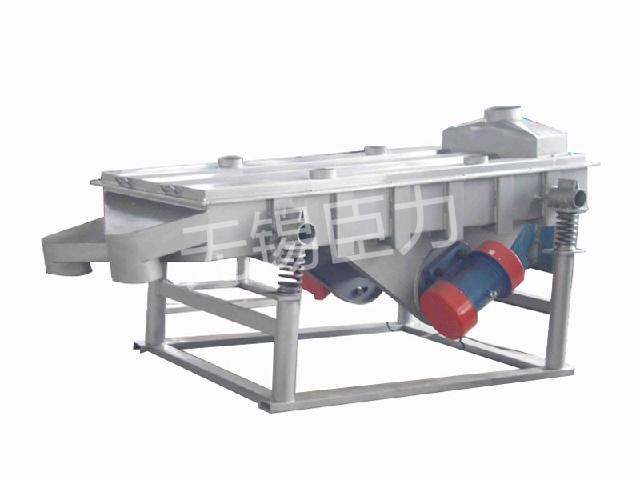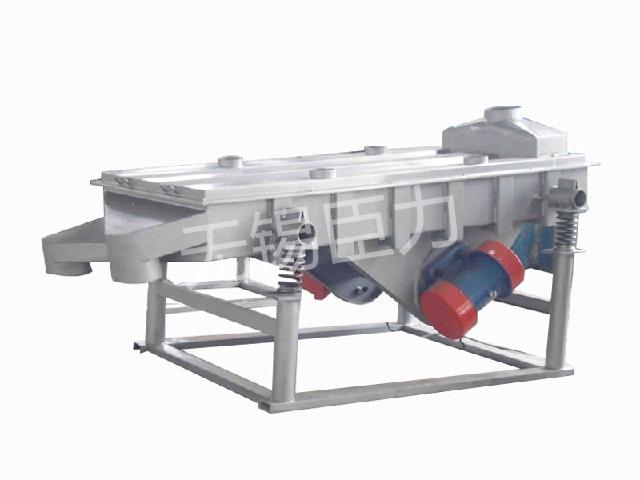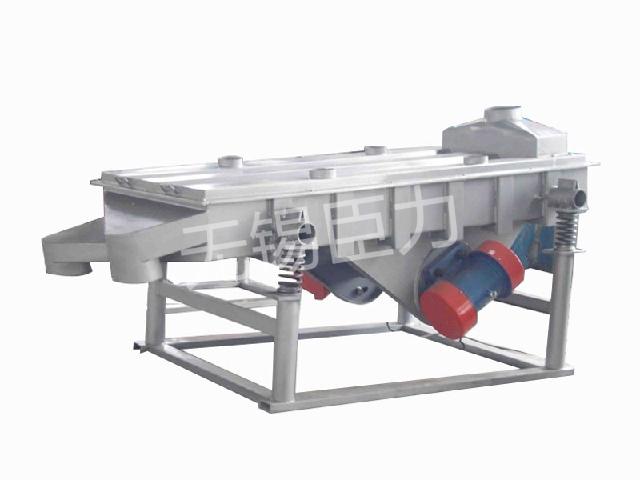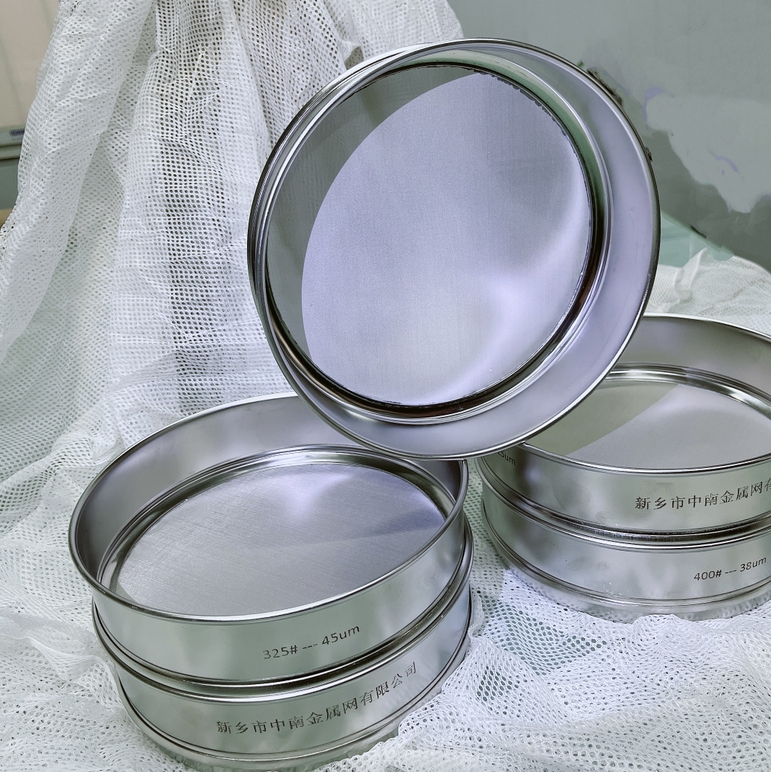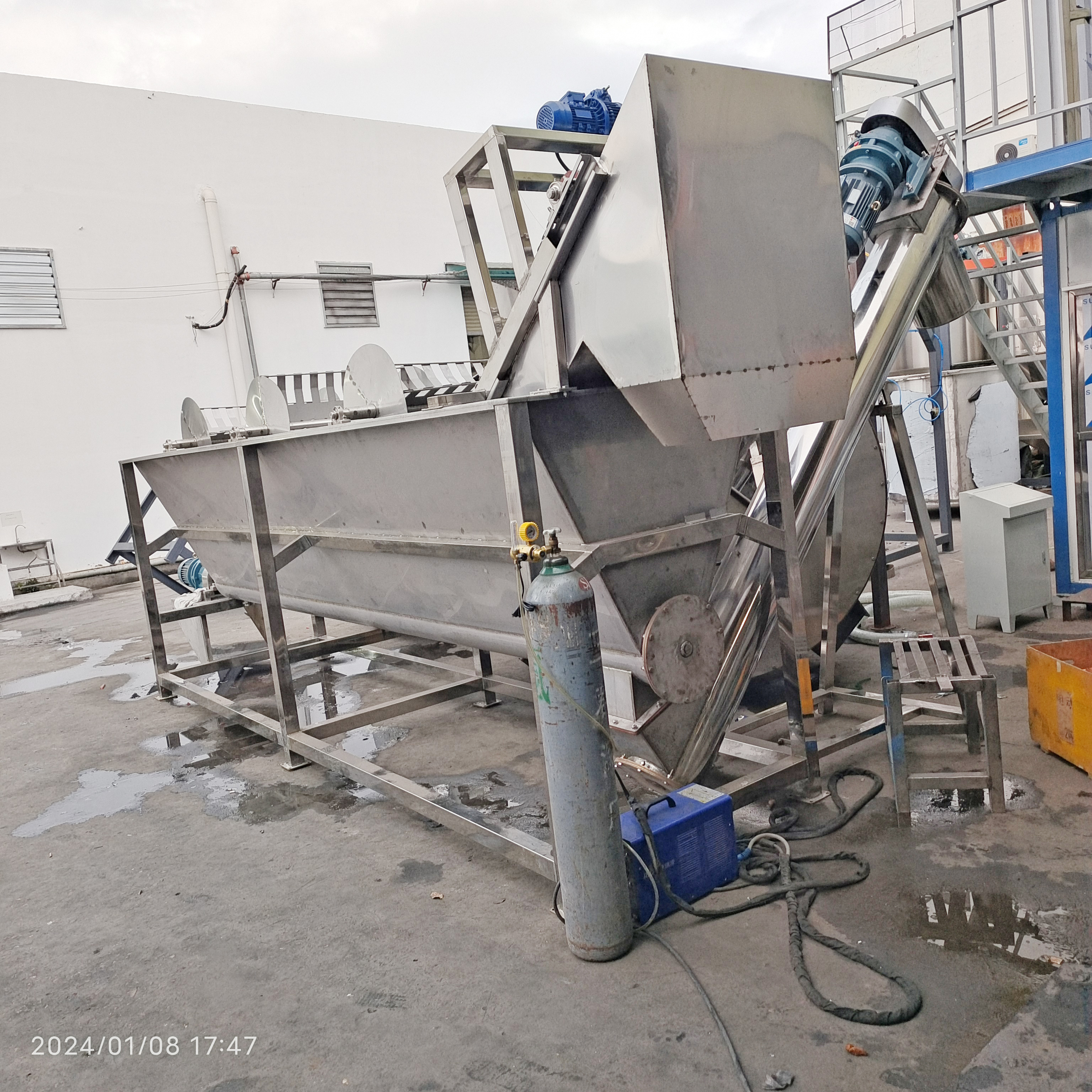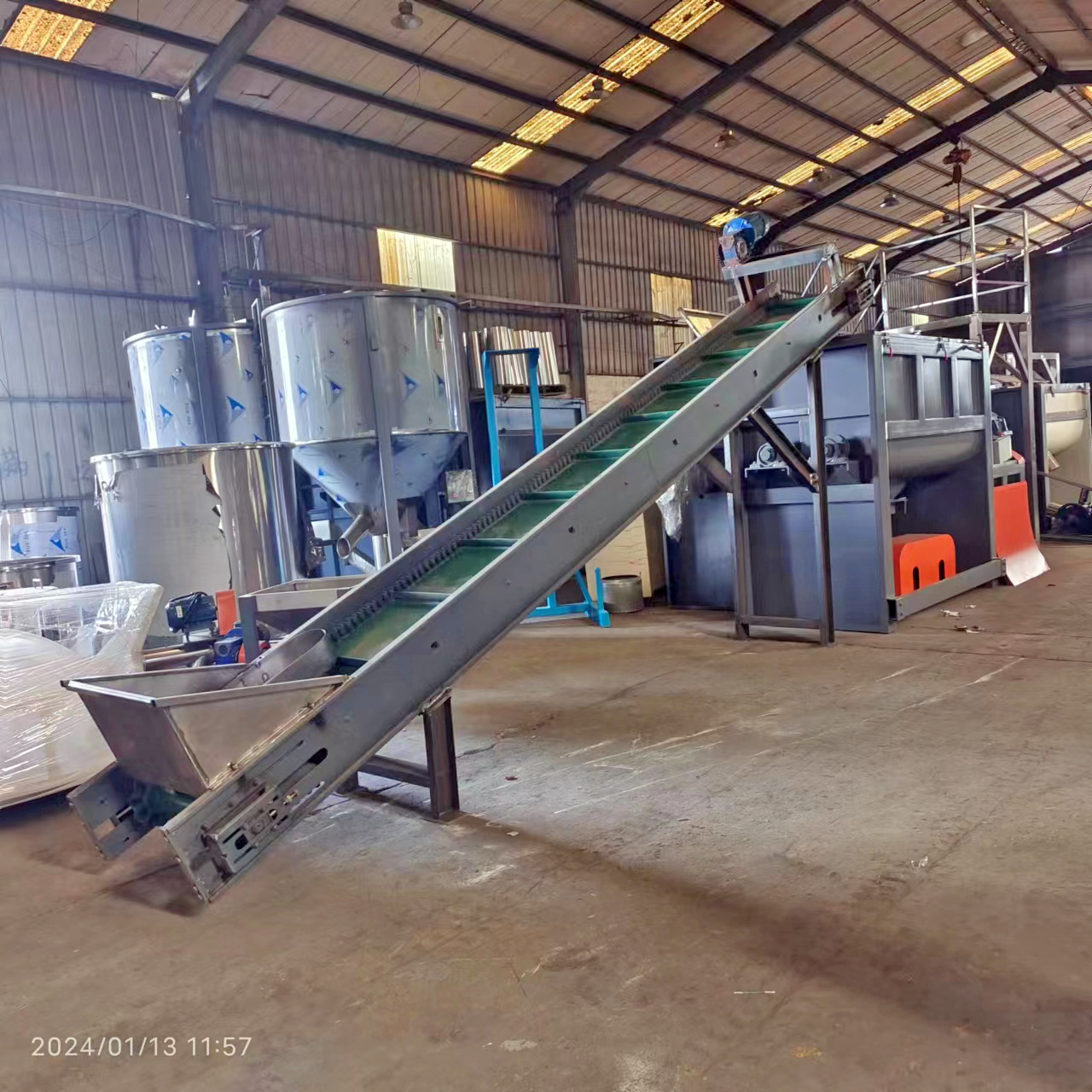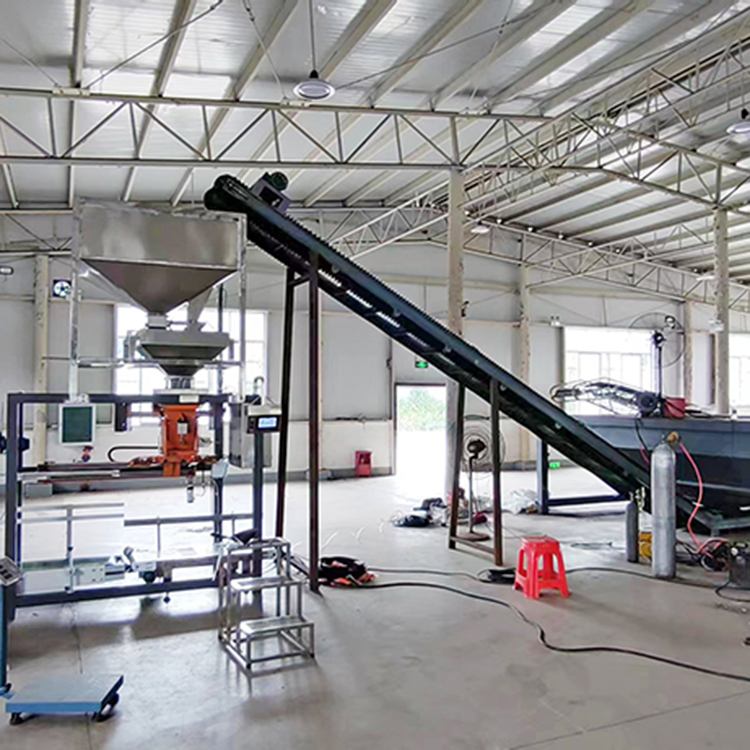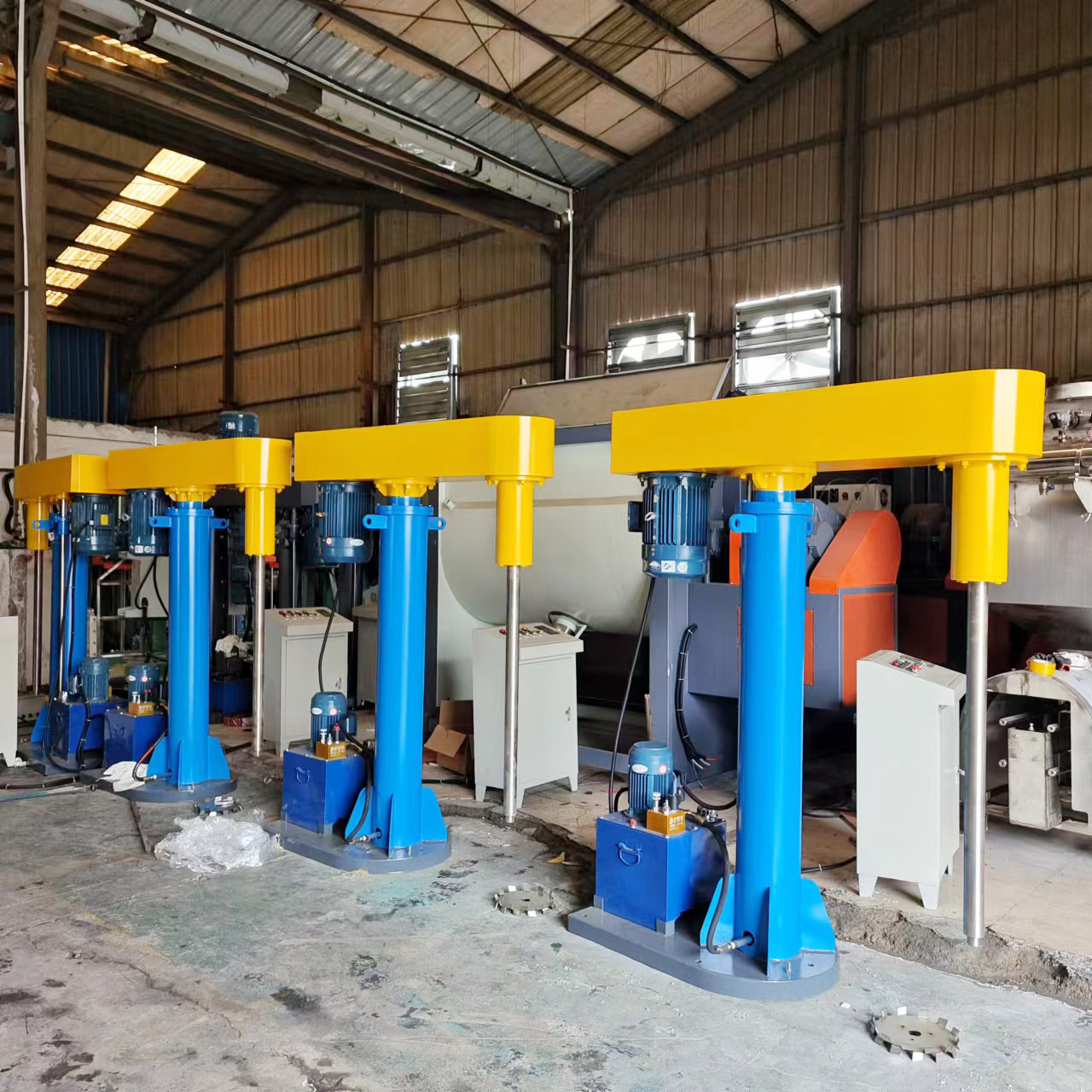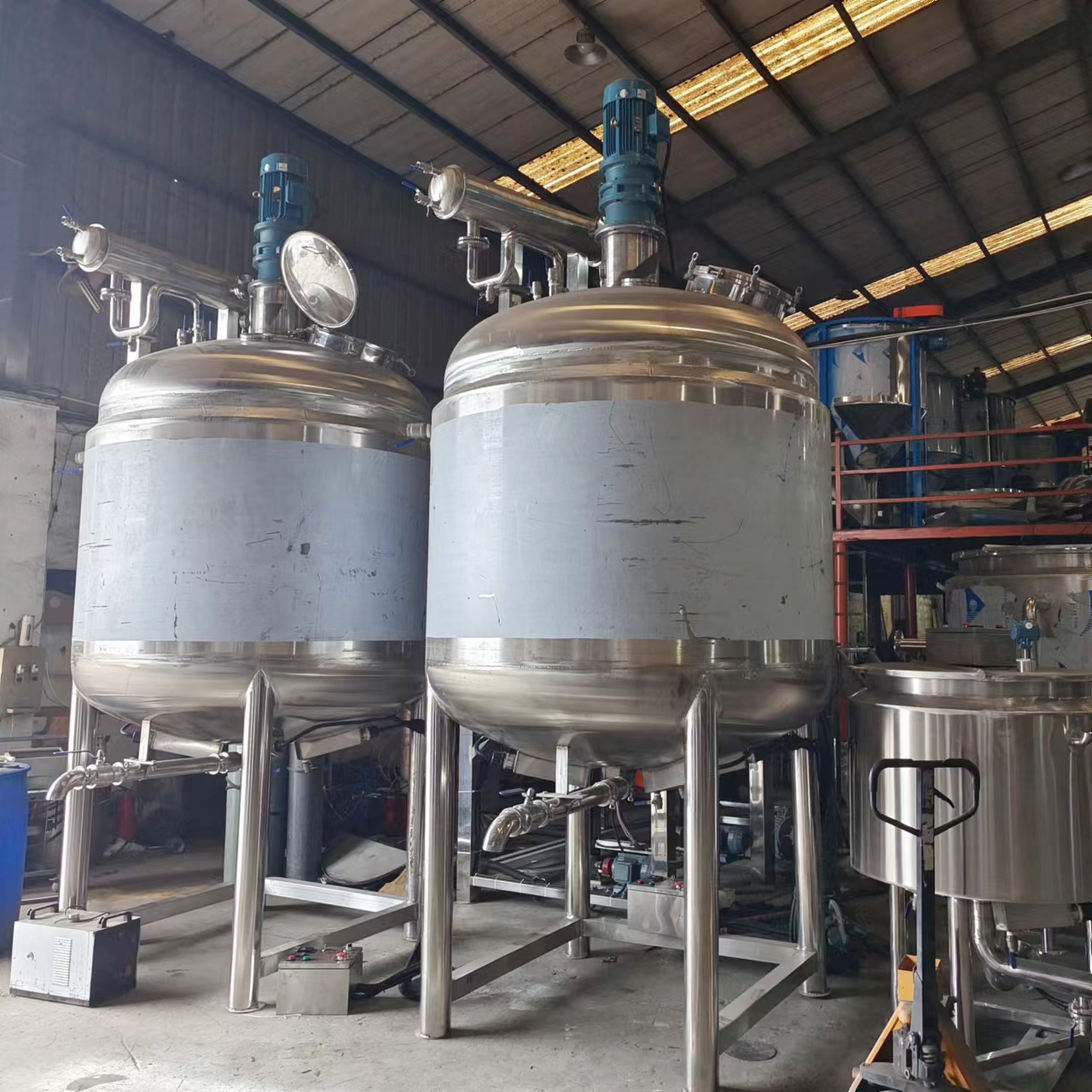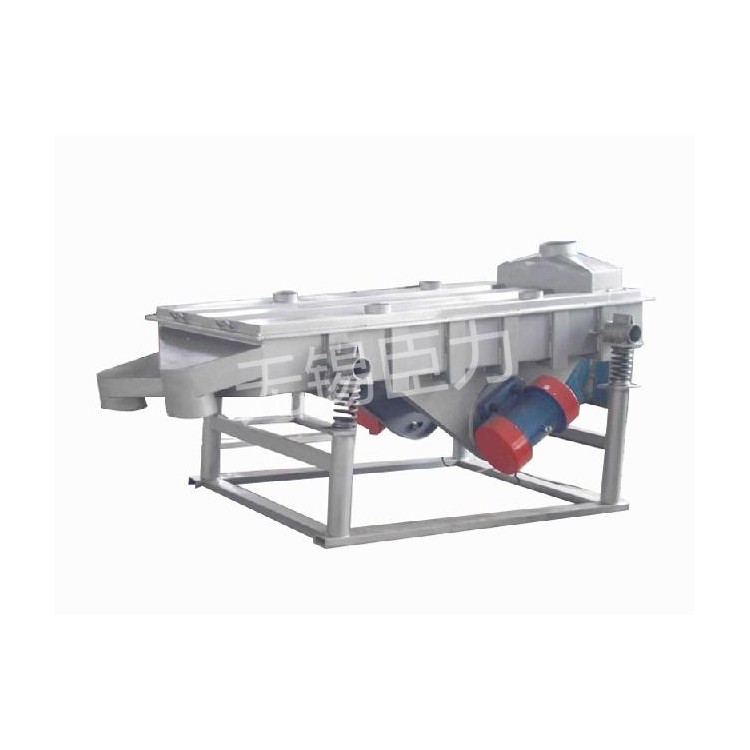

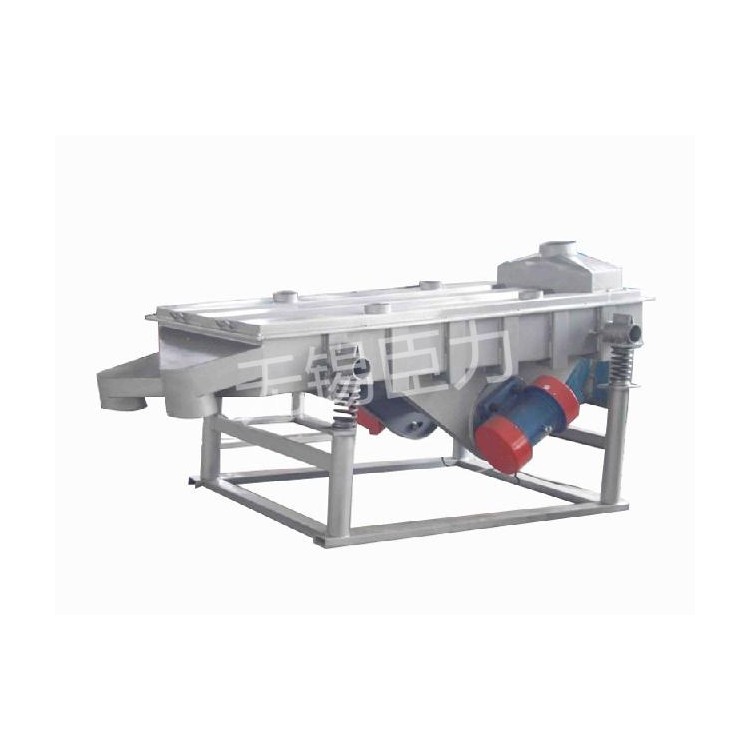
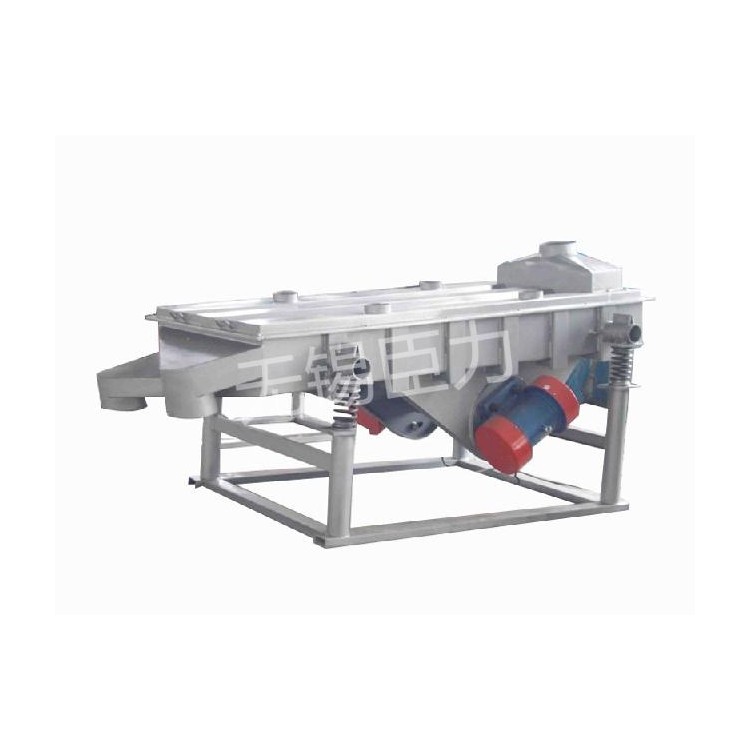
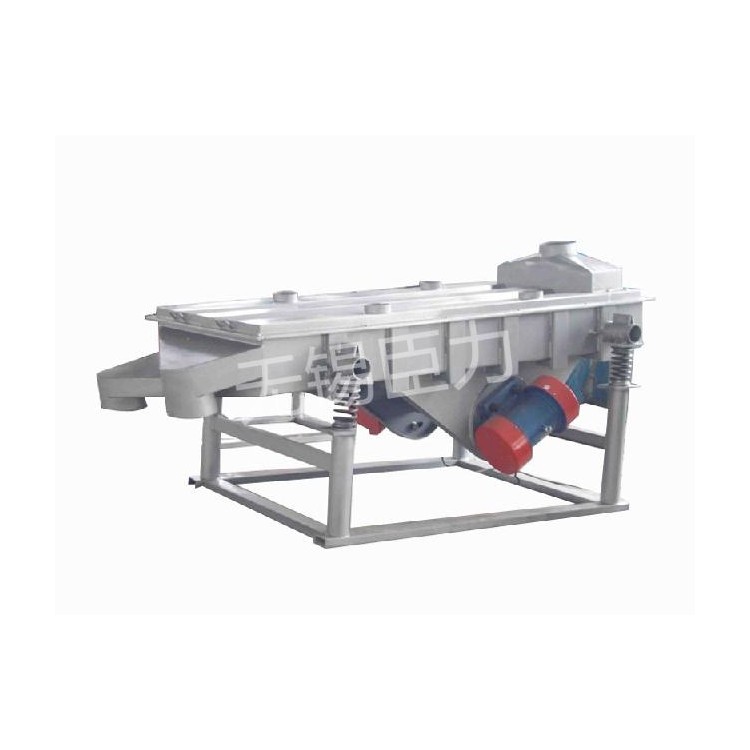


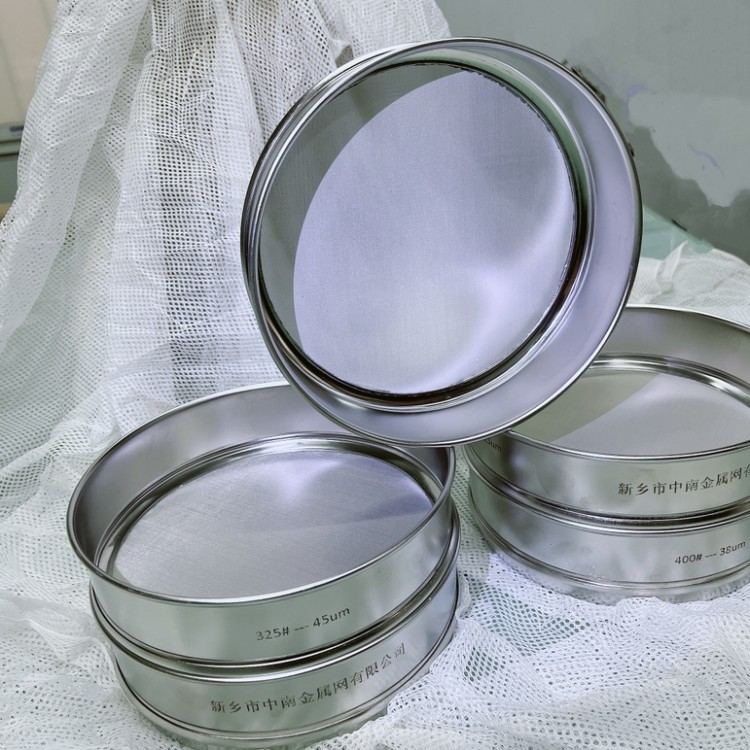
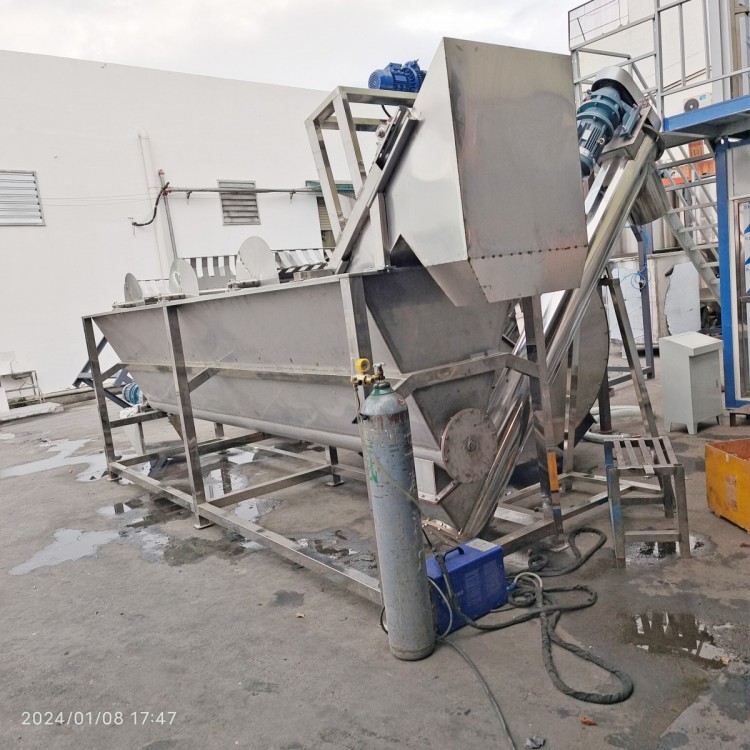
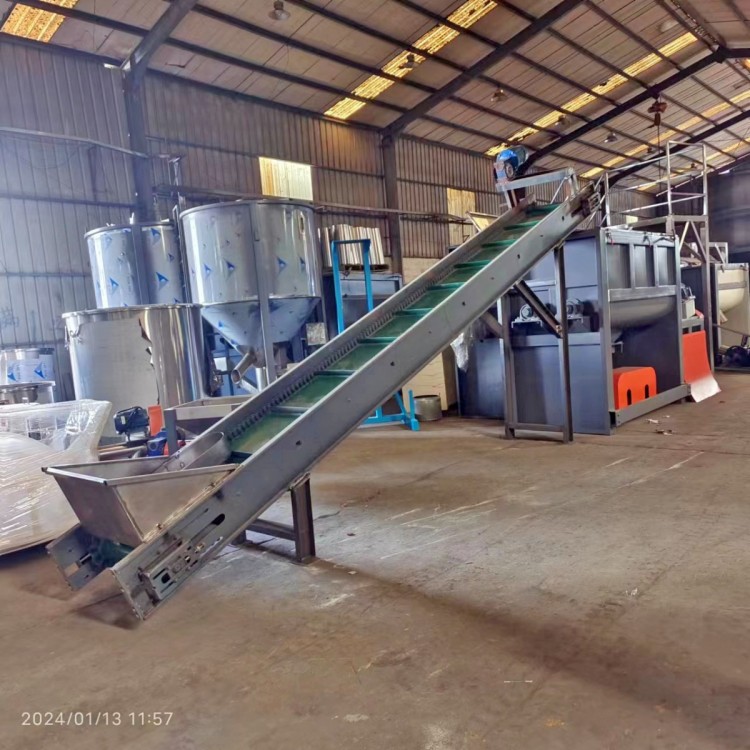





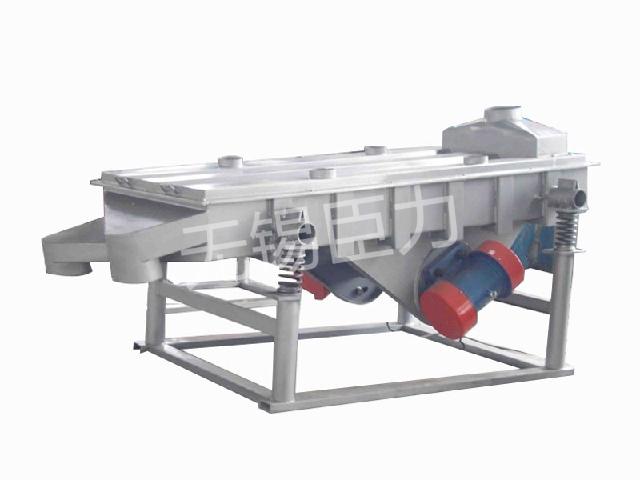
The linear sifter (linear vibration sifter) uses a vibration motor as the vibration source, causing the material to be thrown up on the screen while also moving forward in a straight line. The material enters the feeding opening of the sifter from the feeder uniformly, passing through multiple layers of screens to produce various sizes of over-sieve and under-sieve materials, which are discharged separately through their respective outlets. It features low energy consumption, high yield, simple structure, easy maintenance, fully enclosed design, no dust spillage, and automatic discharge, making it more suitable for assembly line operations.
Application Scope
Screening and grading of powdery and granular materials, widely used in industries such as coal, hydropower, mining, construction materials, chemicals, plastics, abrasives, pharmaceuticals, grains, carbon, and chemical fertilizers.
Working Principle
During operation, the two motors rotate in sync in opposite directions, generating a reverse excitation force in the vibration exciter. This forces the sieve body to move longitudinally, propelling the material on it forward in a periodic manner due to the excitation force, over a certain range, thereby completing the material screening task.
The linear vibration sieve is driven by a twin vibration motor. When the two vibration motors rotate synchronously and in opposite directions, the excitation forces generated by their eccentric blocks cancel each other out in the direction parallel to the motor shaft, while they combine into a resultant force perpendicular to the motor shaft. As a result, the sieve machine's motion path is a straight line. The motor shafts have an inclination relative to the sieve surface. Under the combined action of the excitation force and the gravity of the material, the material is thrown and jumps forward in a straight line on the sieve surface, thereby achieving the purpose of sieving and grading the material. Suitable for dry powder materials with particle sizes between 0.074-5mm, moisture content less than 70%, and no stickiness. The feeding material particle size should not exceed 10mm.