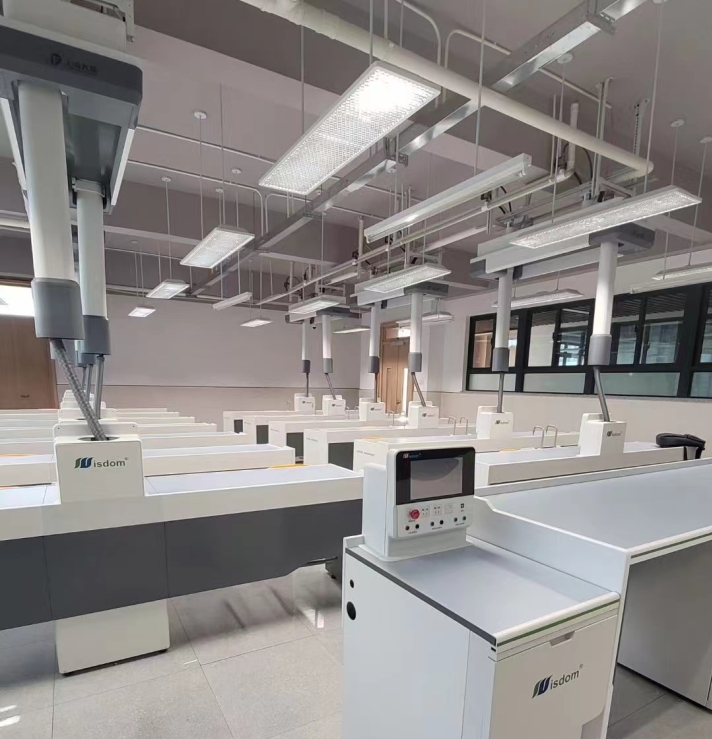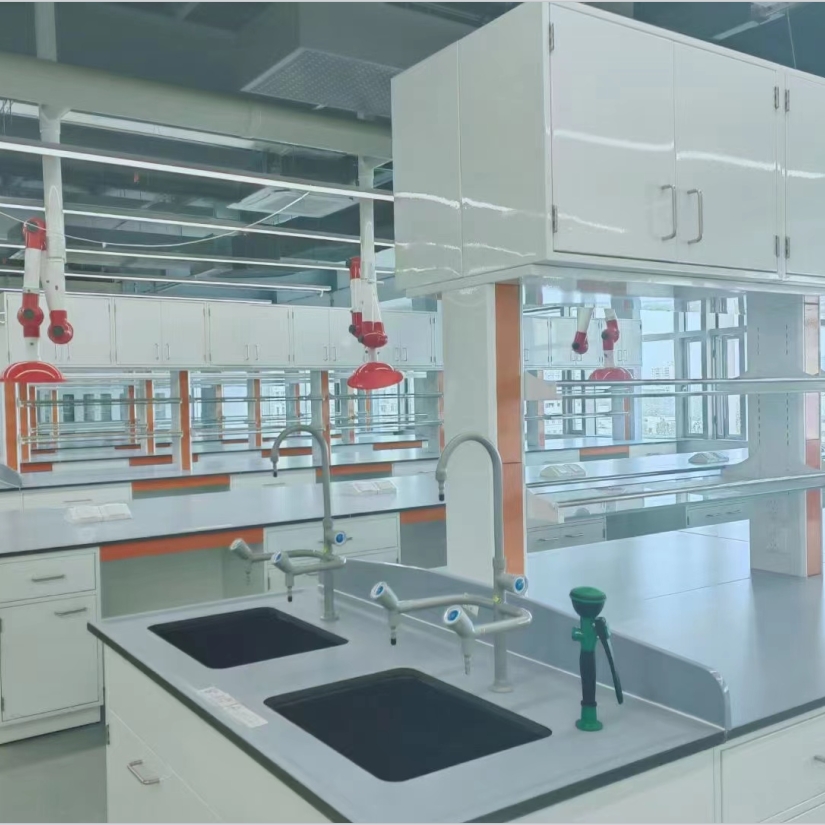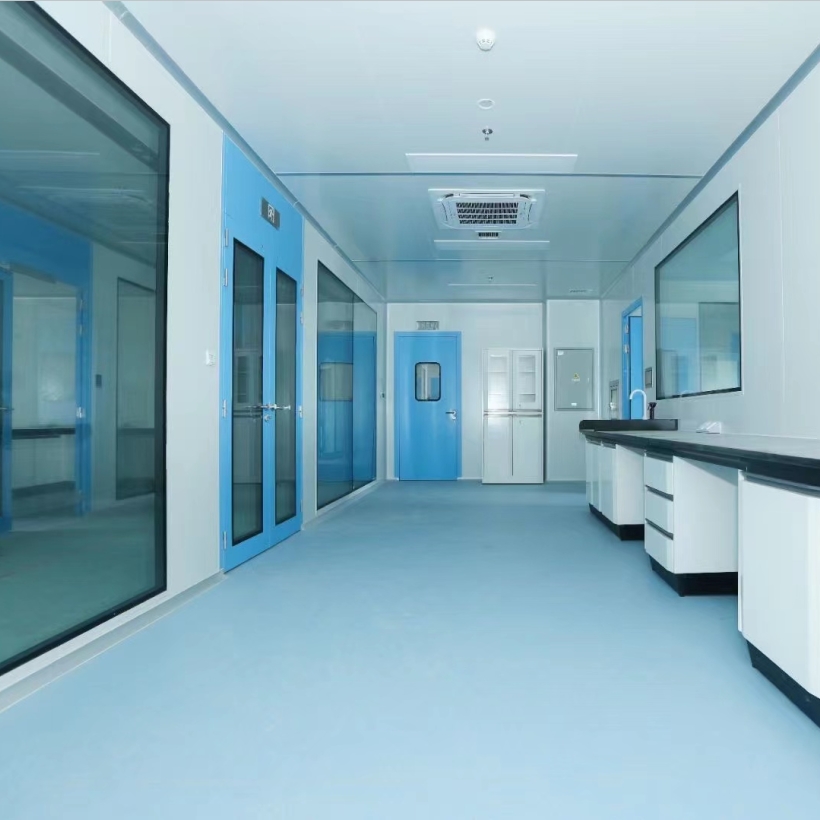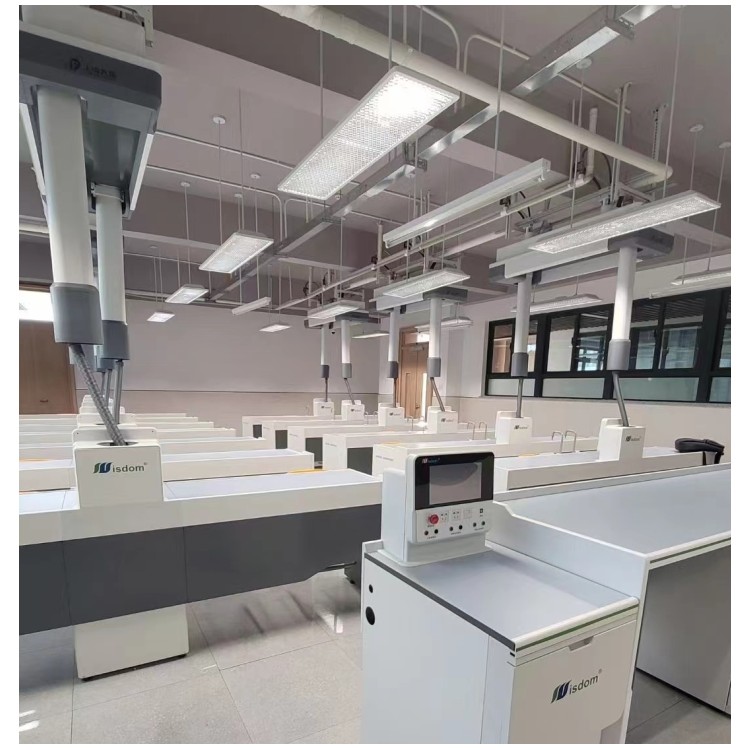
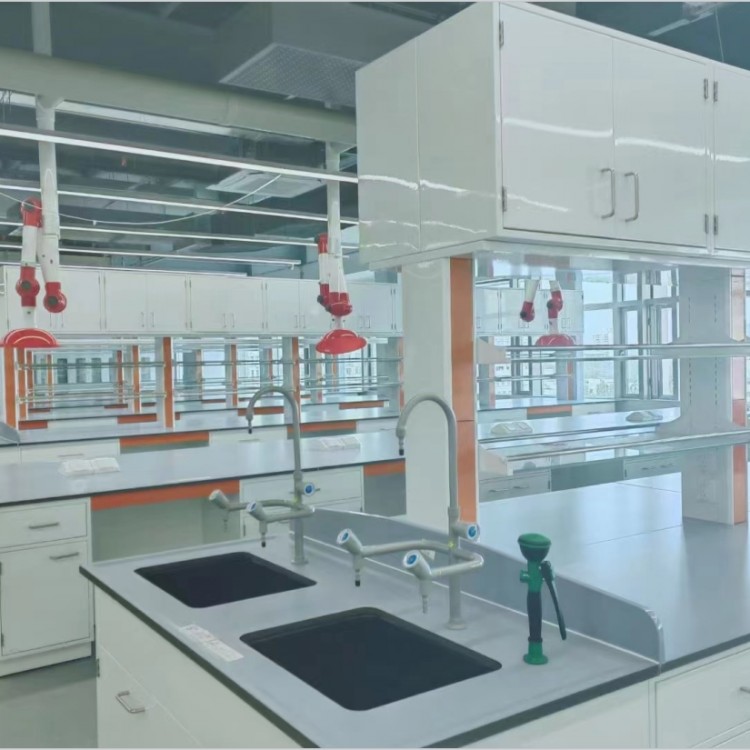
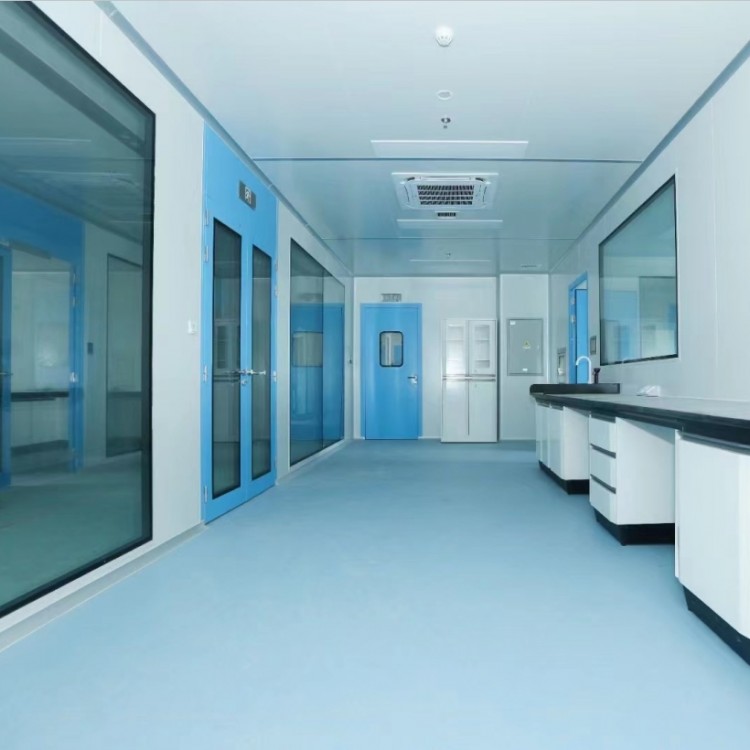







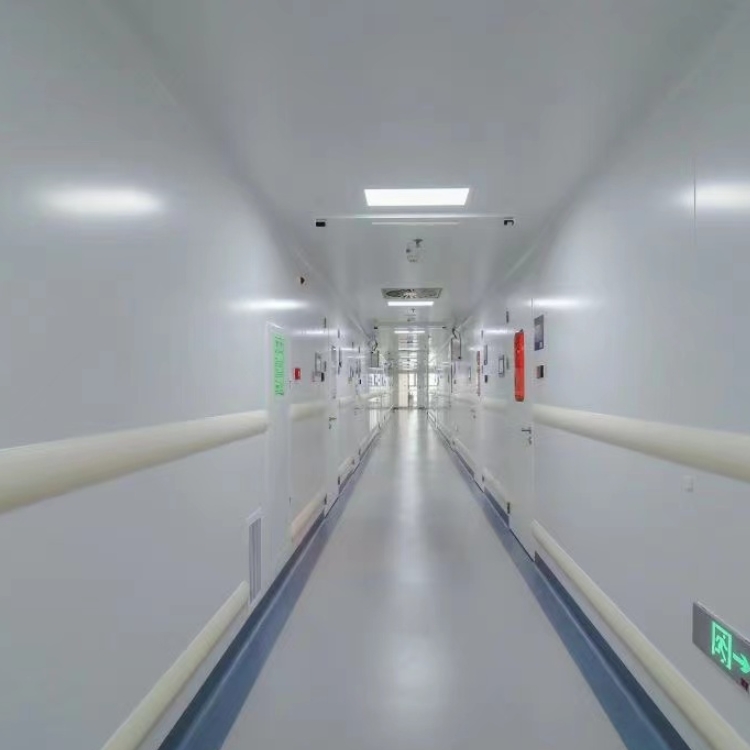
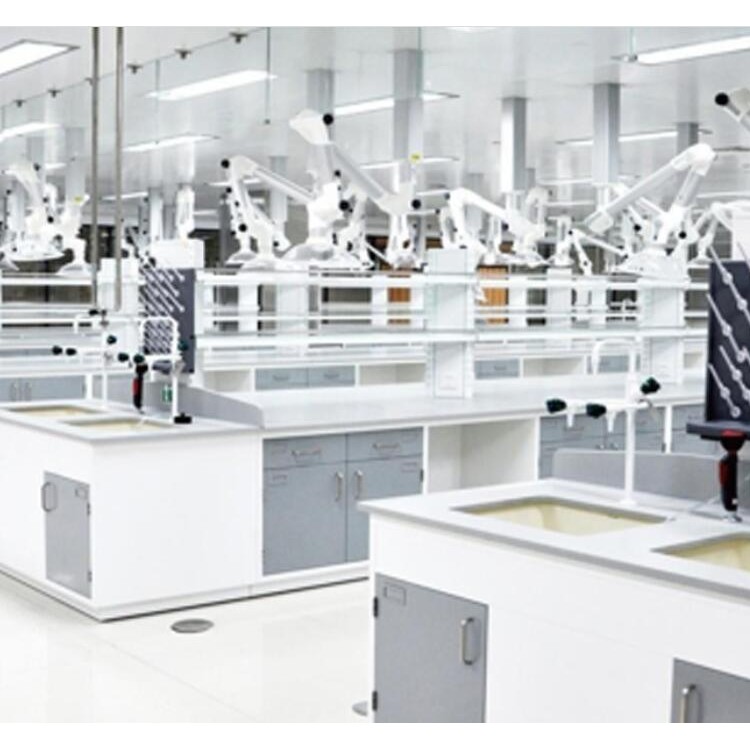
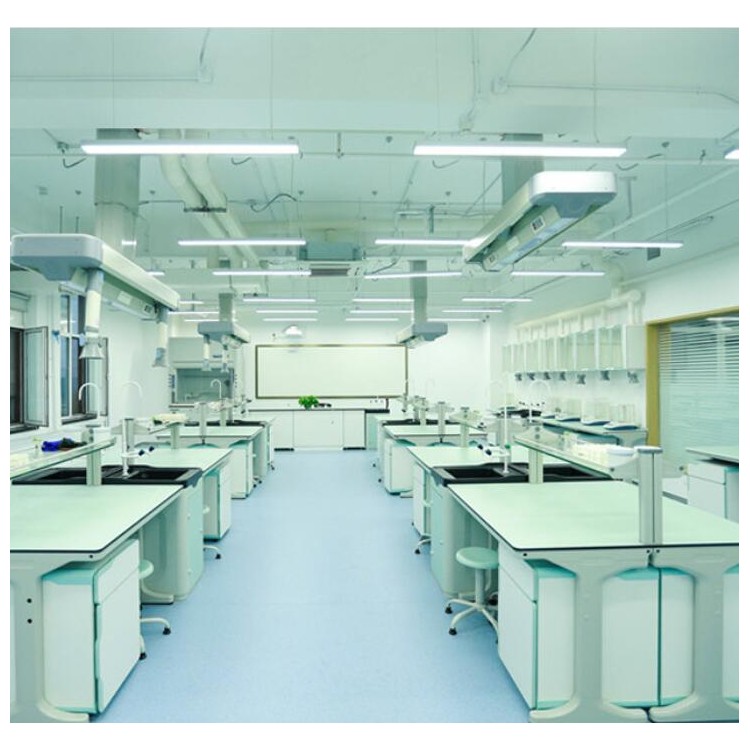
The content involved in laboratory renovation and planning design mainly includes floor layout, water supply and drainage, electrical routes, ventilation, and safety corridors, all of which require thorough consideration. Moreover, the layout must clearly define zones, restrict the flow of samples, shorten the travel distance of samples, and effectively isolate the office area to prevent interference. This is necessary to maximize the functionality of the laboratory.
Interior decoration considerations are more extensive, such as: laboratory environments should be aesthetically pleasing and reasonable; the fire resistance level of the laboratory should not be lower than grade two, and fire protection facilities should comply with national building fire prevention design specifications; seismic fortification categories should not be lower than class B buildings; the ground should use corrosion-resistant, wear-resistant, and anti-slip construction materials; decoration materials should be non-toxic, environmentally friendly, and green products; the decoration effect should be elegant, modern, and stylish; air quality in the laboratory should be purified through related exhaust equipment, recovery equipment, etc., to reduce environmental pollution from the outside world, and so on.