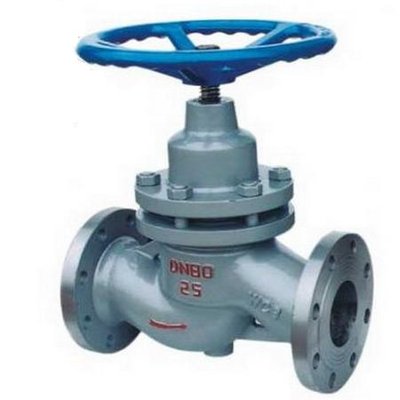
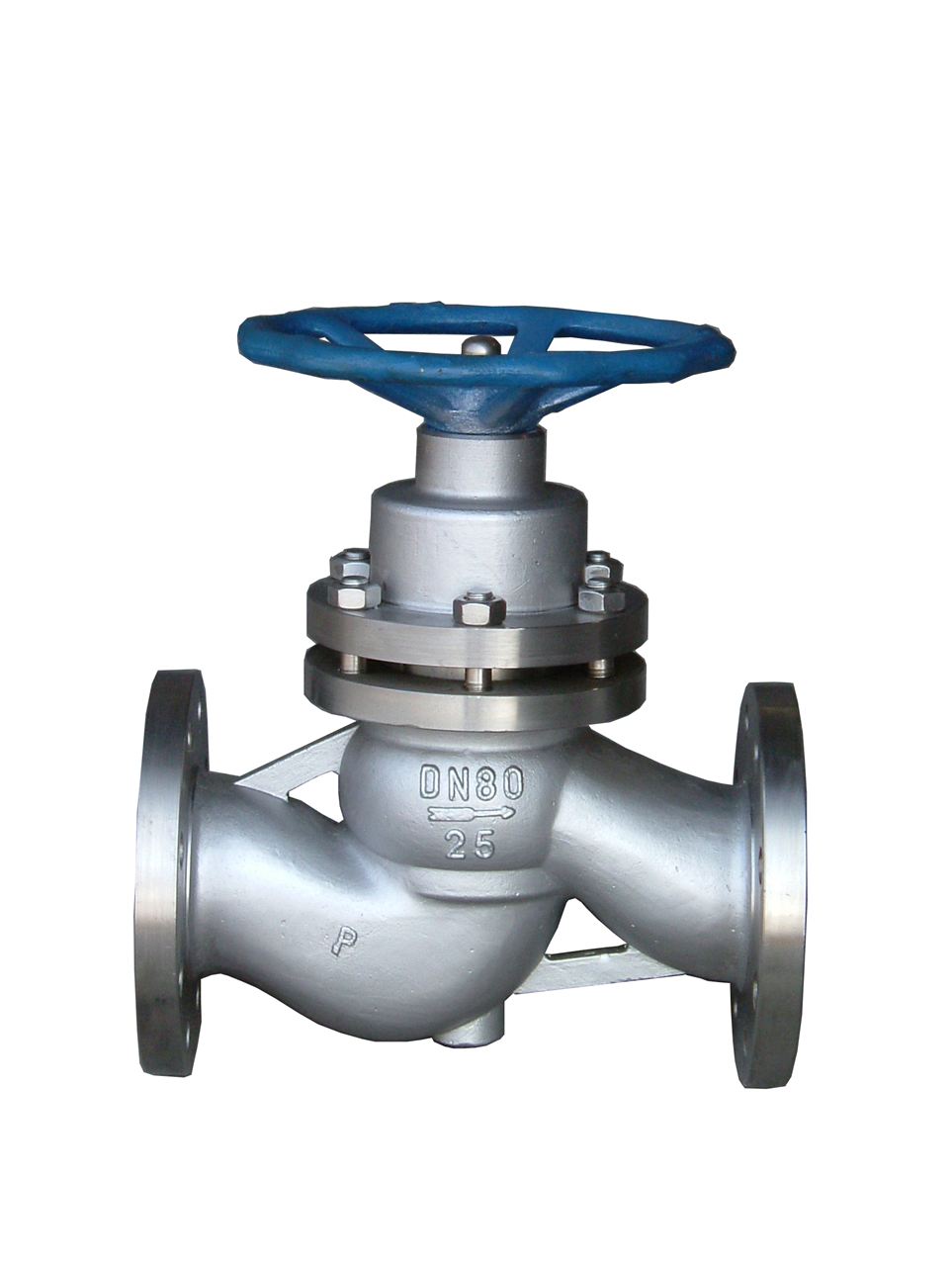
Piston valves are composed of parts such as the valve body, cover, stem, piston, seat, sealing ring, and handwheel. When the handwheel is rotated, it drives the piston to move up and down within the seat, completing the opening and closing function of the valve. A press fit is used between the piston and the sealing ring within the valve, and by adjusting the flange bolts in the pressure cover, the lateral force generated by the compression of the sealing ring seals against the valve body's bore face and the piston's outer diameter, ensuring the valve's sealing. Additionally, the valve has a low torque for opening, enabling quick operation. Compared to gate valves, piston valves have a longer lifespan and are easier to operate. However, the regulating stroke is longer than that of a gate valve, making throttling control more challenging. Both are unsuitable for applications with specific regulating requirements.