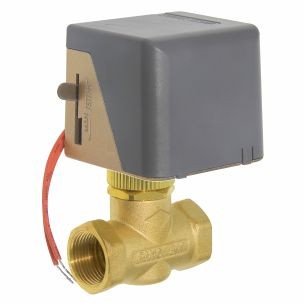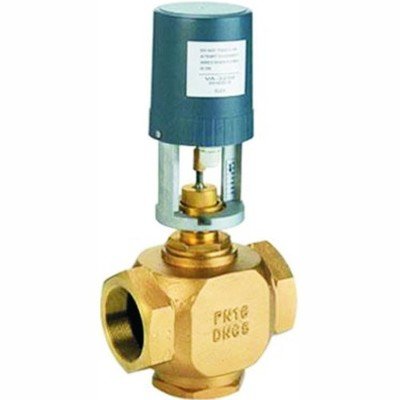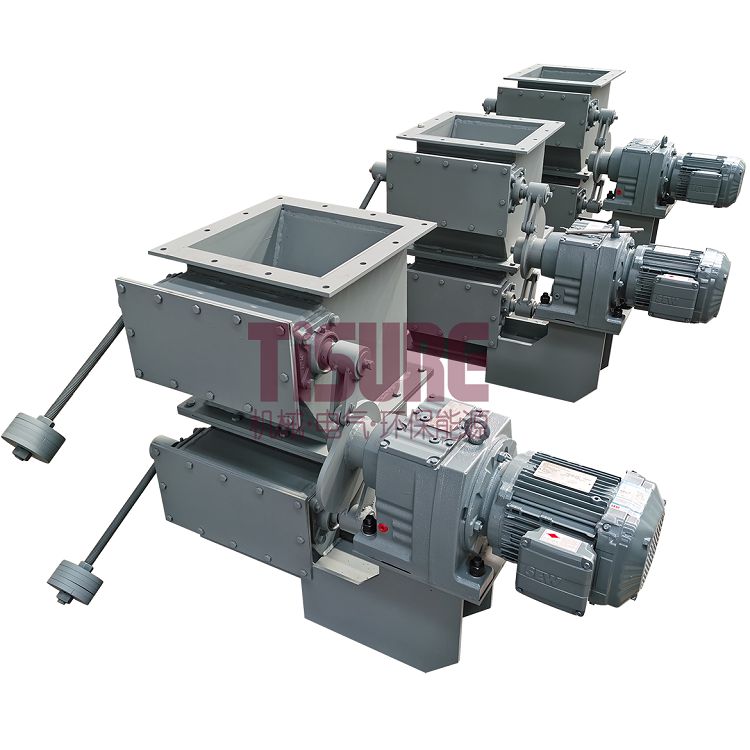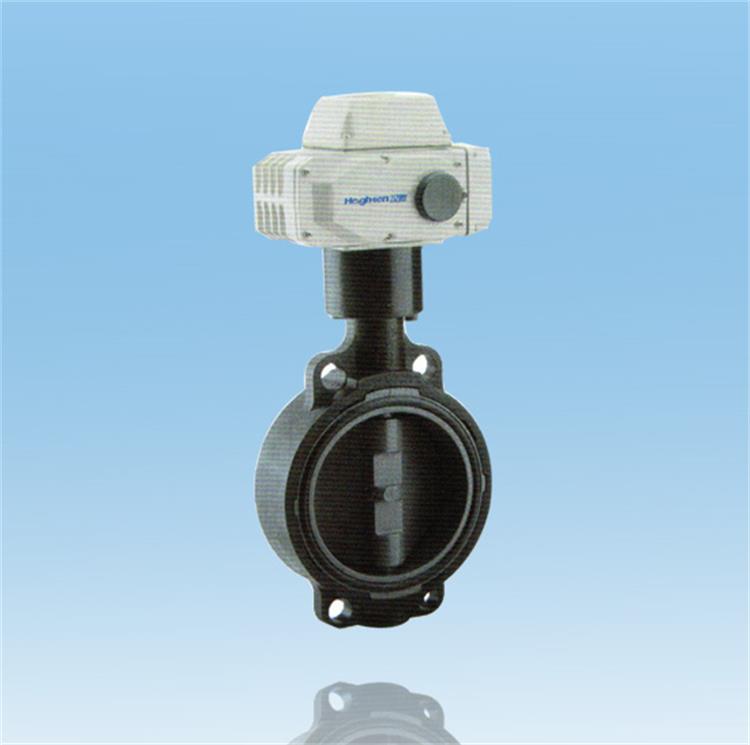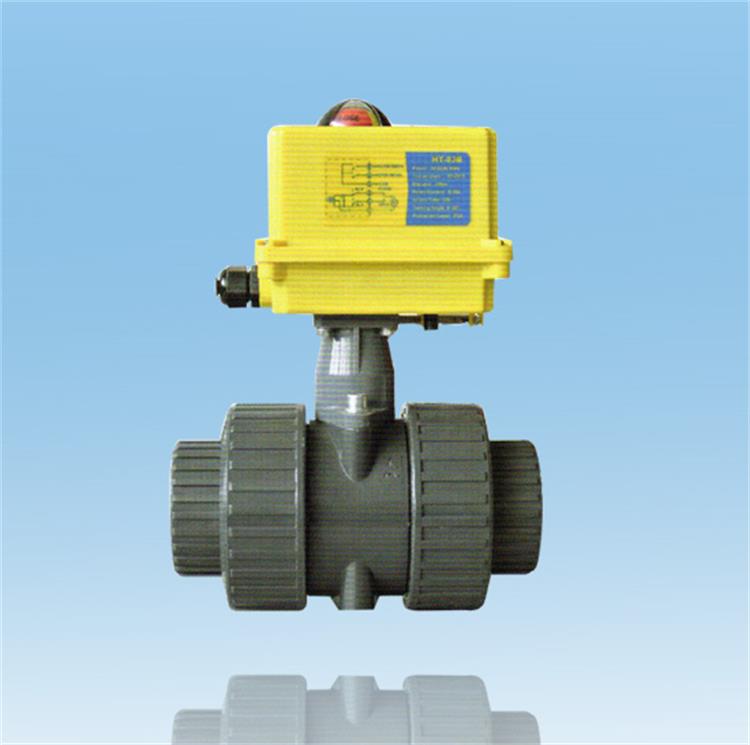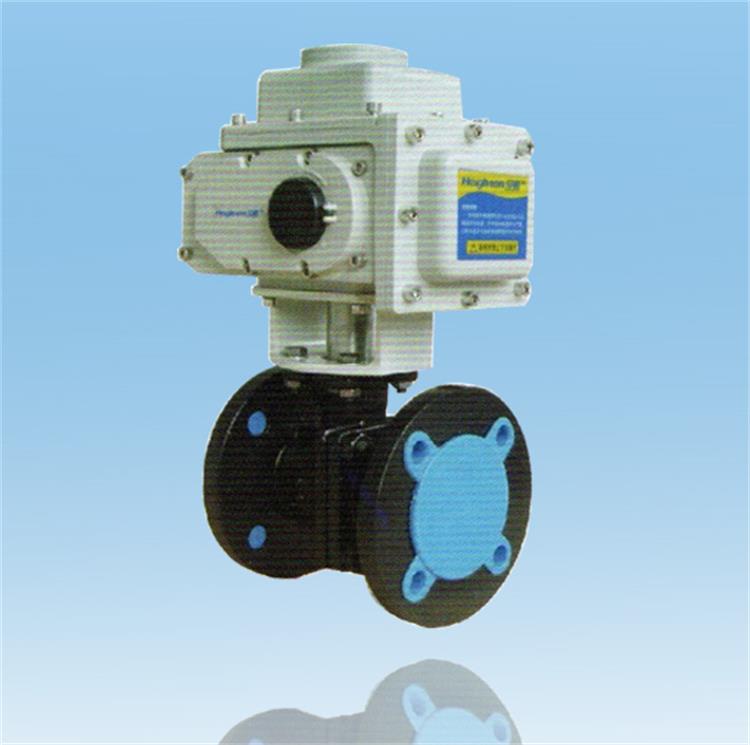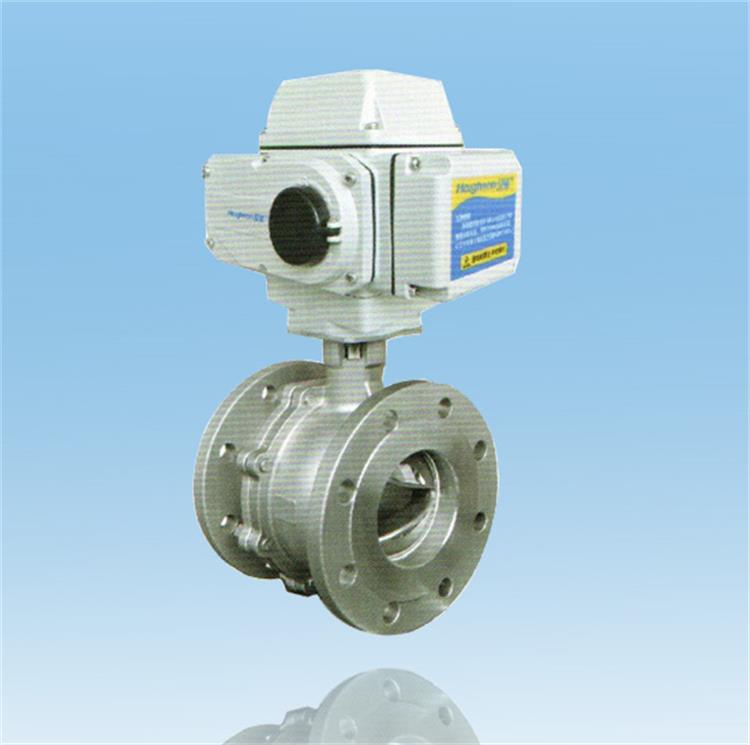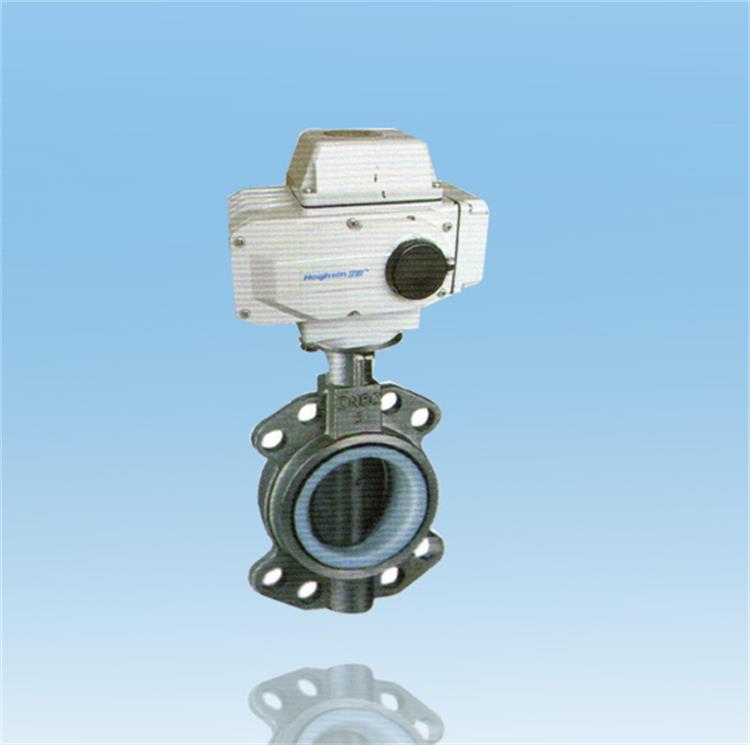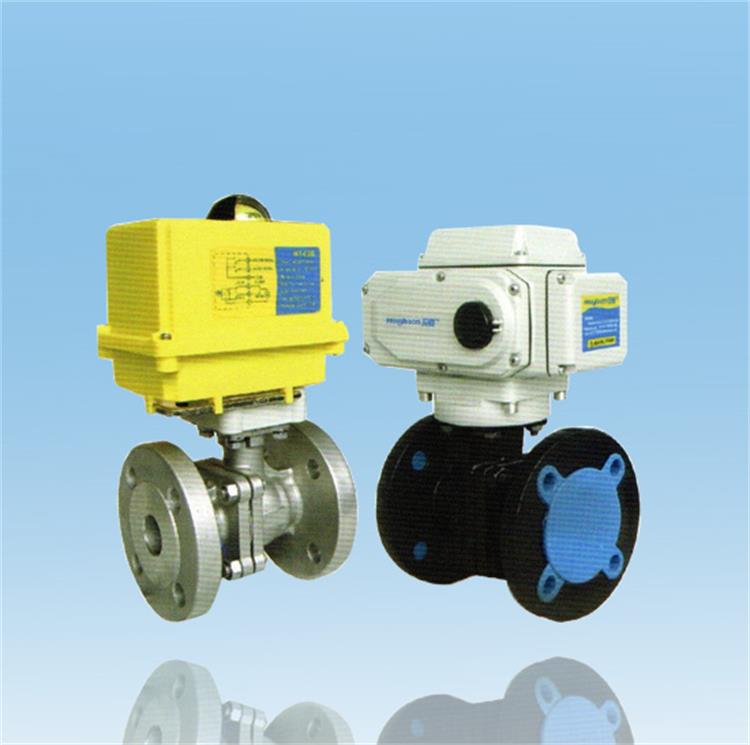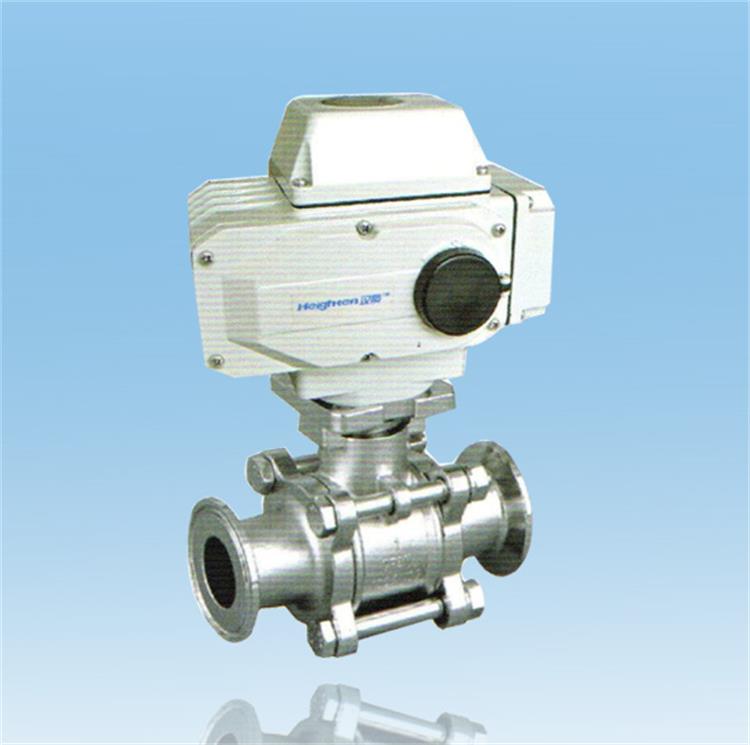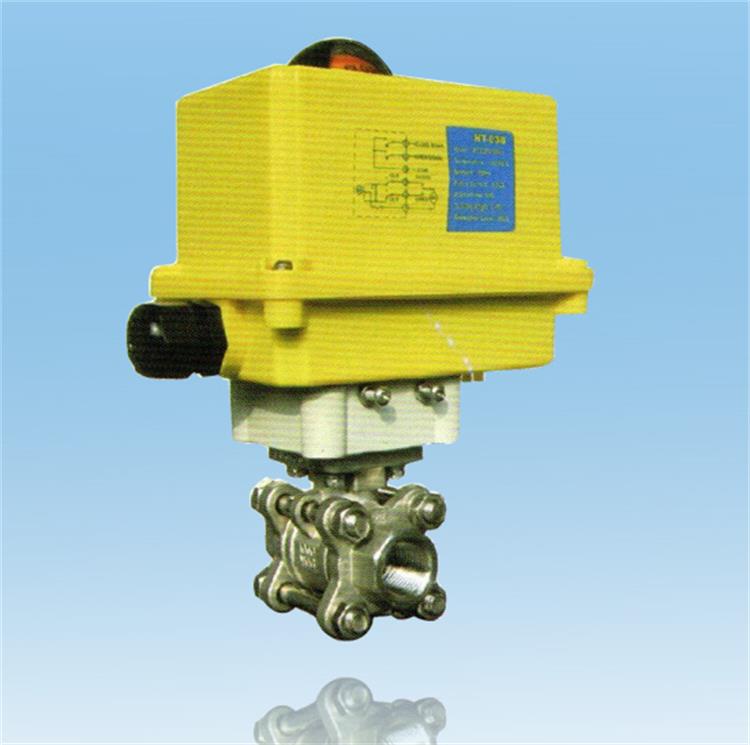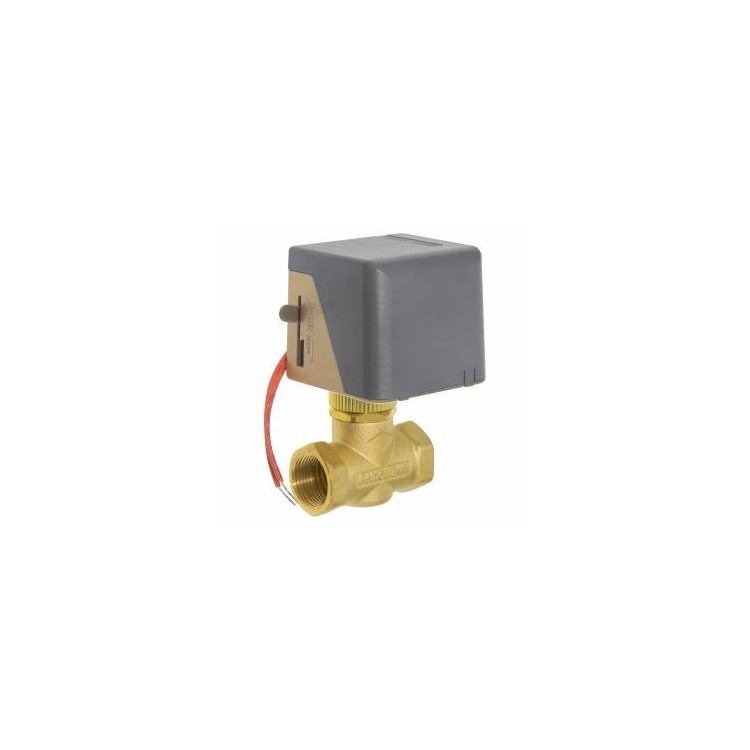
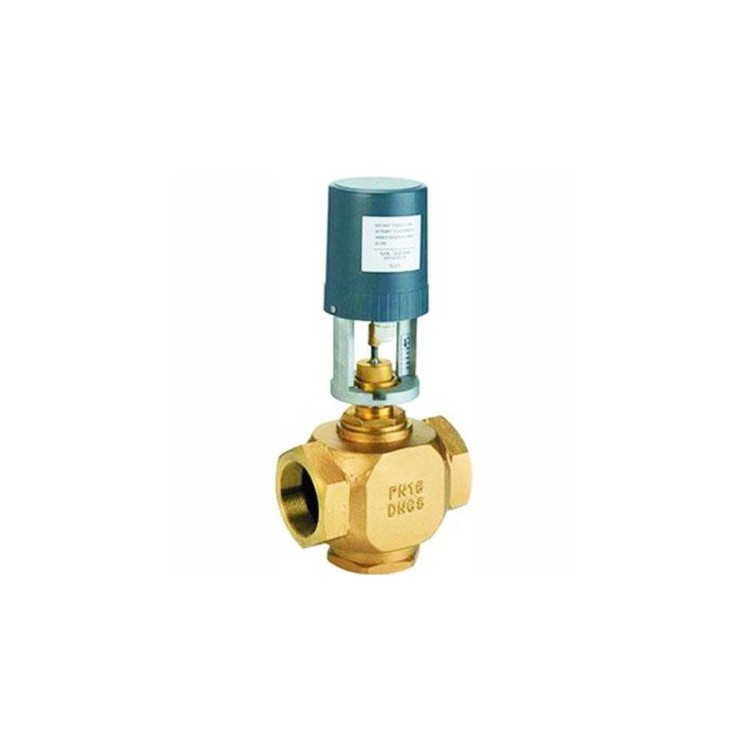


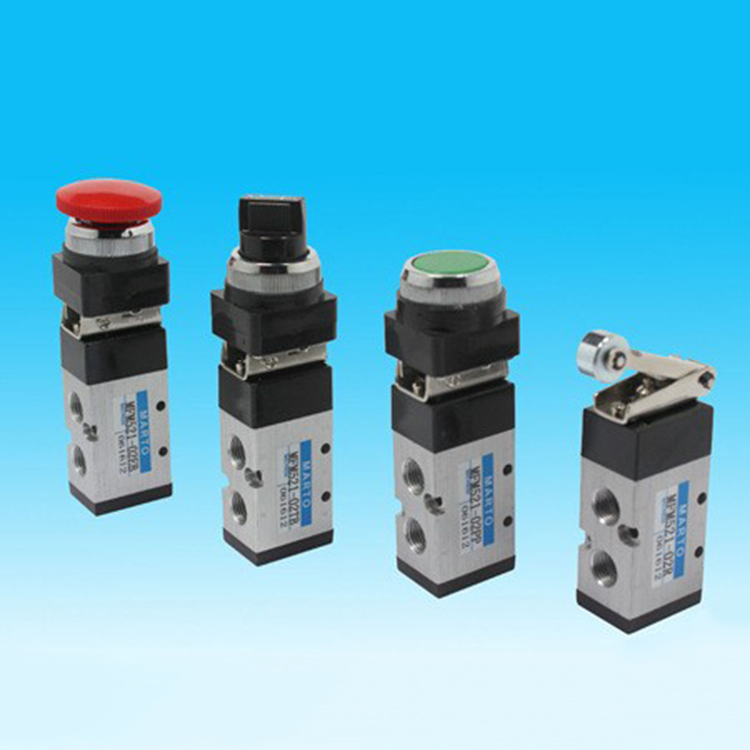
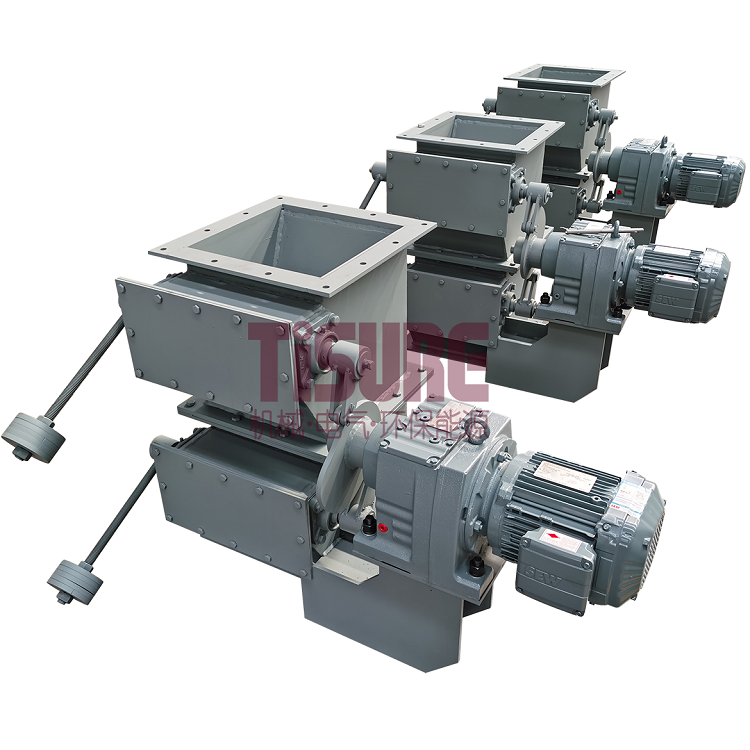
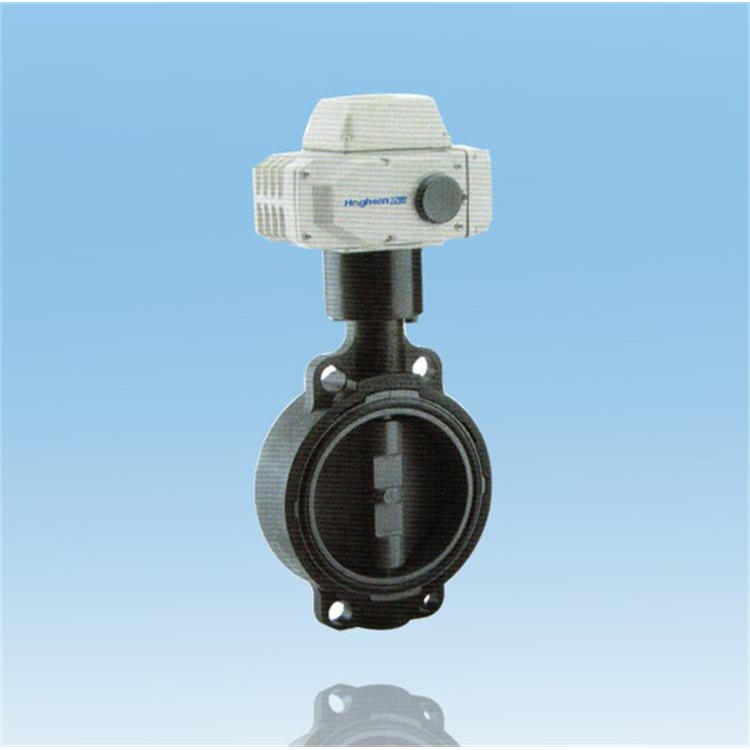
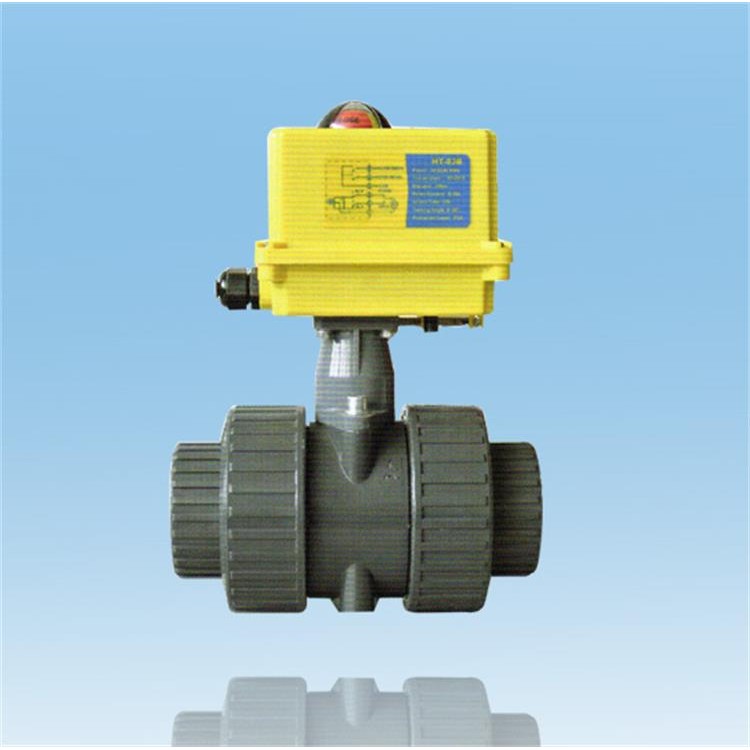
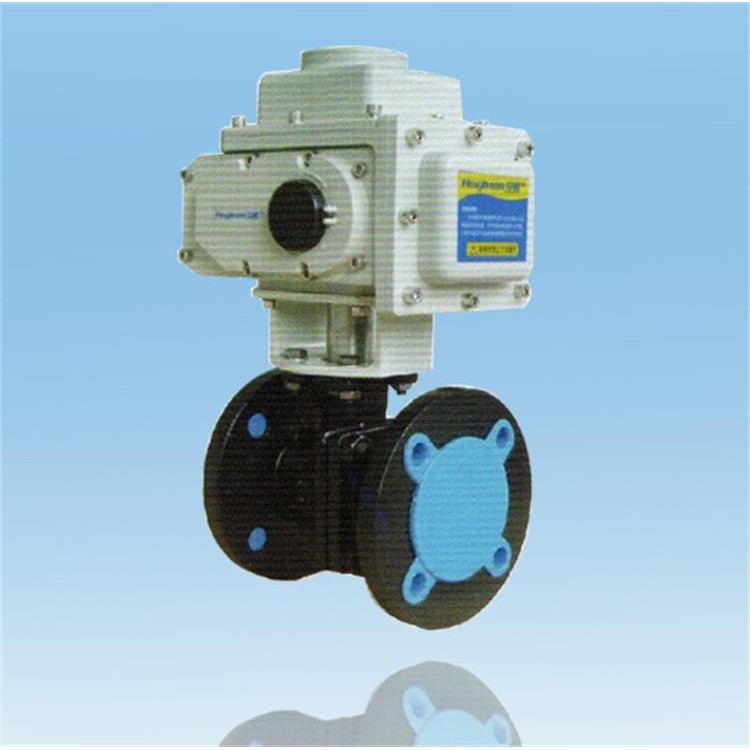







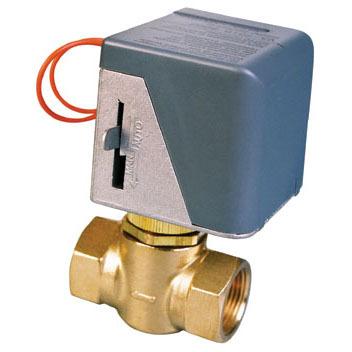
Electromagnetic two-way valve is a matching product for central air conditioning fan coil units, consisting of two parts: the actuator and the valve body. The actuator is composed of...Synchronous MotorActuator with spring return function and manual valve opening lever operation.
The valve body features a piston-type structure. The electric valve can be used in conjunction with a thermostat, which controls the electric valve motor to open or close the valve, thereby allowing or blocking the flow of cold or hot water in the pipeline. This is then followed by air distribution through a fan coil, achieving automatic temperature regulation.
The Fanggong electric two-way valve consists of a temperature sensor TE-1, a proportional integral temperature controller TC-1, and an electric regulating valve TV-1, forming an air supply temperature control system. Installed in the air supply duct at TE-1, it transmits the detected temperature signal to TC-1, where TC-1 continuously compares the detection value of TE-1 with the set value and outputs signals, controlling the opening of TV-1 to be adjustable, thus keeping the environmental temperature measured by TE-1 within the set temperature range. The air pressure differential switch DPS-1 is used to detect the permeability of the filter mesh; the dirtier the filter mesh, the lower the permeability, and the greater the pressure difference between the two sides. When the pressure difference exceeds the set value of DPS-1, the micro-switch operates and emits an alarm signal. When the temperature after the coil is below a certain limit, the low-temperature protection switch TS-1 cuts off the power supply to the air supply fan, thereby closing the fresh air valve to prevent the water inside the coil from freezing and bursting the coil. 1. Used to control the opening or closing of pipes in chilled water or hot water HVAC systems to achieve the purpose of controlling room temperature. 2. The actuator is driven by a single-hysteresis synchronous motor, with the valve spring resetting to a normally closed state when not in operation. When operation is required, the temperature controller provides an opening signal to connect the electric valve to AC power and activate it. 3. Open the valve to allow chilled water or hot water to enter the fan coil unit, providing cool or warm air for the room. When the room temperature reaches the set value by the temperature controller, the controller cuts off power to the electric valve, the reset spring closes the valve, thereby cutting off the water flow into the fan coil unit. By opening and closing the valve, the room temperature is always maintained within the temperature range set by the temperature controller. 4. The ZYFT series electric valves use a threaded connection method for the actuator and valve, allowing the actuator to be installed after the valve. Field assembly is flexible and convenient. The flat design of the actuator can be installed close to the wall, occupying less space. The product is reliable and durable, with low operating noise, and can reliably operate in high-temperature and high-humidity environments commonly found in concealed fan coil units. The actuator is selected with a cast aluminum bracket and plastic housing, which is small in size and light in weight. It uses a permanent magnet synchronous motor with a hysteresis clutch mechanism, featuring reliable self-protection functions. It is suitable for various control signals: incremental (floating point), voltage (0~10V), and current (4~20mA). It has a feedback signal of 0~10V or 4~20mA (optional). The transmission gears use metal gears, greatly increasing the service life of the actuator. It has low power consumption, high output force, and low noise. The valve body is available in cast copper, cast iron, cast steel, and stainless steel materials, to suit different working media and temperature requirements. The valve body has both threaded and flanged connections for easy installation, and its structure complies with IEC standards. The valve body structure types include two-way valves (single seat), two-way balancing valves (balanced), three-way union and three-way division valves. It is divided into two types: direct-acting and pilot-operated.