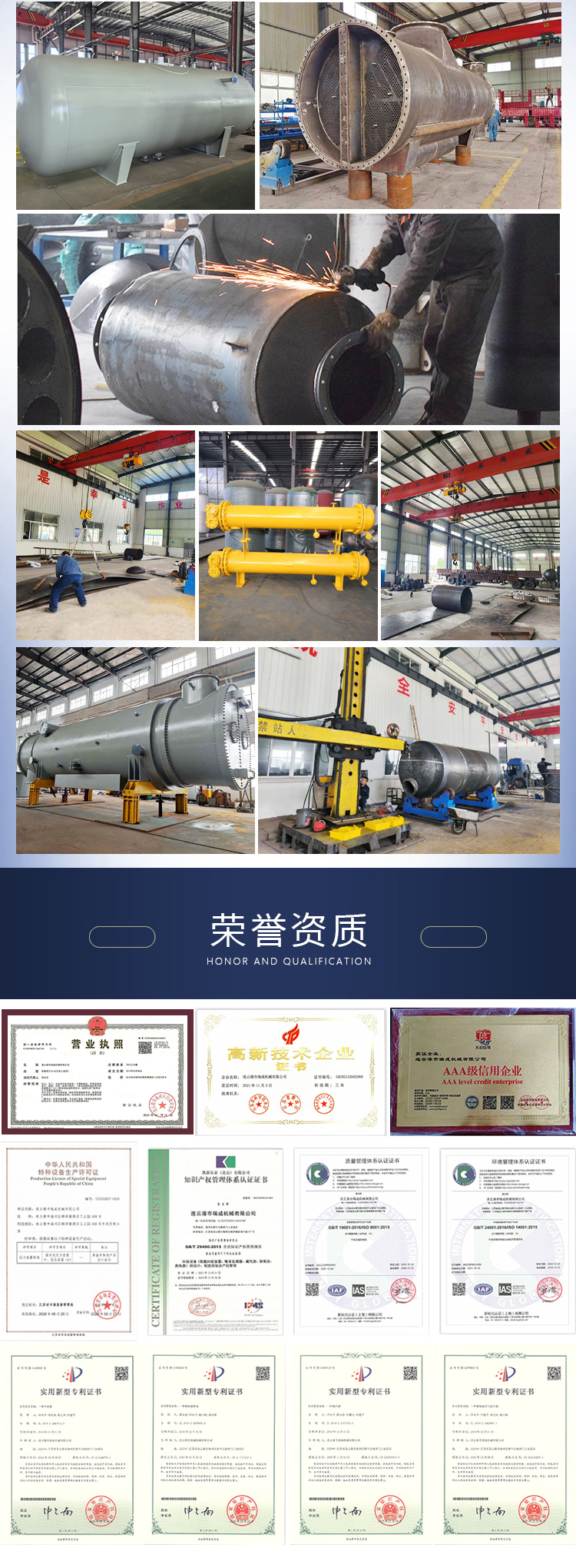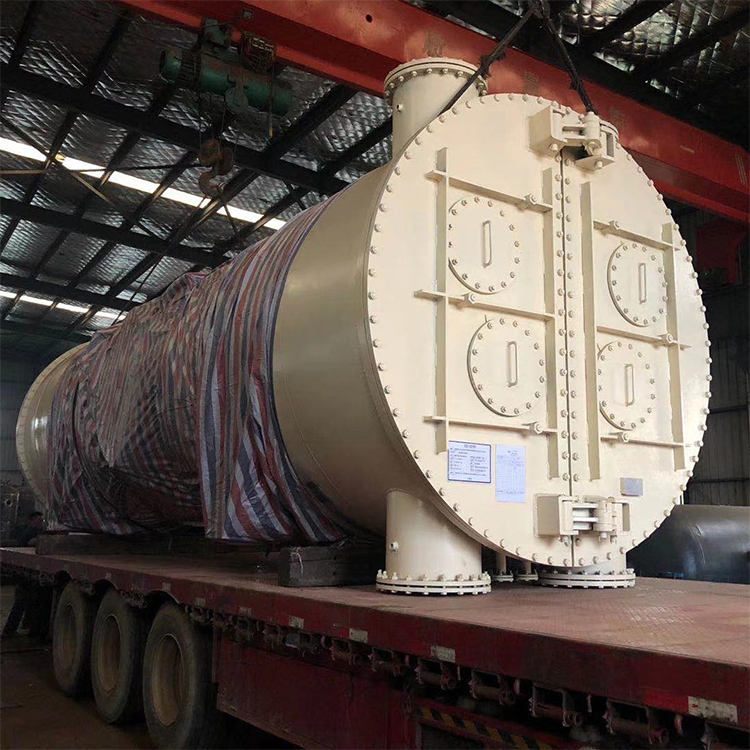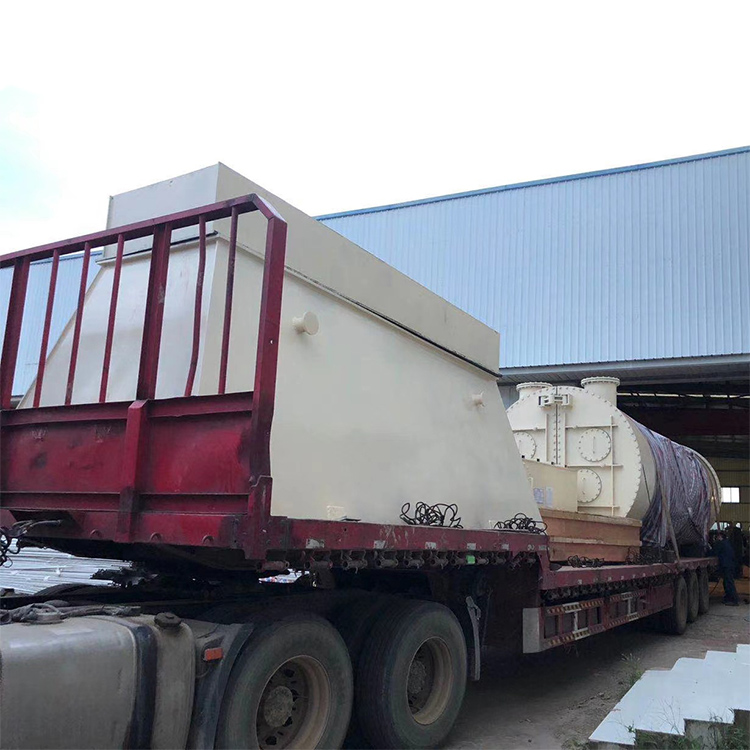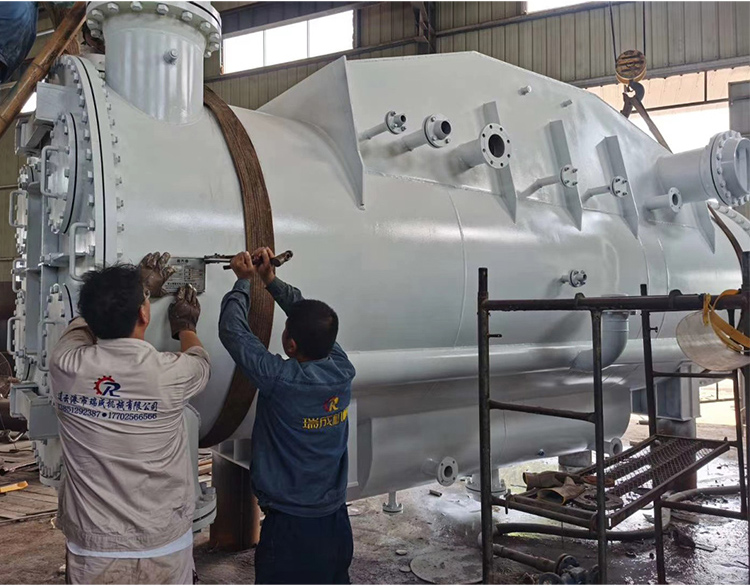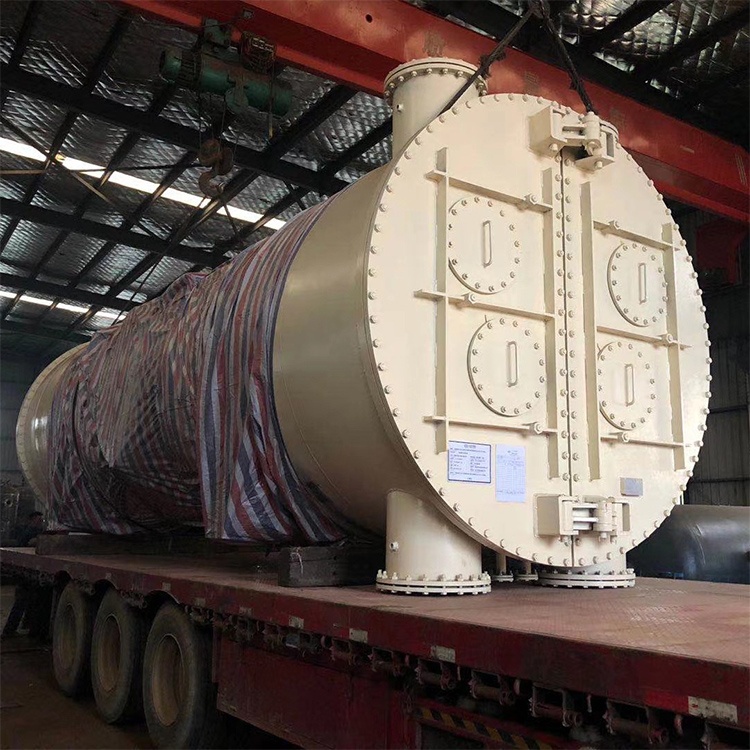











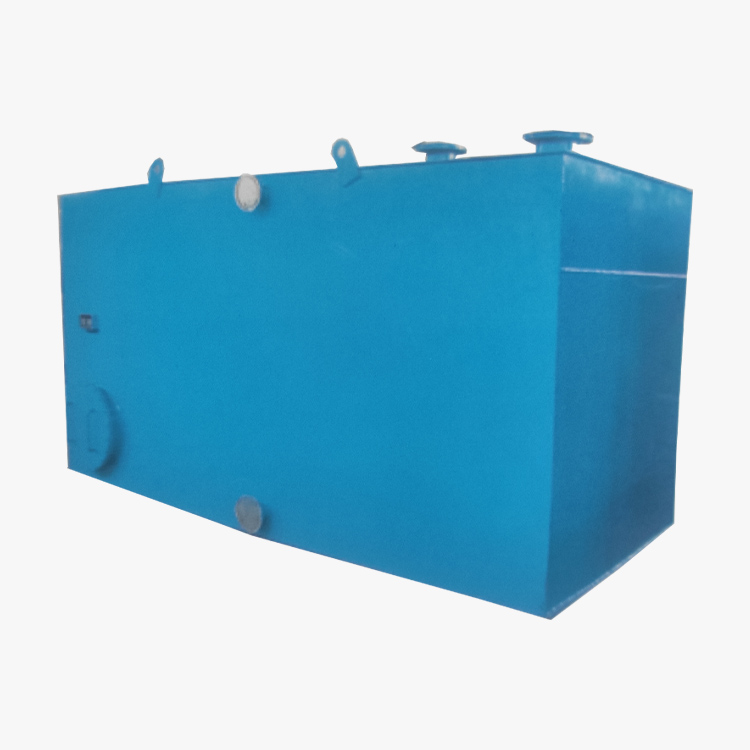
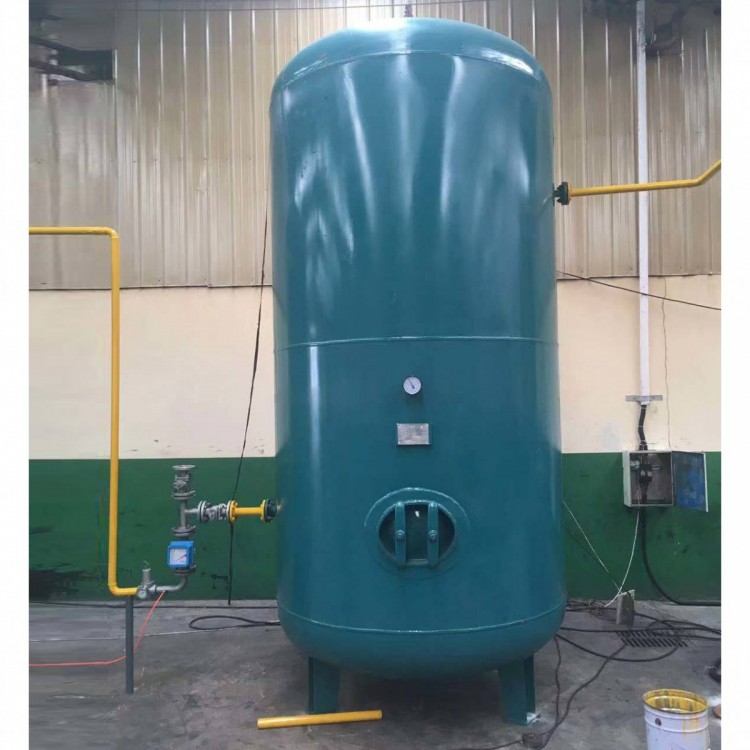
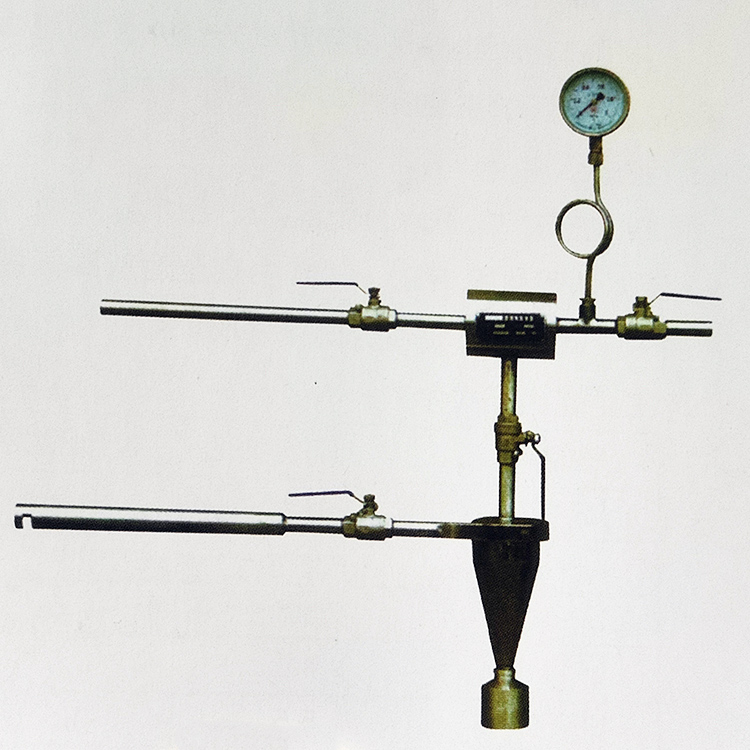
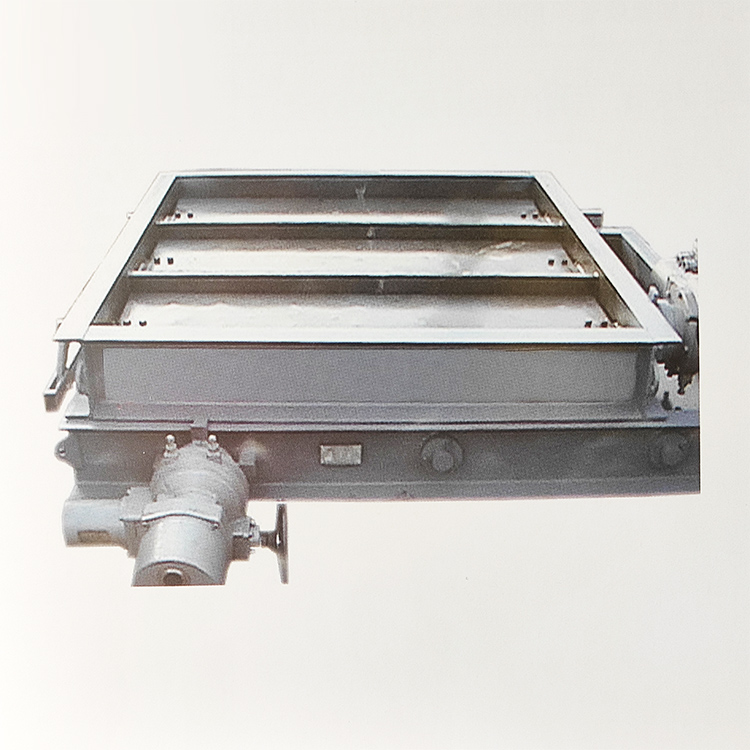
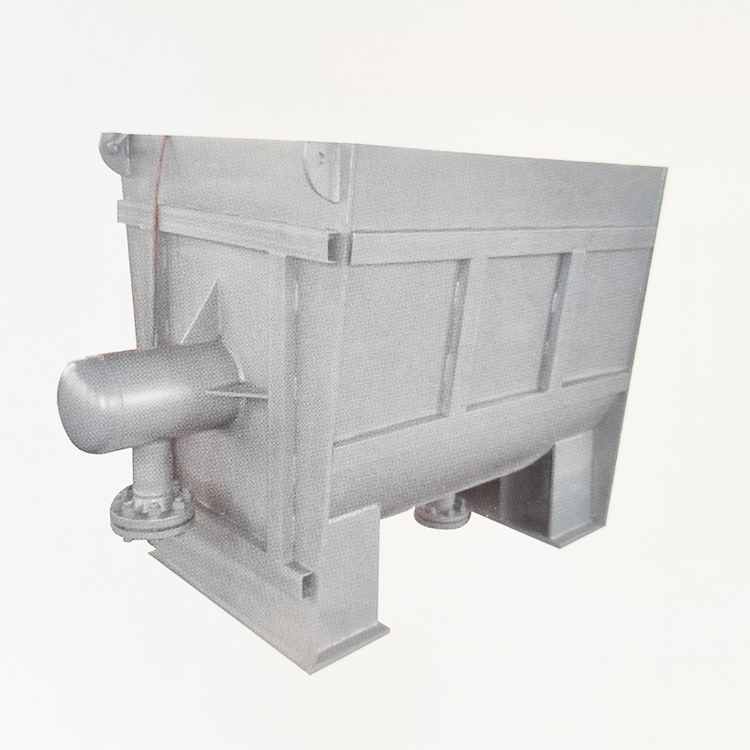
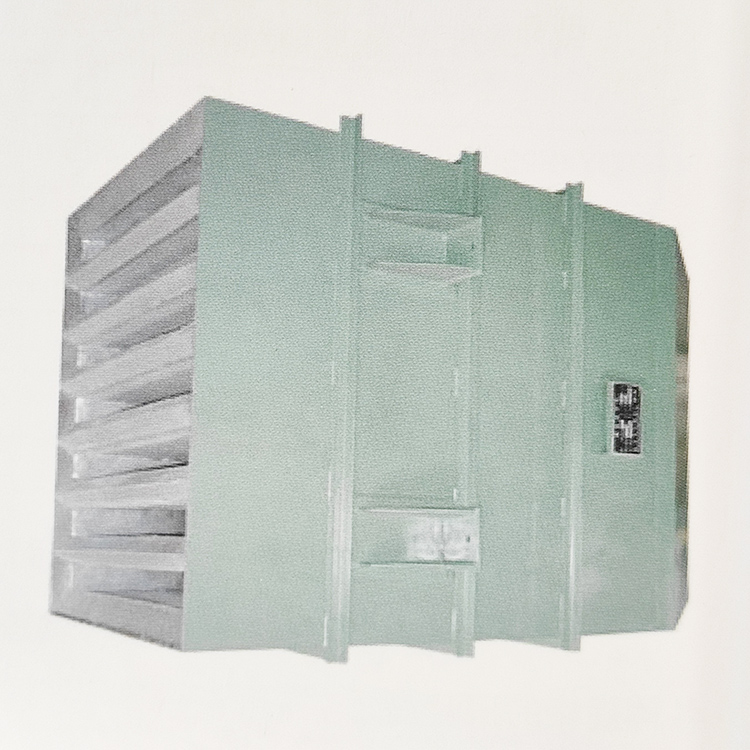
A heat exchanger that condenses steam into water, also known as a reheat condenser, is mainly used in steam turbine power plants and is available in water-cooled and air-cooled versions. In addition to condensing the steam exhaust from the turbine to be reused in the boiler, the condenser also establishes and maintains a vacuum at the turbine exhaust.
Product Introduction
I. Function
The condenser serves as a primary auxiliary device that condenses the exhaust steam from a steam turbine into water while maintaining a certain degree of vacuum.
Section II: Structure
The condenser is a fully welded structure composed of a shell, water chamber, tube plate, cooling tubes, intermediate tube plate, steam baffles, and condenser accumulator. The shell and water chamber are welded as a single unit, with the shell being a steel plate welded structure. Manhole covers are provided on the upper shell, water chamber, and hot well for maintenance purposes. The internal tubes of the cylinder are fixed to the end tube plate using expansion joints, with baffles in the middle supporting the tubes to prevent upward deflection and resonance. The tube bundle layout employs HEI-6 design technology, which is an internationally recognized standard for condenser design. Condensers designed with this technology are centrifugal in steam flow, curved in arrangement, and triangularly arranged, featuring low steam resistance and low supercooling.
There is a wide steam channel in the middle, leading directly from imported hot water wells, with the tubes on either side arranged in a strip pattern. Outside the strip, there are additional tubes for steam cleaning. Stainless steel pipes are used, with baffles placed between the steam channels to prevent steam short-circuiting.