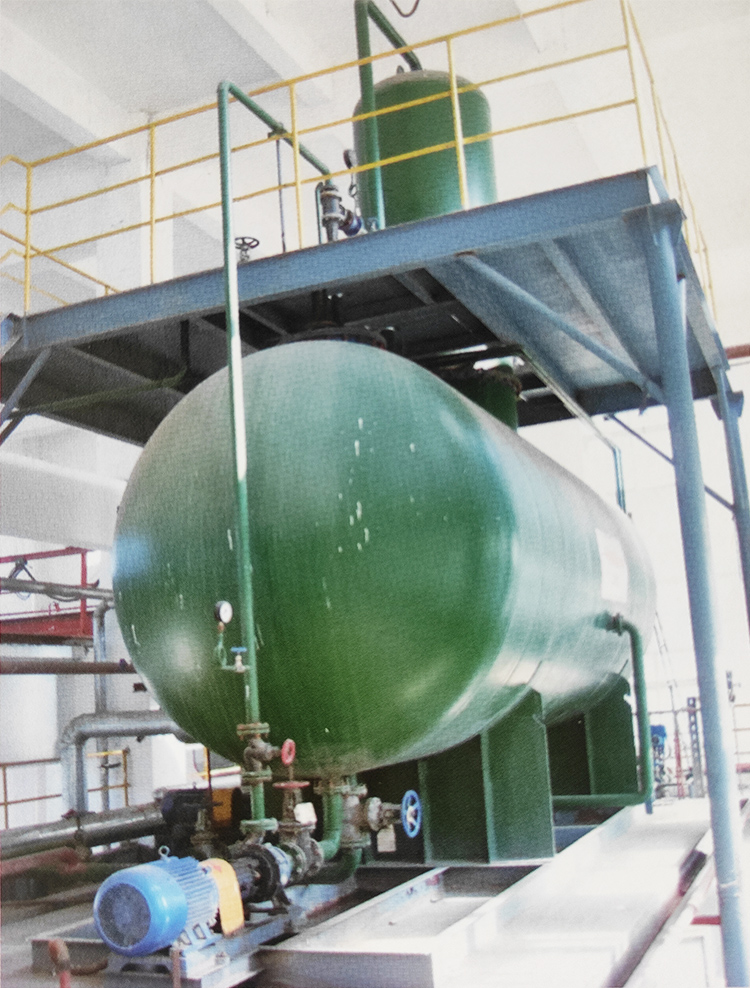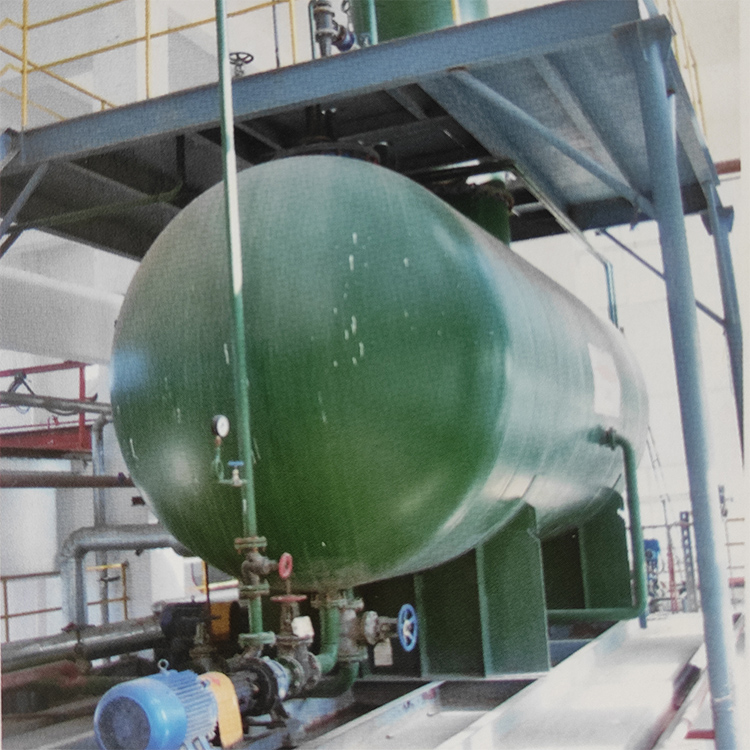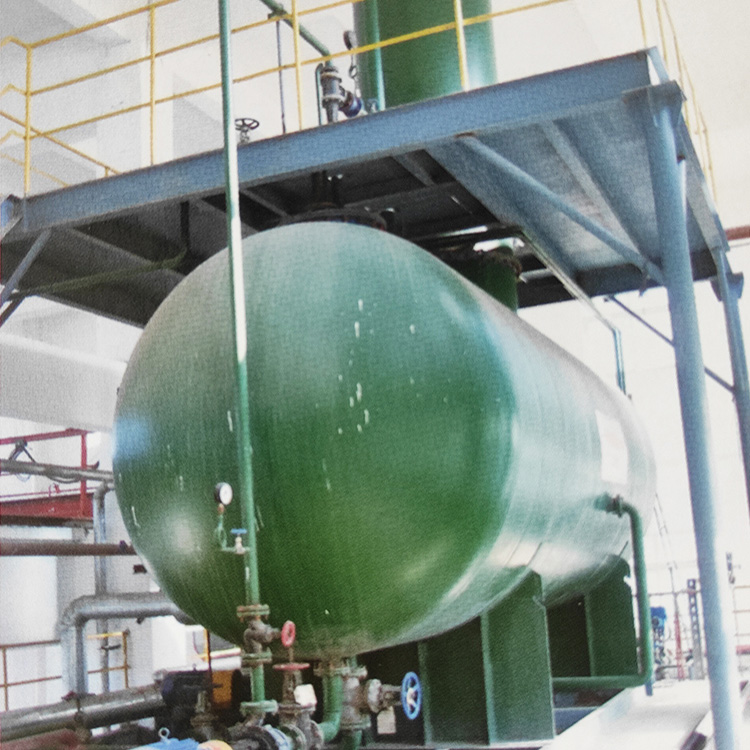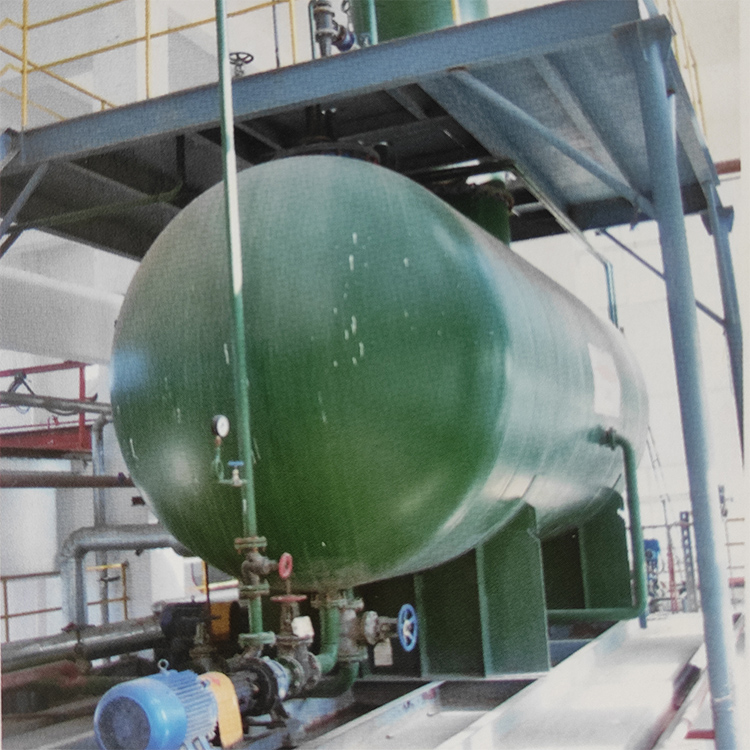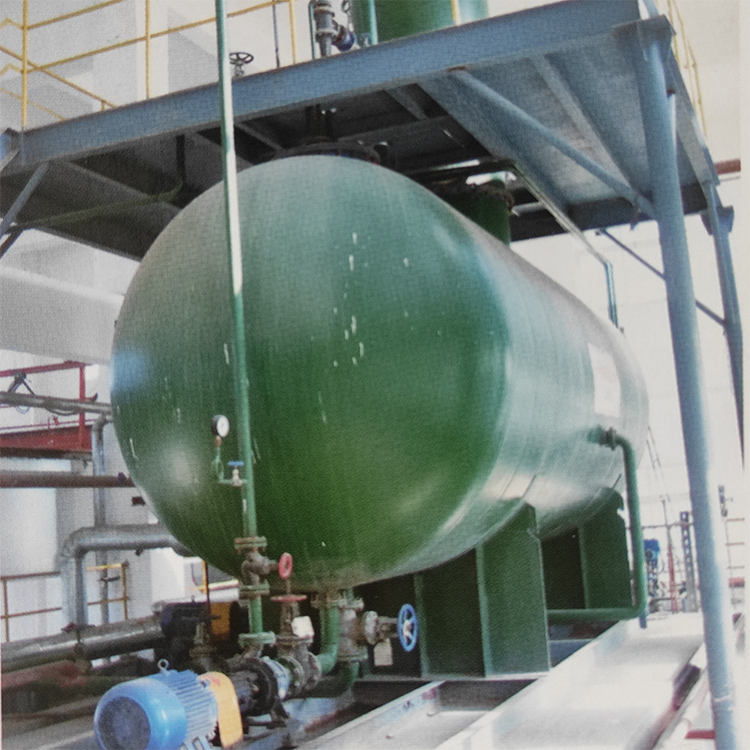

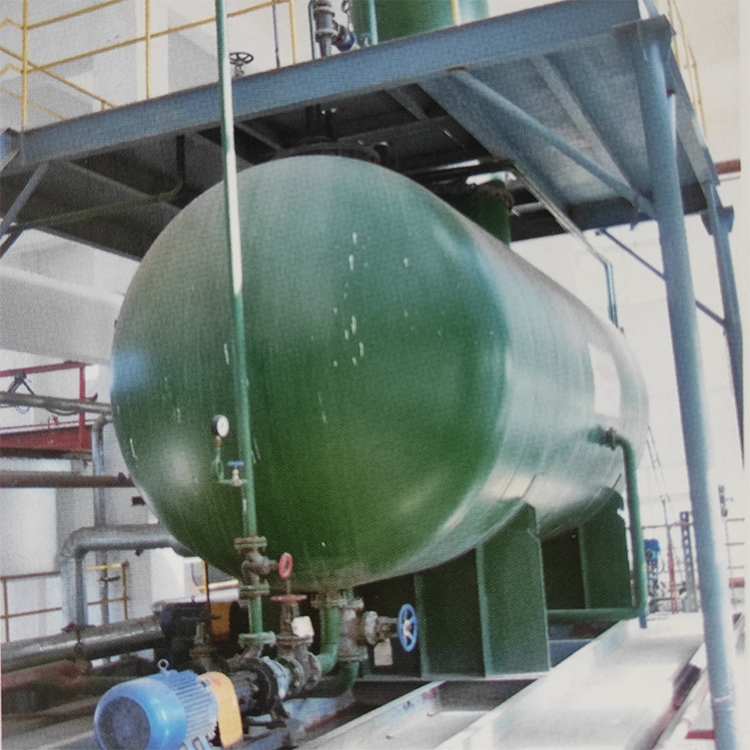
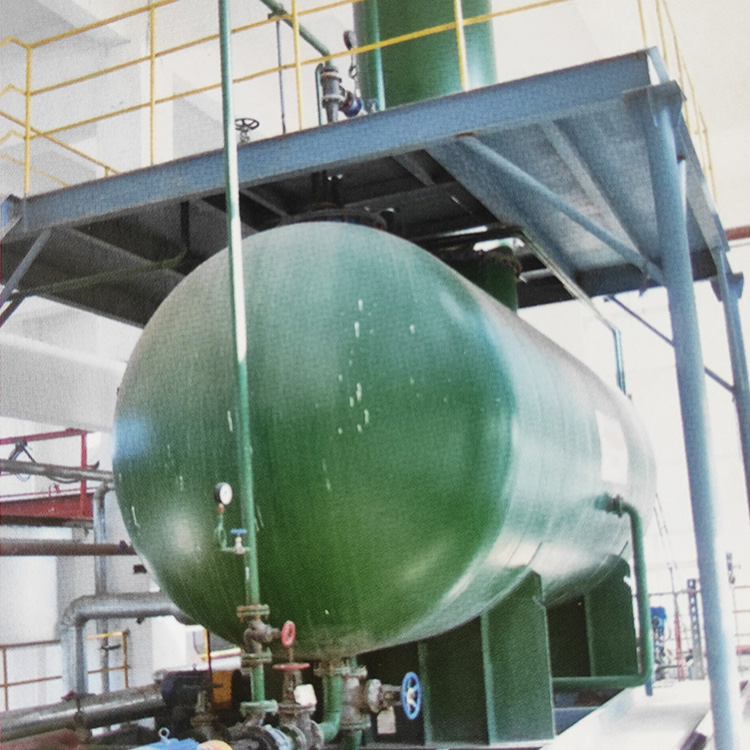
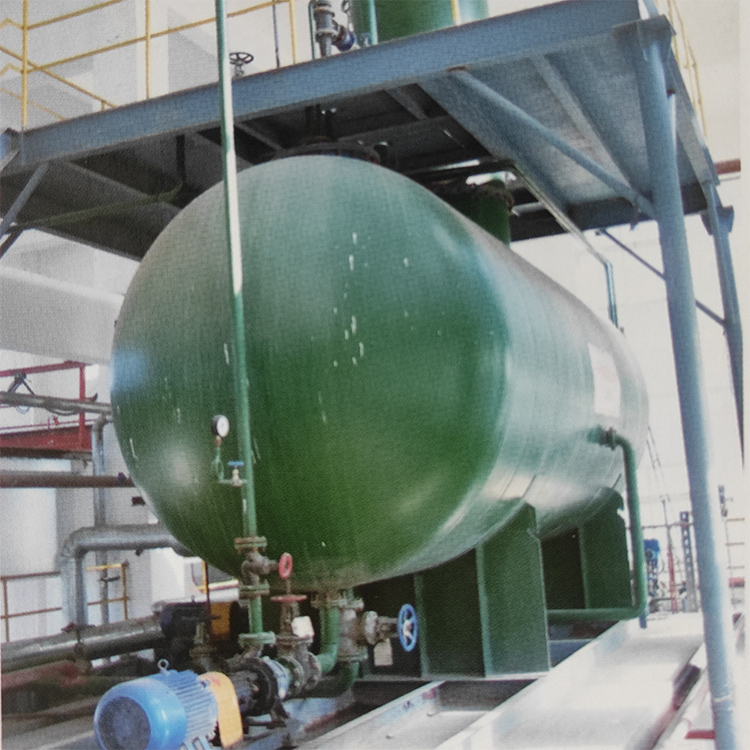











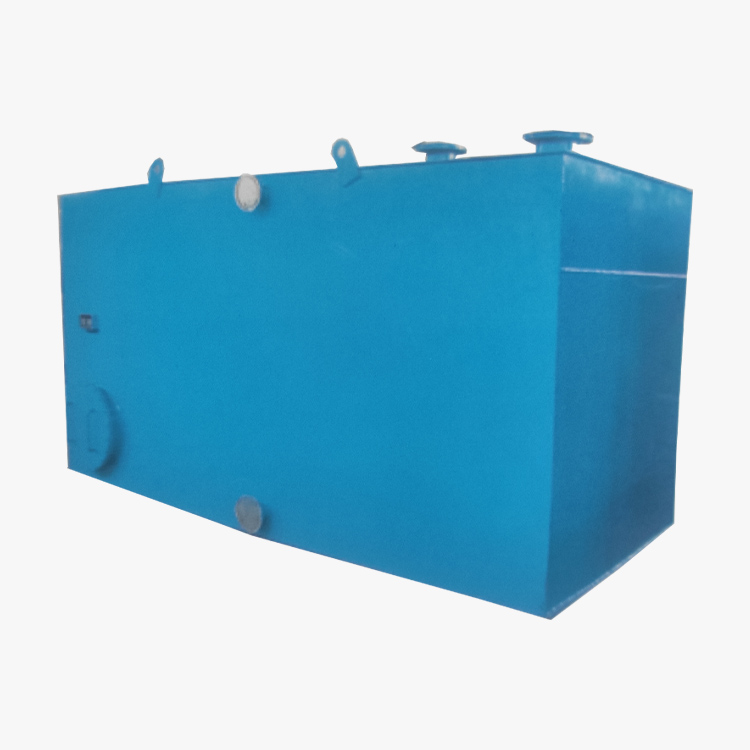
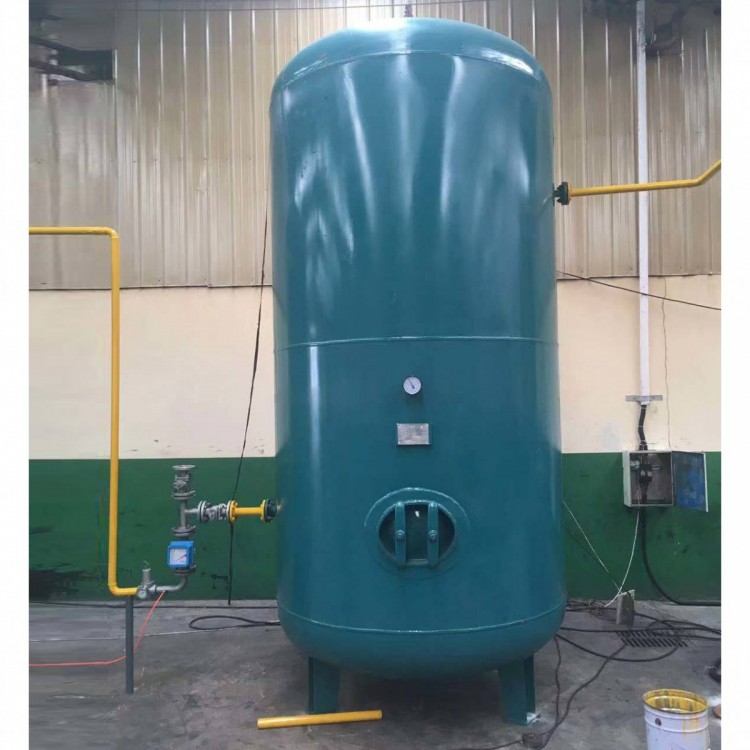
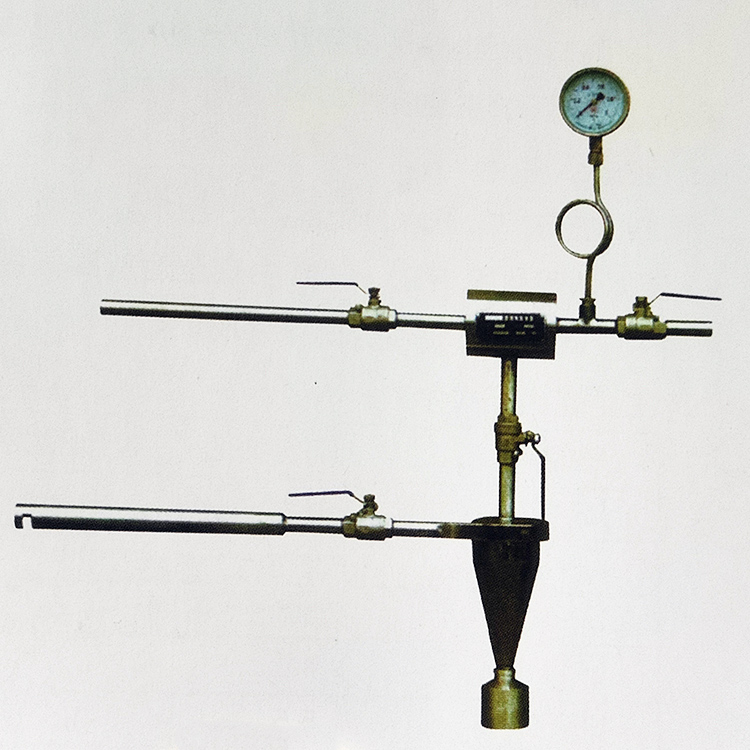
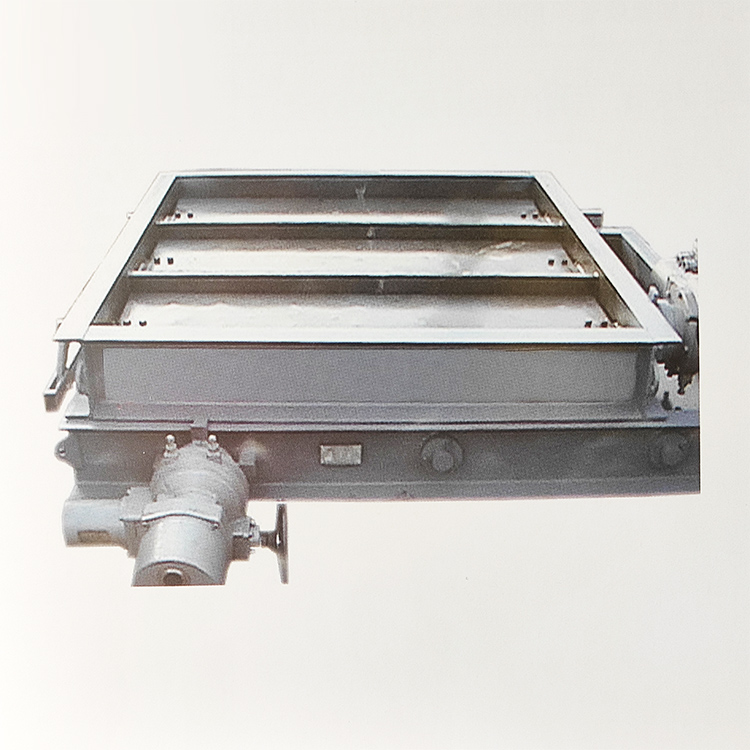
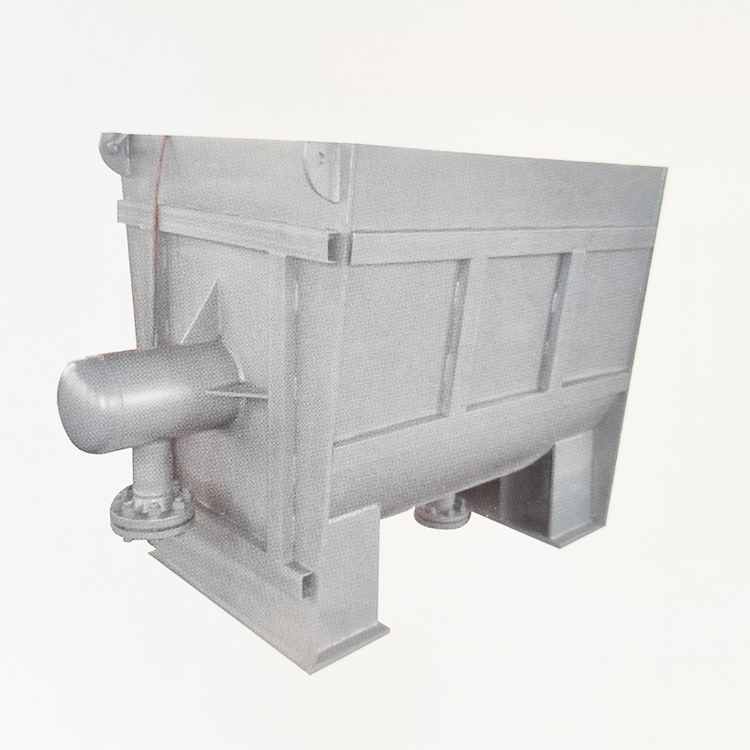
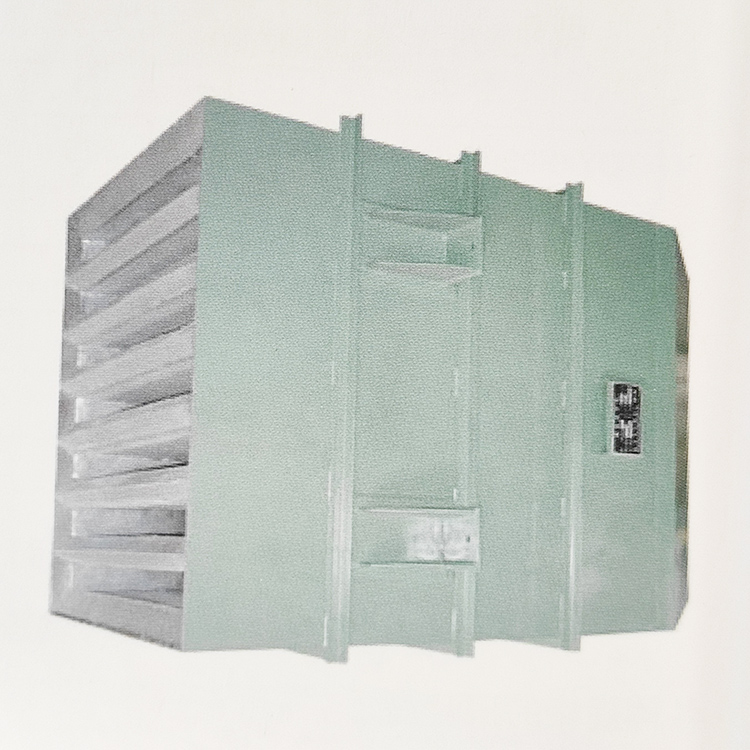
Deaerators are one of the key equipment in boilers and heating systems. If the deaeration capacity of the deaerator is poor, it will cause severe corrosion to the boiler feed water pipes, economizers, and other auxiliary equipment, leading to economic losses that could be several to hundreds of times the cost of the deaerator.
Overview
During the boiler feed water treatment process, deoxygenation is a critical step. Oxygen is a major corrosive substance in the feed water system and boiler. Oxygen in the feed water must be quickly removed, as it can corrode the boiler feed water system and components. The corrosive product, ferric oxide, can enter the boiler, settle or adhere to the boiler tube walls and heat surfaces, forming an insoluble and poor heat transfer iron scale. Moreover, corrosion can cause pitting on the inner walls of pipes, increasing the resistance coefficient. In severe cases of pipe corrosion, even pipeline explosion accidents can occur. National regulations stipulate that steam boilers with an evaporation rate of 2 tons per hour or more and hot water boilers with a water temperature of 95℃ or more must undergo deoxygenation. For many years, numerous boiler feed water treatment professionals have been seeking a deoxygenation method that is both efficient and economical, and vacuum deoxygenation is one such method.