








Installation Steps for the Stratified Settlement Meter
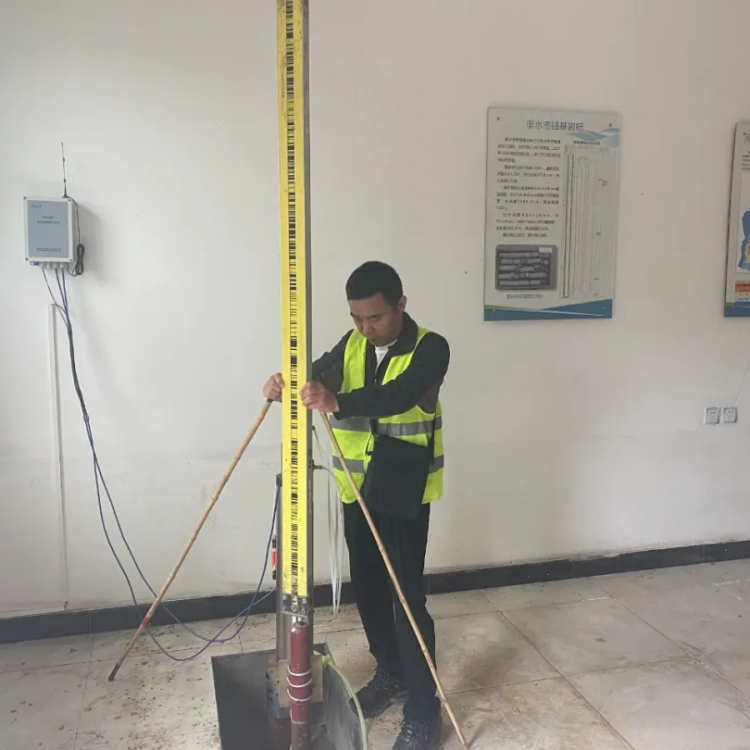
① Prior to installation, connect multiple single-point settlement gauges in series based on the number of layers.
② Utilize drilling and hole boring for installation, with hole diameter Φ108 or Φ127.
③ Drilling should be vertical; the depth of the hole should match the total length of the settlement gauge, with the hole opening being smooth.
④ Grout at the bottom of the hole before installation to secure the bottom anchor plate 1.
⑤ During installation, the bottom anchor plate 1 is below, and the flange settling plate 2 is above.
⑥ Use a lanyard to prevent components from accidentally falling.
⑦ Lower the settlement gauge bottom anchor plate 1 to the designed depth using rod 3.
⑧ First, fill with fine sand or fine soil to connect the flange plate at 2 layers.
Grout at layer connection flange 2.
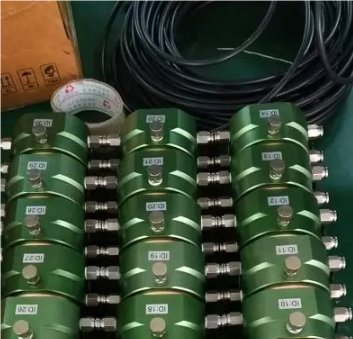
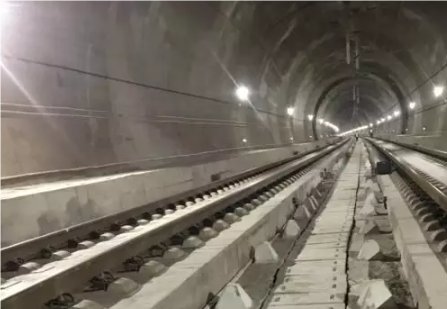
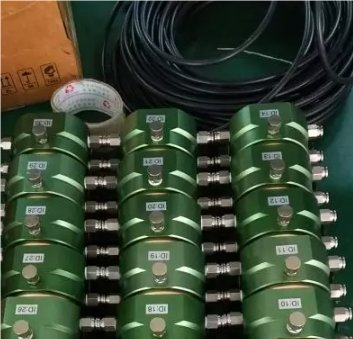
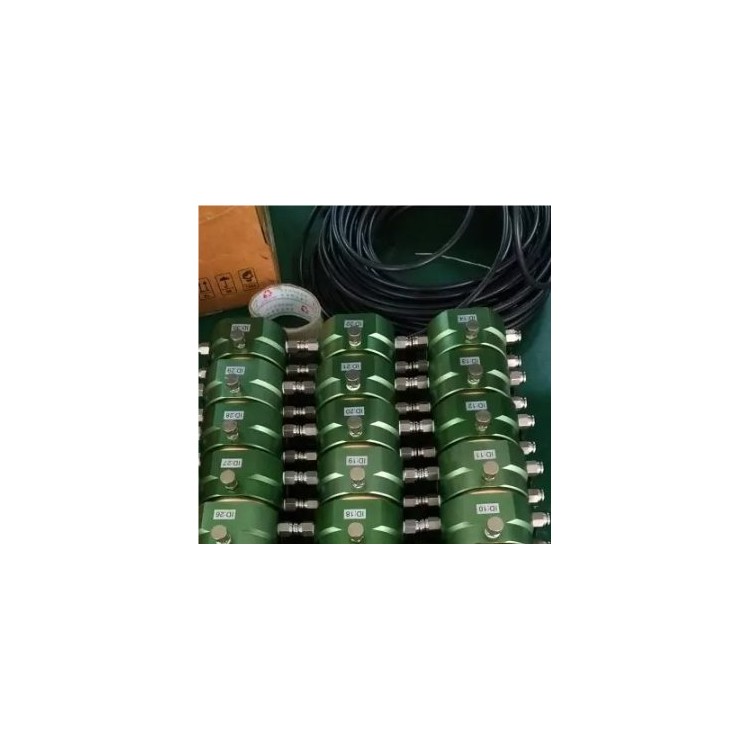
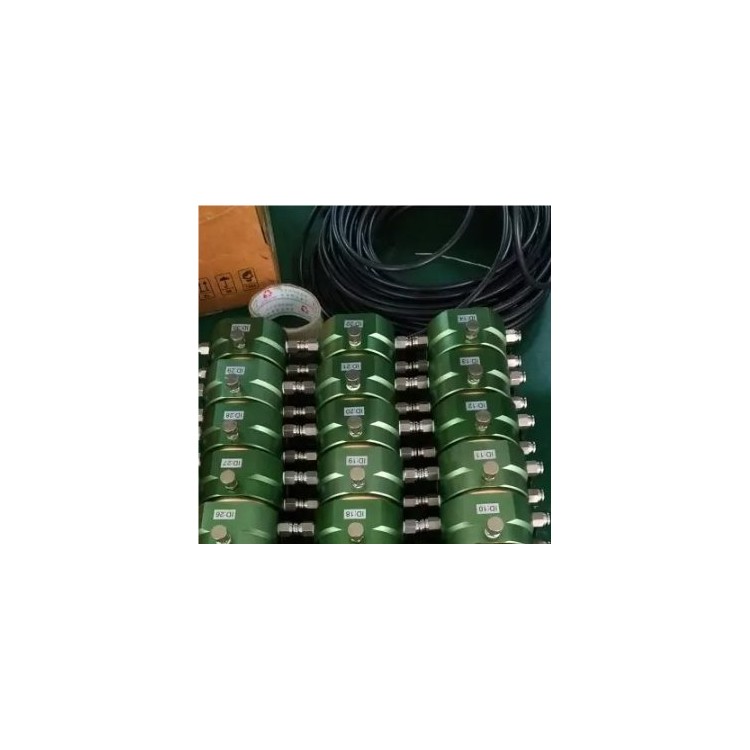
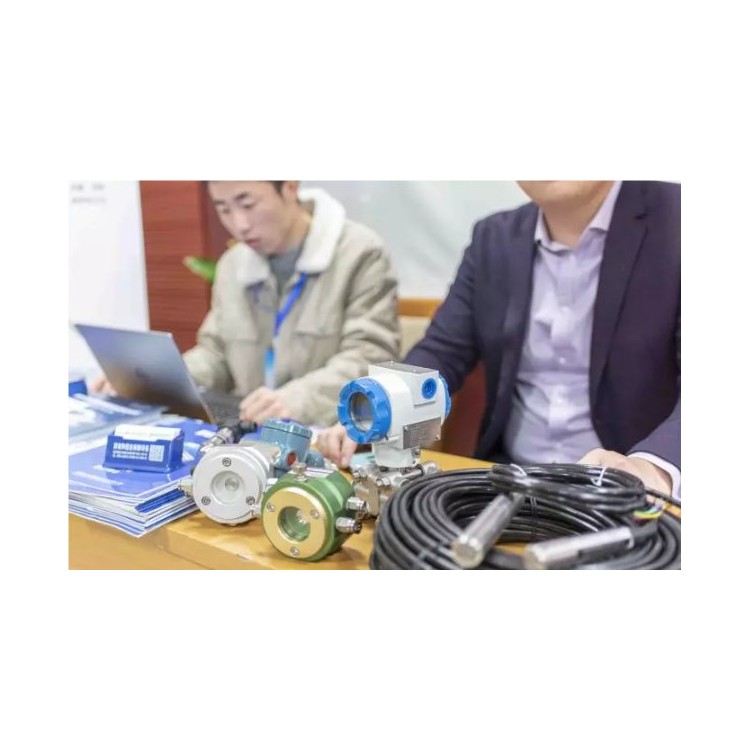
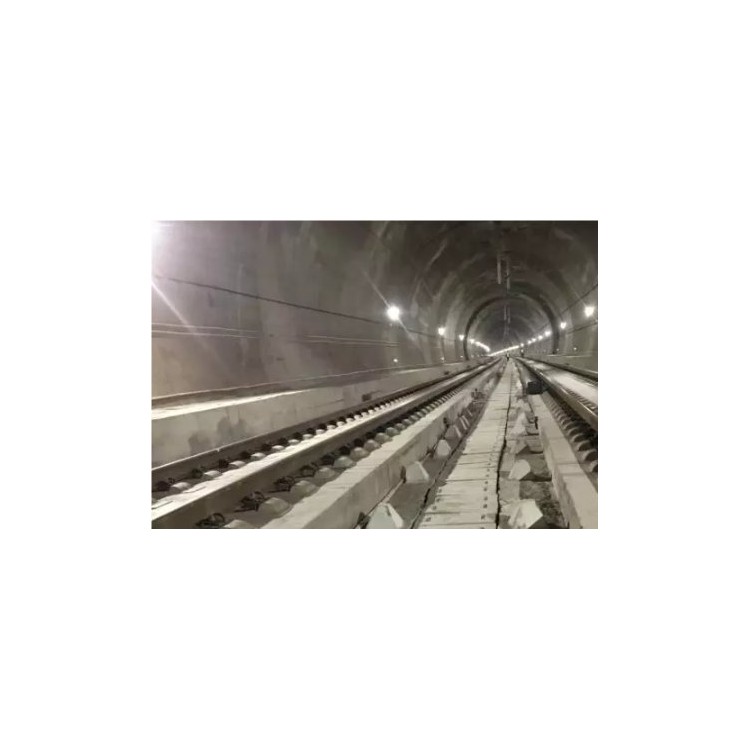
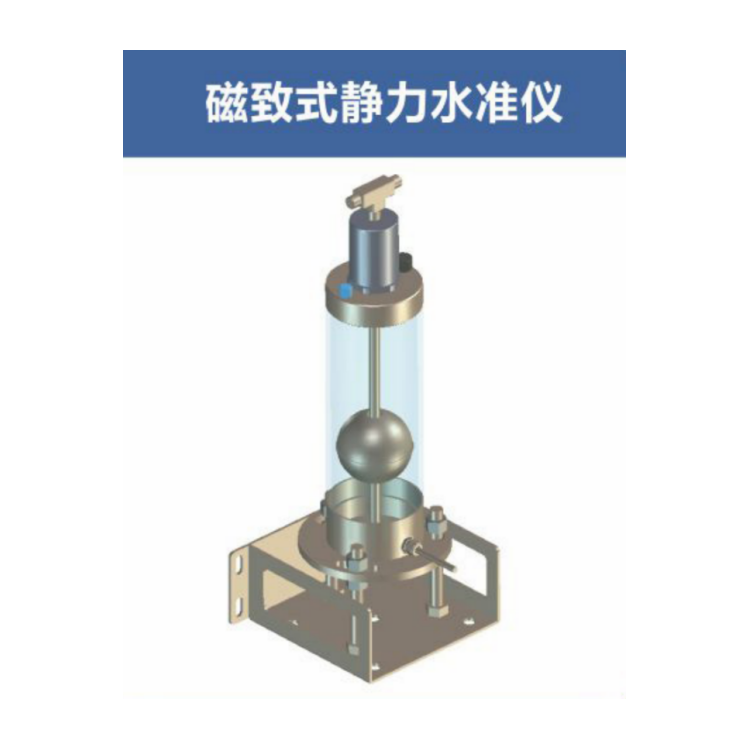
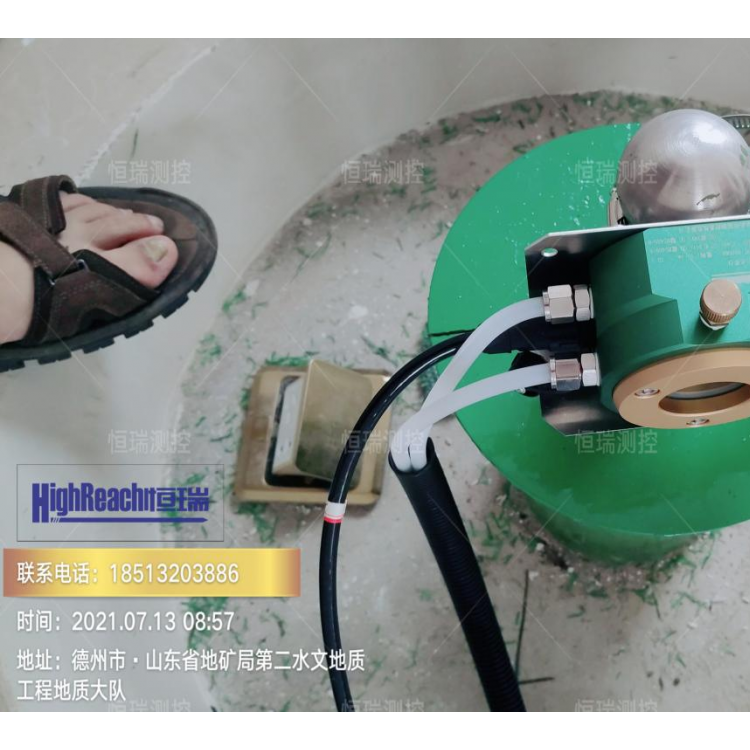
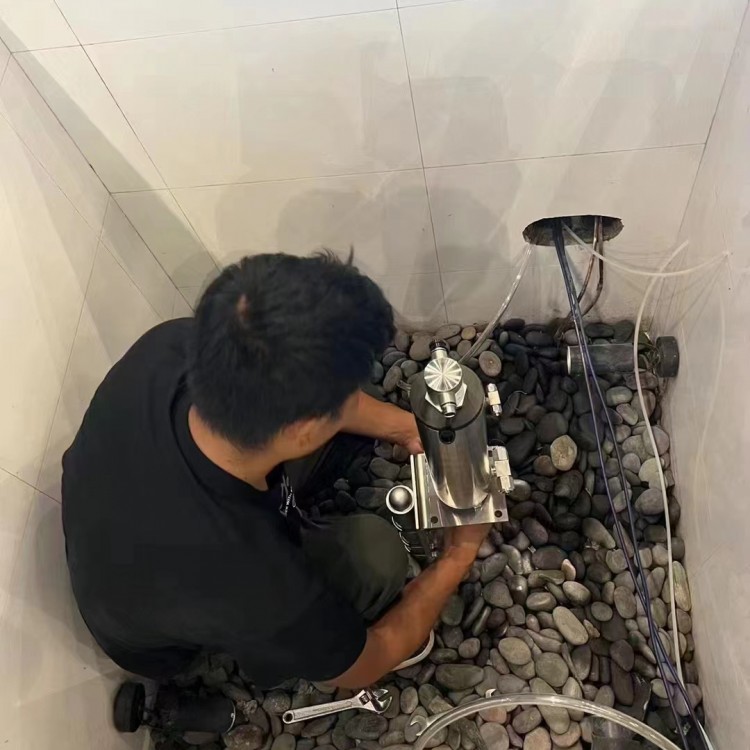
The static level gauge is a precise instrument used for measuring the relative settlement at various points of foundations and buildings. Primarily used for measuring uneven settlements at points in large structures such as hydropower plants, dams, high-rise buildings, nuclear power plants, and rock masses in hydraulic engineering projects. It features an integrated lithium battery with a lifespan of over 2 years, which is replaceable, and supports multiple power supply methods, including 5V to 24V and 220V. The product is equipped with built-in wireless zigbee networking capabilities for automated network setup. The wireless communication range, which varies depending on the power of the wireless module, can be between 1-3km and 3-10km. It can directly connect to the internet to enable IoT functionality. Remote access, monitoring, cloud storage, and data sharing are achieved through web software. The static level gauge is a high-precision liquid level measurement system suitable for measuring relative settlements at multiple points. In use, the containers of multiple static level gauges are connected by a common fluid tube, with the liquid level in each container measured by a related sensor, thus enabling the measurement of the change in liquid level at each point. The static level gauge is a precise instrument for measuring altitude differences and their changes, mainly used for monitoring vertical displacements and tilts in tunnels, dams, nuclear power plants, high-rise buildings, foundation pits, tunnels, bridges, and subways.