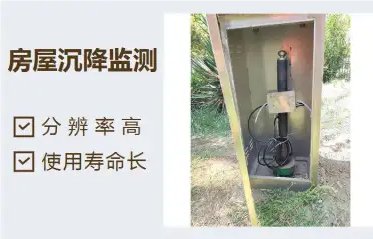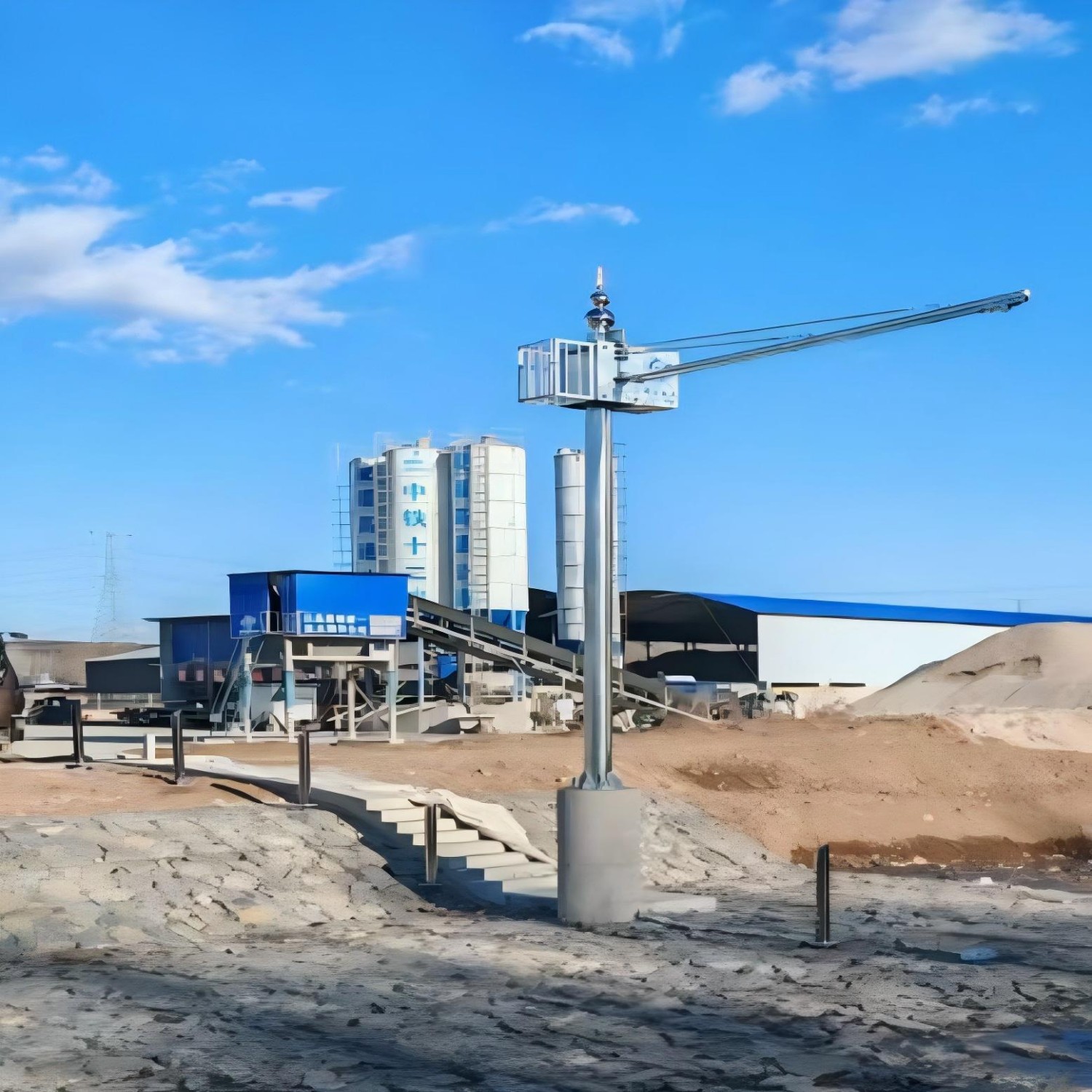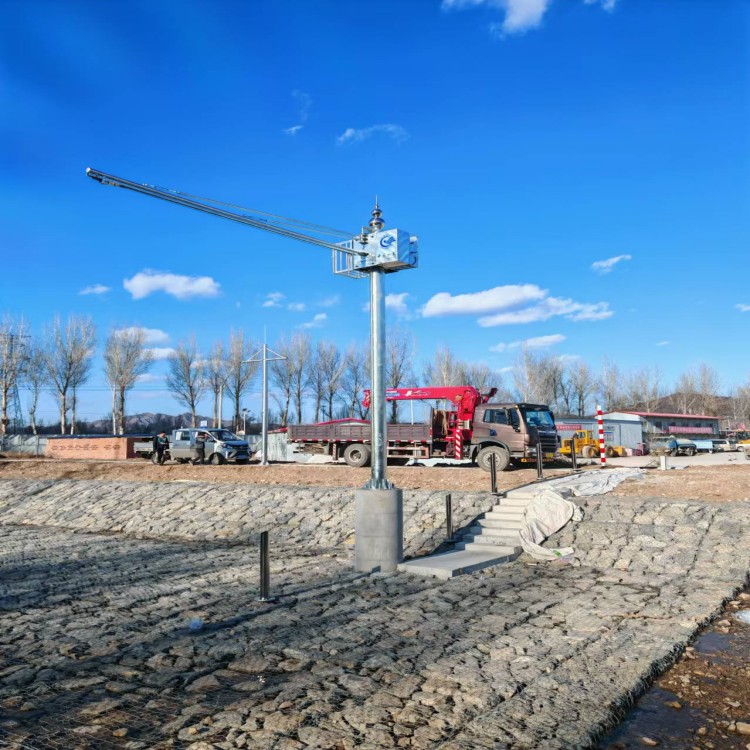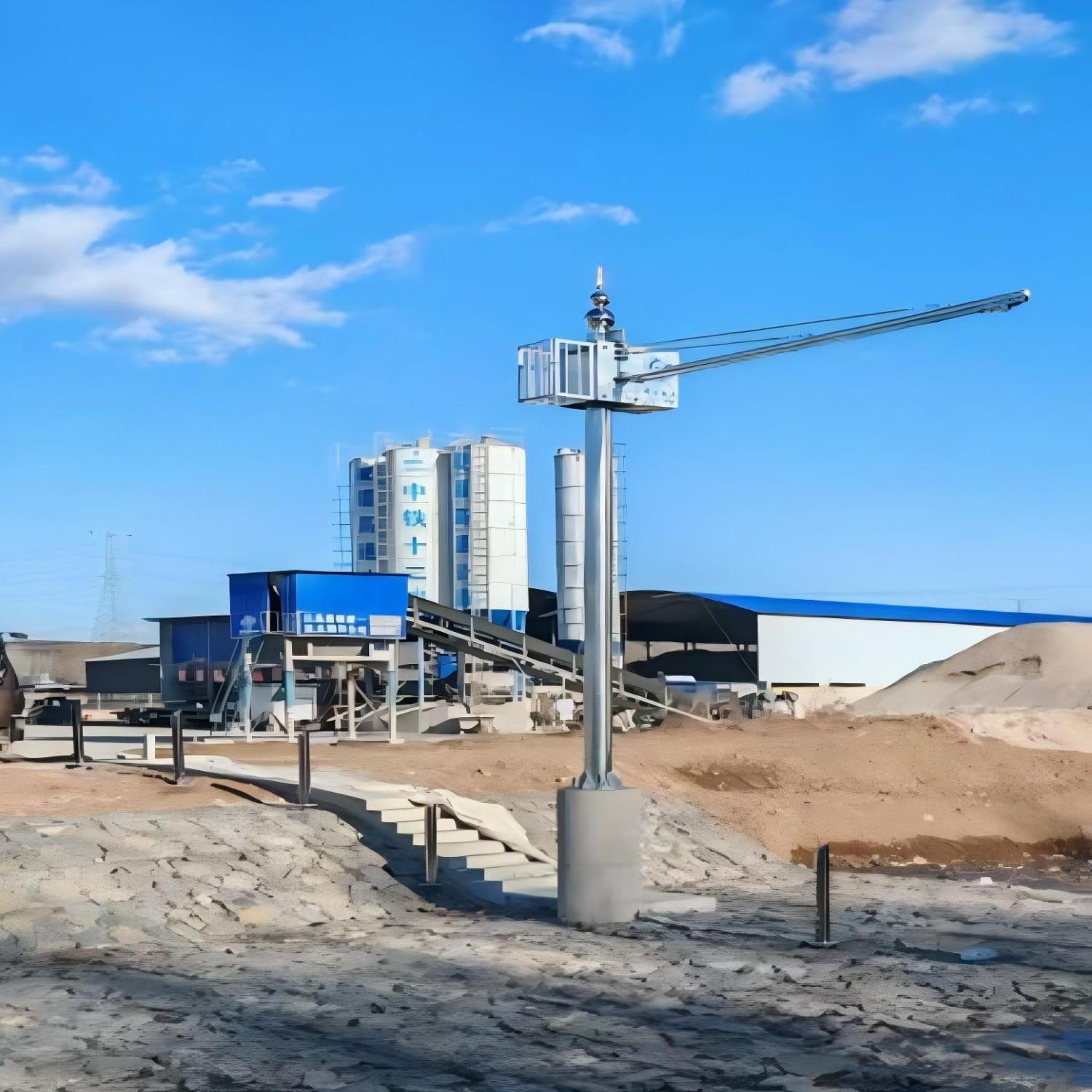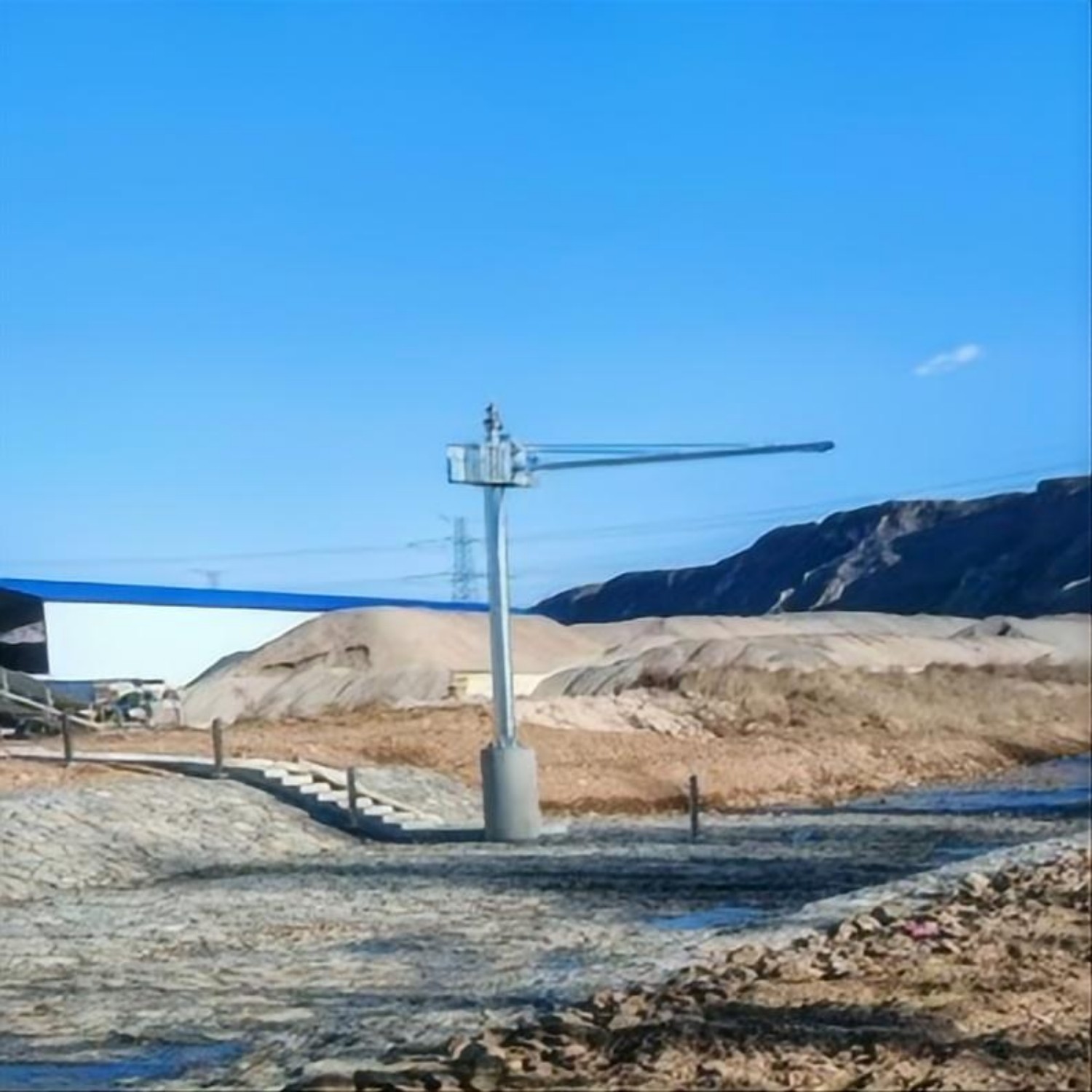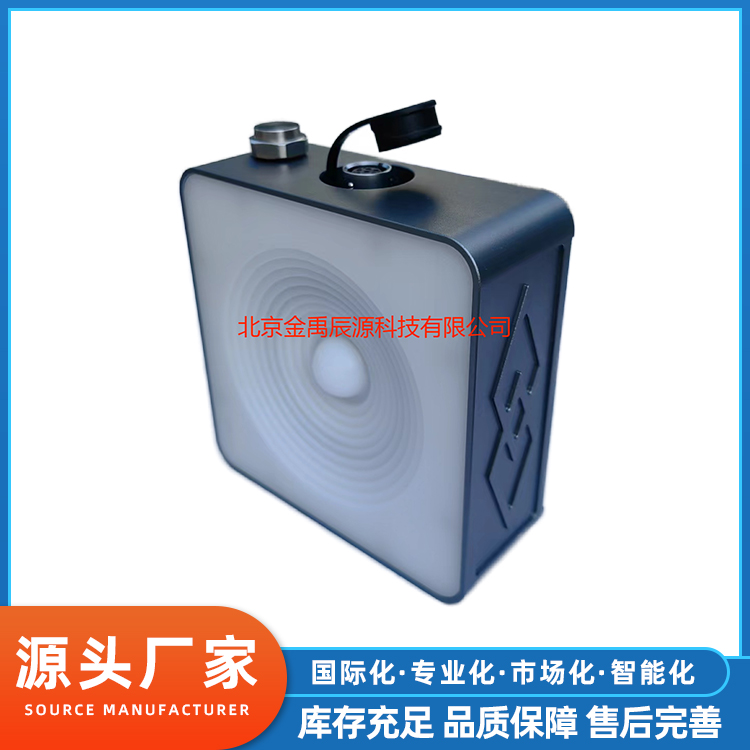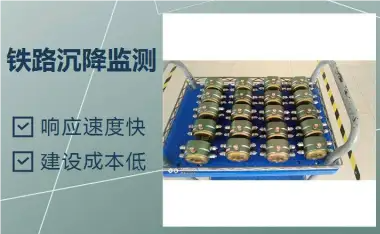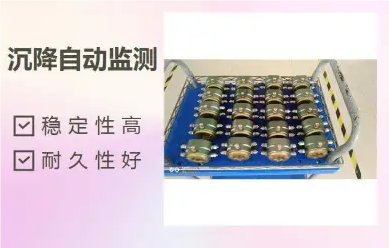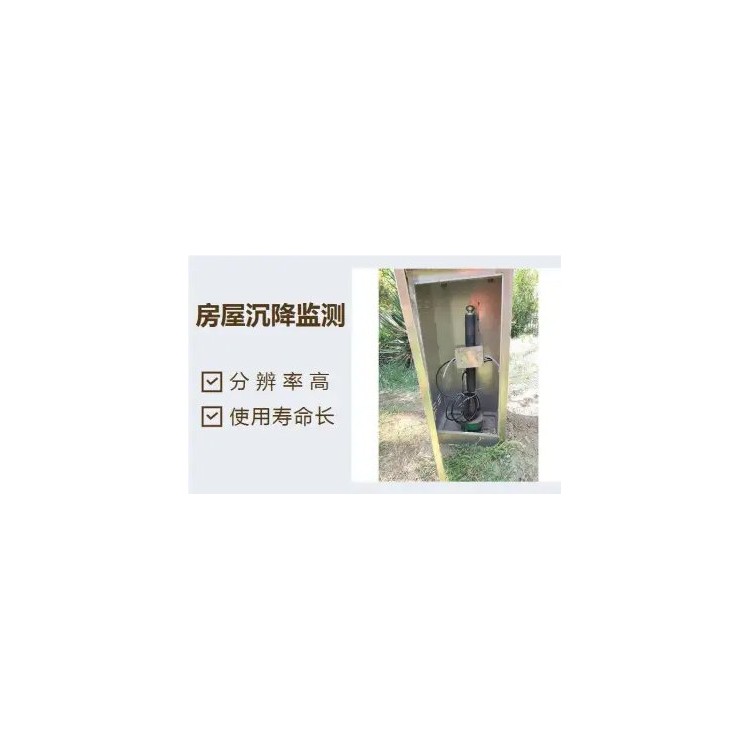

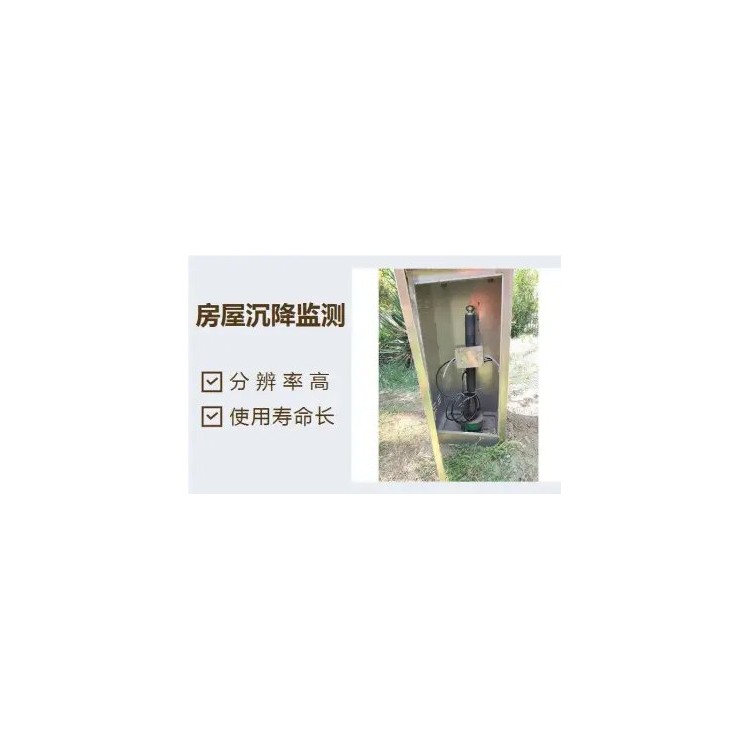
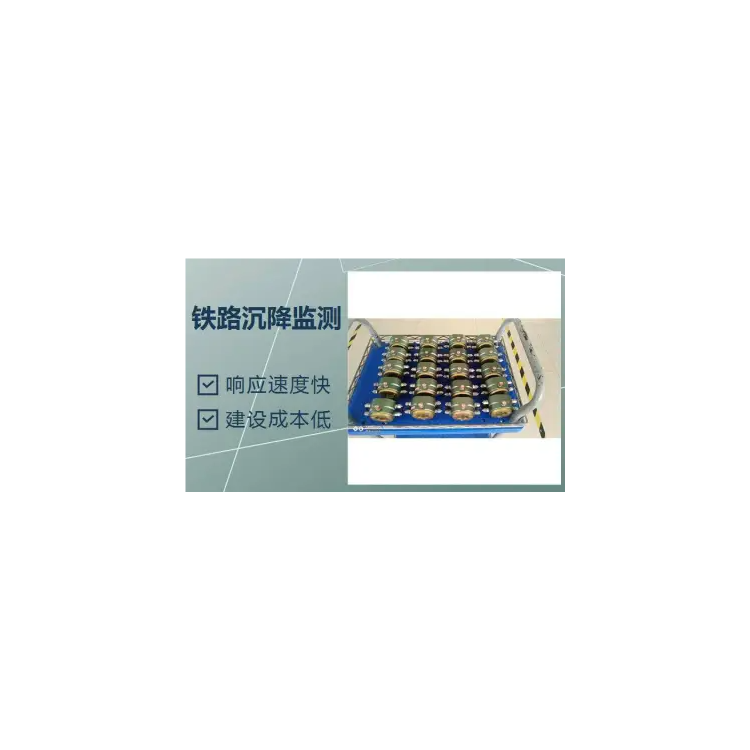


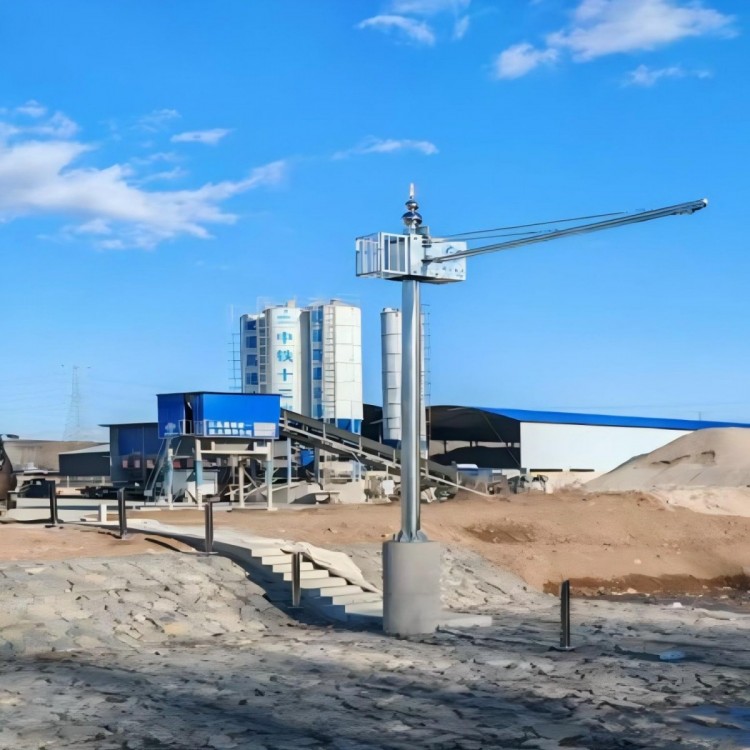
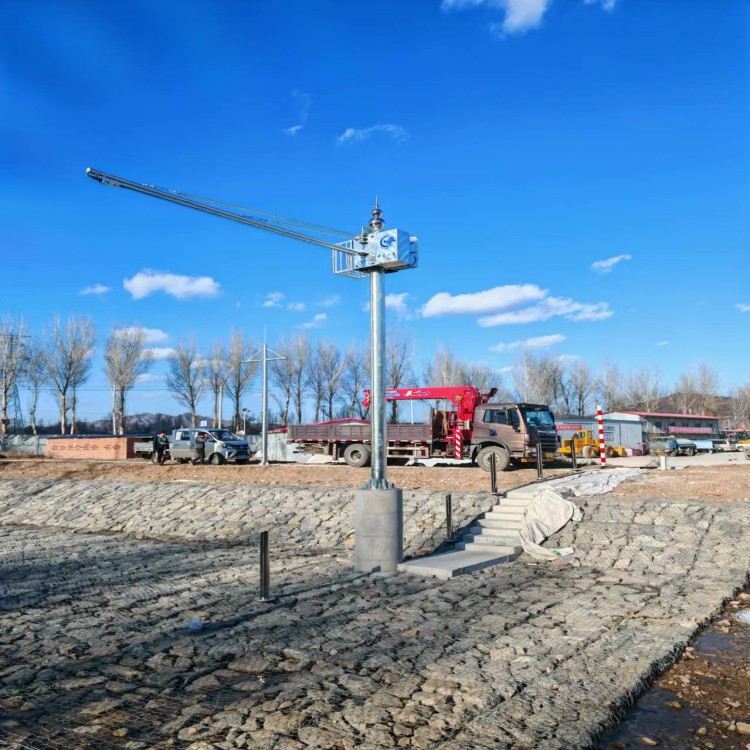






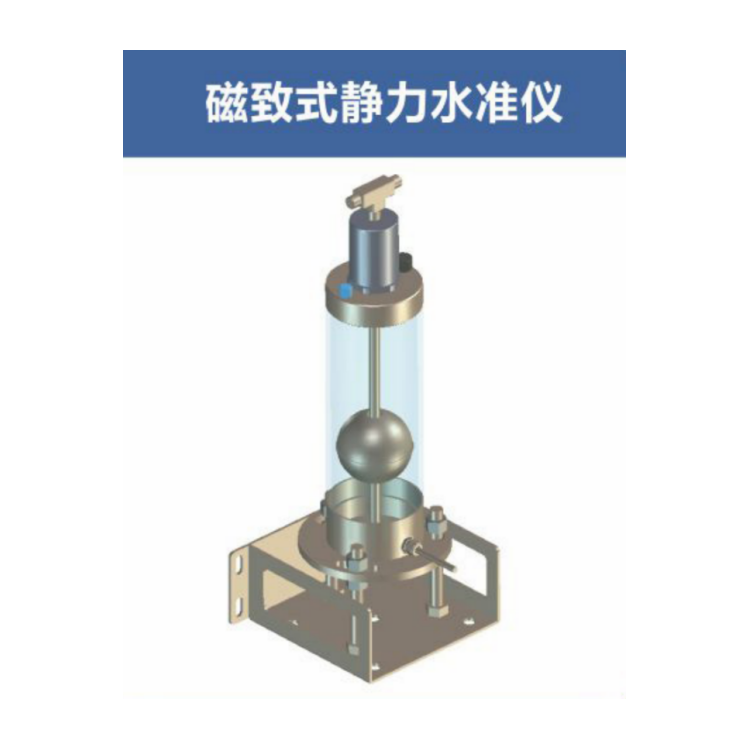
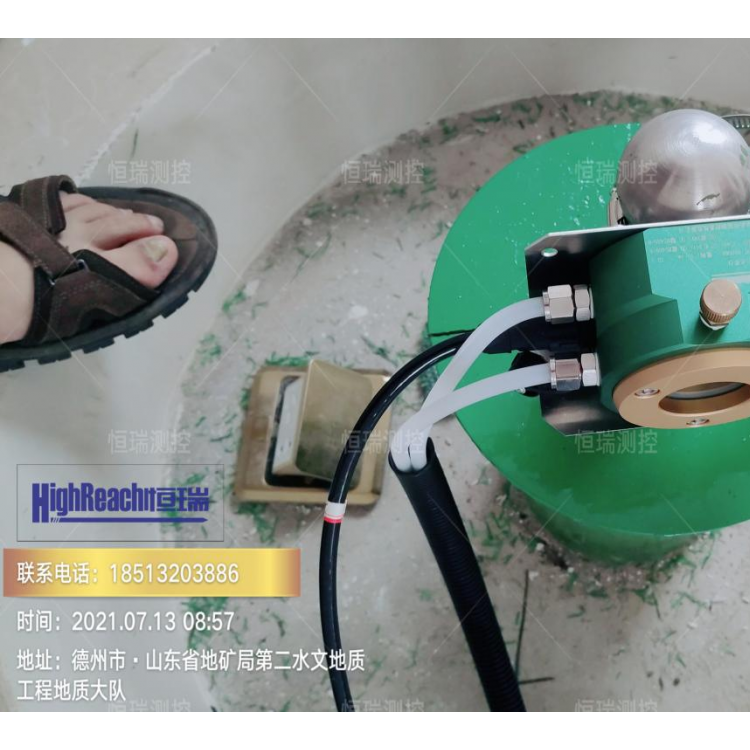
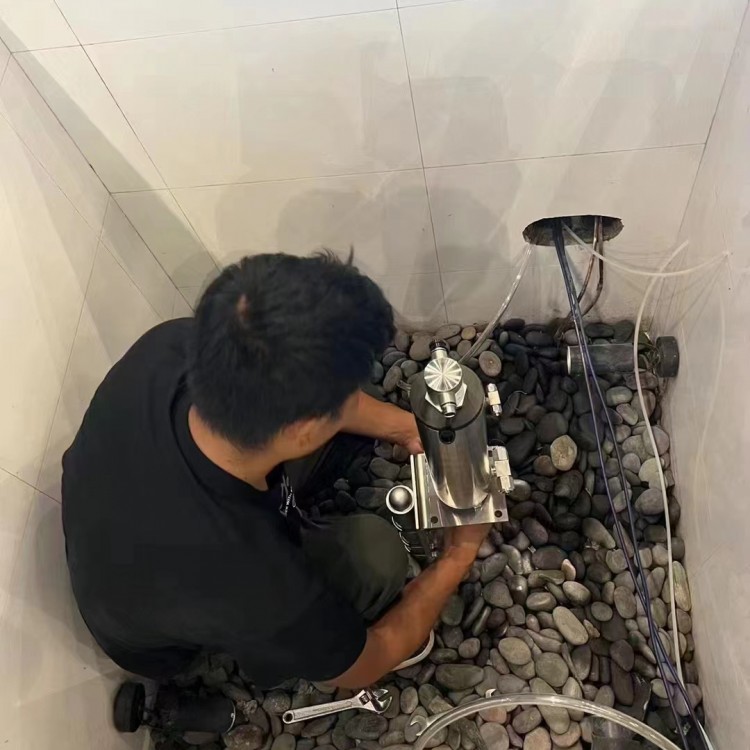
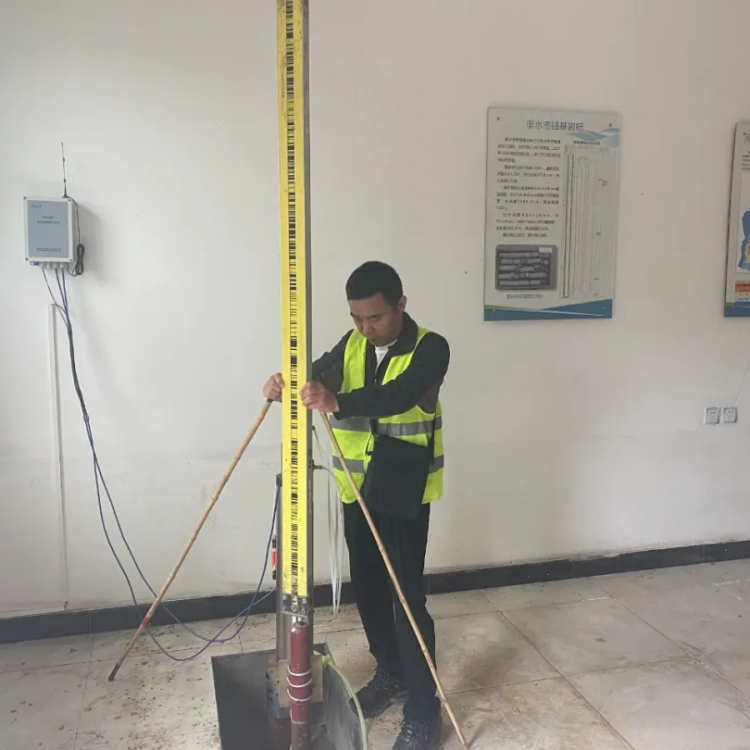
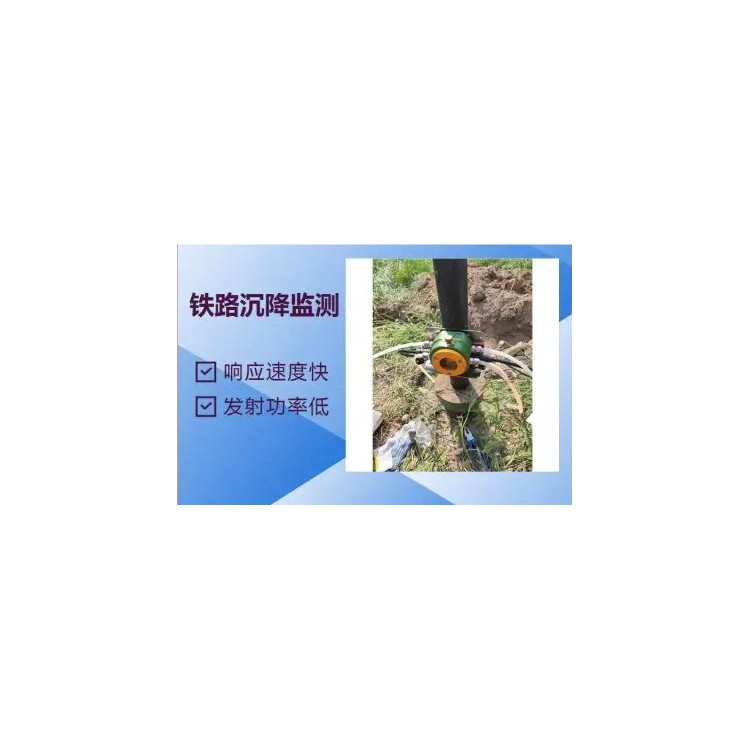
The stratified settlement gauge is composed of multiple single-point settlement units connected by PVC pipes. It is suitable for measuring displacement between multi-layer soil and a relatively stationary point (bedrock), allowing for long-term monitoring and automated measurements.
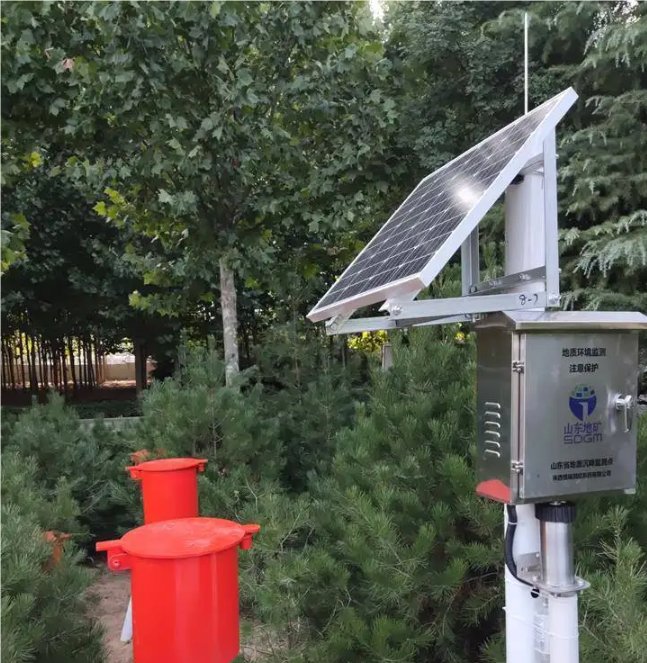
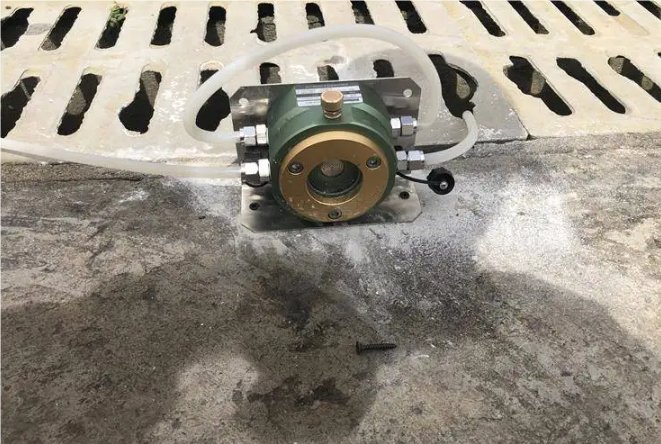
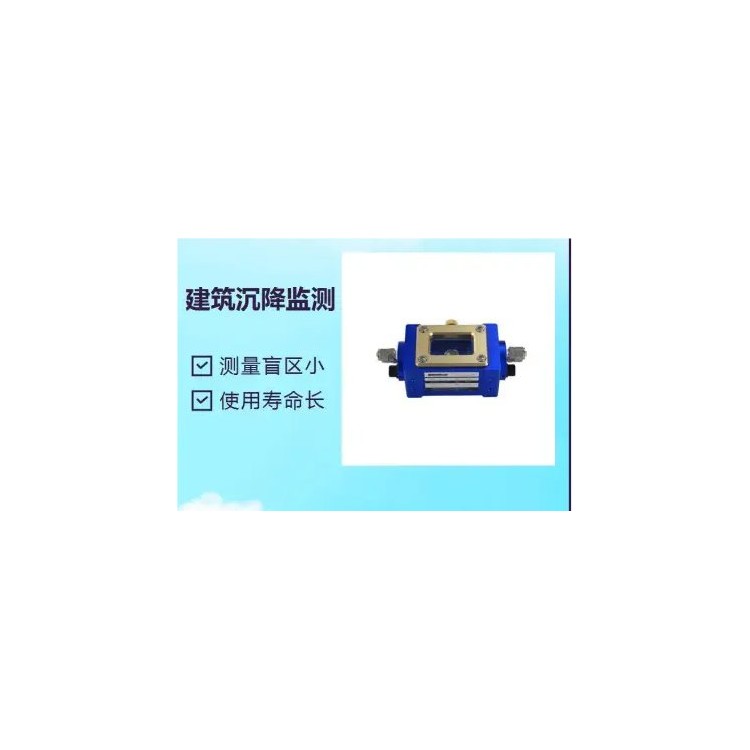
The advantages of the static level gauge: high measurement accuracy, strong stability, and unaffected by low temperatures. Primarily used to determine the vertical settlement of the object being measured through the measurement of liquid level height. Mainly applied in the settlement observation of subway, tunnels, bridges, building foundations, etc.
The static level gauge is typically installed on a pier at the same height as the object being measured or on a line of the same height on the object's wall. Data is usually automatically collected and stored in the field collection system using a single-machine version of the collection software within the on-site collection box, and then transmitted to the backend network version software via wired or wireless communication, thereby achieving automated observation.
The primary purpose of railway settlement monitoring
1. Obtain data on the subgrade load and natural settlement observations for newly constructed ballastless track roads with speeds of 200-350 km/h.
2. Monitor to obtain the real status and deformation trends of different structural settlements in the project.
3. Monitor the dynamic changes in settlement during subgrade compaction to provide timely and reliable information for later settlement assessment, evaluating the safety of the foundation under ballastless track under load and natural settlement.
4. Provide forecasts for potential engineering safety hazards to enable the implementation of effective measures and prevent accidents from occurring.