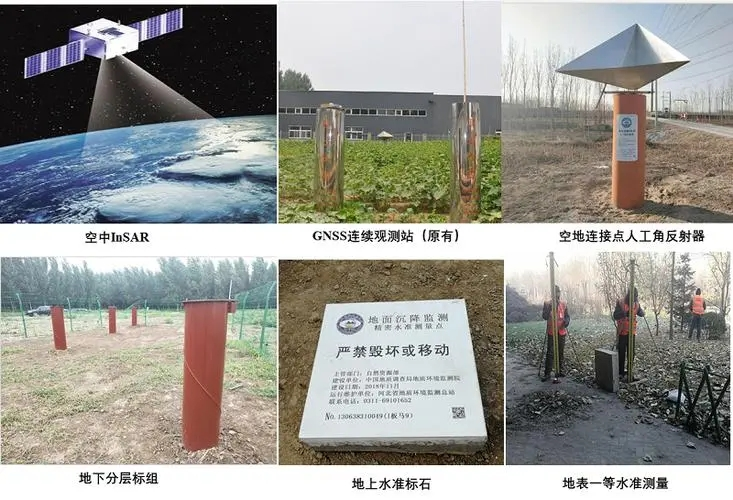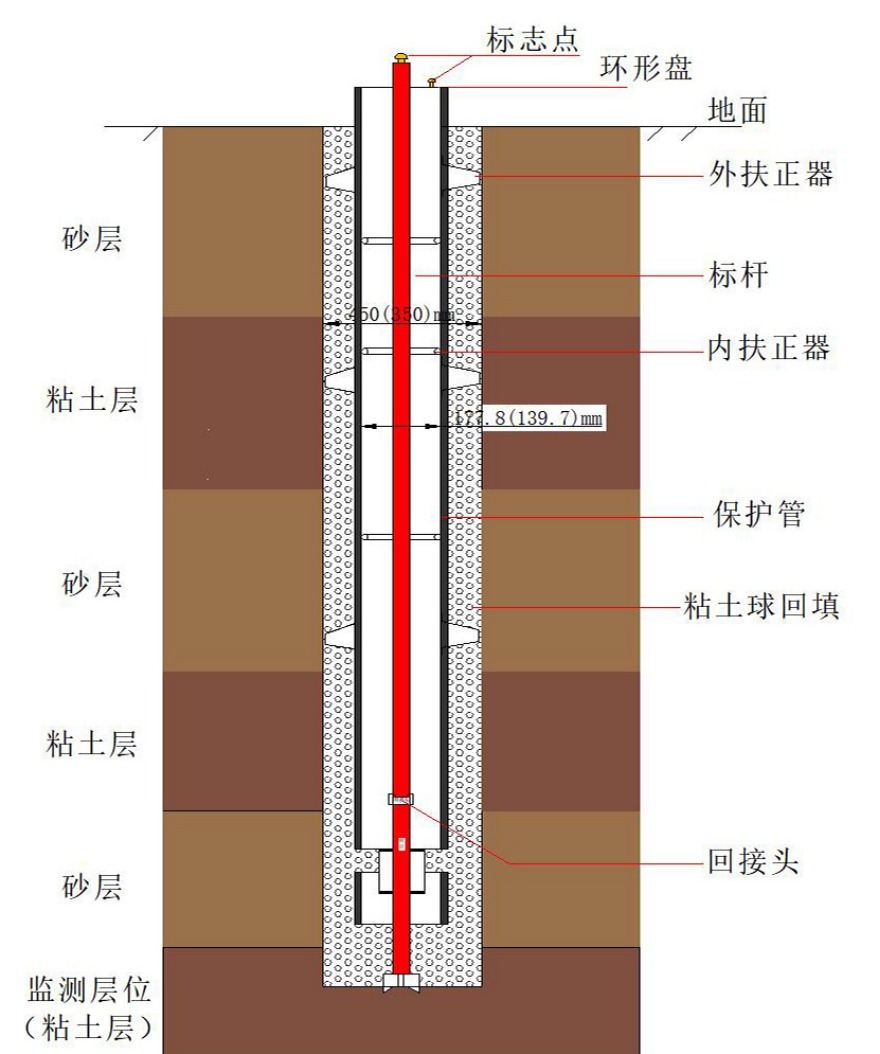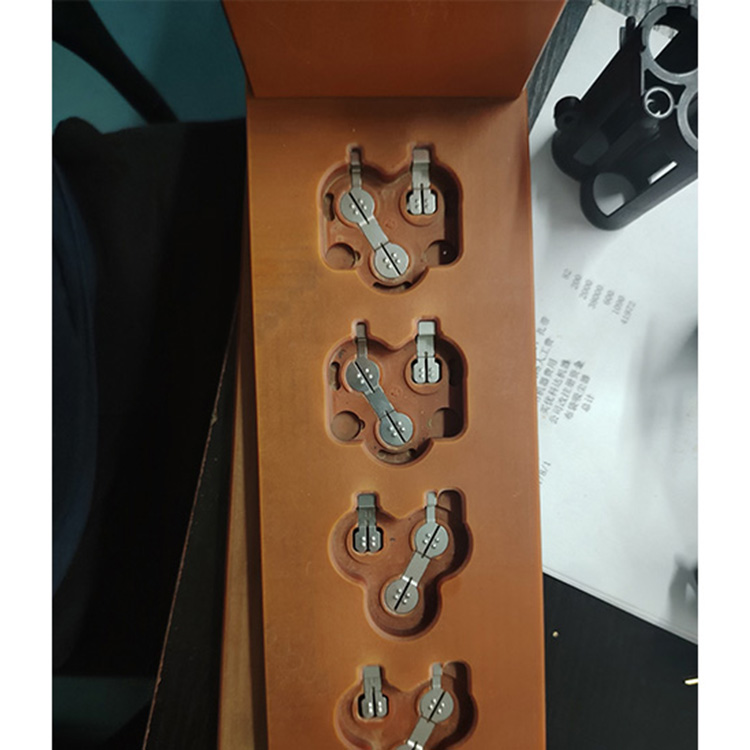







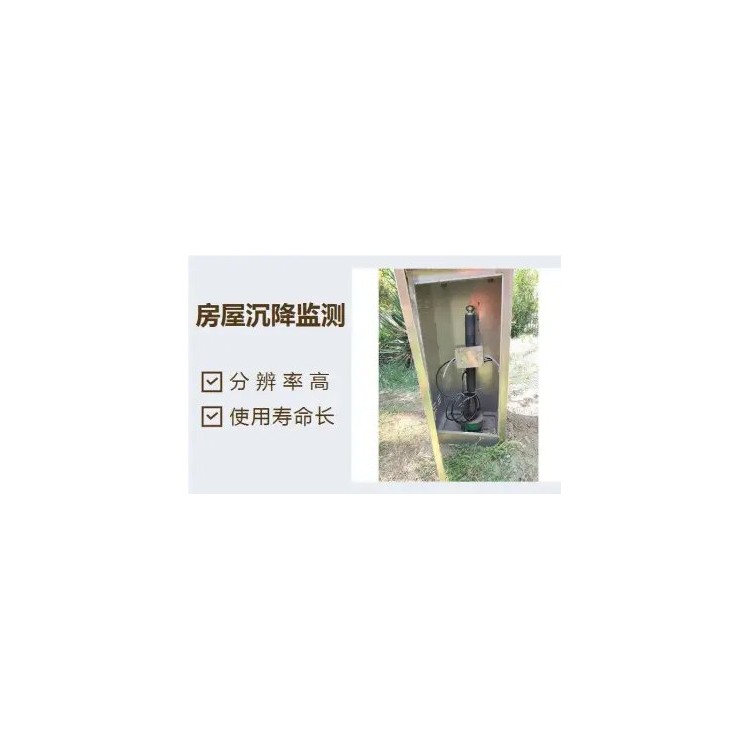
Bedrock Benchmark Settlement Static Level Instrument, Layered Benchmark Settlement Static Level Instrument, Source Manufacturer
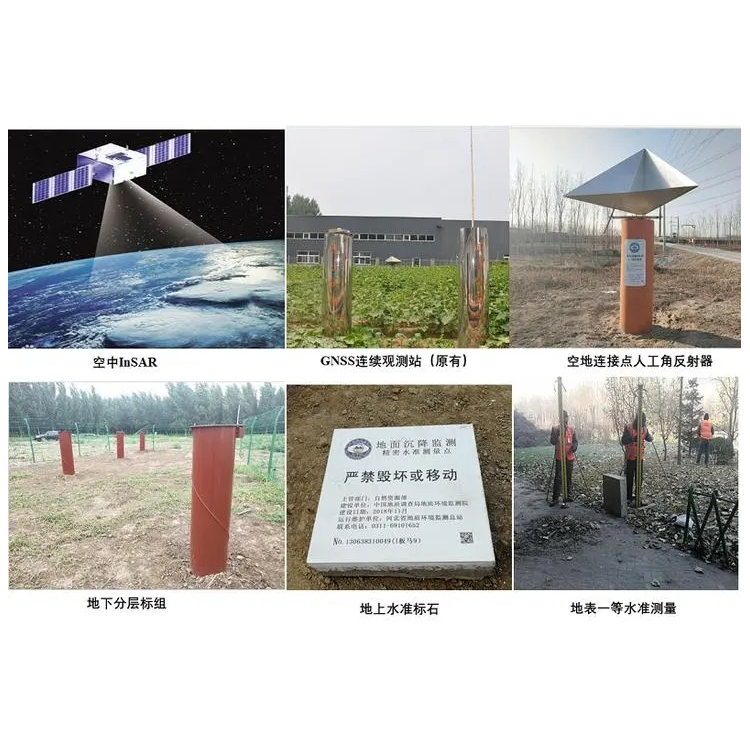
The Stratified Surface Subsidence Monitoring System primarily utilizes sensor technology, signal transmission technology, wireless transmission technology, and software technology to monitor critical technical indicators affecting structural safety from a comprehensive perspective, combining both macro and micro viewpoints. Its main principles include the following aspects:
Sensor Technology: The ground subsidence monitoring system utilizes high-precision sensor technology to collect real-time ground subsidence data.
Signal Transmission Technology: Utilizes signal transmission technology to transmit collected settlement data to an intelligent software system for processing and analysis.
Wireless Transmission Technology: Wireless transmission technology enables remote monitoring, allowing managers to keep track of ground subsidence at any time and place.
Software Technology: The intelligent software system is the core of the land subsidence monitoring system, capable of processing, analyzing, and issuing early warnings for collected data. By establishing deformation early warning models, the system can monitor land subsidence in real-time and automatically release early warning information upon detecting anomalies, with voice alarm support. Additionally, the system can also achieve multi-level sharing and remote management of safety monitoring information.
The Stratified Surface Subsidence Monitoring System is an efficient, precise, and automated monitoring technology with broad application prospects. It enables the real-time collection, transmission, calculation, and analysis of crucial operation data, providing a clear display of monitoring data, enhancing safety levels, and effectively preventing and controlling major accidents.
1.3 Advantages of Hengrui's Stratified Surface Subsidence Monitoring:
A stratified ground subsidence monitoring system is an advanced automated monitoring technology with the following advantages:
Real-time Monitoring: The ground subsidence monitoring system can continuously monitor ground settlement, promptly identify anomalies, and provide decision-makers with accurate data support.
High Precision: The ground subsidence monitoring system utilizes high-precision sensor technology and signal transmission techniques, enabling precise subsidence monitoring and enhancing the accuracy and reliability of the monitoring.
High automation level: The ground subsidence monitoring system achieves automated monitoring through an intelligent software system, automatically recording historical and current data, analyzing future trends, significantly enhancing monitoring efficiency.
Immediate Alert: The land subsidence monitoring system can promptly and automatically issue alerts upon detecting anomalies, reminding relevant personnel to take countermeasures, effectively preventing and containing major accidents.
Multi-level Sharing: The land subsidence monitoring system allows for multi-level sharing of safety monitoring information, facilitating timely understanding of monitoring conditions by management and decision-makers at all levels for scientific decision-making.
Remote Management: The land subsidence monitoring system supports remote management, allowing supervisors to monitor the situation anytime and anywhere, enabling remote command and dispatch.
1.4 Introduction to Main Equipment for Stratified Surface Subsidence Monitoring
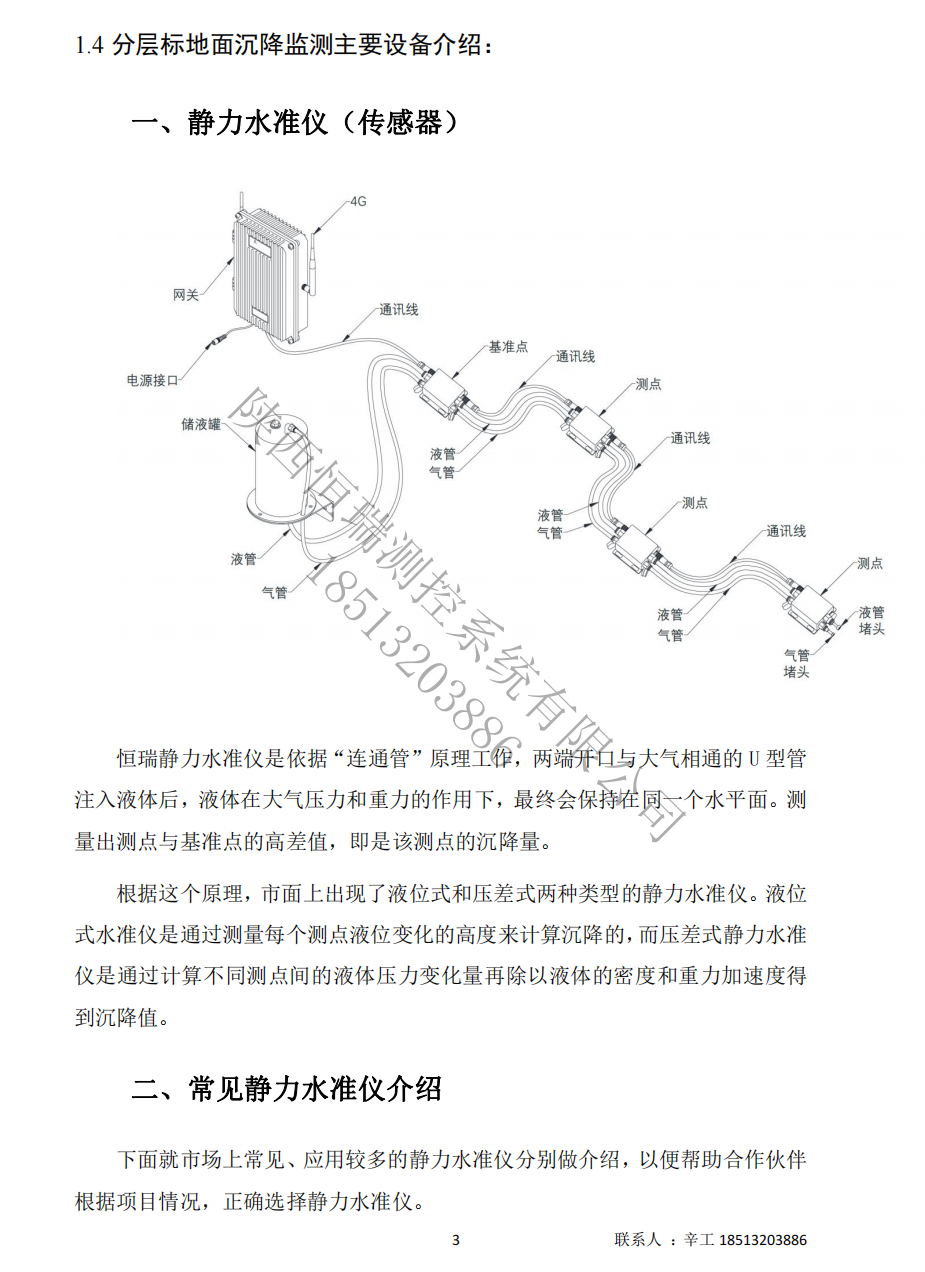
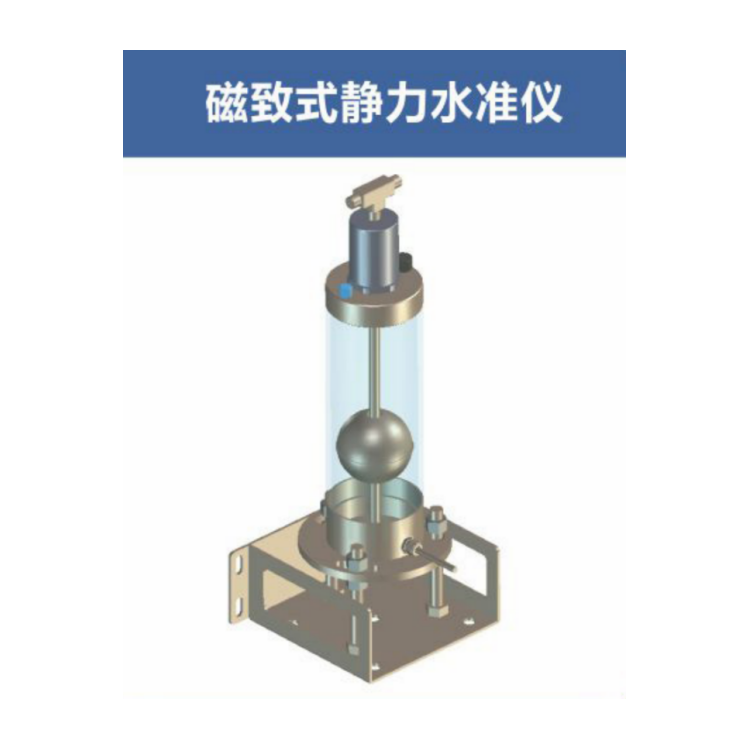
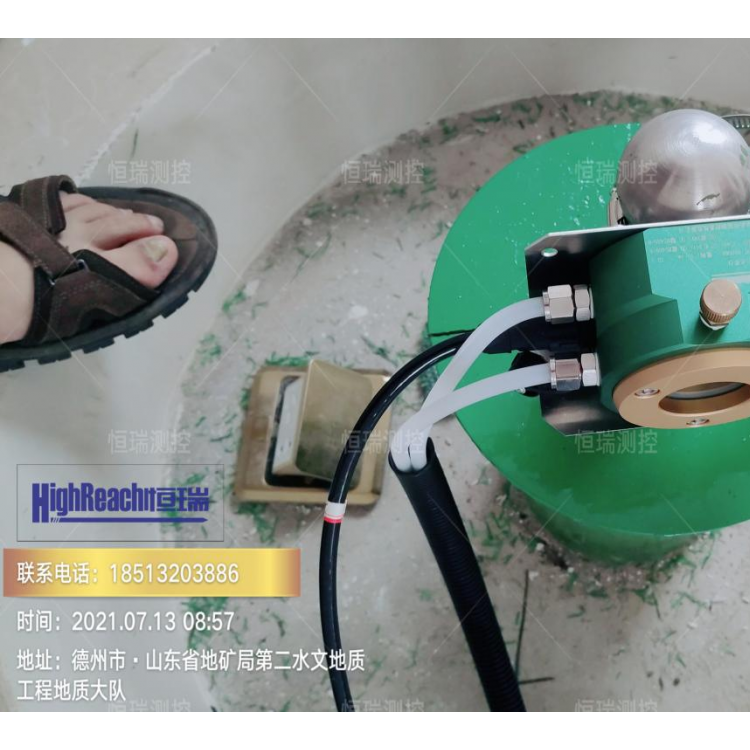
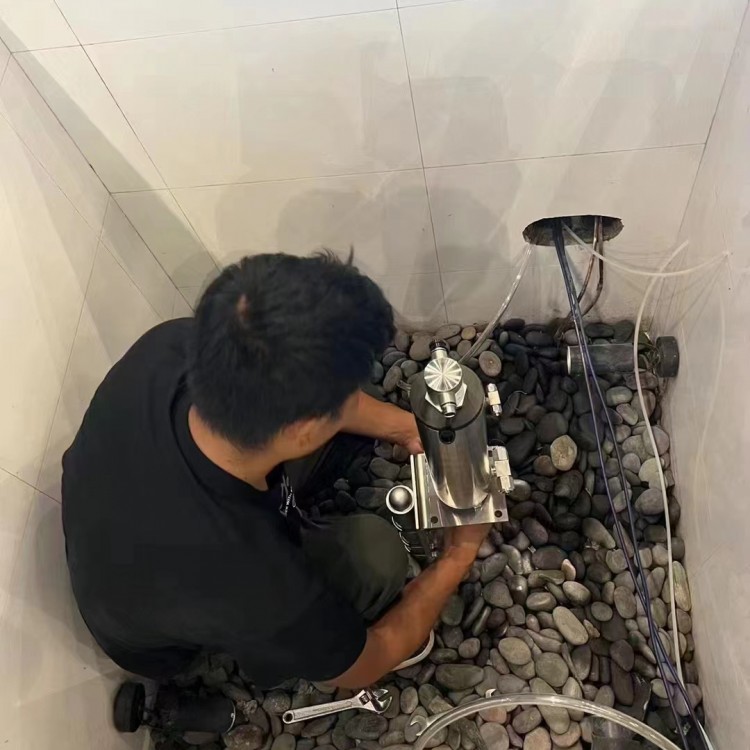
Static Level Gauge (Sensor)
The Hengrui Hydrostatic Level Gauge operates based on the "Manometer" principle. After filling a U-shaped tube with liquid, both ends open to the atmosphere, the liquid will eventually remain at the same level under the influence of atmospheric pressure and gravity. The difference in height between the measuring point and the reference point is the settlement value of the measuring point.
Based on this principle, two types of hydrostatic leveling instruments have emerged in the market: level-based and pressure difference-based. The level-based instrument calculates settlement by measuring the height change of the liquid level at each measurement point, while the pressure difference-based hydrostatic instrument determines the settlement value by calculating the pressure change between different measurement points, then dividing by the liquid's density and gravitational acceleration.