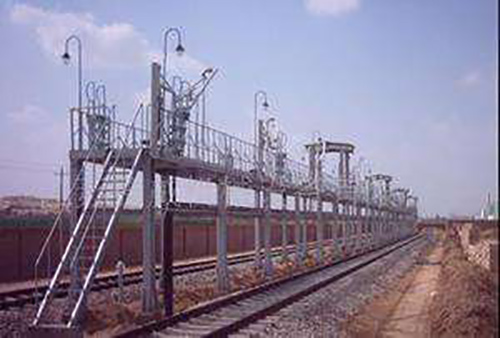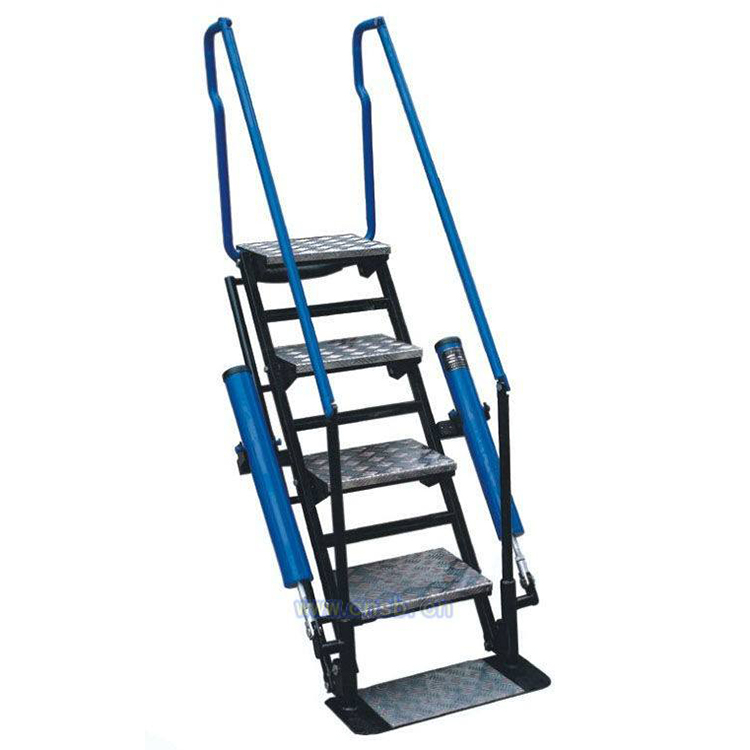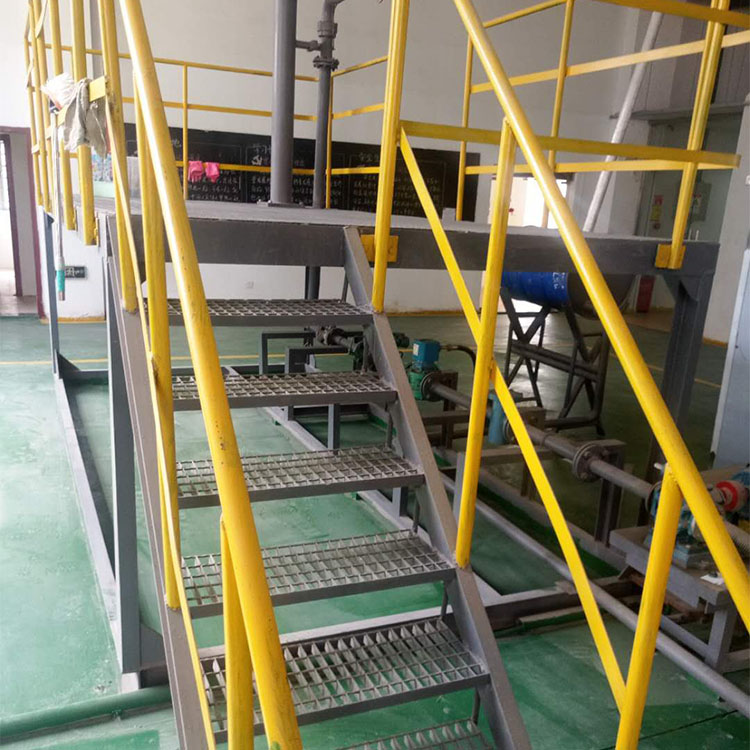


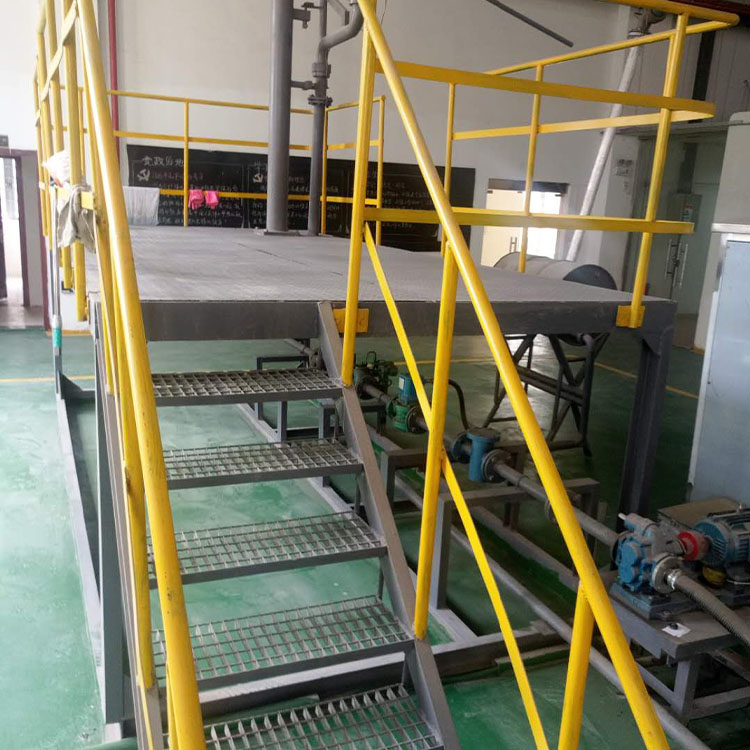
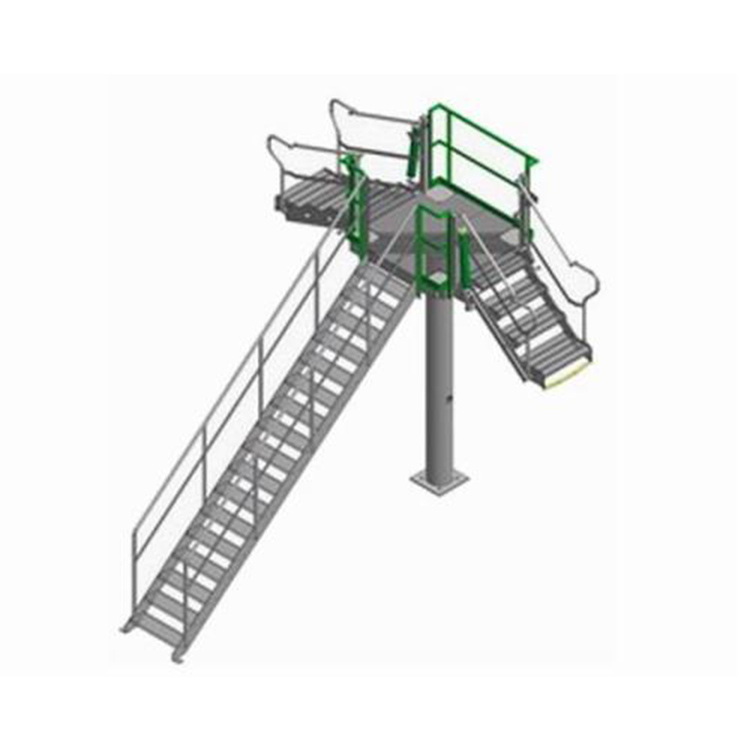










A pier is a bridge structure designed for locomotives and vehicles to board and disembark from ferries. In wide rivers, straits, and other water bodies, piers are correspondingly constructed on both banks, with the ferry routes forming an S-shape. In narrower rivers, piers are set diagonally across both banks, and the ferry routes take a V-shape.
The pier is composed of piers, abutments, steel beams, trestle beams, and lifting machinery. The structural form of the pier is similar to that of a bridge, but differs in that the beams of a bridge are fixed in place and span the entire river, while the beams of the pier can rise and fall with the water level, and the gradient of the track can be adjusted accordingly. Additionally, the pier extends only partially into the water. The lower structure of the pier consists of concrete or reinforced concrete piers and abutments; the upper structure is made of steel plate beams or steel truss beams. The piers and abutments are structures that support the upper structure and loads of the bridge. The abutment is located at the end of the pier nearest the shore, connecting to the embankment. The trestle beam is a device connecting the pier to the ferry, situated at the end of the pier that enters the water.
The Wuhu Ferry across the Yangtze River between Wuhu and Yuxikou, and the Wuhan Ferry between Wuhan and Wuchang, both feature crane-type jetty bridges, equipped with medium-sized ferries, capable of transporting trucks. The Nanjing Ferry between Nanjing and Pukou has a screw-type jetty bridge, using large ferries, suitable for both passenger and cargo vehicle transport.