
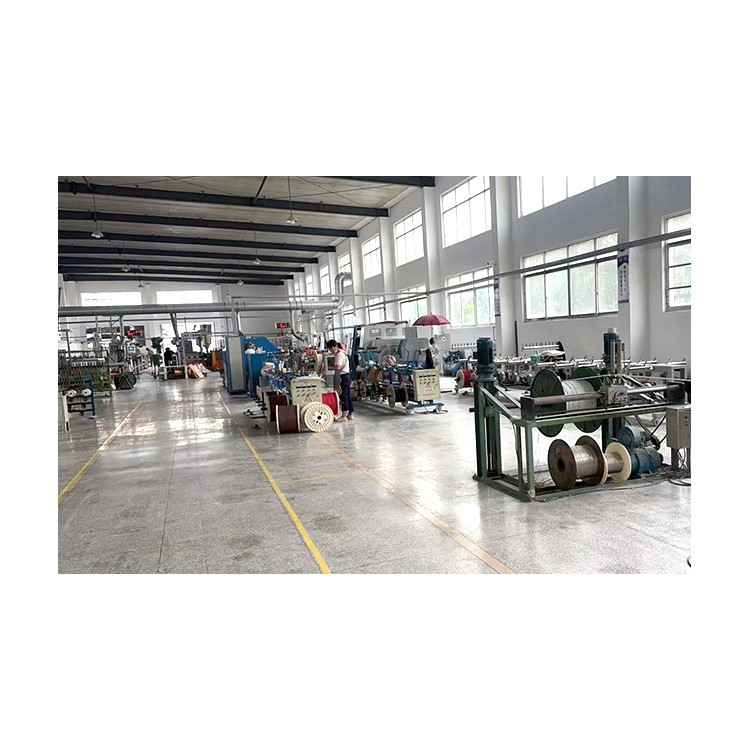













A spring wire is a linear object composed of springs. Springs are elastic materials capable of storing and releasing elastic force, with the ability to stretch and compress. Spring wires are typically made of metals like steel and copper. They are used in applications such as machinery, automation equipment, and furniture. The elasticity of spring wires allows them to be stretched and compressed as needed, generating elastic force. This makes them useful in various applications, such as suspension devices, shock absorbers, and spring mattresses. Spring wires can also be used to make spring products like spring steel wire and spring coils. In summary, spring wires are elastic and elastic-force-filled linear objects with a wide range of applications.
Spring wire is an elastic wire made of metal, serving several functions:
1. Spring Performance: The elasticity of the spring wire allows it to withstand external forces of compression or tension and return to its original shape. This elastic property makes spring wire widely used in engineering and manufacturing.
2. Buffering and Shock Absorption: Spring wire can serve as a buffering and shock-absorbing device, absorbing and dissipating external impacts or vibrations. For instance, spring wire is used in vehicle suspension systems to absorb road bumps and vibrations, providing a more comfortable driving experience.
3. Support and Fixation: Spring wire can be used for supporting and fixing objects. For instance, it is used in mattresses to provide support and elasticity; in furniture, it is used to fix and connect various parts.
4. Energy Storage and Release: Spring wires can store and release energy. When an external force compresses or stretches the spring wire, it stores energy and releases it when the force is removed. This characteristic of energy storage and release makes spring wires widely used in various mechanical devices and equipment, such as spring clocks, spring-driven mechanisms, etc.
In summary, spring wire serves multiple functions including elasticity, buffering, support, fixation, energy storage, and energy release, and is widely used across various fields.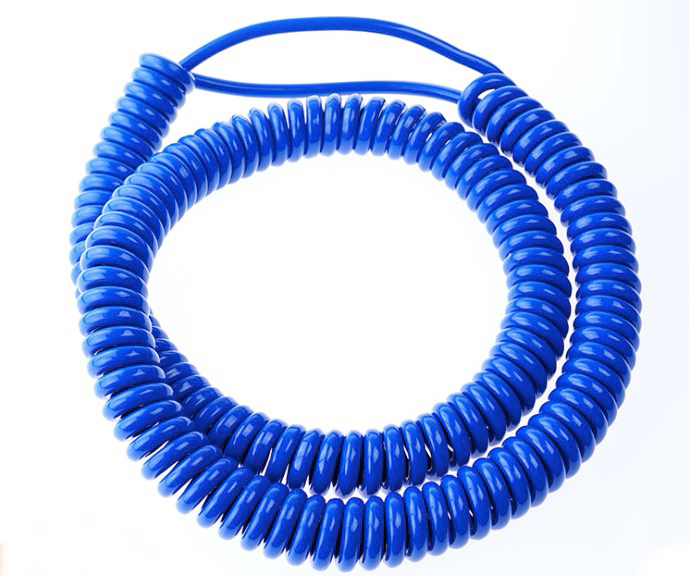
Spring wire is an elastic type of wire material, with the following main functions:
1. Elastic Function: Spring wire can undergo elastic deformation under the influence of external forces, absorb and store energy, and then return to its original state once the external force is removed. This elastic function is applicable in machinery and structures, such as spring shock absorbers, spring suspension systems, etc.
2. Support Function: Spring wire can serve as a supporting material for bearing weight or maintaining the shape of objects. It is commonly used in furniture such as mattresses, sofas, and chairs, providing support and protection for the human body.
3. Connector Function: Spring wire is used for connecting and securing objects. It is commonly found in connectors such as ropes, zippers, and spring clips, where it serves to connect and fasten items.
4. Spring Buffering Function: The elastic properties of spring wire can act as a buffer, reducing impact force and vibration. It is commonly used in automotive suspension systems, industrial machinery devices, and other fields to minimize the effects of collisions and vibrations on equipment and personnel.
5. Adjustability: The spring wire can be adjusted by varying parameters such as material type, diameter, and length to control its elasticity, enabling the adjustment and control of force. This adjustability is widely used in industrial applications, such as regulating valves and instruments.
In summary, spring wire offers a variety of functions and is suitable for different fields and applications.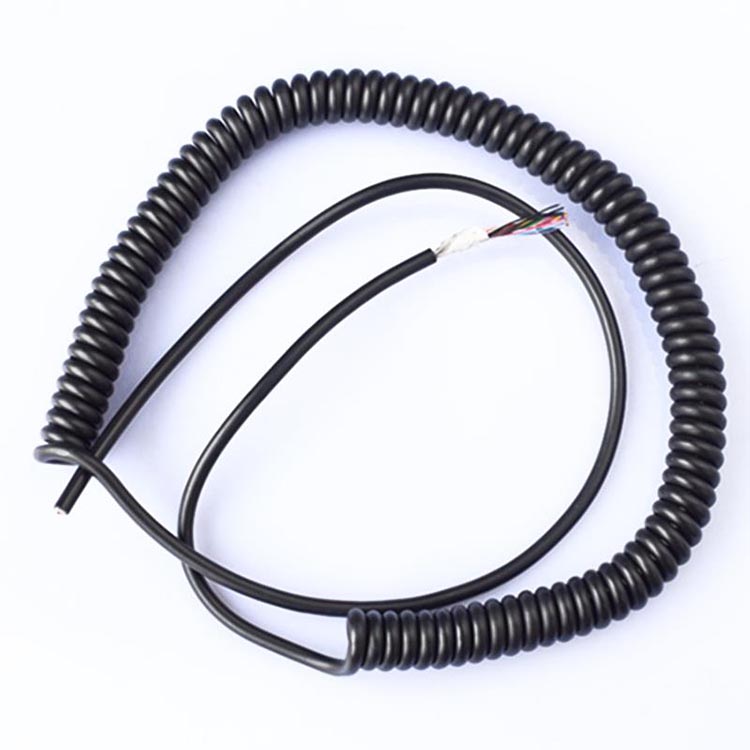
Spring wire is a type of wire made from springs and metal wires, featuring the following functions:
1. Elastic Function: Spring wire boasts excellent elasticity, allowing it to deform through stretching and compression before returning to its original shape. This makes spring wire widely applicable in various fields, such as spring mattresses, suspension systems, and shock-absorbing devices.
2. Mechanical Support Function: Spring wires can serve as a mechanical support, used for supporting and securing other objects, such as spring seats in furniture and torsion springs in doors.
3. Energy Storage Function: The spring wire can store energy and release it as needed. This feature makes the spring wire widely used in mechanical devices, automation systems, and toys, among other fields.
4. Motion Control Features: Spring wire can be used in motion control devices such as automatic balancers and shock absorbers. Adjusting the material and structure of the spring wire allows for control and cushioning of motion.
5. Electrical Conductive Function: Certain specialized spring wires can be used as electrical conductors, connecting electrical equipment or electronic devices, such as battery connectors and electronic sockets.
Overall, spring wire offers multiple functions such as elasticity, support, energy storage, motion control, and conductivity, and is widely used across various fields.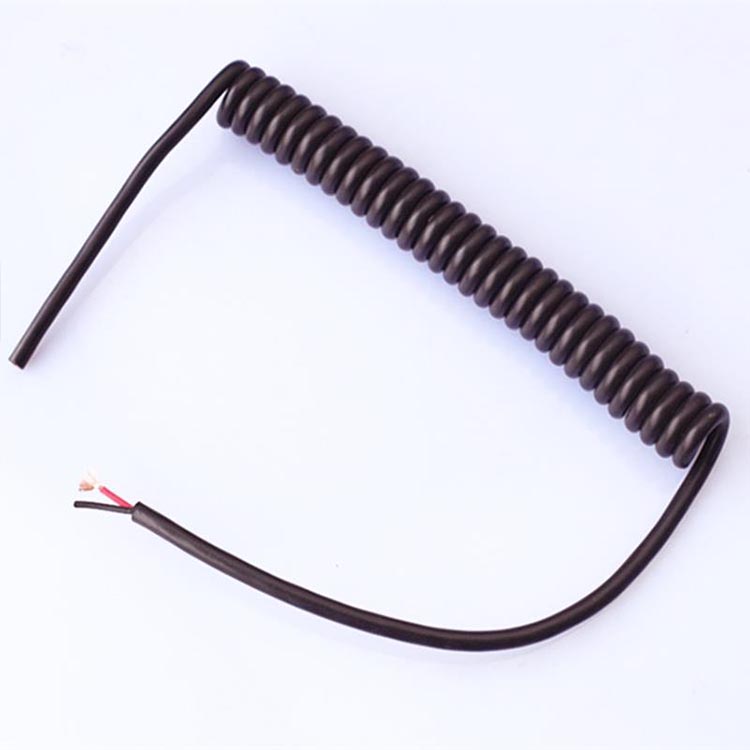
Spring wire is a linear material made of metal or rubber, featuring the following functions:
1. Elastic Response: The elasticity of spring wire allows it to deform and store energy when subjected to external force. Once the force ceases, it returns to its original shape and releases the stored energy.
2. Buffering and Damping: Spring wires can absorb impact forces and vibrations when under pressure or tension, thereby reducing the transmission of external forces to other objects, achieving buffering and damping effects.
3. Support and Shape Retention: Spring wire can be used for supporting and maintaining the shape of objects. For instance, spring wire can serve as the support system in a mattress, providing comfortable support.
4. Motion Control: Spring wires can be used for adjusting and controlling mechanical motion. For instance, in automotive suspension systems, spring wires can adjust the vehicle's undercarriage height and shock absorption based on road conditions.
In summary, spring wire offers functionalities such as elasticity, cushioning, support, and motion control, and is widely used in fields like mechanical engineering, furniture manufacturing, transportation, construction, and production.
Spring wire is widely used in many industries, including:
Automotive Industry: Spring wire is used in auto seats, suspension systems, braking systems, and other components.
2. Electronics and Electrical Industry: Spring wire is used for connectors, electrical outlets, switches, and circuit connections in electronic devices.
3. Equipment: Spring wire for devices, surgical instruments, pacemakers, etc.
4. Furniture Manufacturing: Spring wire is used for furniture mattresses, sofas, chairs, etc.
5. Steel Industry: Spring wire is used for manufacturing machinery, tools, and springs.
6. Building and Construction: Spring wire is used for windows and doors, steel structures, elevators, retaining walls, etc.
7. Transportation and Logistics Industry: Spring wire is used in the manufacturing of transportation equipment, load-bearing systems, truck suspension systems, etc.
8. Toy and Game Industry: Spring wire is used for manufacturing toys, amusement equipment, models, etc.
9. Textile and Apparel Industry: Spring wire is used in sewing, knitting, footwear, etc.
10. Chemical and Petroleum Industry: Spring wire is used for manufacturing valves, pipe connections, pressure vessels, etc.
This is just a selection of industries where spring wire is applied; there are more applications in other sectors. Spring wire boasts flexibility, strength, and corrosion resistance, playing a crucial role in numerous fields.
WeChat Official Account

Scan to follow Official Account




















