










Injection Molding Waste Gas Treatment Methods
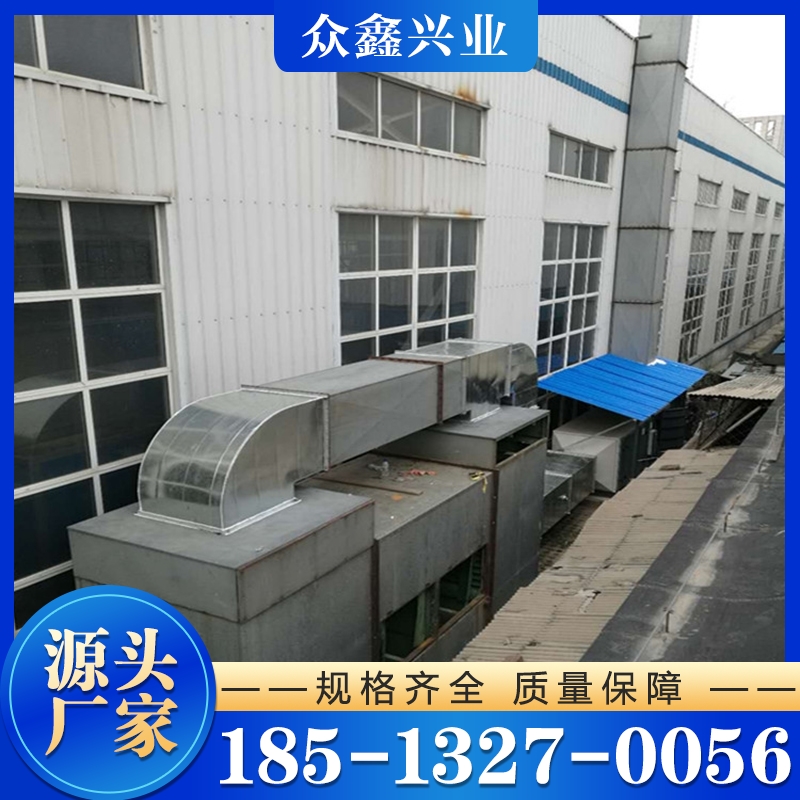
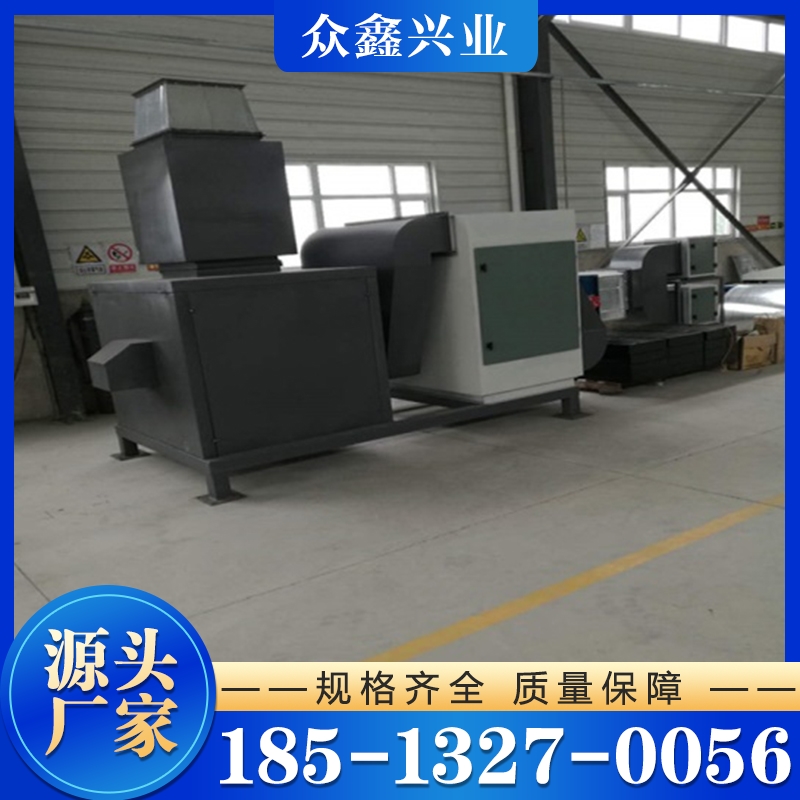
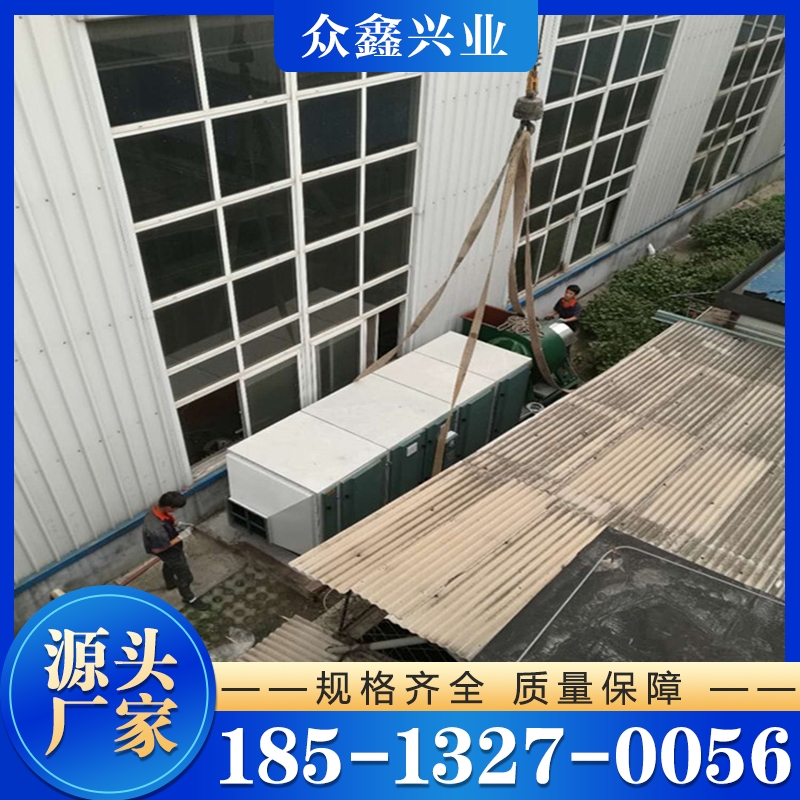
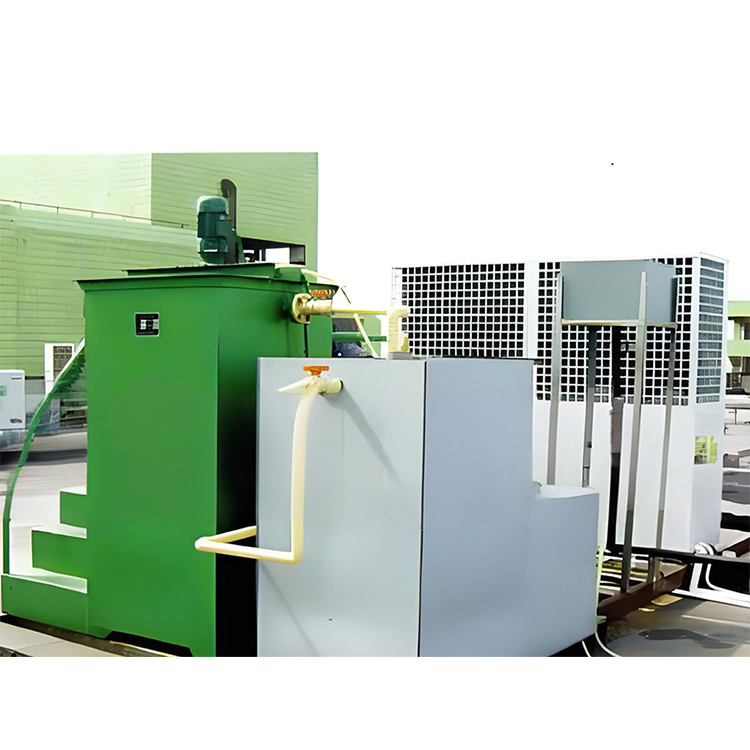
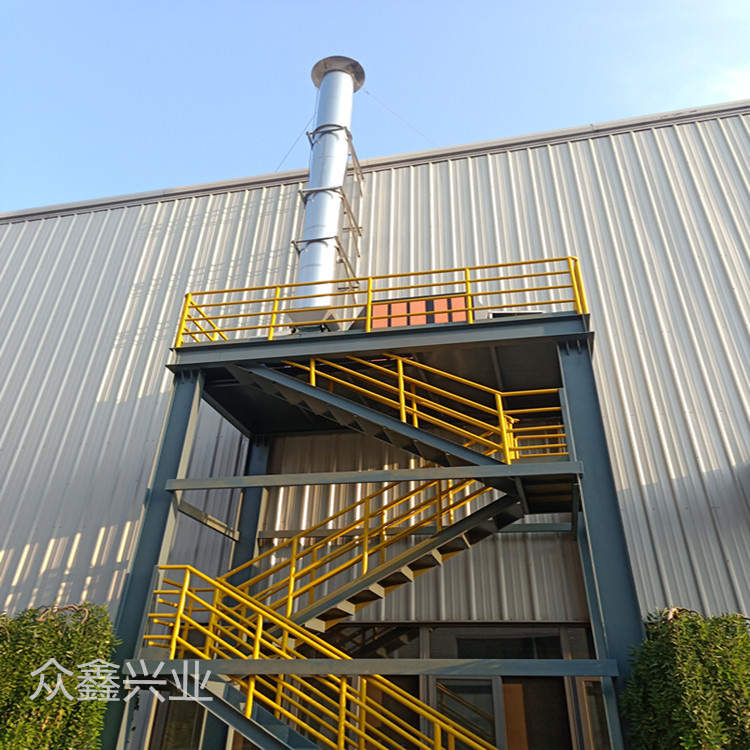
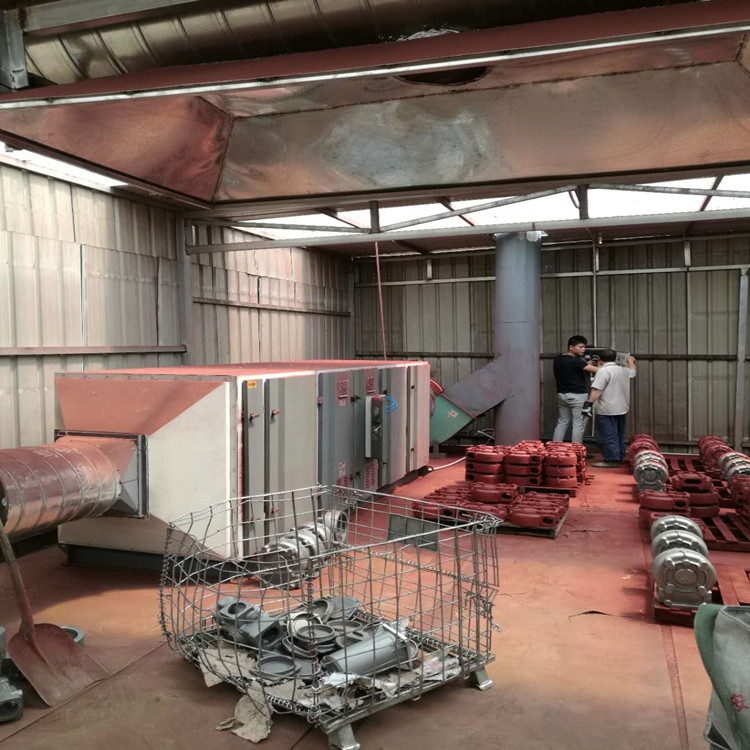
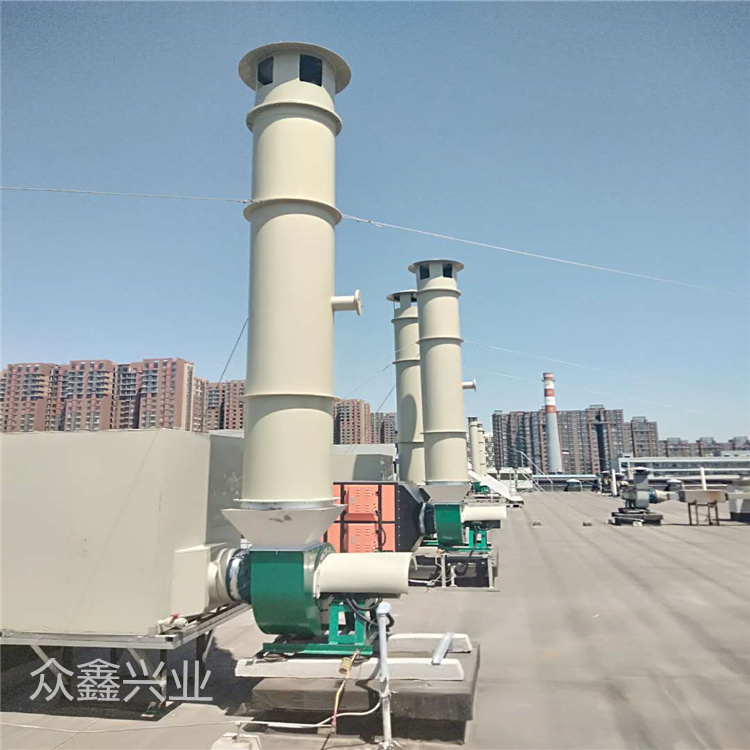
The most commonly used process in the production and processing of plastic products is injection molding. Injection molding involves injecting molten plastic into the mold of the plastic product under pressure, which cools and solidifies to obtain the desired plastic components. During the heating and molding process, injection molding waste gases are produced. Disorganized emissions of these gases can affect human health and, over time, lead to environmental pollution. Zhongxin recommends the following waste gas treatment process for injection molding machines:
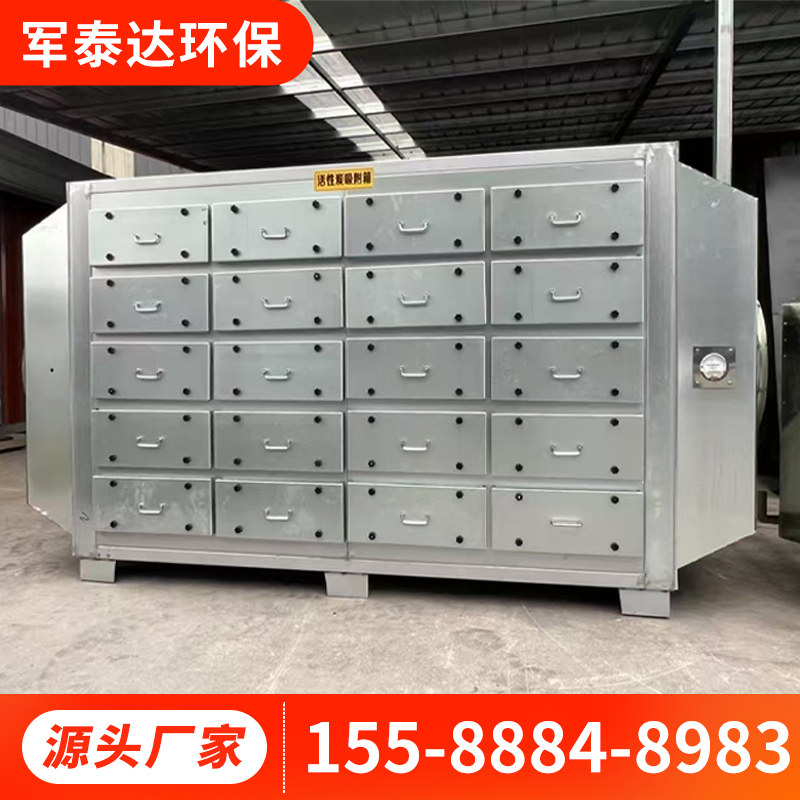
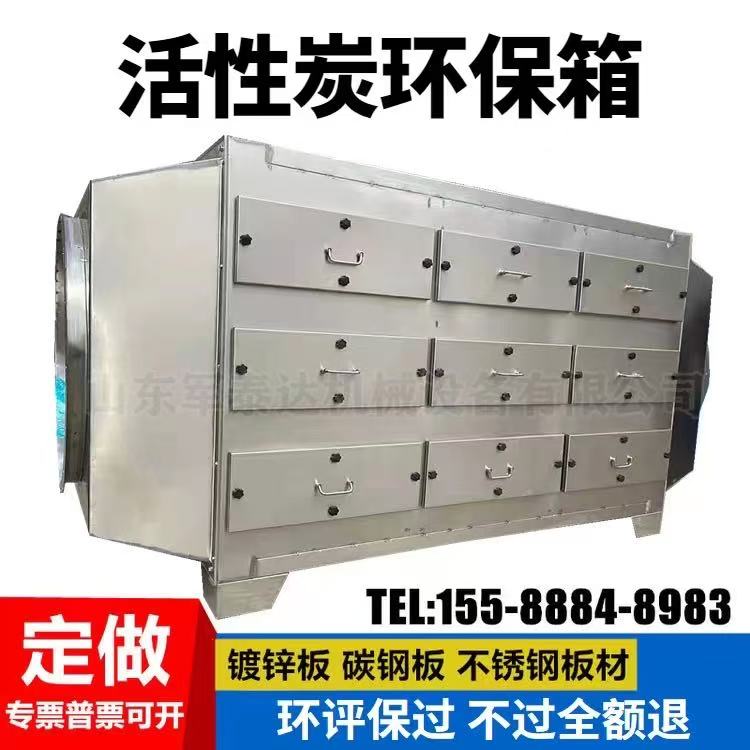
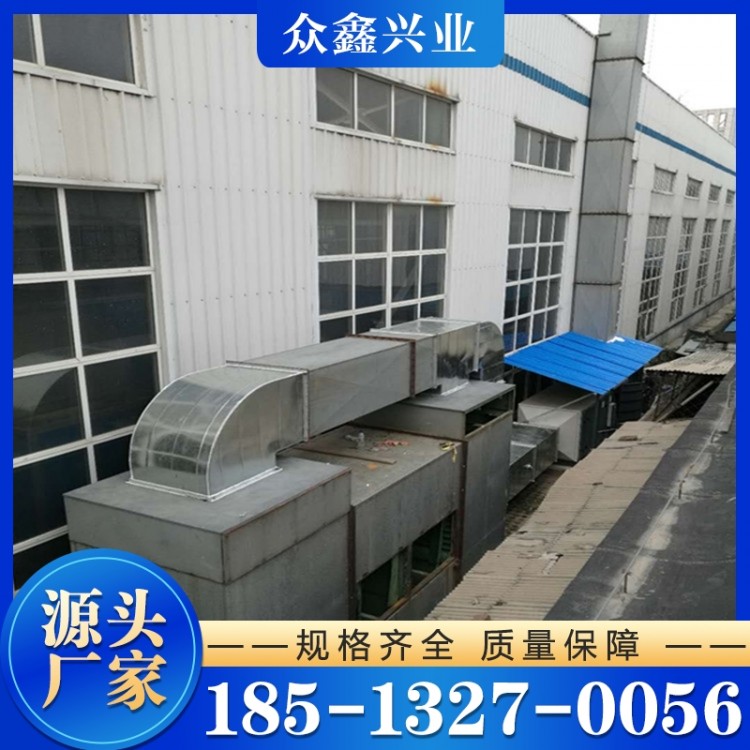
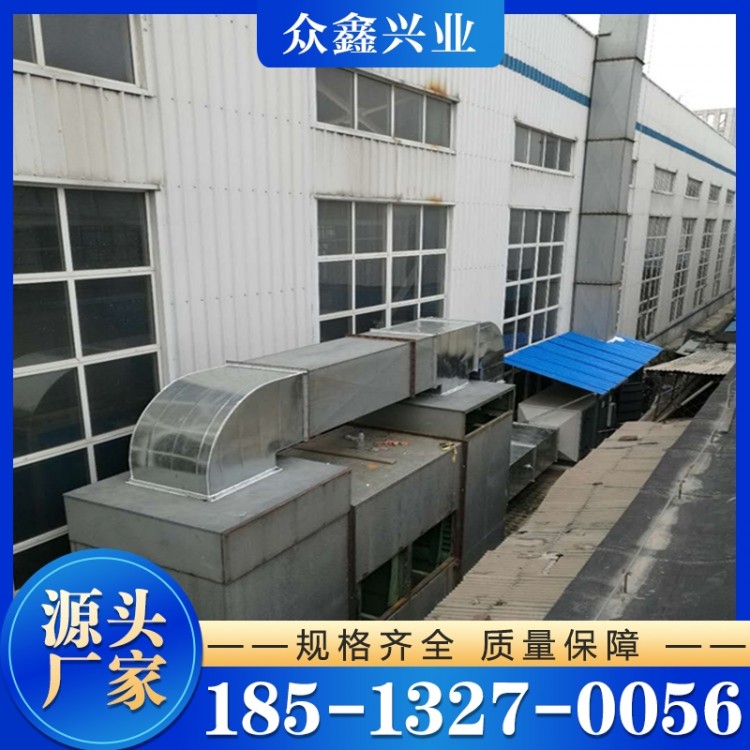
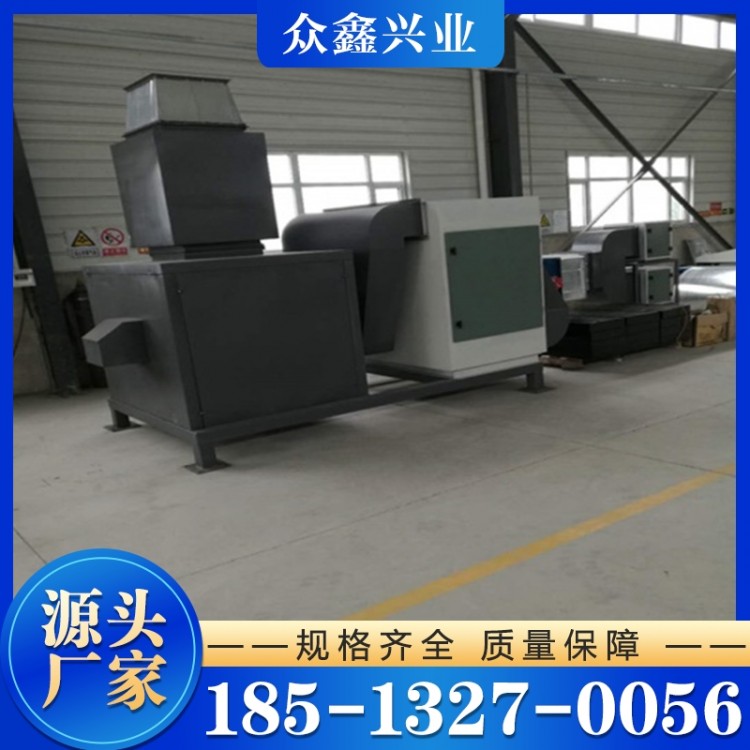
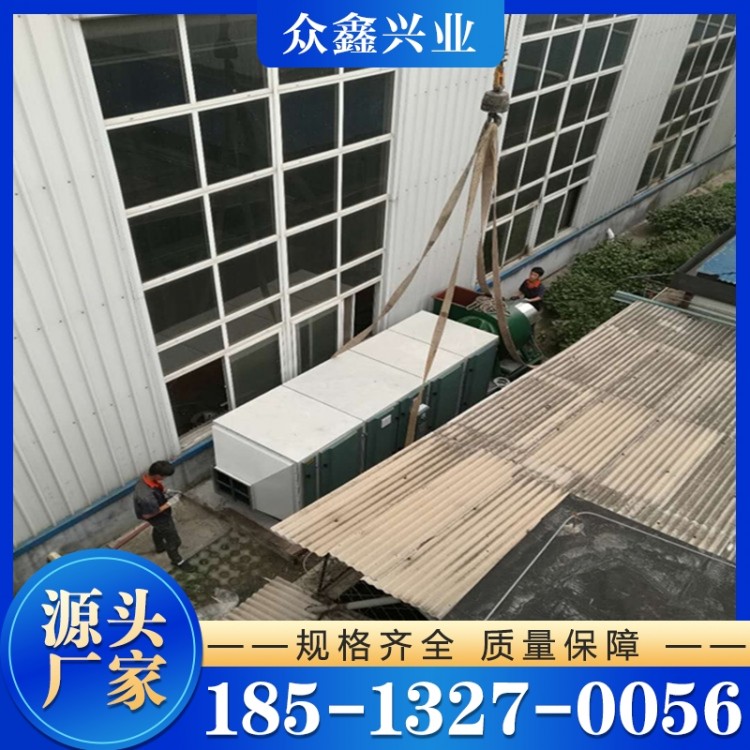
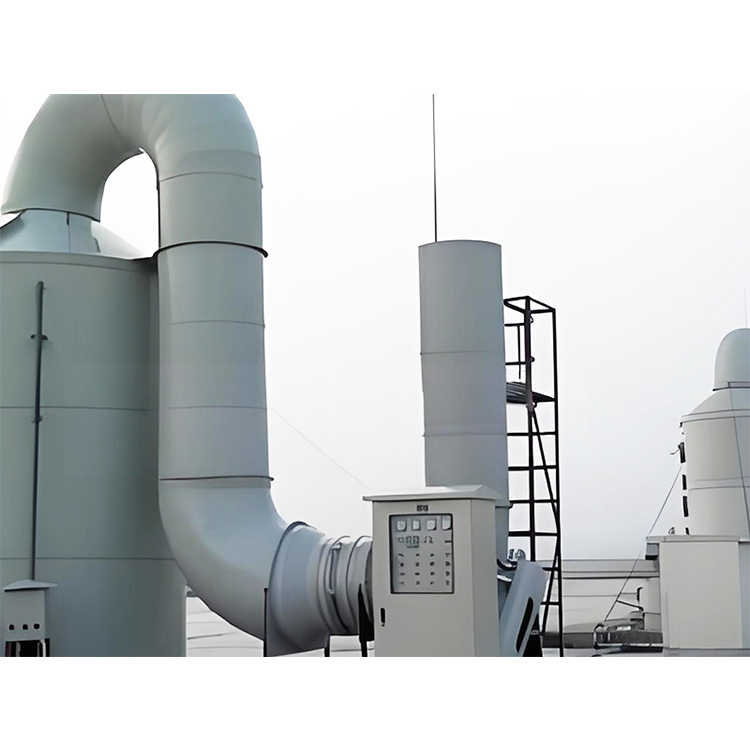
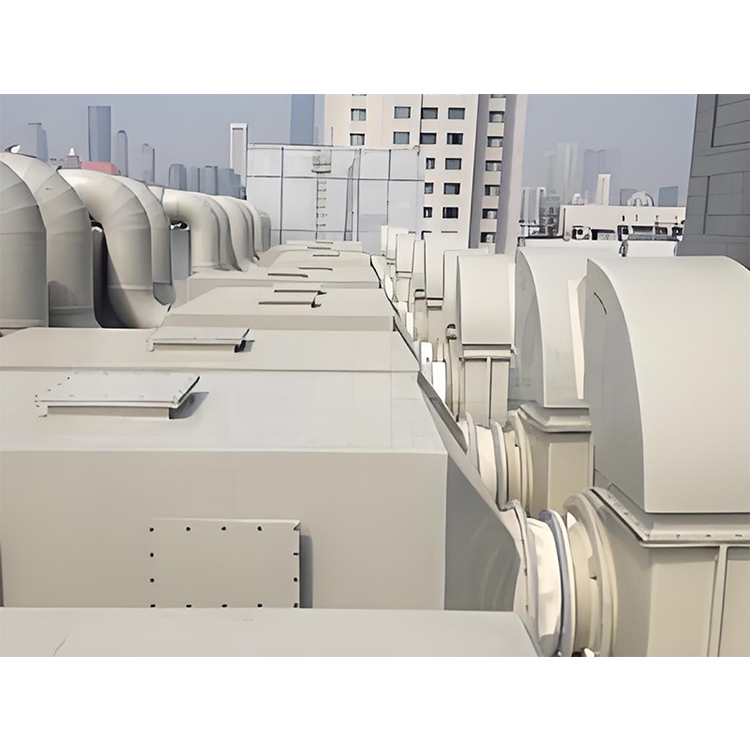
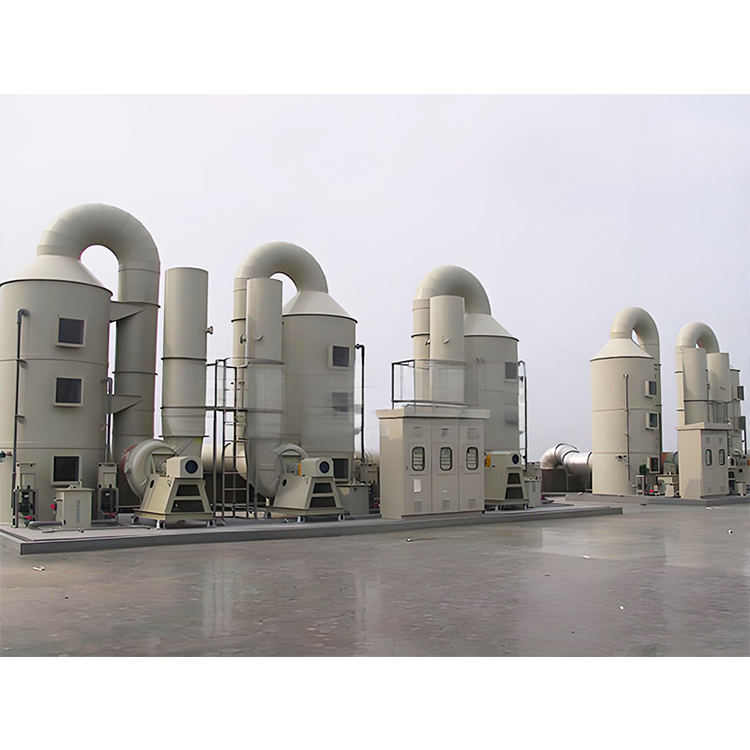
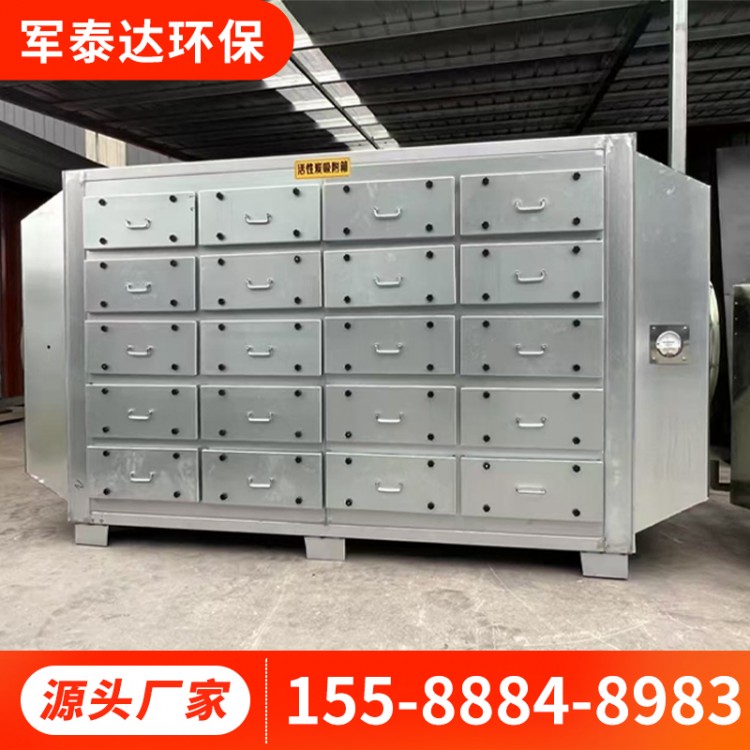
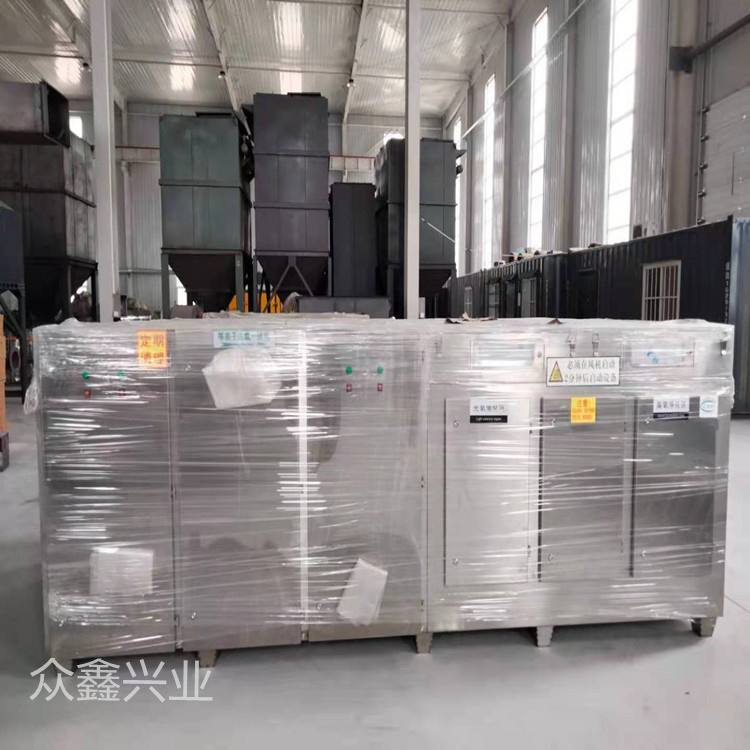
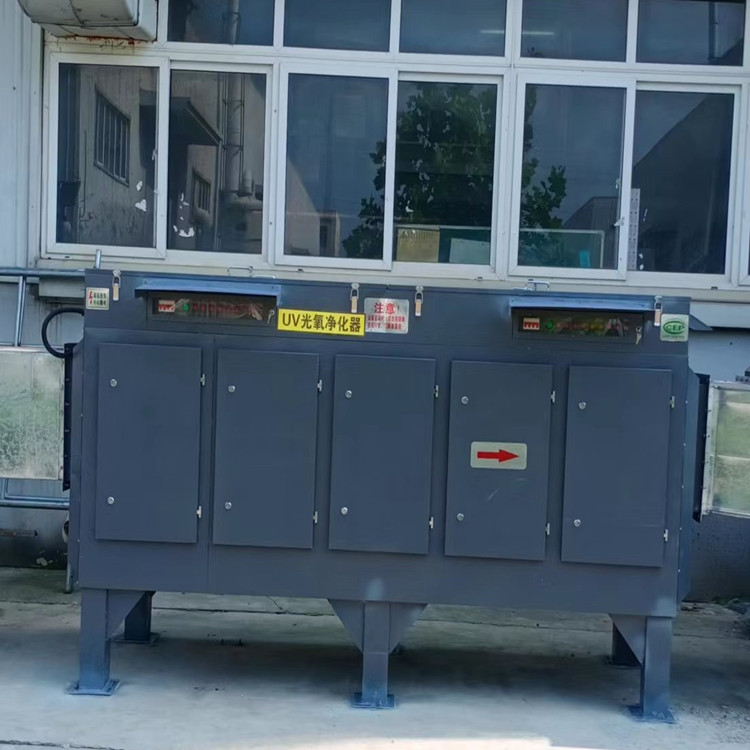
Composite equipment, combining multi-layer filtration, photo-catalytic equipment, and oxidation bed, ensures the treated exhaust meets the corresponding emission standards while extending the service life of the oxidation bed and reducing the operating costs of exhaust treatment.
Zhongxin Industry Equipment Principle
Firstly, the multi-layer characteristic filtration system is employed to remove dust particles of varying sizes, reducing the load on the backend. Then, vacuum ultraviolet light is used to break the chemical bonds of organic waste gas molecules, causing them to fragment into free atoms or groups. Simultaneously, the oxygen in the mixed air is also split, forming free oxygen atoms that combine to create ozone. The ozone reacts with the atoms produced from the fragmentation of organic waste gas molecules, decomposing harmful gases. After passing through the oxidation bed, the gases are further oxidized and meet emission standards. The equipment utilizes a dry filtration and purification oxidation process, requiring no water and producing no secondary pollution. It occupies minimal space, is ready for use at any time, and is energy-saving and environmentally friendly.