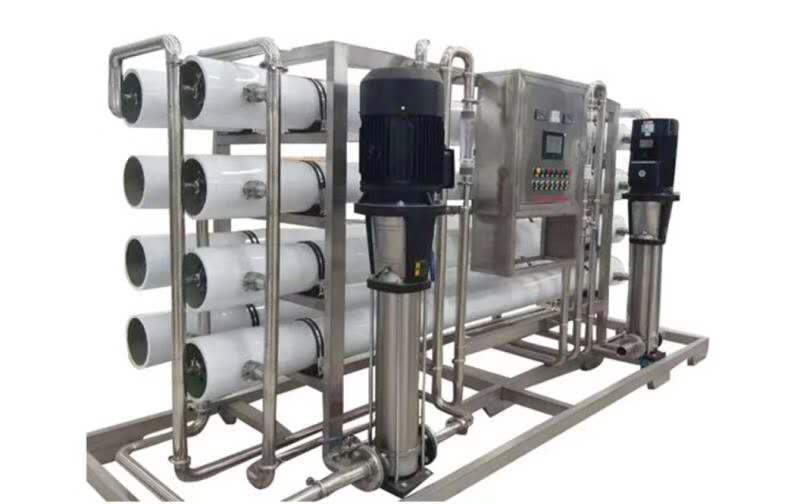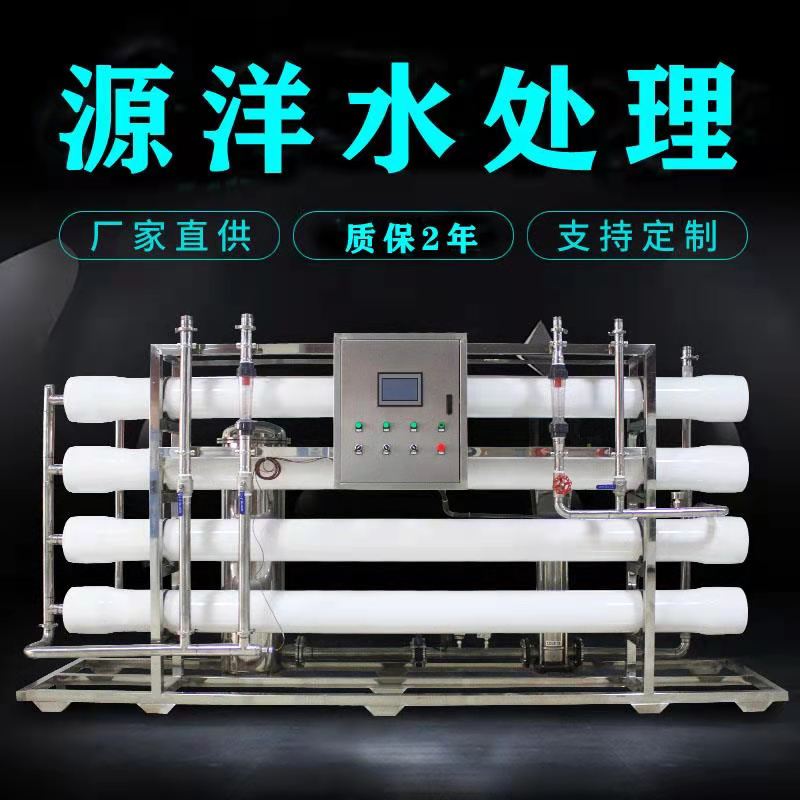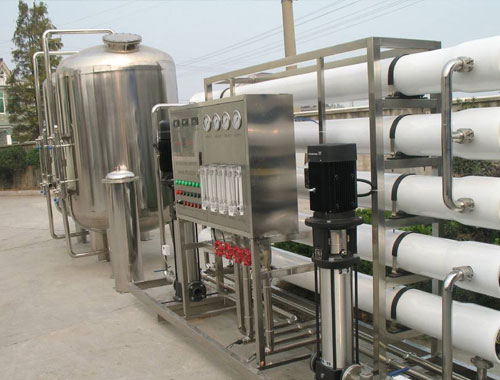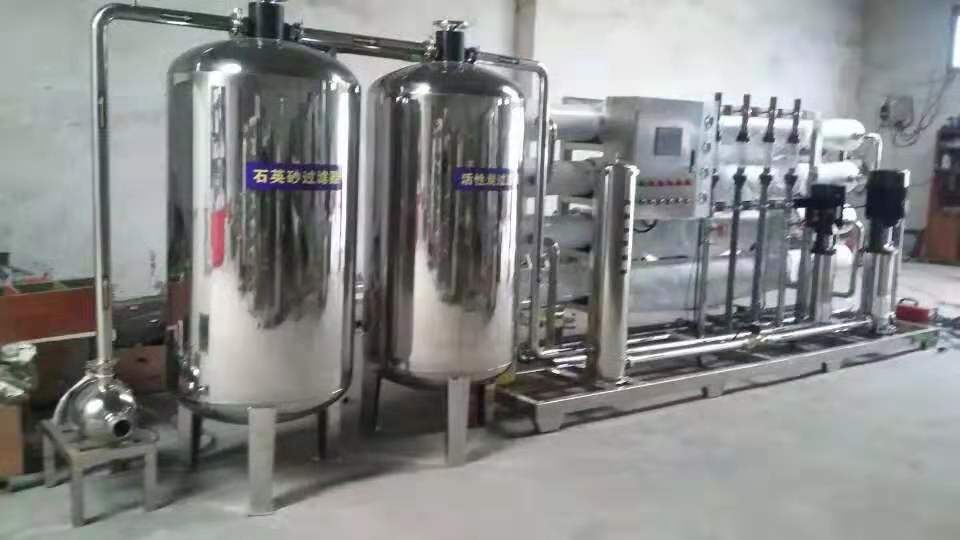














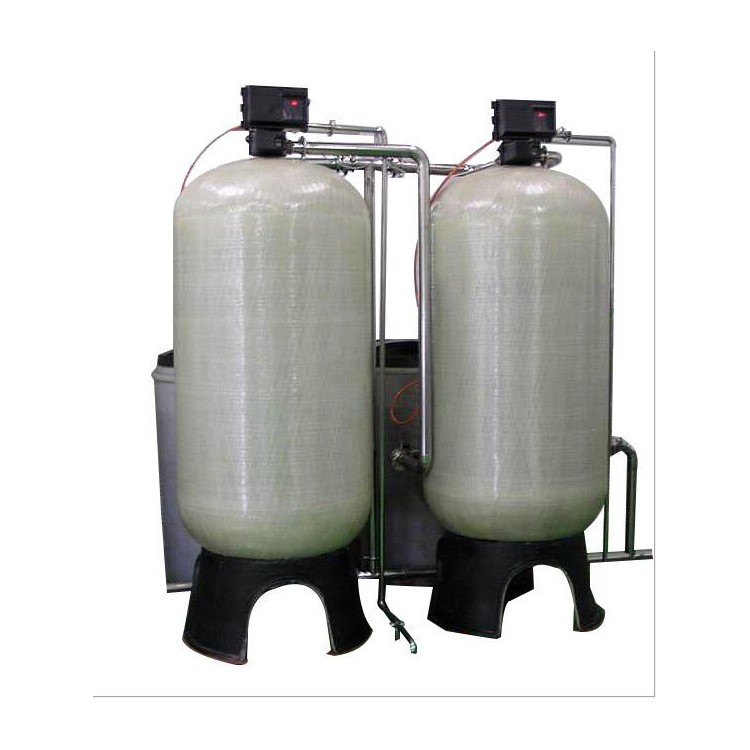
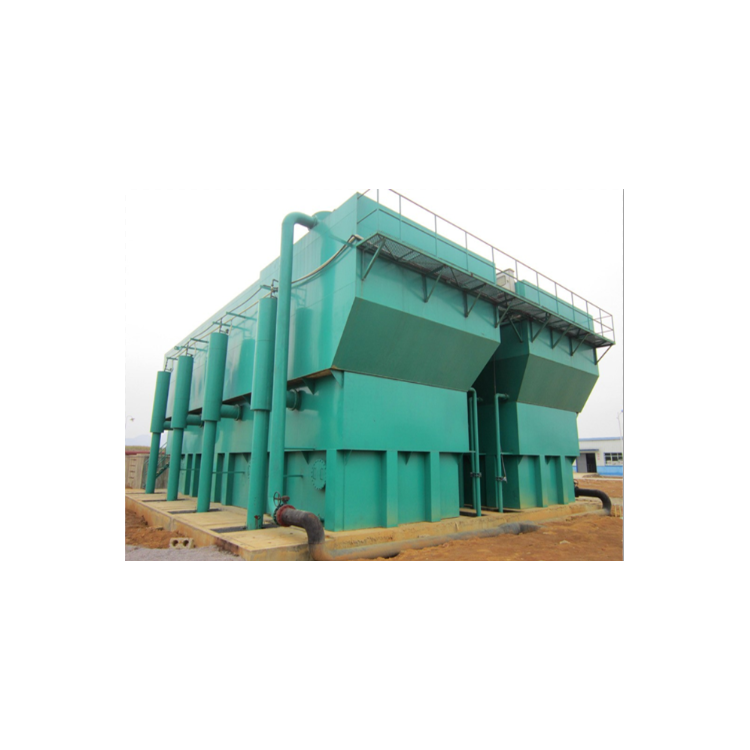
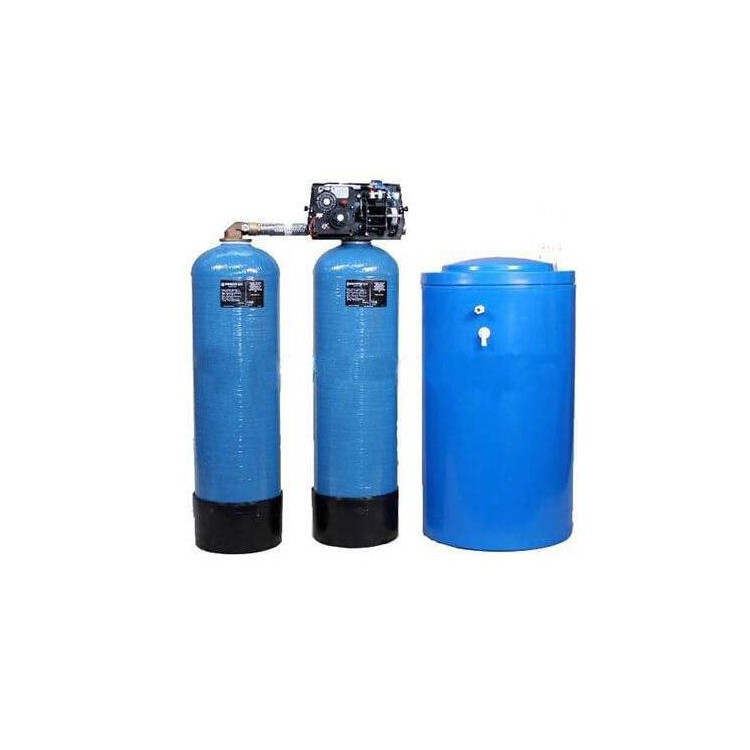
Reverse osmosis is an emerging water treatment technology that improves water purity through the reverse osmosis unit, removing impurities from the water. The world's earliest adoption of reverse osmosis...

Overall Overview
Reverse osmosis is an emerging water treatment technology that enhances water purity through a reverse osmosis main unit, removing impurities from the water. The United States, an early adopter of reverse osmosis technology worldwide, developed a membrane separation technique powered by pressure differences. As this technology has evolved, we have also begun researching reverse osmosis, and now produce various reverse osmosis systems. When pure water and saltwater are separated by an ideal semipermeable membrane, which only allows water to pass through and blocks salt, water on the pure side of the membrane will spontaneously flow through the semipermeable membrane into the saltwater side. This phenomenon is called osmosis. If pressure is applied to the saltwater side of the membrane, the spontaneous flow of water is suppressed and slows down. When the applied pressure reaches a certain value, the net flow of water through the membrane equals zero, and this pressure is called the osmotic pressure. When the pressure applied to the saltwater side of the membrane exceeds the osmotic pressure, the direction of water flow reverses, and water from the saltwater side will flow into the pure water side. This is the basic principle of water reverse osmosis (RO) treatment.