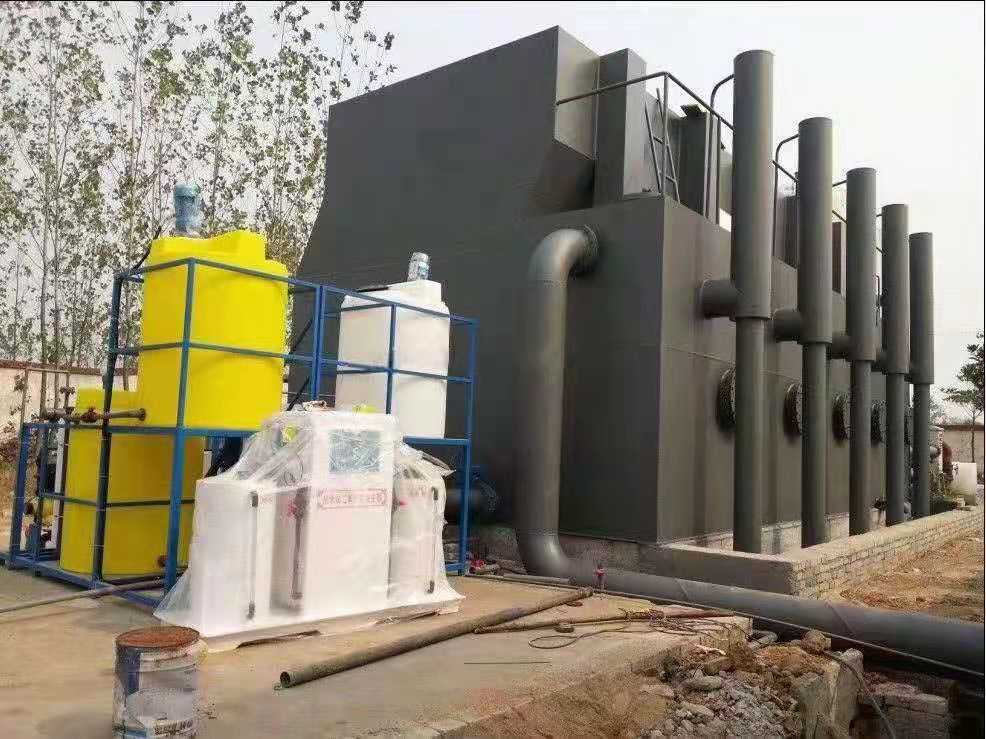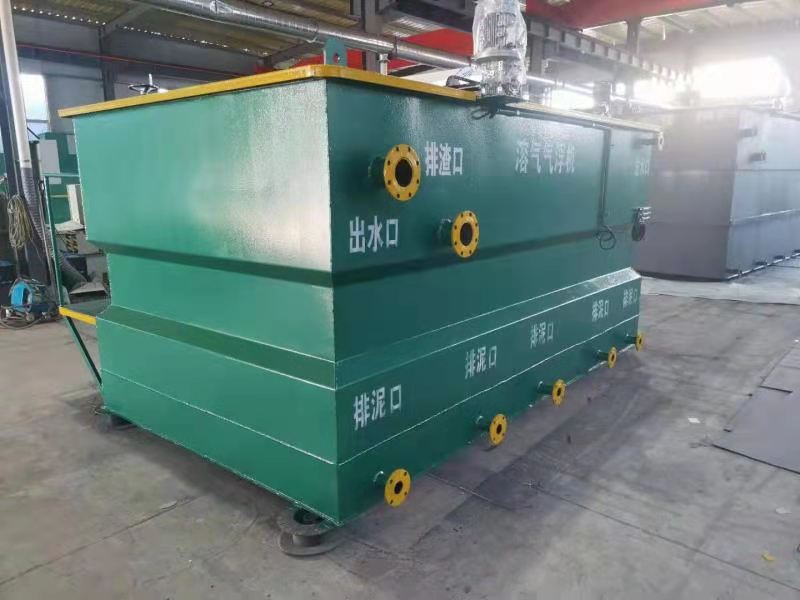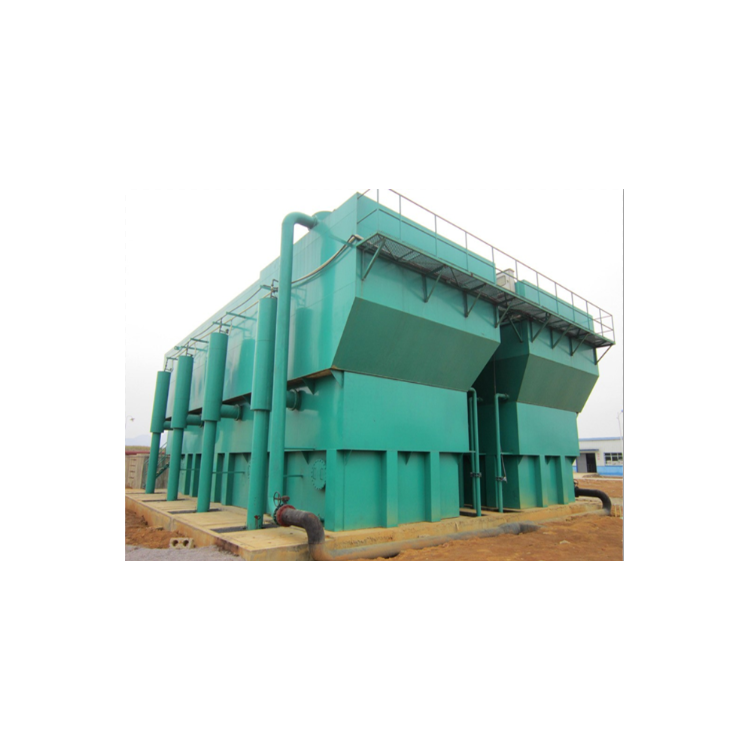

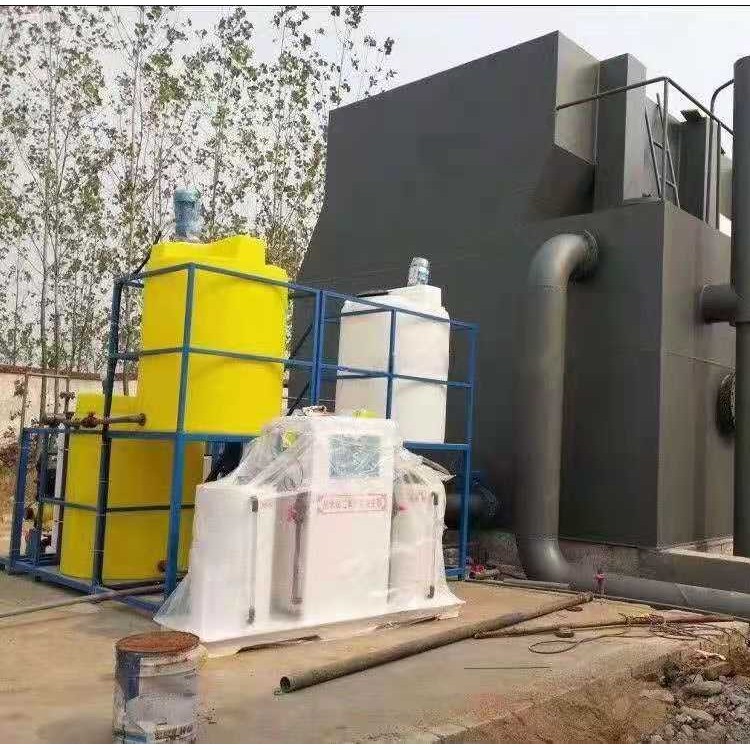
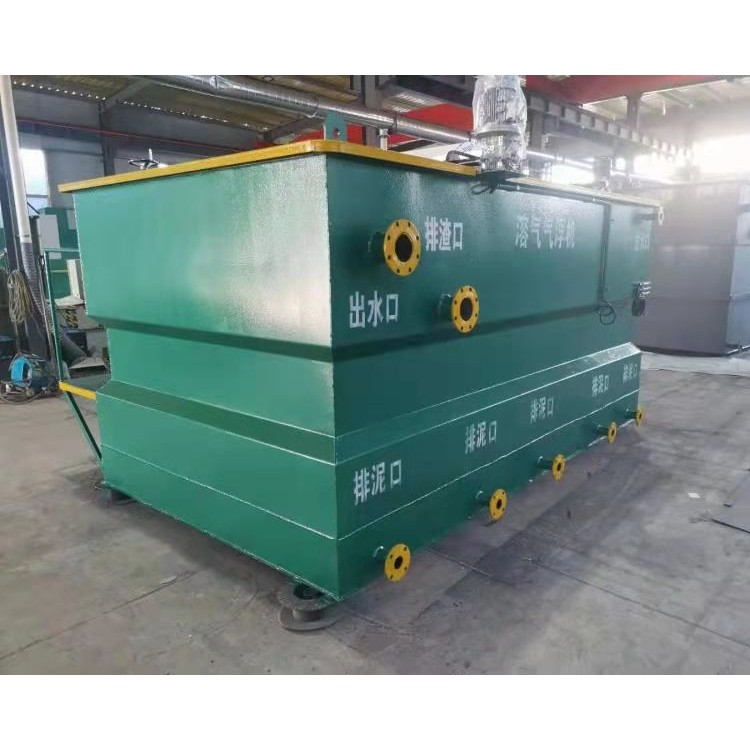














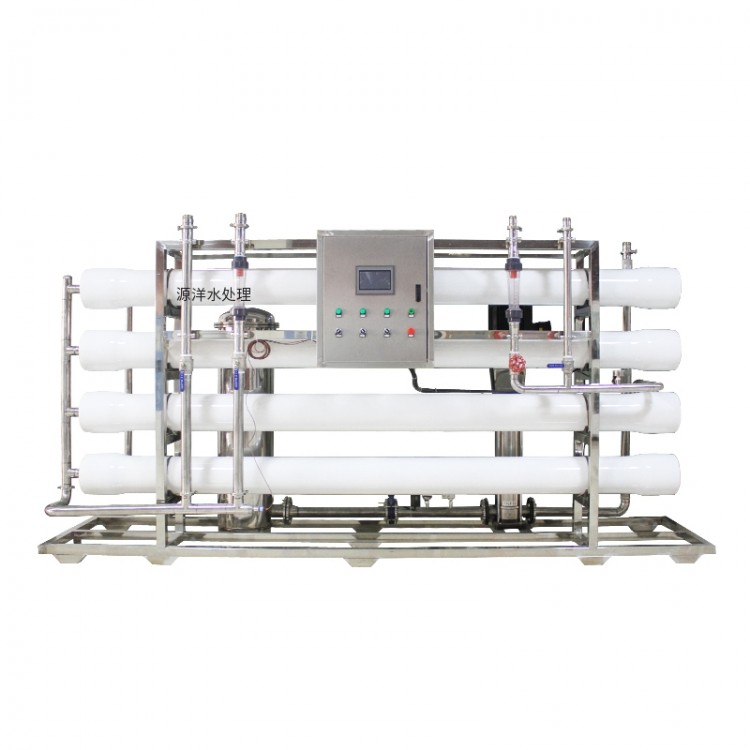
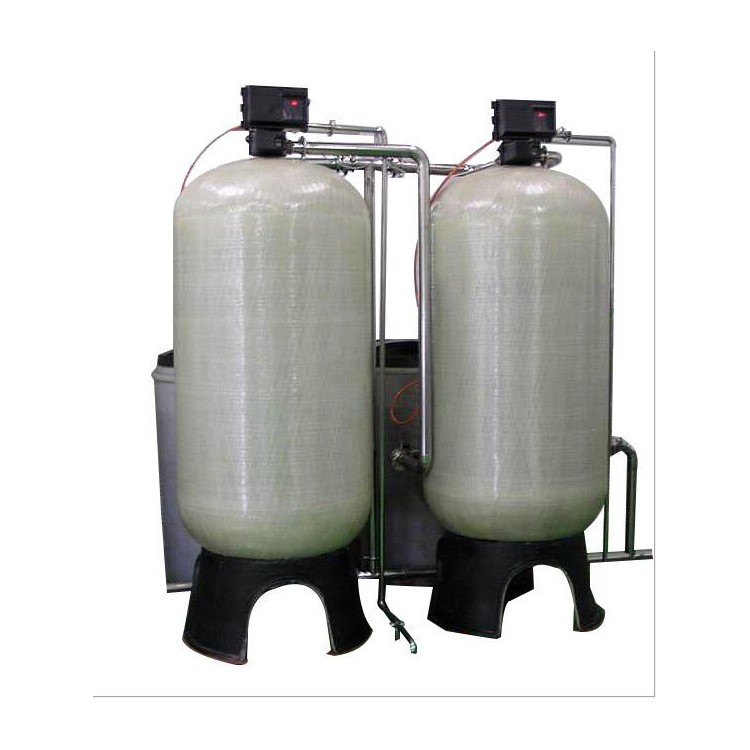
As a major aquaculture country, the aquaculture industry plays a crucial role in modern economic development, yet it also brings about significant environmental pollution challenges. The waste排放 from farms severely contaminates surface water, groundwater, soil, and atmospheric air, directly affecting people's health. The untreated waste contains a high concentration of pollutants. If this organic wastewater is directly discharged into rivers, lakes, and reservoirs or washed in by rainwater, it depletes the dissolved oxygen in the water bodies, leading to blackening and odor, and causing water pollution. The high levels of nitrogen and phosphorus in the wastewater are a major cause of eutrophication. Typically, waste is treated through filtration, sedimentation, and oxidation decomposition.
Product Overview
As a major aquaculture country, the aquaculture industry plays a crucial role in modern economic development, yet it also poses significant environmental pollution challenges. The waste from farms contaminates surface water, groundwater, soil, and the environment, directly impacting people's health. Untreated waste contains a high amount of pollutants, and if this organic wastewater is directly discharged into rivers, lakes, and reservoirs or washed in by rainwater, it depletes the dissolved oxygen in the water bodies, causing them to turn black and smell bad, leading to water pollution. The high levels of nitrogen and phosphorus in the wastewater are a major cause of eutrophication. Generally, waste treatment involves filtration, sedimentation, and oxidation decomposition.
Typical Process Flow Diagram

Process Overview
Poultry farming wastewater exhibits typical "three highs" characteristics: high organic matter concentration (COD up to 3000-12000 mg/L), high ammonia levels (up to 800-2200 mg/L), and suspended solids (SS) exceeding standards by dozens of times; moderate biochemical degradability with high phosphorus content; strong odor; and concentrated flushing and discharge times with high impact loads.
Wastewater from the breeding farm first accumulates in a collecting well, then it is pumped up to a solid-liquid separator for separation. The purpose of setting up the solid-liquid separator is to remove faecal matter from the wastewater, preventing it from entering the subsequent settling pond and causing blockages, which would make cleaning difficult and render the pond unusable. Pre-separation of solids from the cow manure before it enters the settling pond not only solves the sedimentation problem of the manure in the pond but also enhances the pond's treatment capacity, and significantly reduces the construction area required for both the settling pond and the biochemical pond. This saves on the construction investment and land usage for environmental protection treatment, and the separated cow manure can be directly used as fertilizer for fruit trees and timber, or as raw material for organic fertilizer.
The wastewater separated by the solid-liquid separator enters the sedimentation pond, where fine suspended particles in the wastewater are separated. The separated sediment is regularly discharged into the sludge pond, while the wastewater flows into the pH adjustment and acidification pond.
The purpose of adjusting the aeration pond's system configuration is twofold: first, to regulate water volume; second, to allow wastewater to enter the UASB reactor for anaerobic reaction, extensively removing COD and BOD from the wastewater, converting it into zhaoqi. The effluent from the UASB reactor flows into the flocculation reactor, while the produced zhaoqi passes through a water seal tank before entering the desulfurization tank and another water seal tank, finally being stored in the gas holder. The zhaoqi is then used to generate electricity by a zhaoqi generator, supplying power to the wastewater treatment system.
Wastewater is treated by adding lime water in the pH adjustment tank, adjusting the pH for conditioning before it naturally flows into the sedimentation pool for separation. The sludge is then discharged into the sludge collection pond.
Wastewater, after anaerobic treatment, undergoes nitrification and denitrification processes. The accumulated effluent in the reservoir is then pumped and distributed to the aerobic pond.
Wastewater undergoes aerobic reactions in the aerobic pond, utilizing the metabolic actions of aerobic microorganisms in the pond to remove a large amount of organic pollutants and ammonia nitrogen, thereby achieving purification of the wastewater. The sludge is then discharged into the sludge collection pond.
Sludge Treatment: Dry sludge produced by the solid-liquid separator is stored in the dry sludge storage area. The sludge from the sludge collection pond is pumped to a sludge thickener for initial dewatering, then sent to a plate and frame press for further dewatering treatment. The separated dry sludge is transported to the dry sludge storage area.
Water Output Specifications
The effluent water quality after treatment meets the requirements of the "Emission Standards for Pollutants from Livestock and Poultry Breeding and Raising Industry" (GB18596-2001) as stipulated by the local environmental protection department.