










LED heat dissipation is crucial.
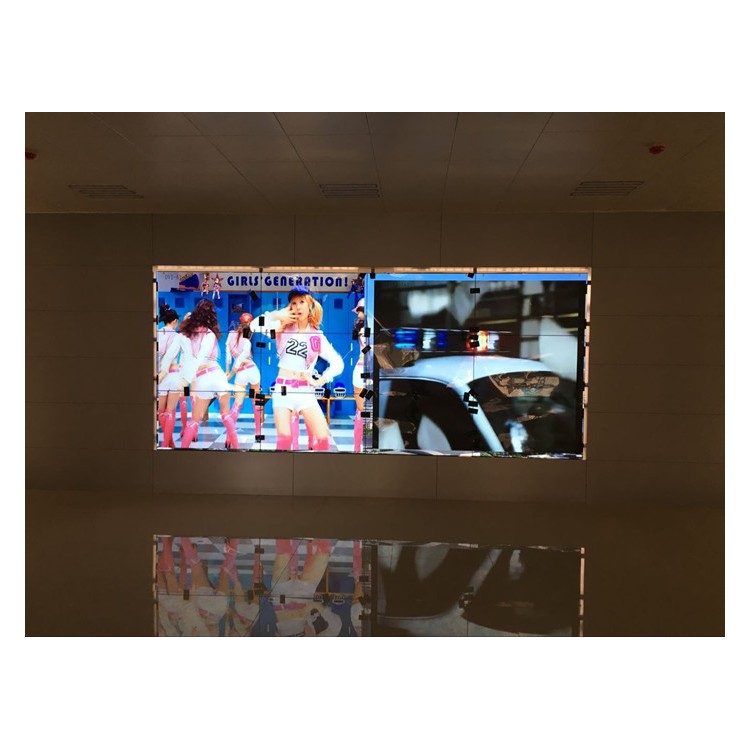
In selecting and designing LED electronic screens, driven by grid regulations and the characteristics of LED electronic display drivers, the following features should be considered for the power supply: high reliability, especially for LED streetlight drivers. ER power supplies are less convenient and costly to maintain at high altitudes. High-efficiency LED is an energy-saving product with high power supply efficiency. It is crucial to install the power supply within the lighting fixtures.
Due to the decrease in LED luminous efficiency with increasing LED temperature, a high power supply, low power consumption, and reduced heat within the lamp help lower the lamp's temperature rise. Delays in LED light attenuation are beneficial.
Power factor with high power rating is a requirement of the power grid. Generally, for appliances below 70 watts, there are no mandatory power factor standards. Although the low power factor of a single appliance has little impact on the power grid, in the evening when people turn on lights, the same load concentrated in one place can severely pollute the grid. It is said that in the near future, there may be some power factor requirements for LED power supplies ranging from 30 to 40 watts.
There are two drive modes: one is a constant voltage source with multiple constant current sources, where each constant current source powers each LED. This allows for flexible LED fault combinations without affecting the operation of other LEDs, but it does come with a slightly higher cost. The other is a DC constant current power supply, with LEDs operating in series or parallel. The advantage is that it is more cost-effective.
However, it lacks flexibility and can resolve certain LED faults without affecting the operation of other LEDs. These two forms coexist for a period. The multi-channel constant current output power supply mode will be better in terms of cost and performance. Perhaps it is the future.
Surge protection capability leads to surge resistance differences, particularly against reverse voltages. Enhancing protection in this aspect is also crucial. Some LED lights are installed outdoors, such as LED streetlights. Due to grid load and lightning strikes, various surges can intrude into the power grid system, with some causing damage to the LEDs. Therefore, LED drivers should have surge suppression capabilities to protect the LEDs from damage.
In addition to standard protective functions, it is recommended to incorporate negative feedback of LED temperature within a constant current output to prevent excessive LED temperature. The protective light should have an external installation type, with a power structure that is waterproof and moisture-proof, and the housing should be resistant to sunlight. The lifespan of the power supply should be compatible with the lifespan of the LED. It must meet safety and electromagnetic compatibility requirements.