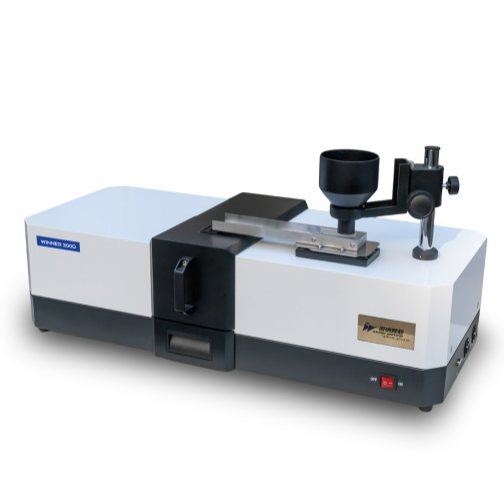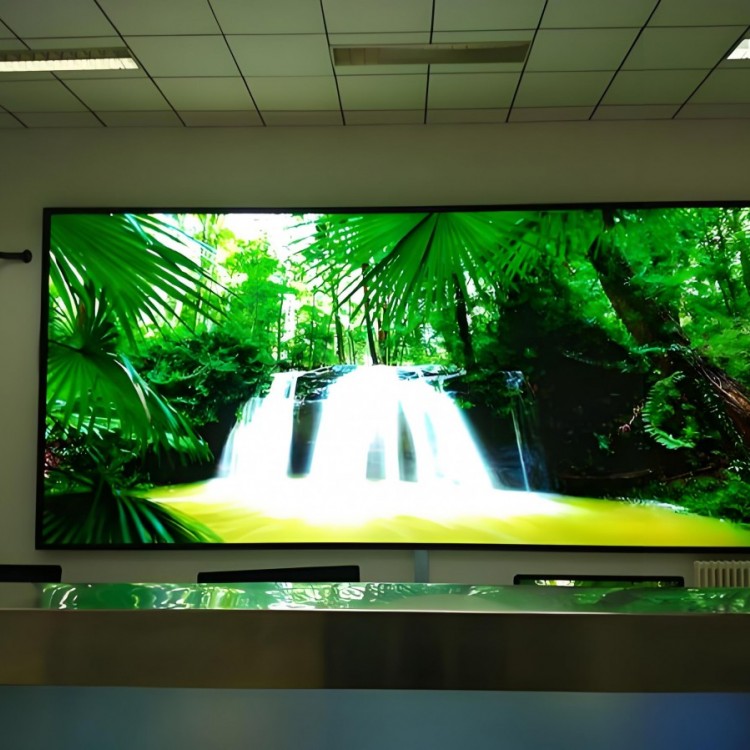







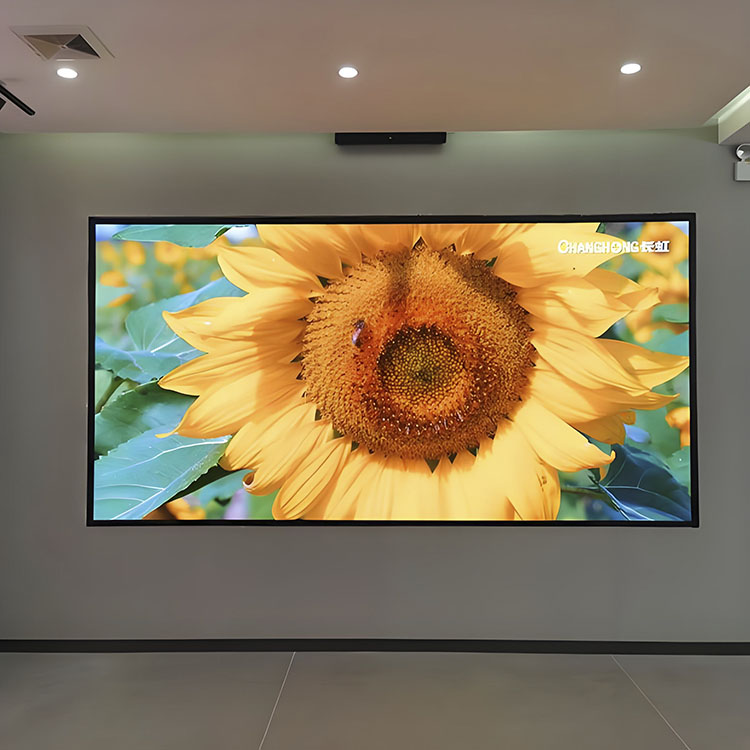




LED display systems play a crucial role in large-scale LED screens, thus necessitating regular inspections and maintenance for their smooth operation. The display system consists of six main components: the display unit, LED display control system, display information processing system, screen distribution system, LED screen safety protection system, and display structural framework projects.
Correct system testing methods can detect potential issues with the display, allowing for prompt problem resolution. There are four methods: short circuit testing, voltage testing, resistance testing, and voltage drop testing.

Short Circuit Test: Route the multimeter to the short circuit detection block (usually equipped with an alarm function, like the crow's general principle), check for any short circuit phenomena. If found, address the short circuit issue immediately. RUCIT fault phenomenon is a common type of LED display module. Some can be found by observing the IC pins. Short circuit tests should be performed with the power off to prevent damage to the multimeter. This method is commonly used, simple, and efficient. It can detect up to 90% of faults.
Voltage Testing Method: Convert the multimeter to a voltage mode, measure the voltage at a specific point of the circuit suspected of having an issue, and compare it to the normal value to determine the scope of the problem.
Resistance Test: Assign a multimeter to measure resistance, check the ground resistance at a specific point on a standard circuit board, and uniformly test the results at the same point on another identical circuit board. If there are any differences in the normal resistance, it will determine the main range accordingly.
Droop Test: Use a multimeter to measure the voltage drop across the diode, as all ICs are composed of multiple basic units, and miniaturization is involved. When current flows through FLUENT from a pin, a voltage drop occurs at that pin. Generally, the voltage drop on the same pin is similar for ICs of the same type. Control must be implemented based on the voltage drop values on the pins, and this must be done while the power is off.