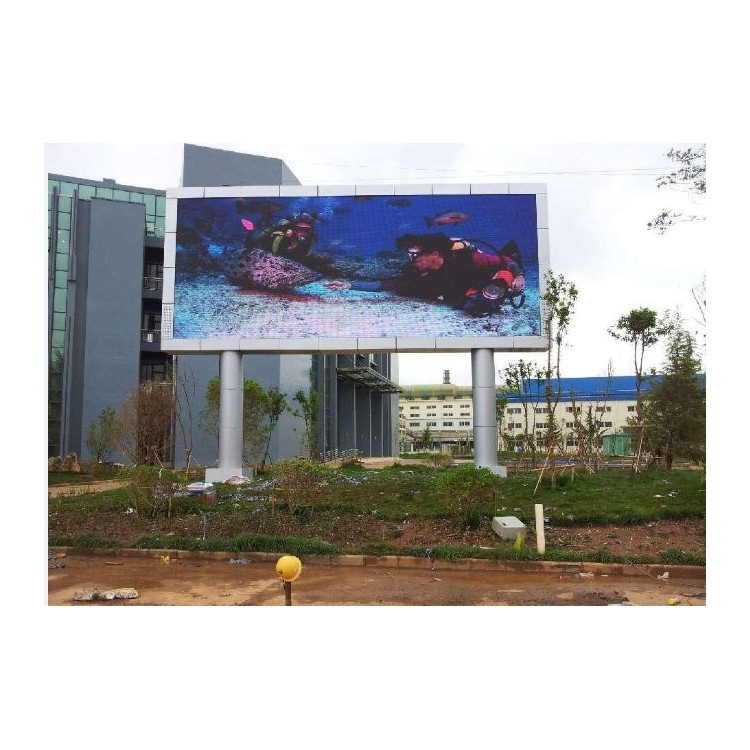

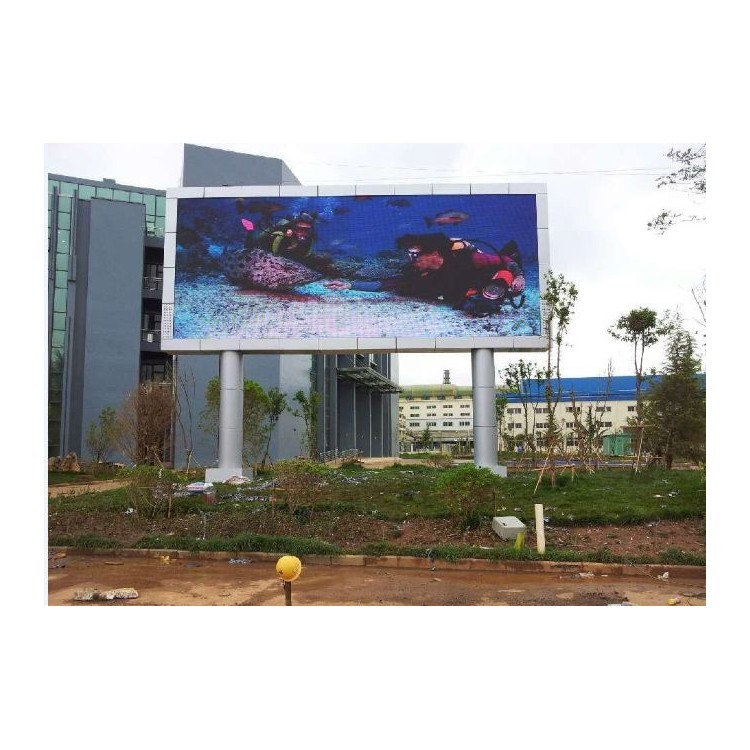







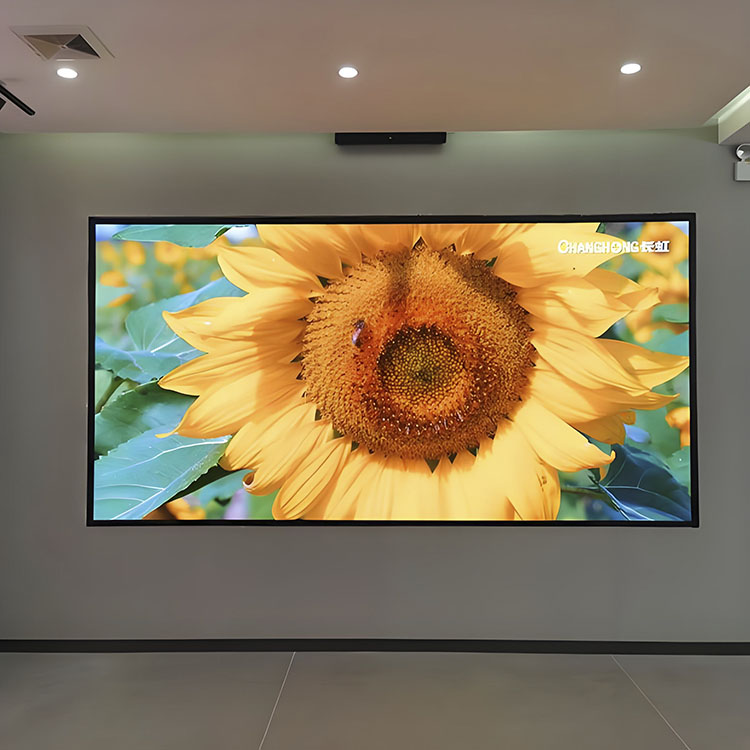
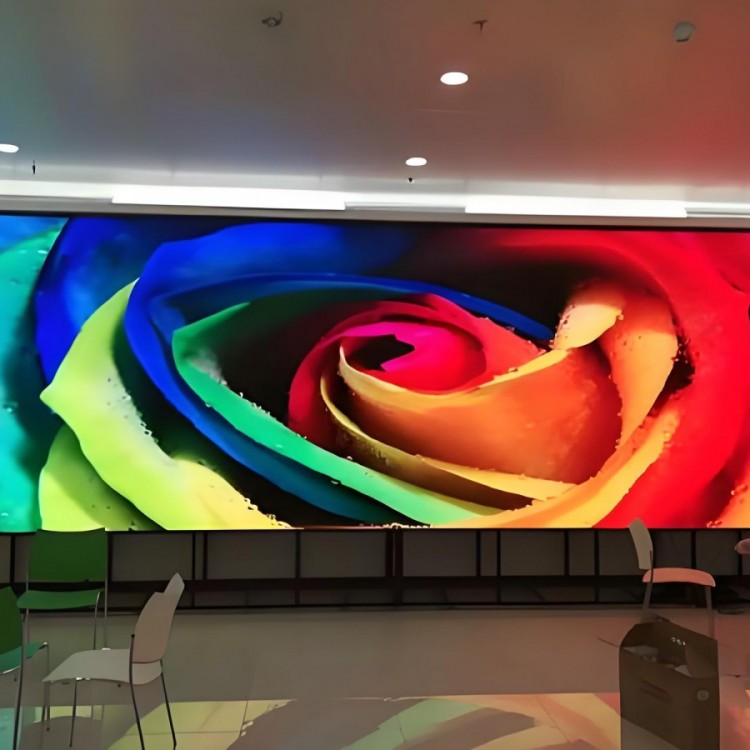


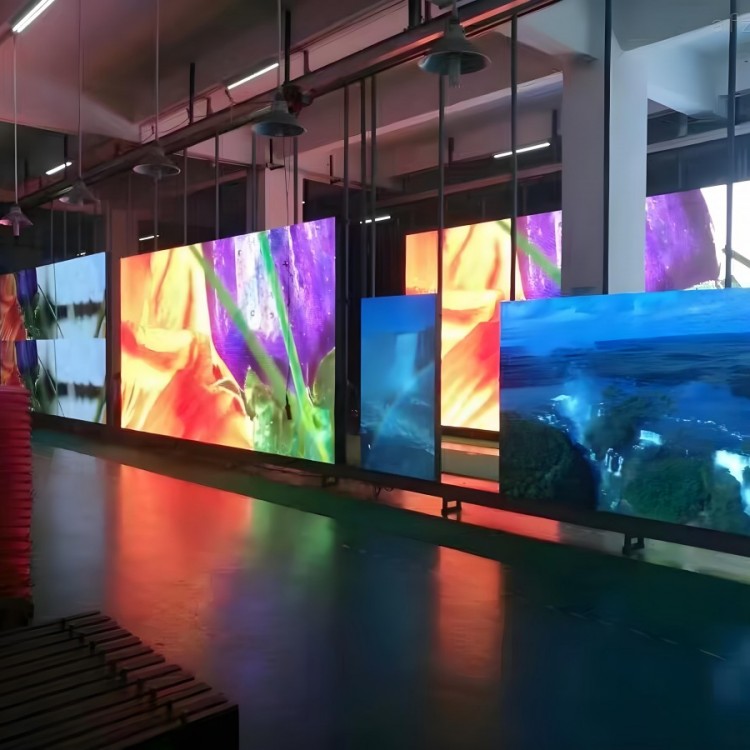
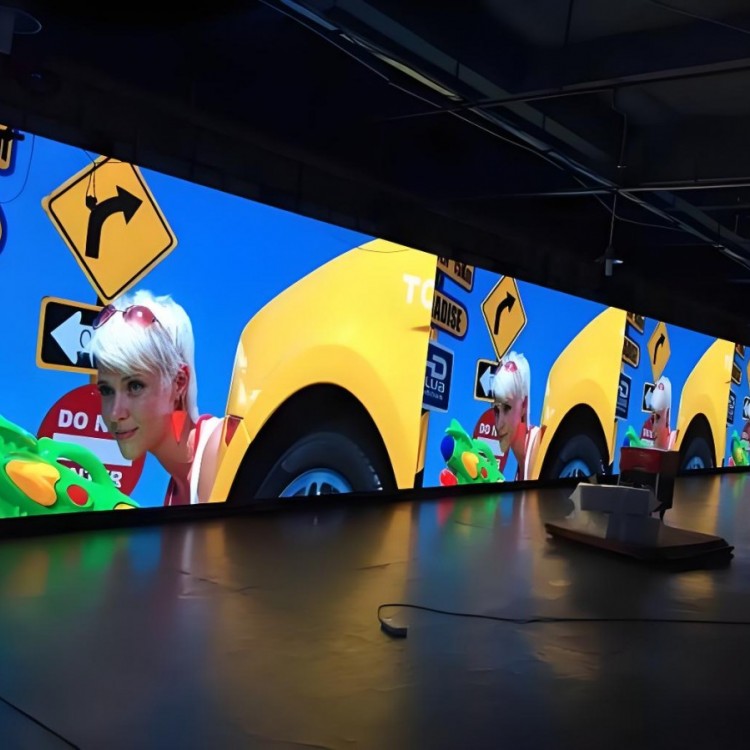
As a product with distinct industry characteristics this year, LED mini-space display technology has opened up new application markets and has re-established confidence in the LED display industry among investors. Reportedly, Silicon Core Electronics launched the P1.9 screen as early as the end of 2011, which sparked a significant response in the industry. After more than a year, where has the focus of Silicon Core Electronics' research and development been?

Electronics were an early entry into the small-space field. With the introduction of 1.9mm fine pitch LED displays, P1.5 small pitch LED screens were launched at the beginning of this year and are now in mass production. In some high-precision indoor markets, P1.9 and P1.5 products cannot completely replace traditional LCD, DLP, and other products. Therefore, silicon-core electronics will further demonstrate density, with products with less than p1.2 pitch already in development.
Electronics Electronics is a leading semiconductor technology company, boasting a strong product line in semiconductor circuits and driver design, dedicated to reducing the R&D and production costs of LED display screens. The full-negative technology of our silicon core electronic components solves the overheating issue in high-power density display devices. Relying on the negative technology of integrated circuit drivers, with the peripheral circuit directly integrated into the IC, our products feature high integration. On this basis, our small pitch products also offer ghost image elimination, true 16-bit color, reduced EMI emissions, and a refresh rate as high as 16 kHz.
In the current industry, few companies can "refresh" the "brightness" and "gray scale" of LED displays to achieve "high performance," and some products still have extended parameters. Silicon core electronics do not affect other display parameters while also reducing the product spacing.
The LED display commercial showcase market has reached $500 million. In the indoor market, there is a significant market space for small pitch products compared to traditional video walls, and rear-projection also has a substantial market potential. In short, as the density increases, the market boundaries of LED displays become broader. Currently, they demonstrate strong competitiveness in small space products such as TV stations, high-end conference rooms, high-end consumer goods, and simulations.