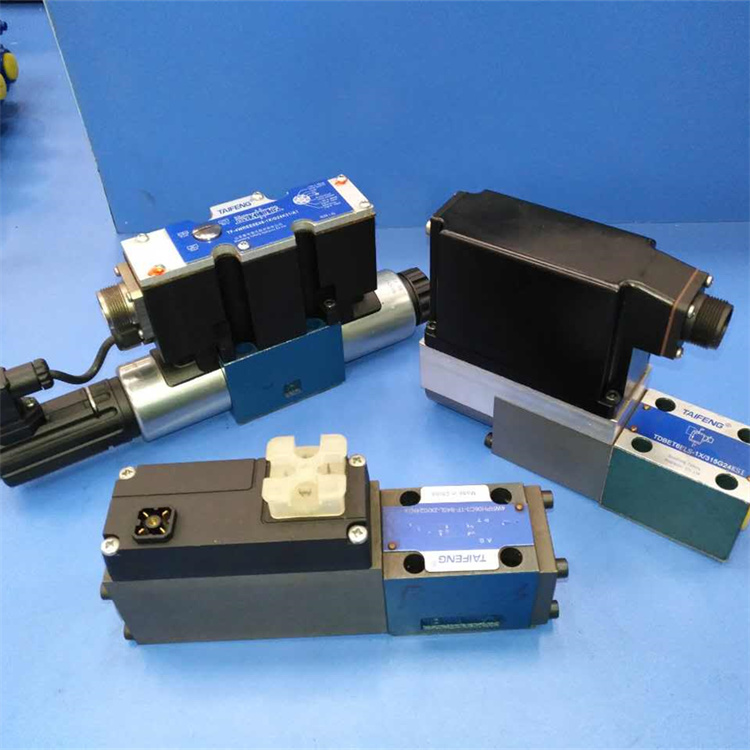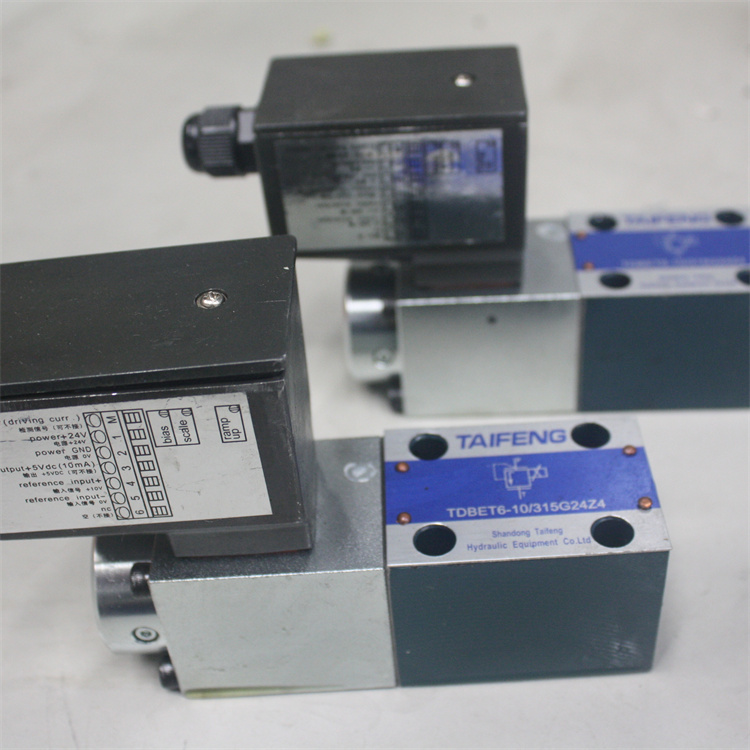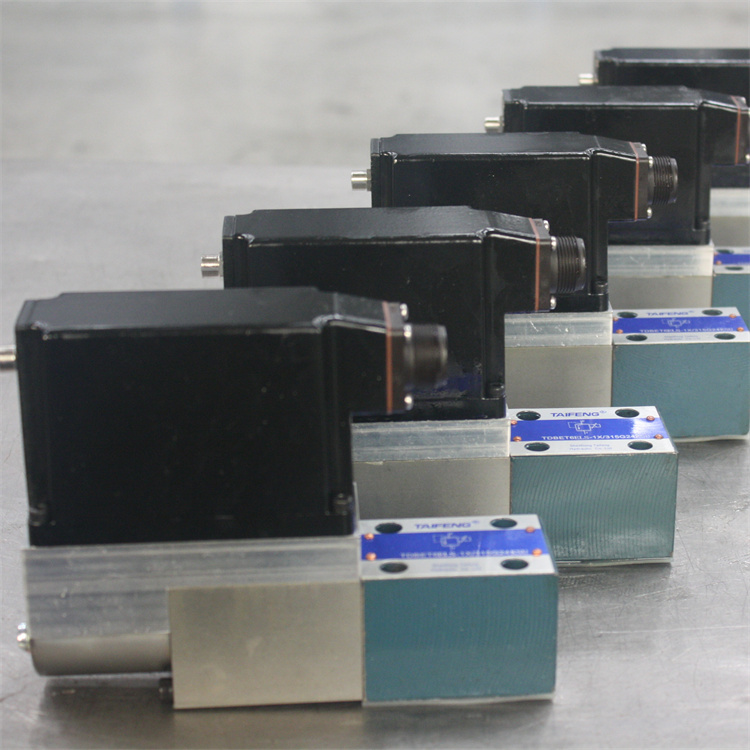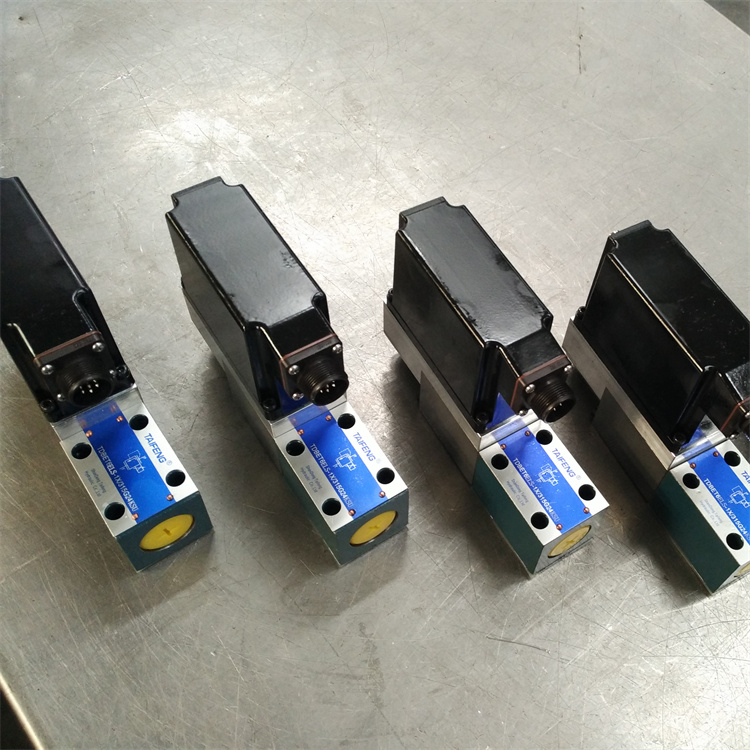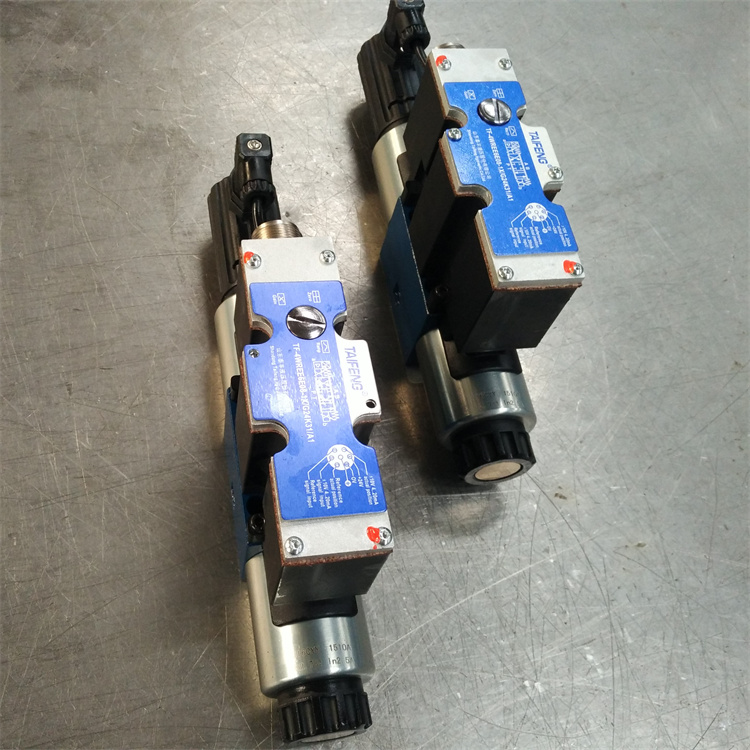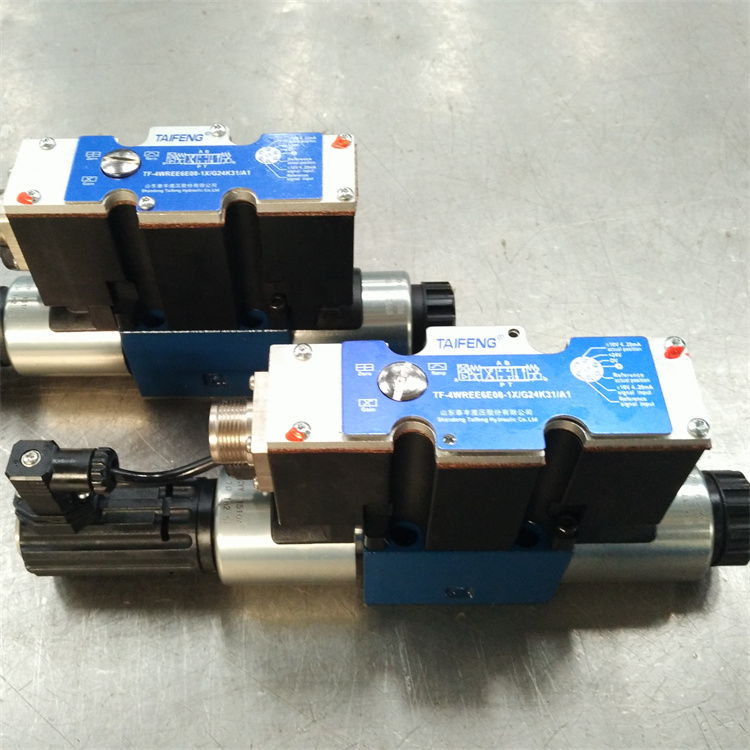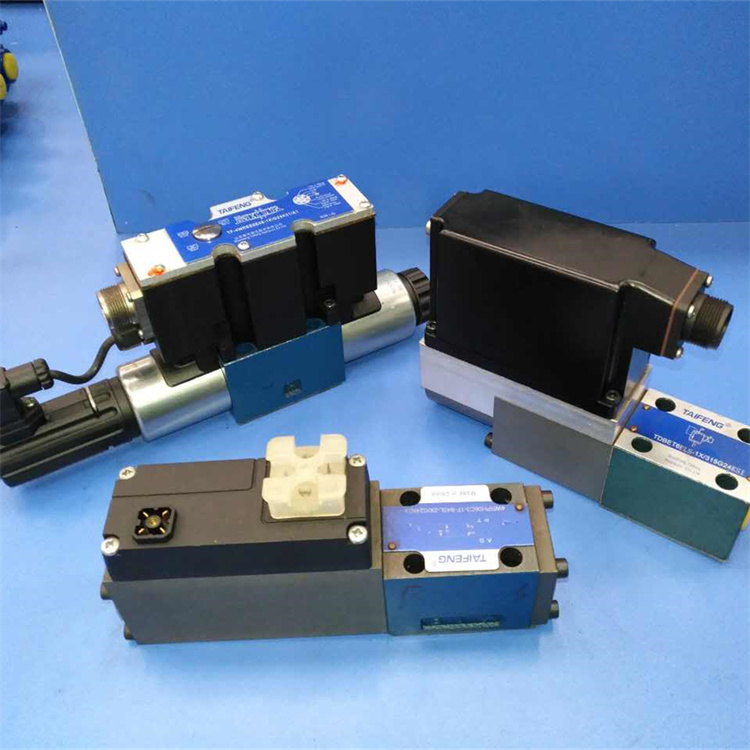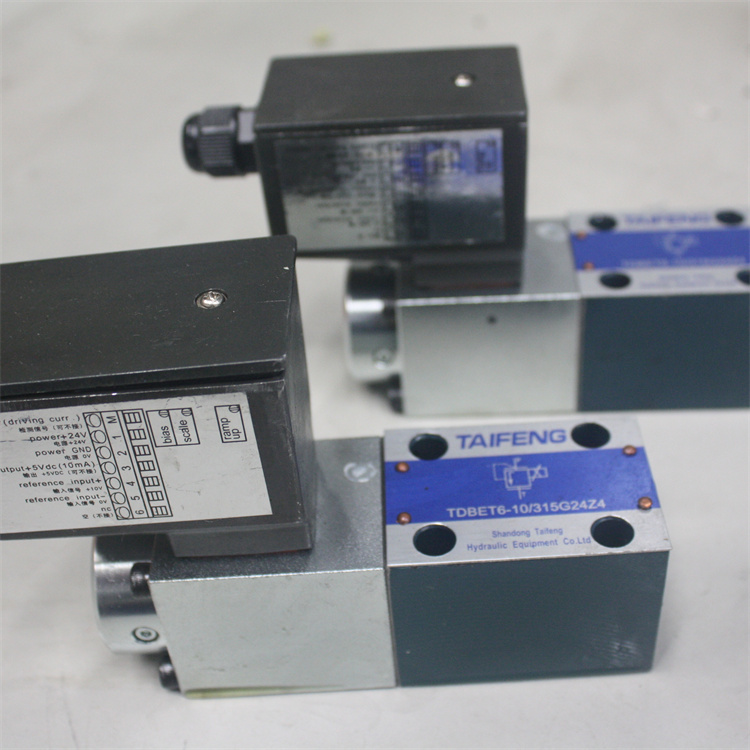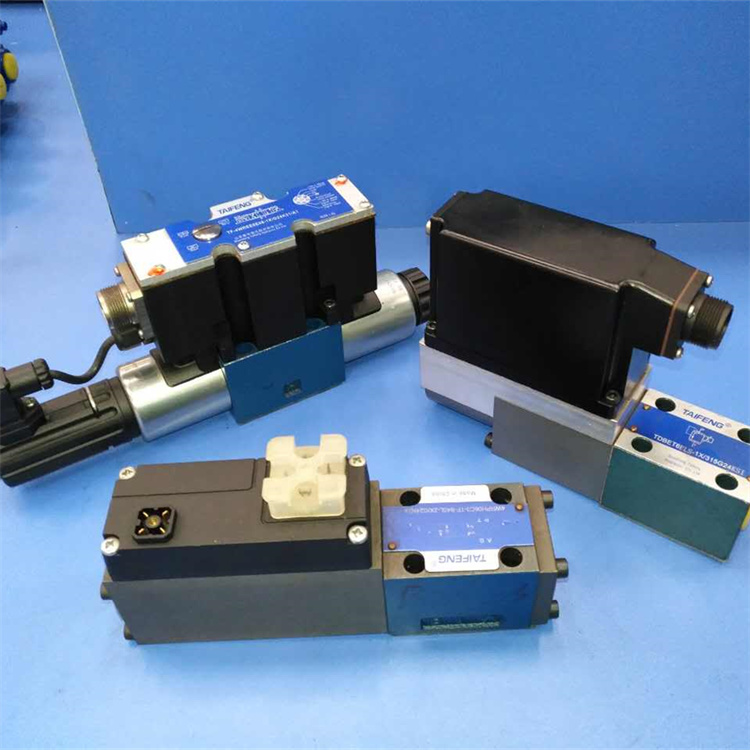

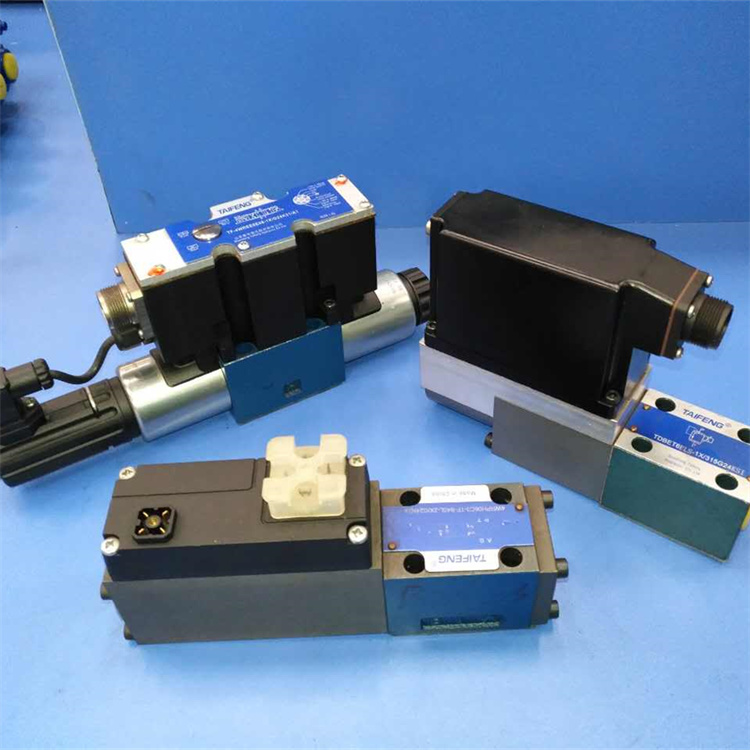
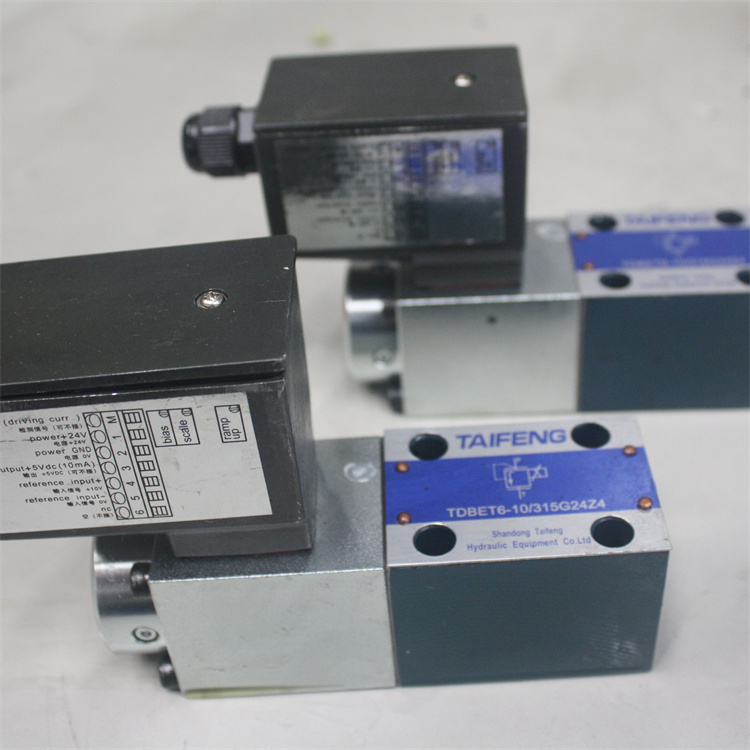
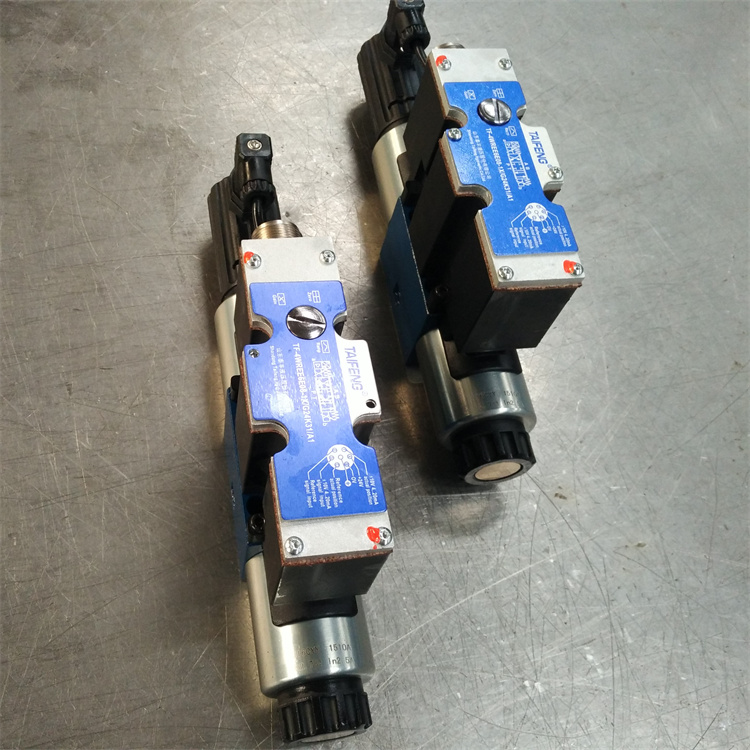











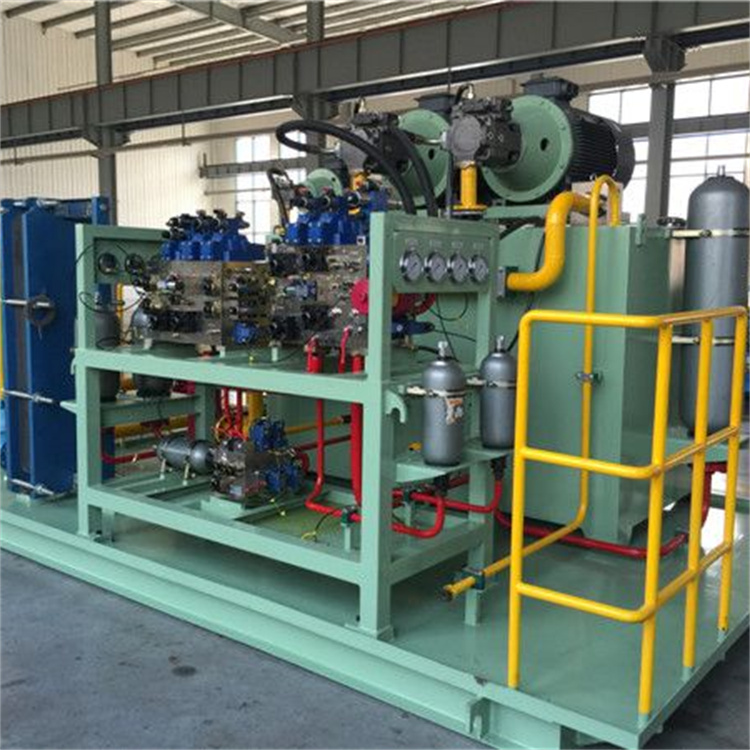
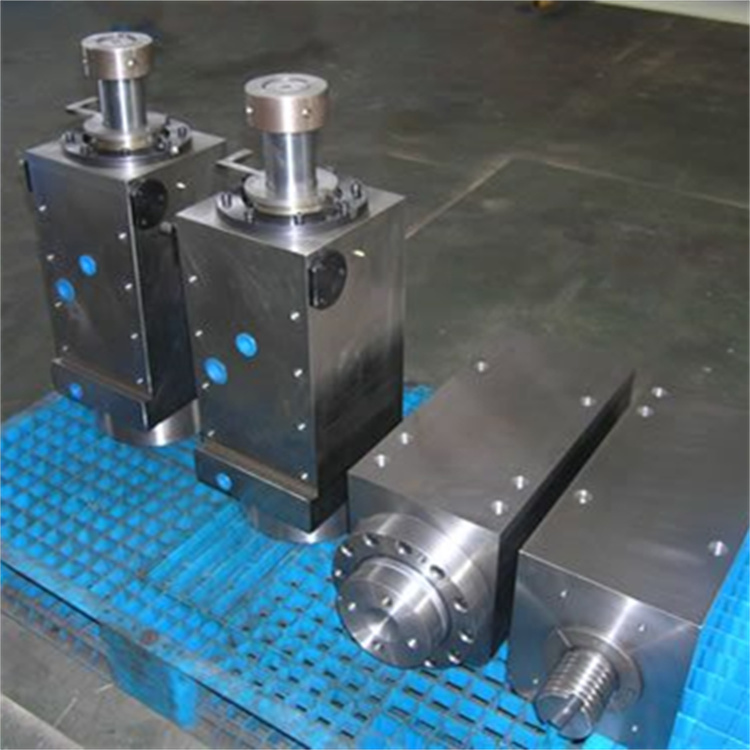
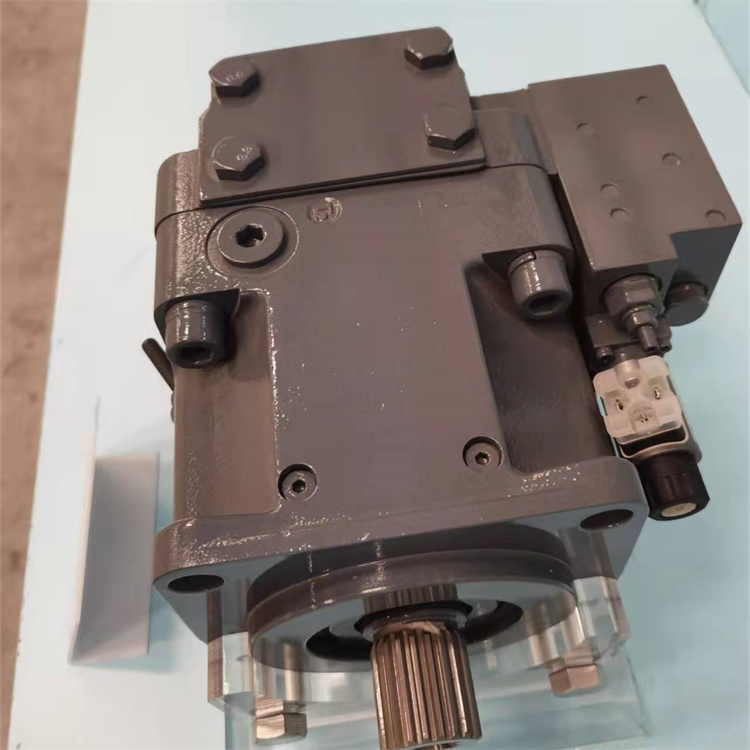
A proportional valve is an element used in hydraulic systems to control flow and pressure. It uses proportional control technology to adjust the flow and pressure within the hydraulic system, thereby achieving precise control over mechanical motion. Below are some basic information about proportional valves:
Types of Proportional Valves:
Proportional Pressure Valve: Used to control pressure within the system, commonly installed at the hydraulic pump's outlet or the actuator's inlet.
Proportional flow valve: Used to control flow in the system, typically installed at the inlet or outlet of the actuator.
Proportional directional valve: Used to control the flow of hydraulic fluid in the system, enabling the start, stop, and directional control of actuators.
The proportional valve receives control signals through a proportional solenoid, controlling the movement of the valve core to adjust the valve opening, thereby regulating flow and pressure. Its working principle mainly includes the following aspects:
Signal Reception: The proportional solenoid receives electrical signals from the controller.
Spool movement: An electrical signal controls the magnetic force of a proportional solenoid, thereby moving the valve spool.
Flow Adjustment: Moving the valve core alters the opening of the valve orifice, thereby regulating the flow through the valve.
Pressure Regulation: Pressure within the system can be adjusted by controlling the position of the valve core.
Advantages of Proportional Valves:
High Precision Control: Proportional valves can achieve high-precision control of flow and pressure, meeting the requirements for high-precision control.
Fast response time: The proportional valve responds quickly, enabling rapid response to control signals for fast adjustment.
Energy-saving: By controlling flow and pressure, reducing energy waste, and improving system efficiency.
High Reliability: The structure of the proportional valve is simple, maintenance-friendly, and highly reliable.
Proportional valves are widely used in various hydraulic systems, including but not limited to:
Construction machinery: such as excavators, cranes, etc., used for controlling the speed and force of mechanical movement.
Industrial Machinery: Such as machine tools, injection molding machines, etc., used to control the movement of machinery.
Aerospace: Hydraulic systems used for controlling aircraft and spacecraft.