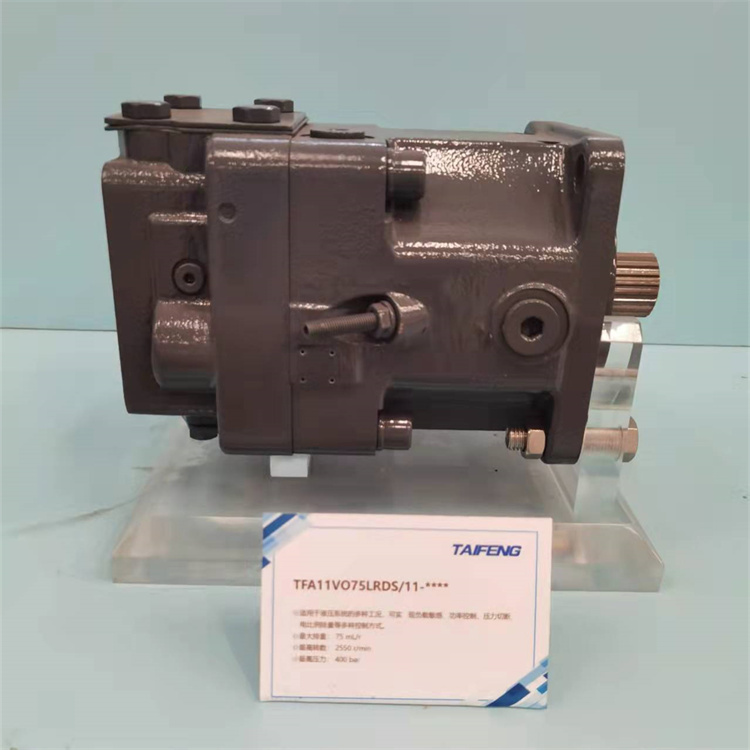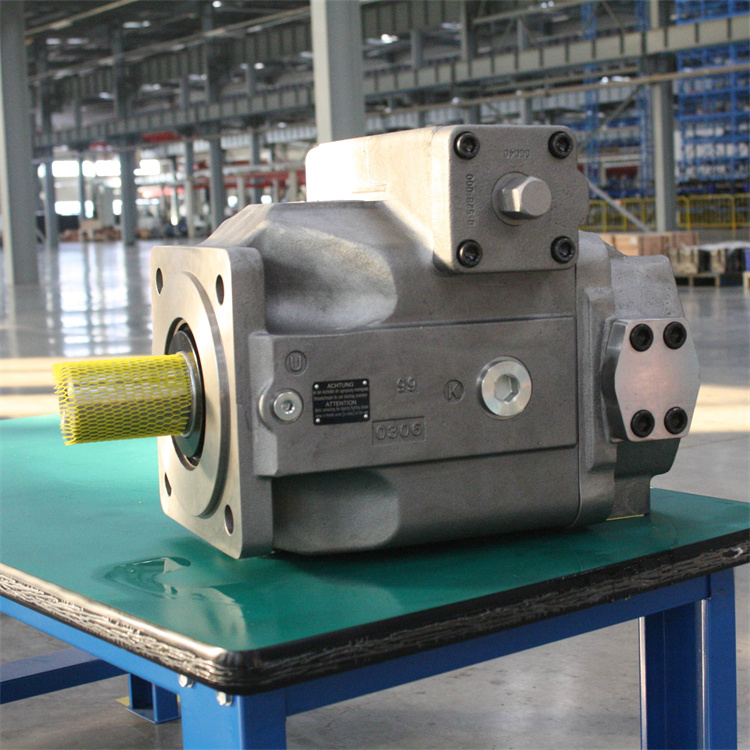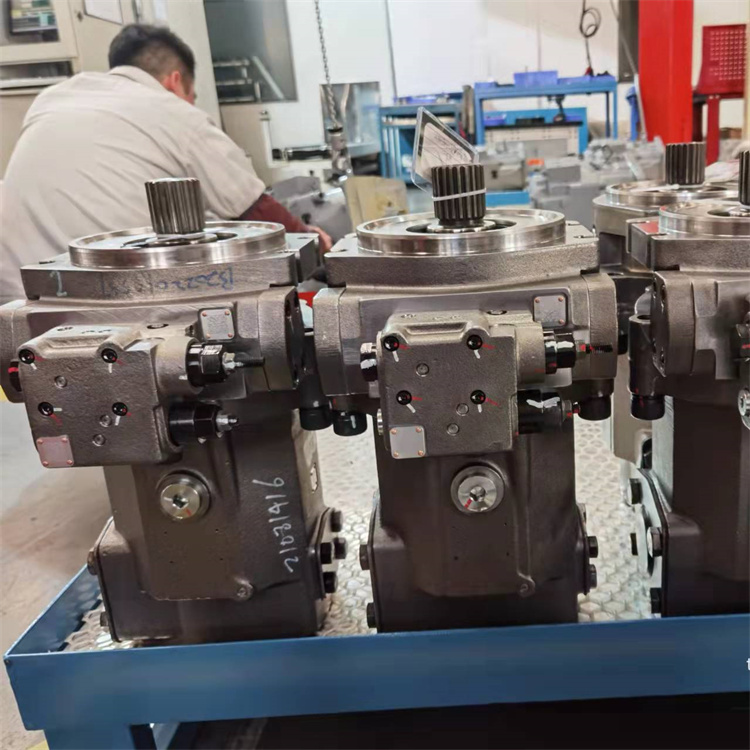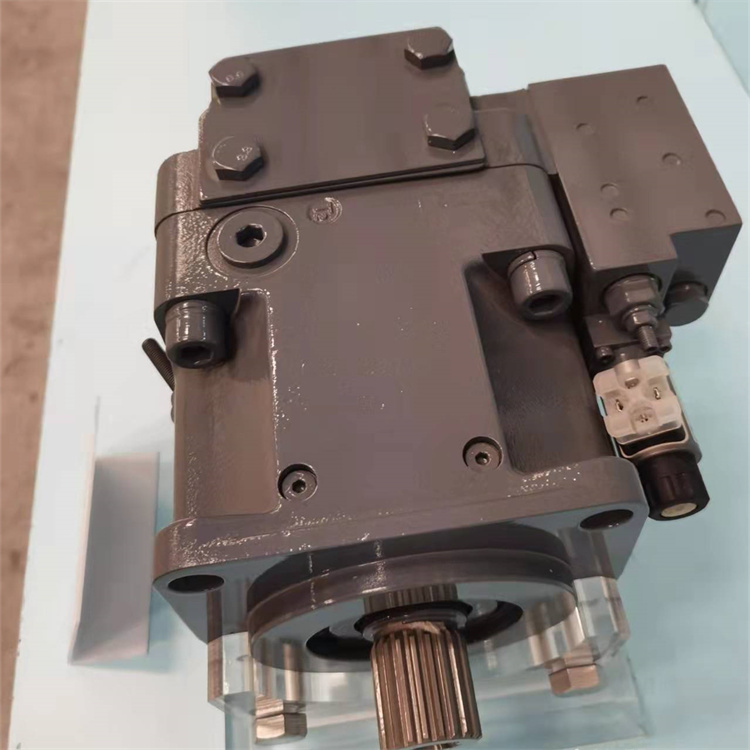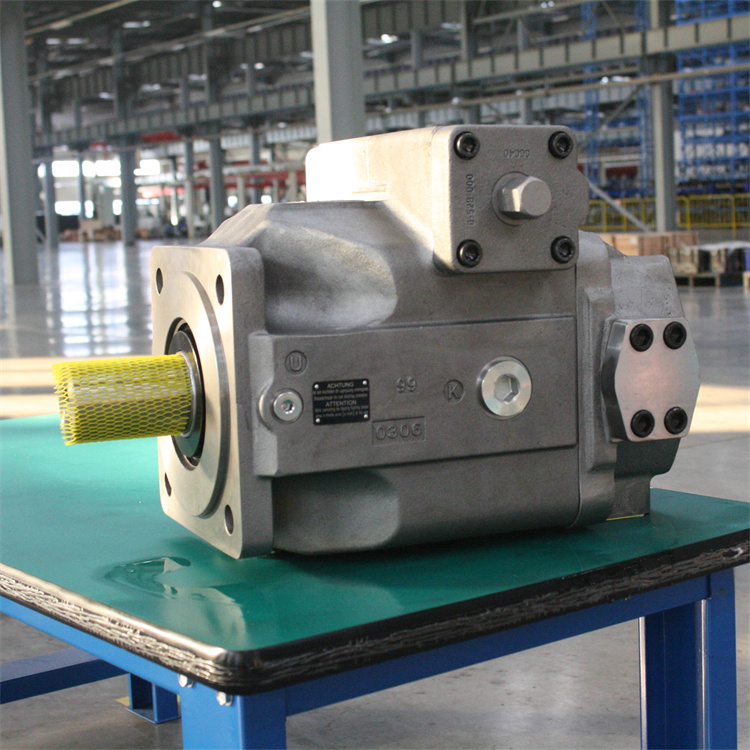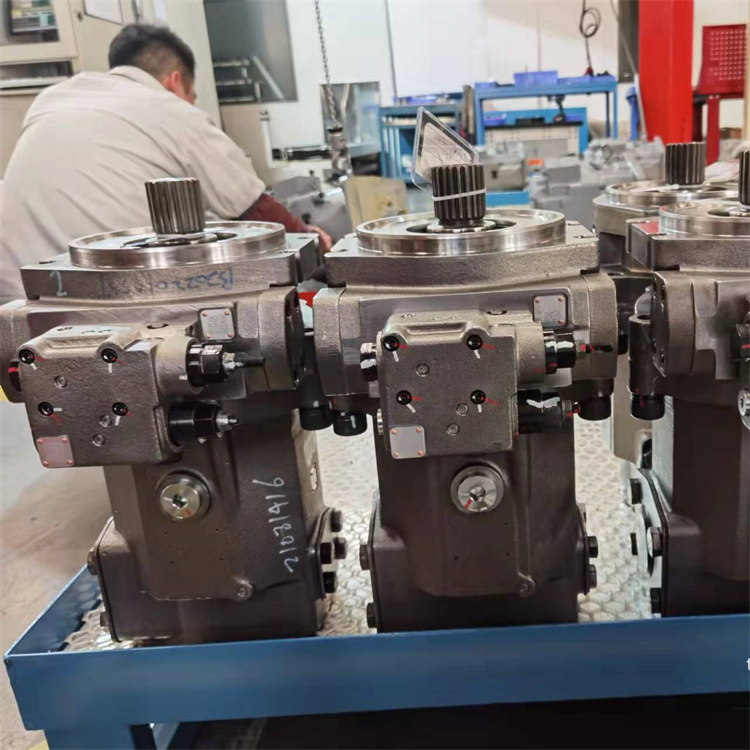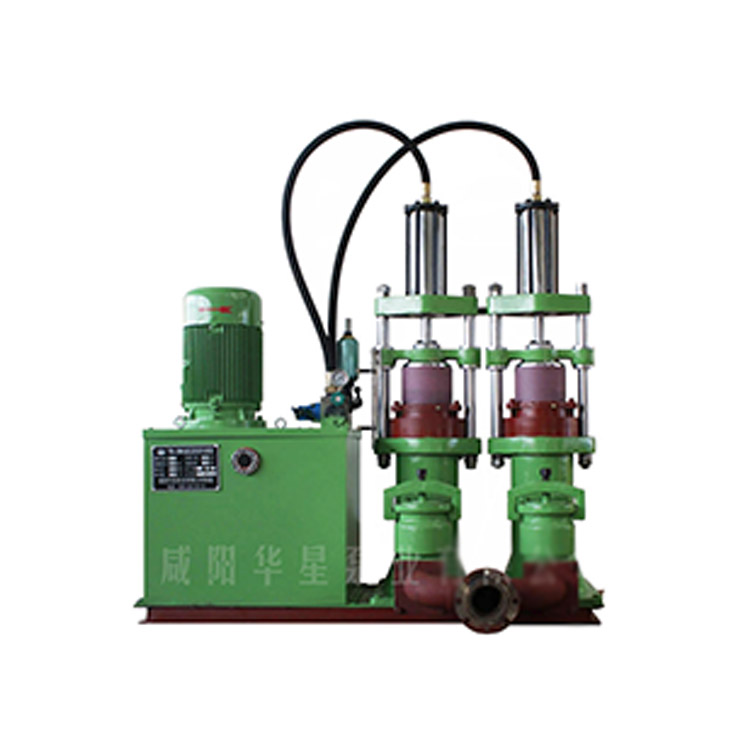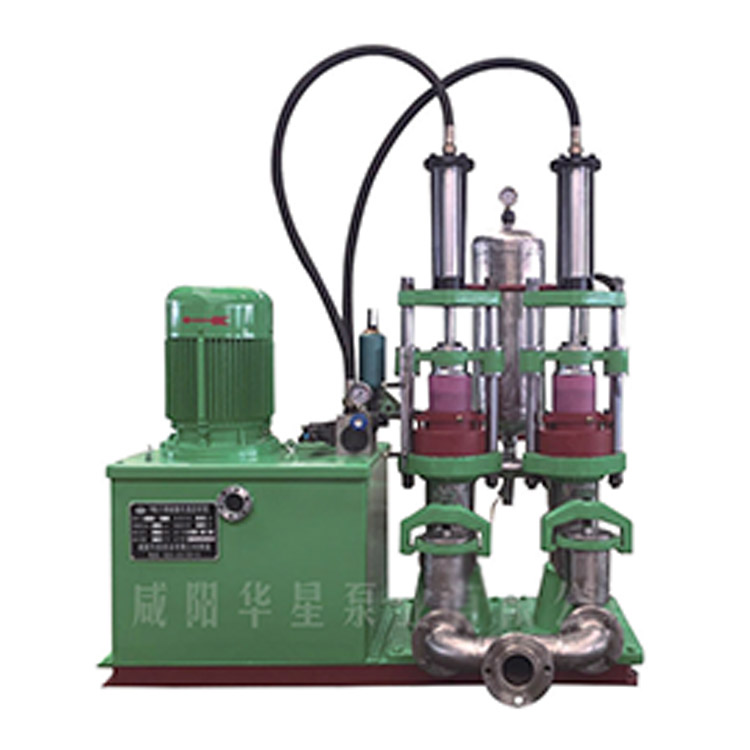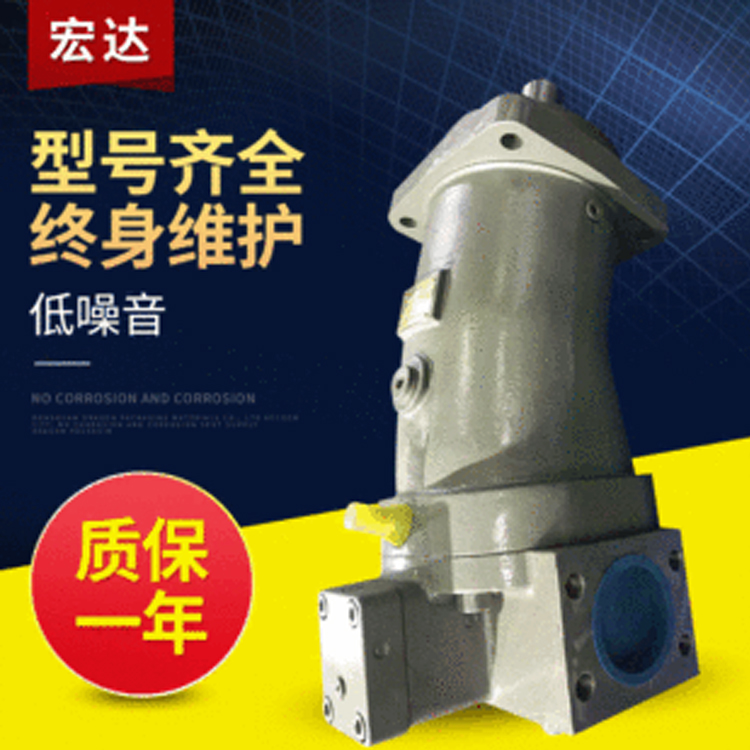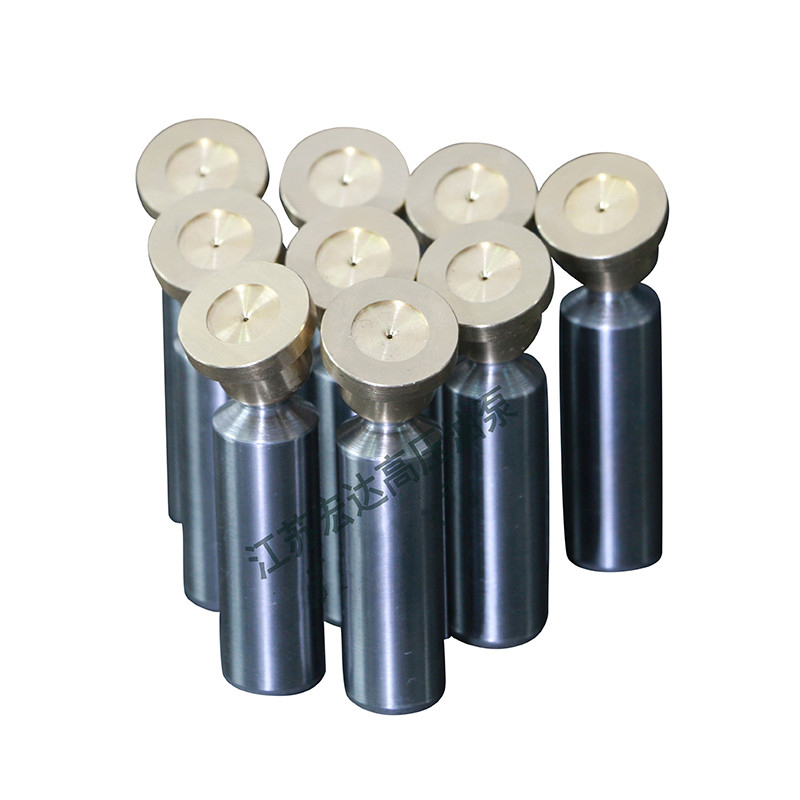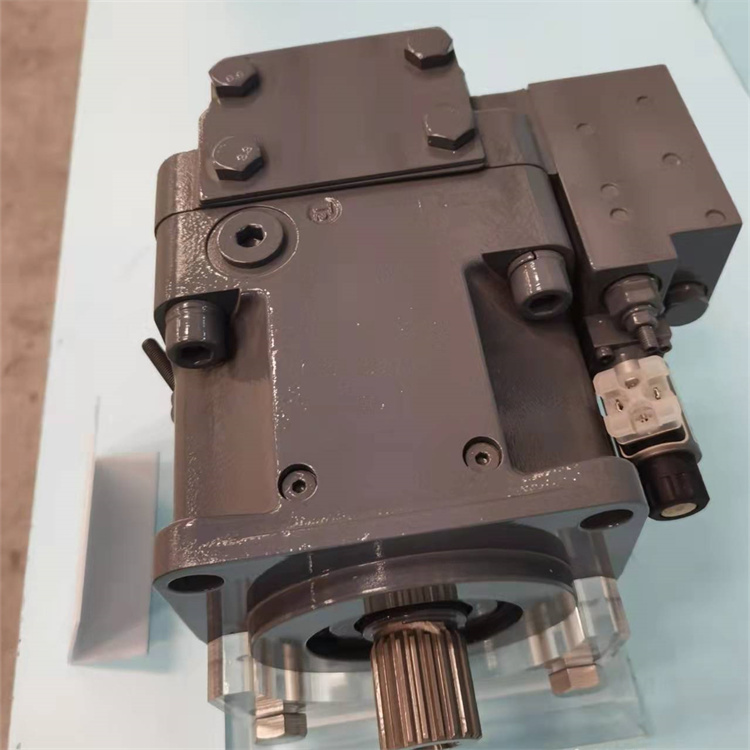

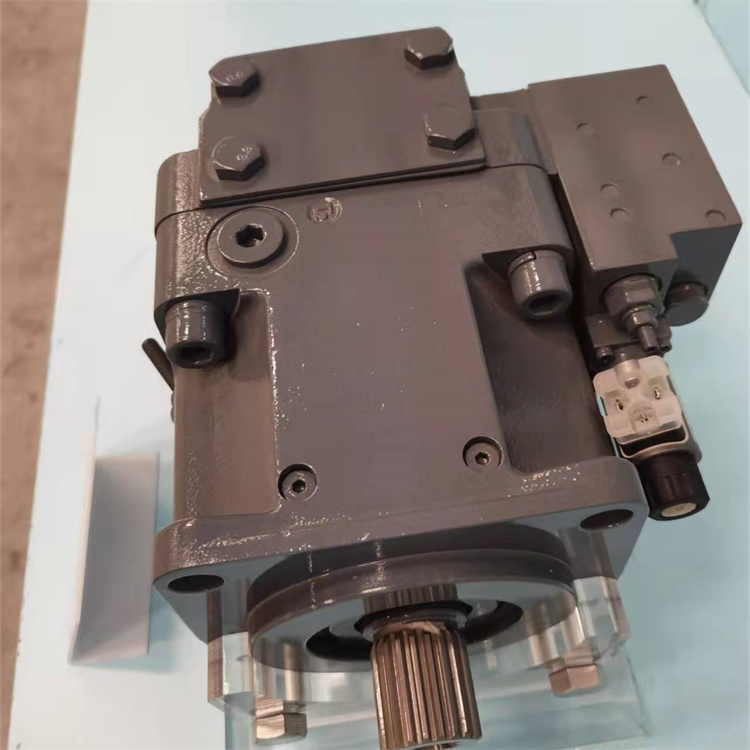
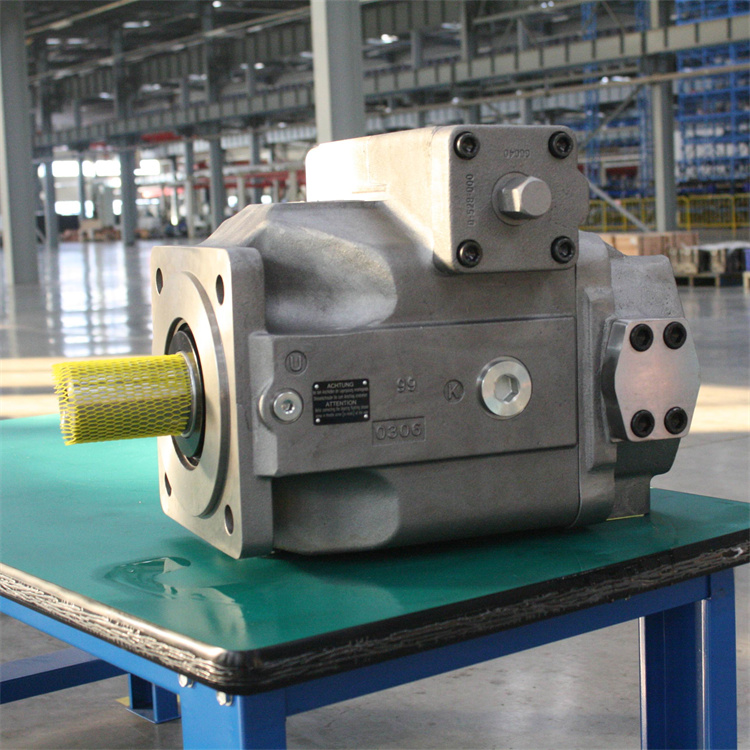
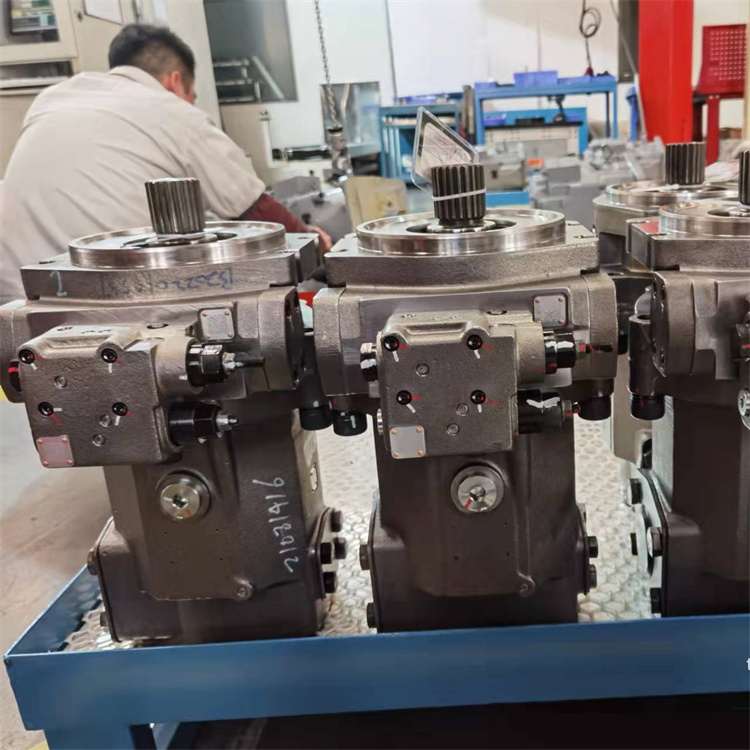


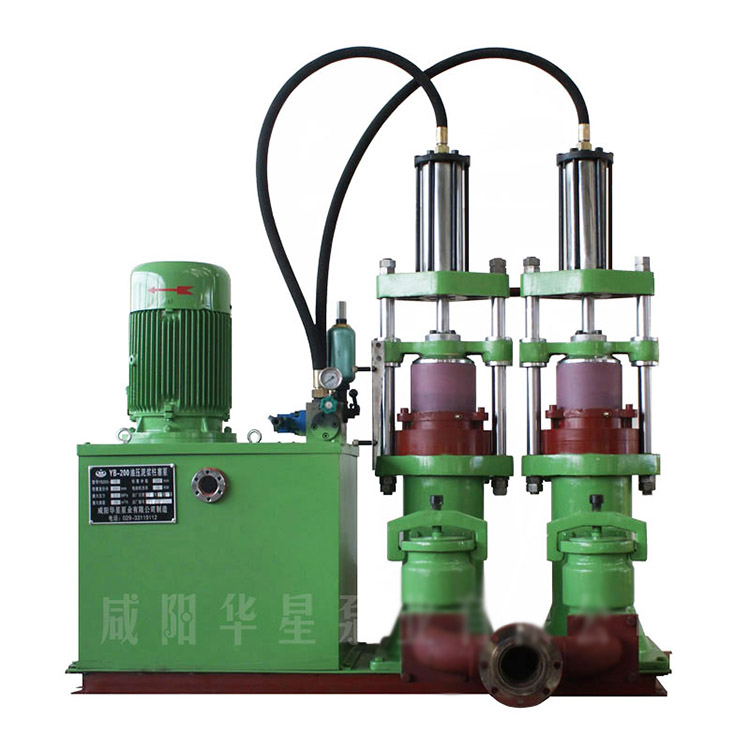

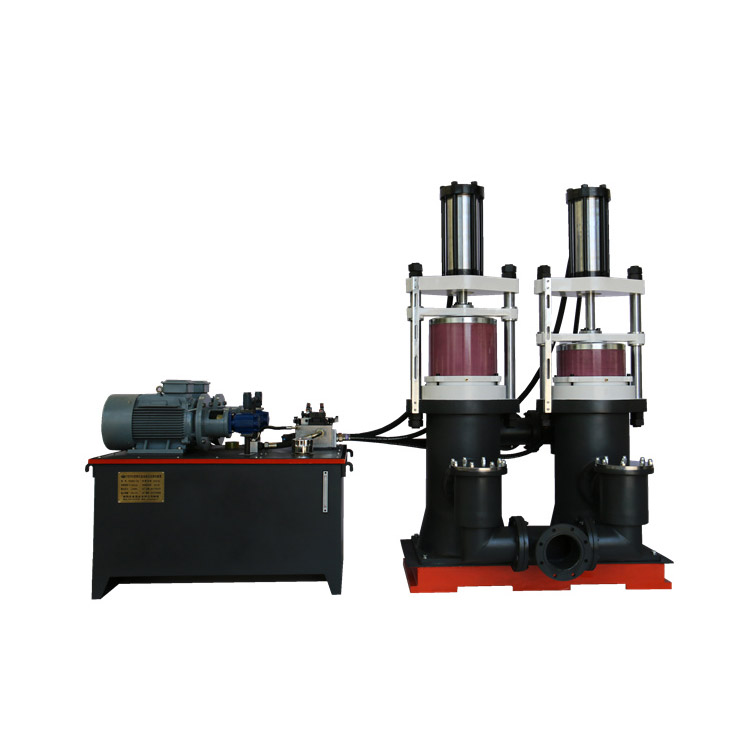
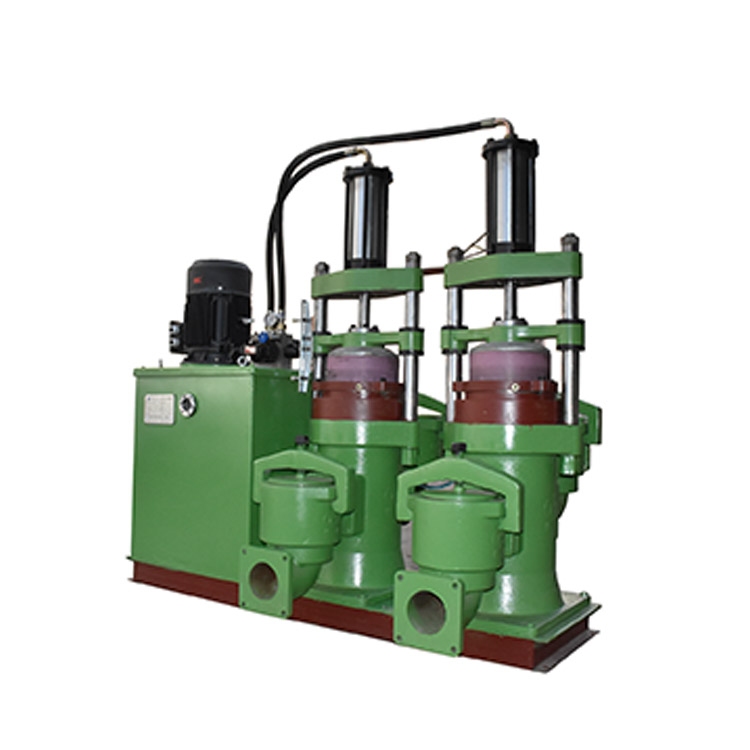
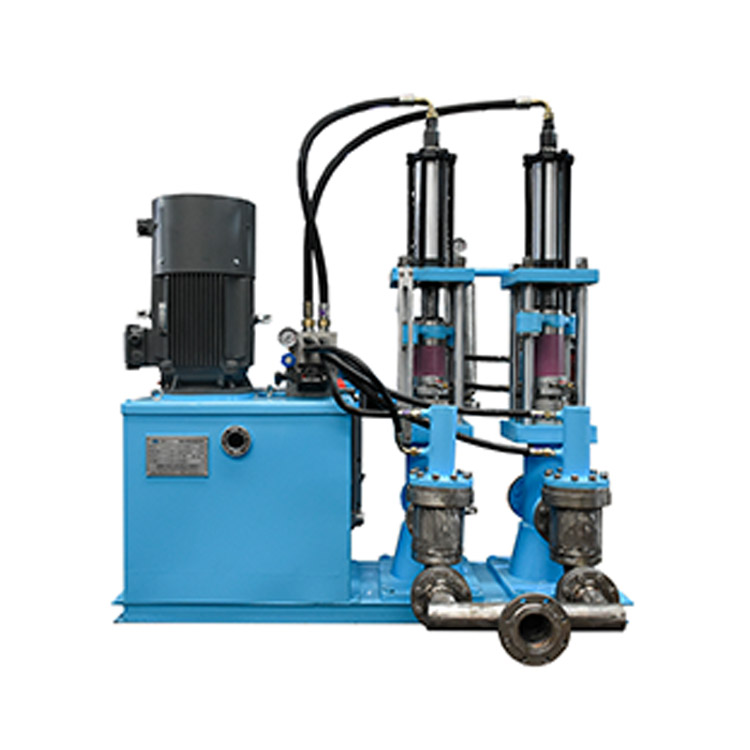





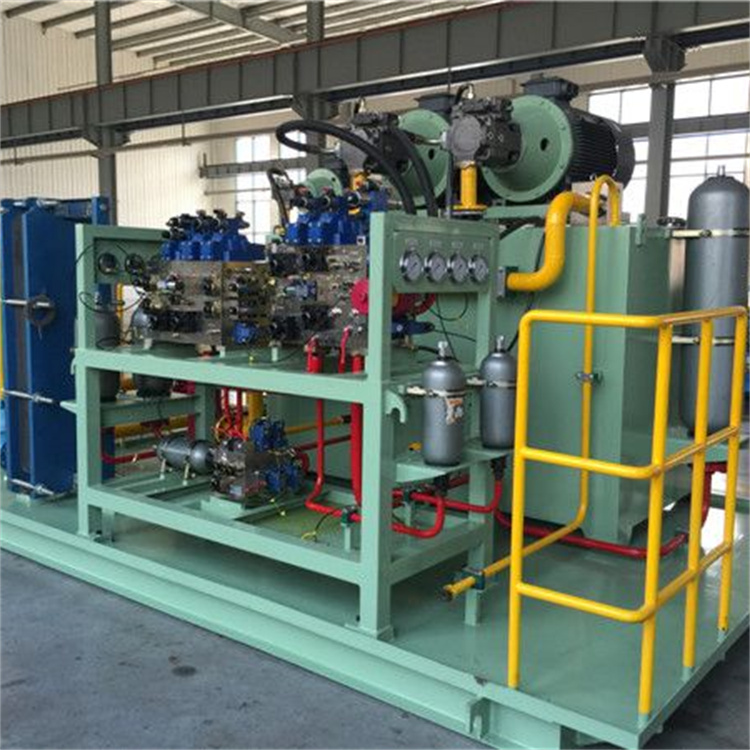
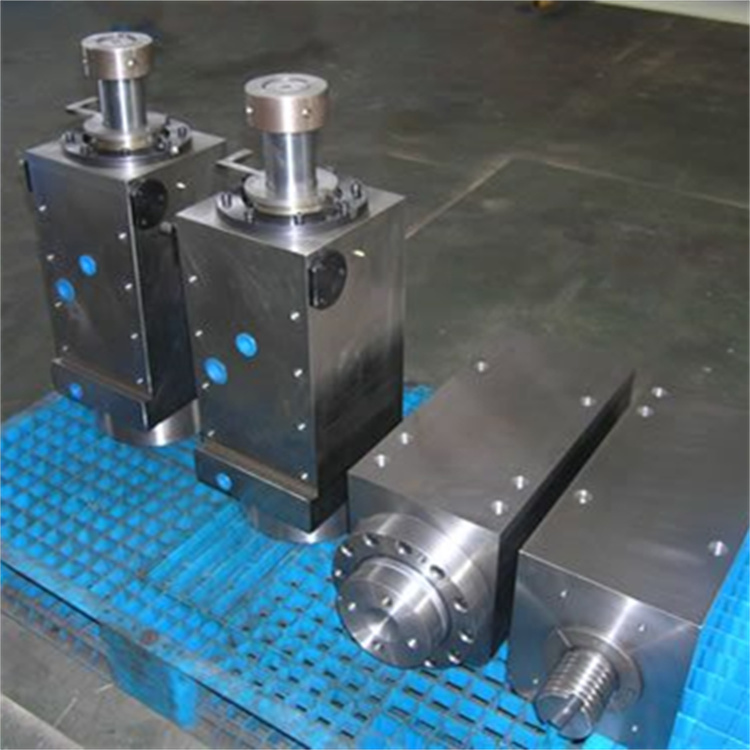
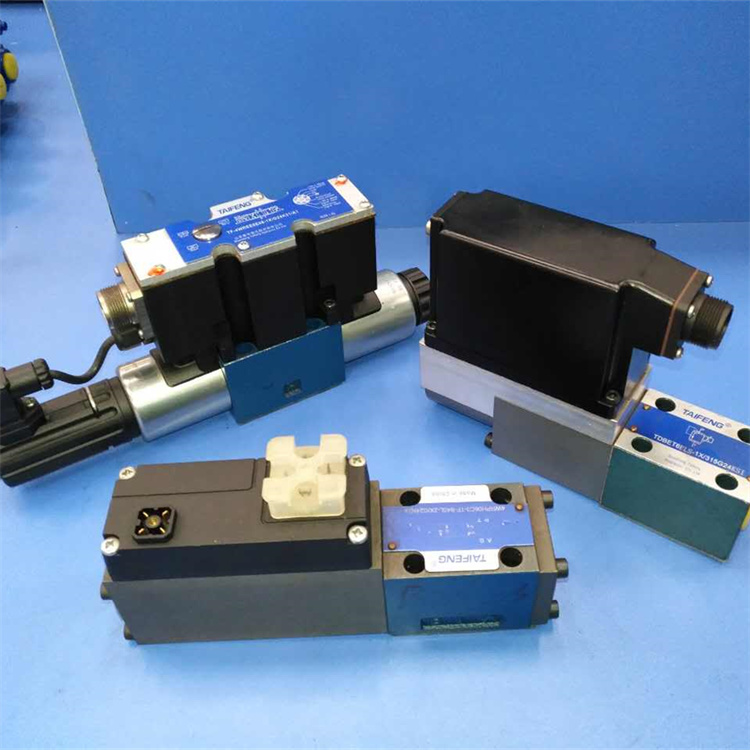
A plunger pump is a hydraulic pump that operates by the reciprocating motion of plungers within the cylinder, changing the volume of the sealed working cavity to achieve oil suction and pressure. They are widely used in high-pressure, high-flow, and flow-regulating applications, such as hydraulic presses, construction machinery, and ships.
Piston pumps are mainly categorized into the following types:
1. Single-Plunger Pump: Consists of an eccentric wheel, plunger, spring, cylinder, and two one-way valves. The plunger forms a sealed volume with the cylinder bore. With one rotation of the eccentric wheel, the plunger moves up and down once, drawing oil downward and expelling it upward.
2. Horizontal Plunger Pump: A hydraulic pump that uses several plungers (usually 3 or 6) installed in parallel, driven by a crankshaft through connecting rods and sliders, or directly by an eccentric shaft to create reciprocating motion, enabling the suction and discharge of liquids.
3. Axial Piston Pump: The reciprocating motion of the piston or plunger is parallel to the cylinder body's central axis. This pump operates by utilizing the reciprocating motion of the plunger parallel to the drive shaft within the plunger bore, which creates volumetric changes for its operation.
4. Radial Plunger Pumps: The reciprocating motion of the plungers is perpendicular to the drive shaft. These pumps are divided into two major categories: valve-actuated and shaft-actuated, with the shaft-actuated radial plunger pumps overcoming.
5. The valve-assisted radial plunger pump has the advantages of shock resistance, long service life, and high control accuracy.
The working principle of plunger pumps primarily includes the following stages:
1. Fuel Inlet Process: After the cam's projections pass, under the force of the spring, the plunger moves downward, creating a vacuum in the upper plunger space. Diesel fuel, which is filled in the oil pump's body channel, enters the pump chamber through the oil holes. The plunger reaches the lower dead center, marking the end of the fuel intake.
2. Return Oil Process: As the plunger moves upwards to supply oil, when the inclined groove on the plunger aligns with the return oil hole on the sleeve, the low-pressure oil path in the pump chamber communicates with the central hole and radial holes on the plunger head as well as the inclined groove. The oil pressure suddenly drops, and the oil outlet valve closes rapidly under the force of the spring, stopping the oil supply.