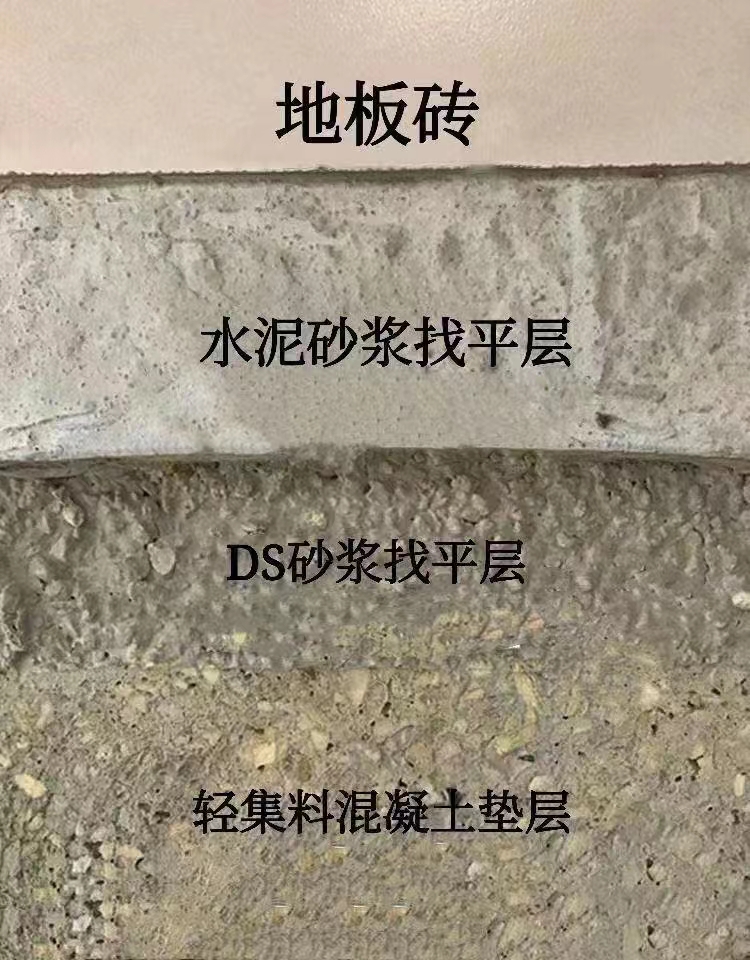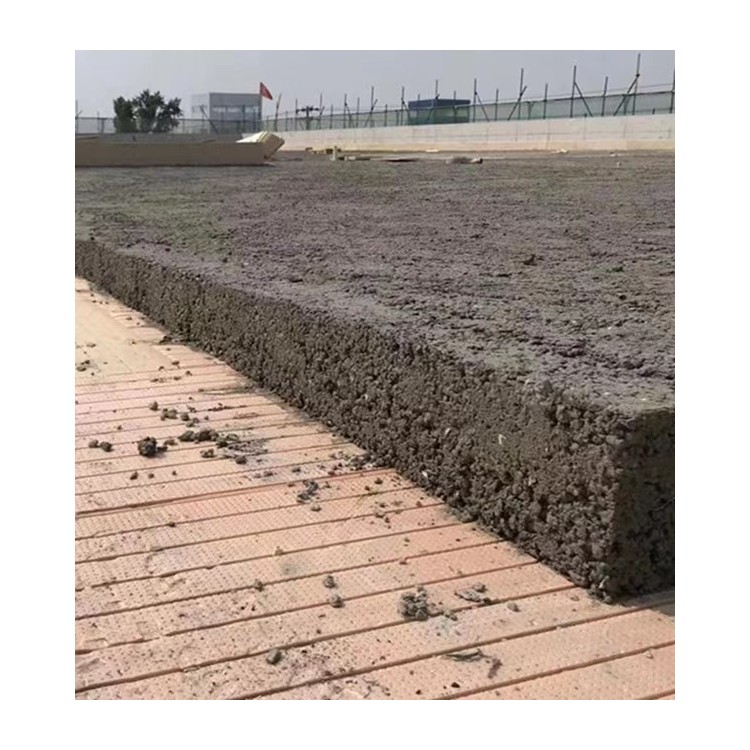

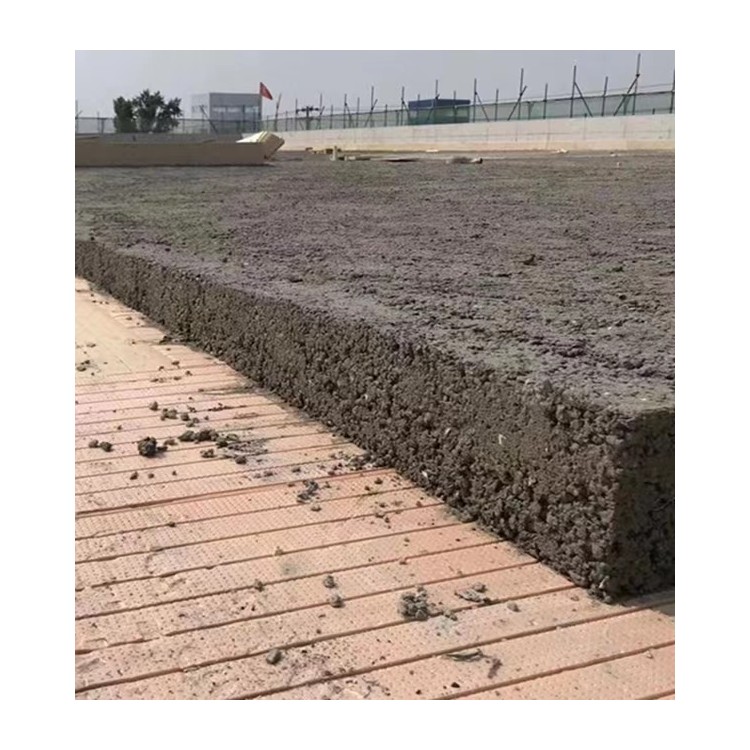
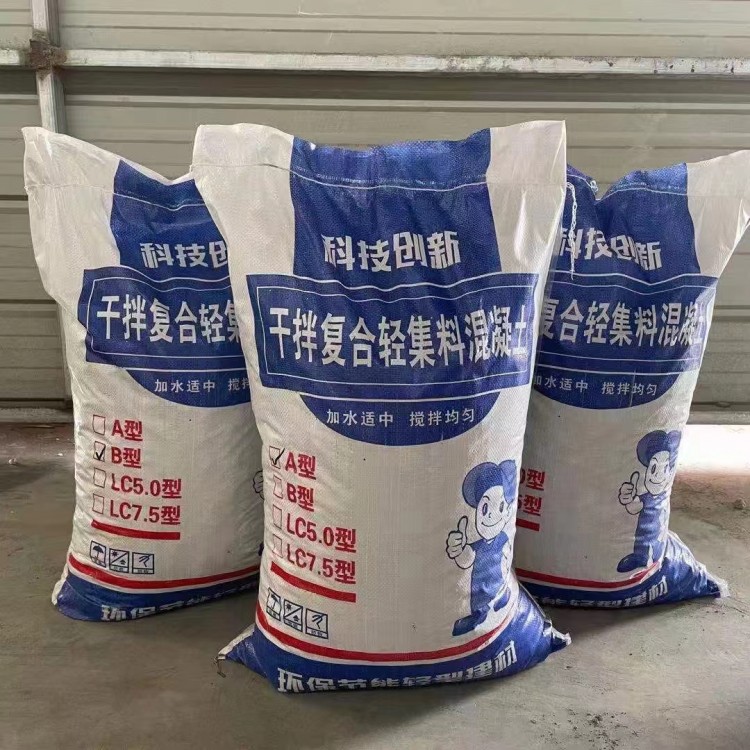









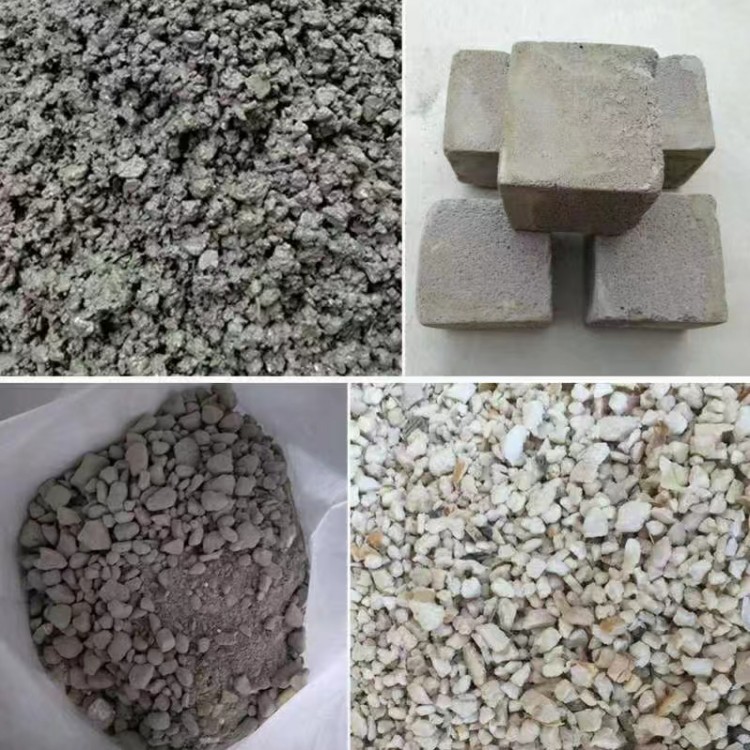
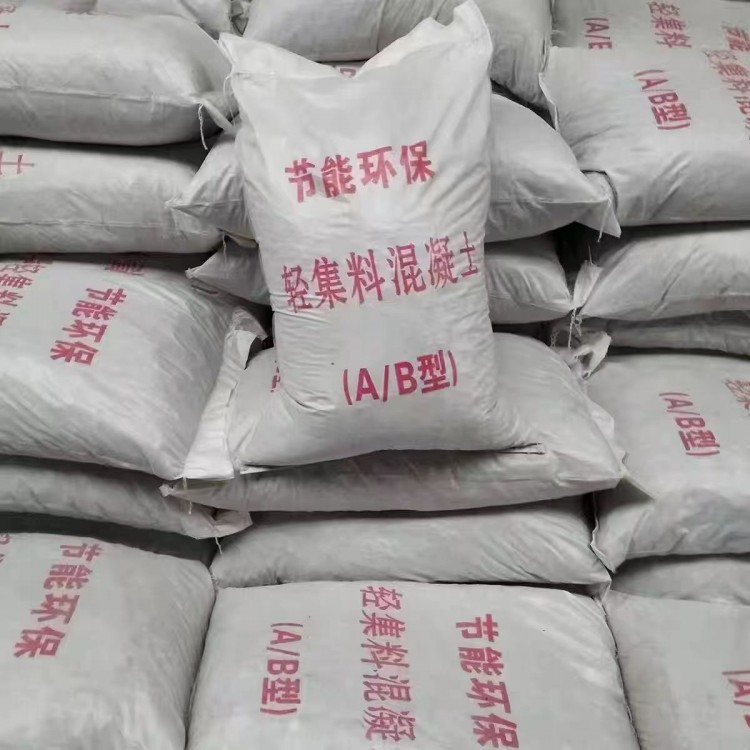
Concrete is a widely used construction material in the building and engineering sectors, composed of a mixture of water, cement, and aggregates (such as sand, gravel, or crushed stone). Its excellent properties make it an essential component of modern architecture and infrastructure. The following sections will delve into the composition, characteristics, applications, and trends of concrete.
I. Composition of Concrete
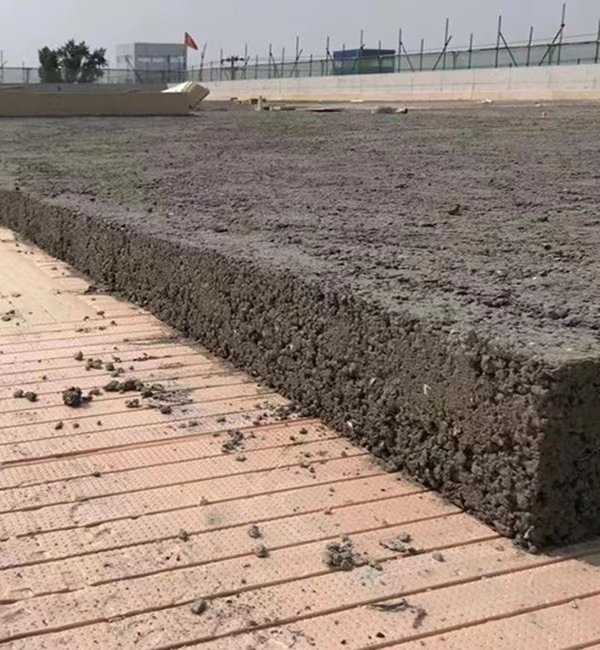
The main components of concrete include water, cement, and aggregates. Cement serves as the binder in concrete, with Portland cement being commonly used. Water activates the hydration reaction of cement, causing it to harden. Aggregates are a vital part of concrete, typically divided into coarse aggregates and fine aggregates. Coarse aggregates are usually gravel or crushed stone, while fine aggregates are mostly sand. The proportions and quality of these components directly affect the strength, durability, and workability of concrete.
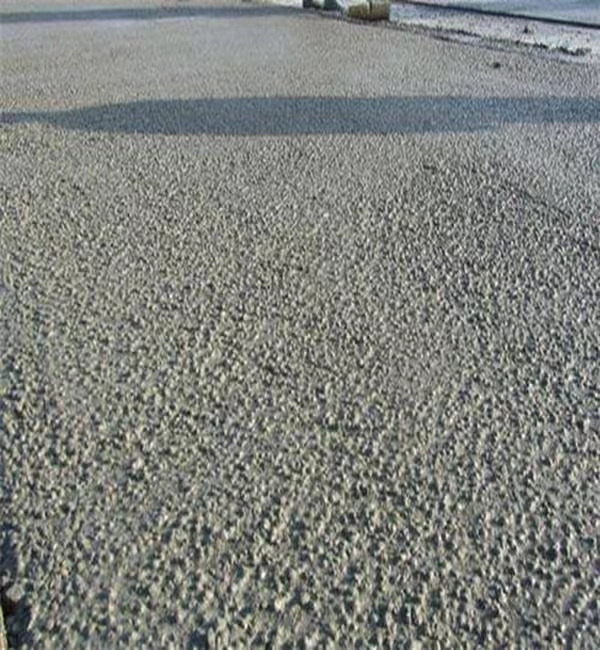
II. Properties of Concrete
Concrete boasts various excellent properties:
High-tensileConcrete, after proper curing, exhibits excellent compressive strength, suitable for bearing heavy loads.
DurableConcrete can withstand erosion from various environmental factors such as water and chemicals. Proper proportioning and adequate maintenance can significantly enhance its durability.
EconomicThe raw materials are sourced from a diverse range, offering competitive prices with high cost-performance ratios.
Plasticity and workabilityIn its unhardened state, concrete can be molded into various shapes as needed, suitable for complex structures.
Soundproofing, thermal insulationFeatures noise insulation and thermal preservation, suitable for construction use.