















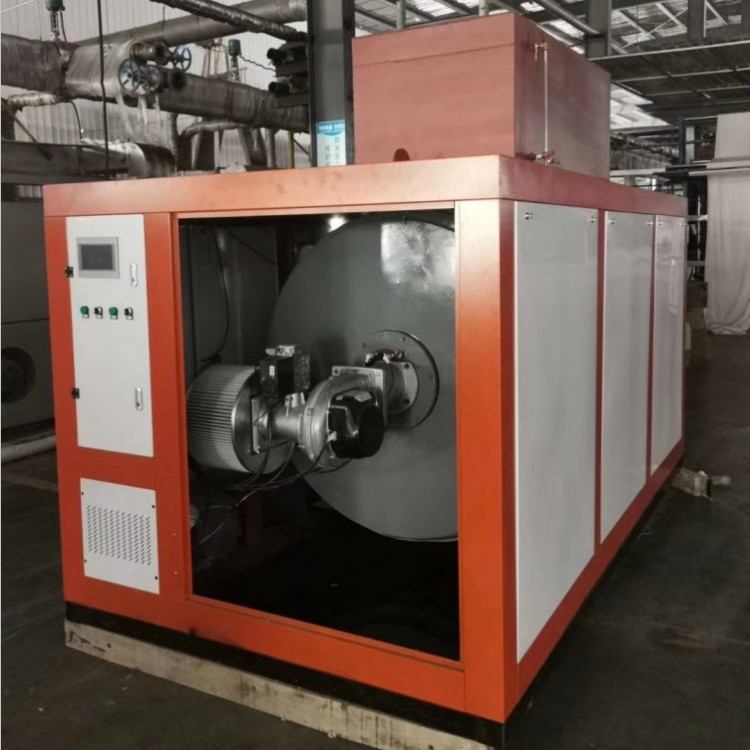


Henan Jingyu Thermal Energy Horizontal Gas Steam Boiler Introduction
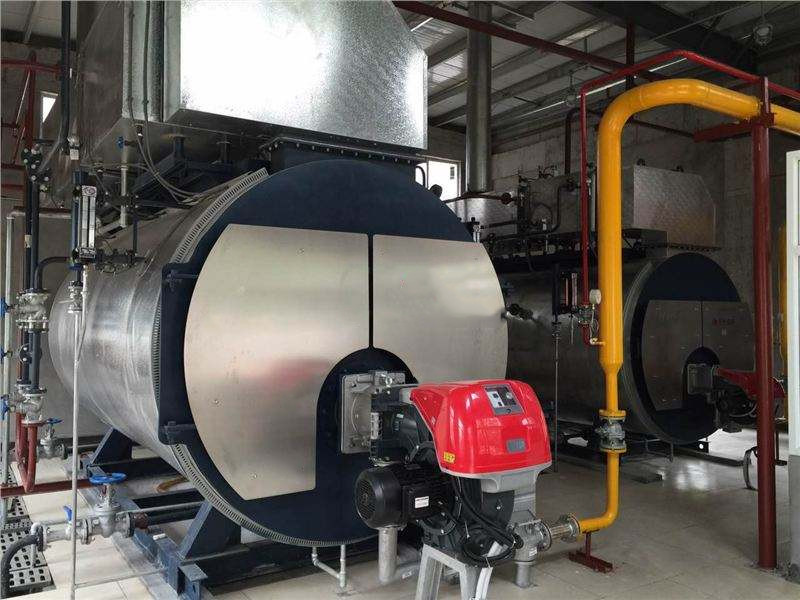
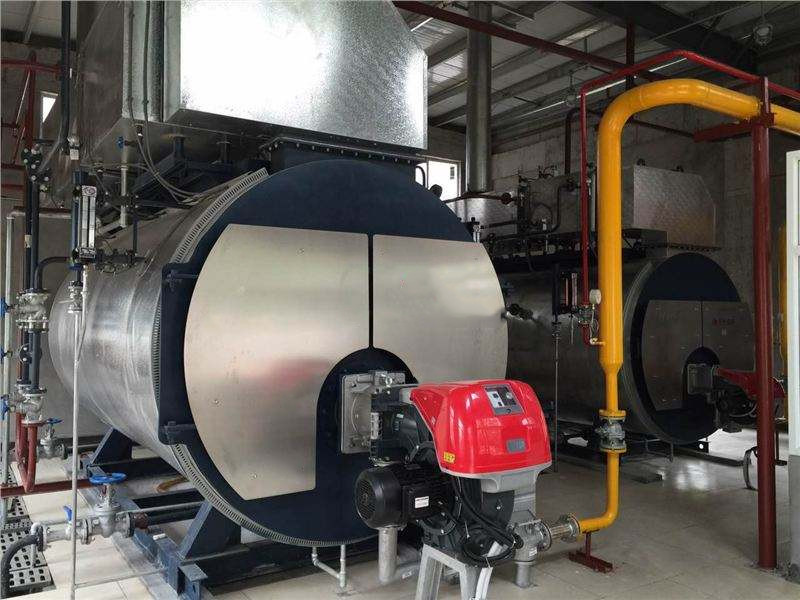
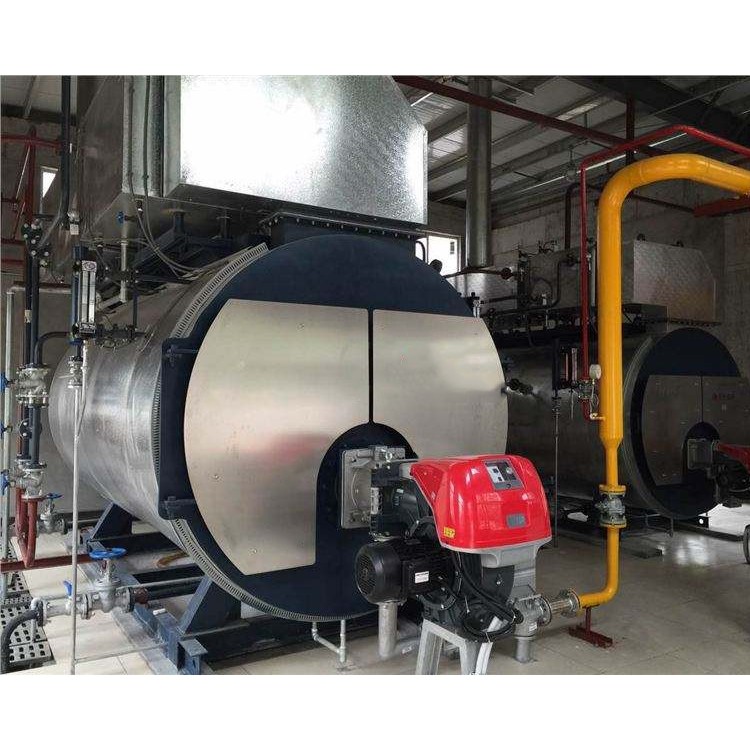
Horizontal Gas Steam Boiler refers to a steam boiler that utilizes gas combustion for heating. The vertical steam boiler features an under-mounted burner, a two-pass structure, ensuring complete fuel combustion, stable boiler operation, and minimal space usage. Additionally, the flue pipes are equipped with turbulence baffles, which slow down the exhaust gas velocity, increase the heat exchange rate, and enhance the boiler's thermal efficiency, thereby reducing user operating costs. The horizontal steam boiler has a shell-type full-wet back streamline three-pass smoke tube structure, with flame combustion occurring at a slight positive pressure within the large combustion chamber, extending and maintaining low heat load and high thermal efficiency. This significantly reduces the exhaust gas temperature, saves energy, reduces consumption, and is more economical. It utilizes a corrugated furnace pot and threaded flue tube structure, which not only increases the boiler's heat absorption strength but also meets the requirements for heat expansion of the heat exchange surface, making it scientifically reasonable and durable.
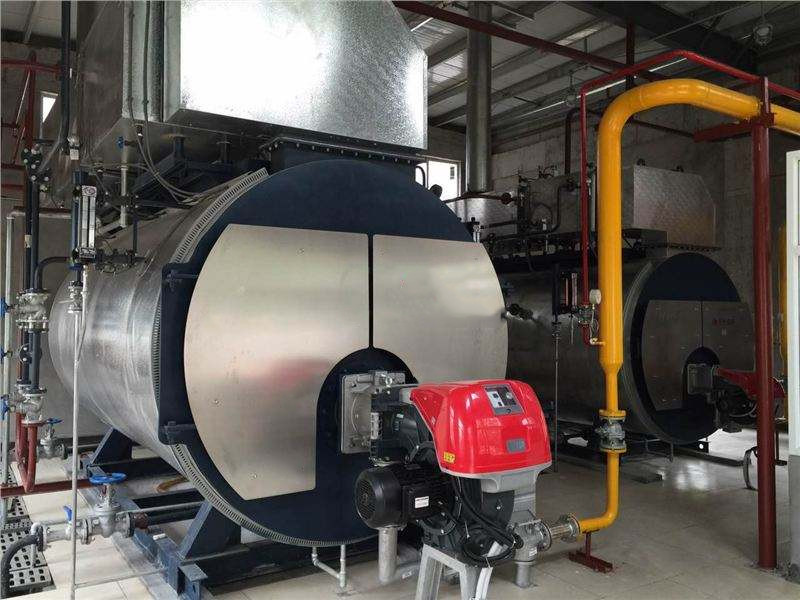
Horizontal Gas Steam Boiler Principle
Horizontal gas steam boilers are energy conversion devices that use natural gas, liquefied gas, city gas, and other gas fuels as fuel. The heat released during combustion inside the furnace is used to heat the water in the boiler, causing it to vaporize into steam. The water inside the boiler (drum) is continuously heated by the energy released from the combustion of the gas fuel in the furnace, causing its temperature to rise and generating pressurized steam. As the boiling point of water increases with pressure, the boiler is sealed, and the expansion of steam inside is restricted, creating pressure to form a thermal power. Strictly speaking, the steam in the boiler is formed by water being heated to saturation in the drum at a constant pressure and then vaporizing. As a widely used energy source, it is utilized extensively.
Horizontal Gas Steam Boiler Classification
Gas steam boilers can be categorized according to fuel type.
Natural gas steam boilers, city gas steam boilers, coke oven gas steam boilers, liquefied petroleum gas steam boilers, etc.; steam boilers can be classified into vertical steam boilers and horizontal steam boilers according to their structural forms.
Henan Jingyu Thermal Energy Horizontal Gas Steam Boiler Features
1. Henan Jingyu Thermal Energy Equipment's gas steam boiler burners are supplied by world-renowned manufacturers, operating automatically in accordance with controller instructions for combustion and shutdown. The independent programmable controller features multiple safety protections, ensuring performance safety and stability with a low maintenance rate.
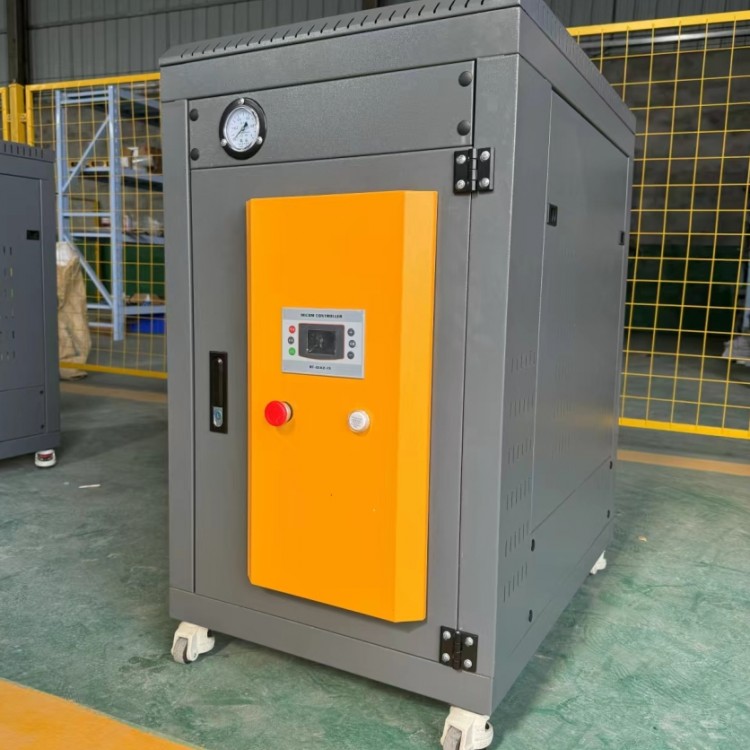
2. Advanced fully automatic steam boiler controller with full Chinese LCD screen and human-machine interface. Users can easily set up the boiler to start, stop, adjust load, and automatically supply water according to their requirements. The boiler is equipped with comprehensive functions, full protection, simple operation, and is safe and reliable with self-diagnostic capabilities. In case of any abnormal phenomena during operation, the boiler will automatically interrupt the combustion and trigger an audible and visual alarm.
3. The vertical steam boiler utilizes a bottom-mounted burner and a three-pass structure, ensuring complete fuel combustion and stable operation. The flue tubes are equipped with baffle plates to slow down the exhaust gas flow, thereby increasing the heat exchange and enhancing the boiler's thermal efficiency, reducing the user's operational costs.
4. Horizontal steam boilers feature a shell-type, fully wet back, parallel flow, three-pass flue tube structure, offering economic operation. The wave-shaped furnace tube and threaded flue tube design enhance the boiler's heat absorption strength, meeting the expansion requirements of the heat exchange surface.
5. This boiler is designed, manufactured, and inspected in strict accordance with the "Regulations for Safety Supervision of Steam Boilers," JB/T 10094-2002 "General Technical Conditions for Industrial Boilers," and JB/T 1619-2002 "Technical Conditions for the Manufacturing of Shell Boilers," ensuring superior quality, low energy consumption, high thermal efficiency, stable pressure, sufficient gas supply, and economical operation.
6. The boiler's firebox has ample space, storing more steam and exhibiting strong load adaptation capabilities. It features a well-designed internal steam-water separator to meet the user's demand for high-quality steam. The furnace body is equipped with manholes, headholes, and handholes for easy cleaning of the firebox interior, facilitating maintenance and care.
7. The boiler is equipped with multi-level interlocked safety protection: pressure switch protection (automatically shuts down and alarms at pressures above the set level), low water level protection (automatically cuts off power and alarms if the water level inside the boiler drops below the warning level), and safety valve protection (automatically releases gas and reduces pressure if the boiler pressure exceeds the working pressure), ensuring safety in all operating conditions, secure as can be.
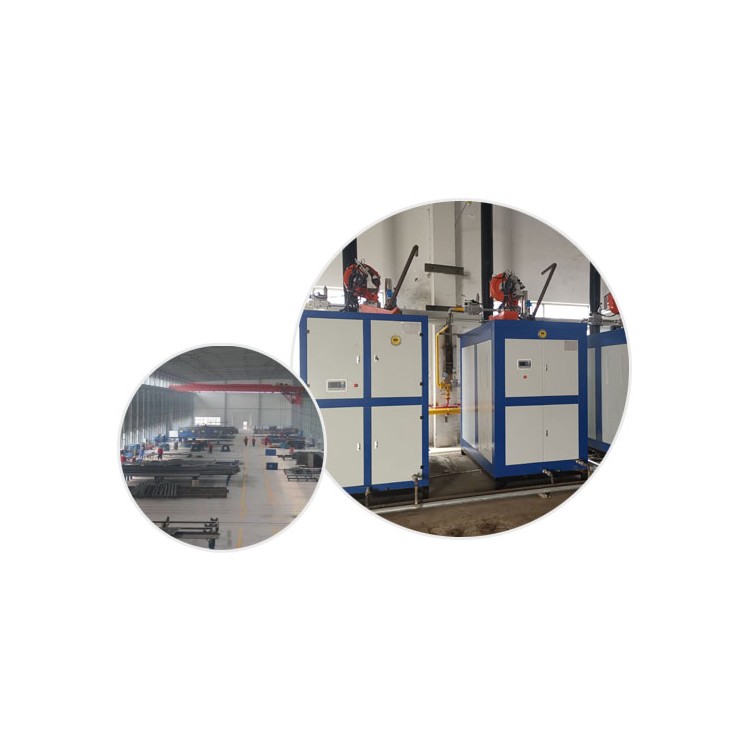
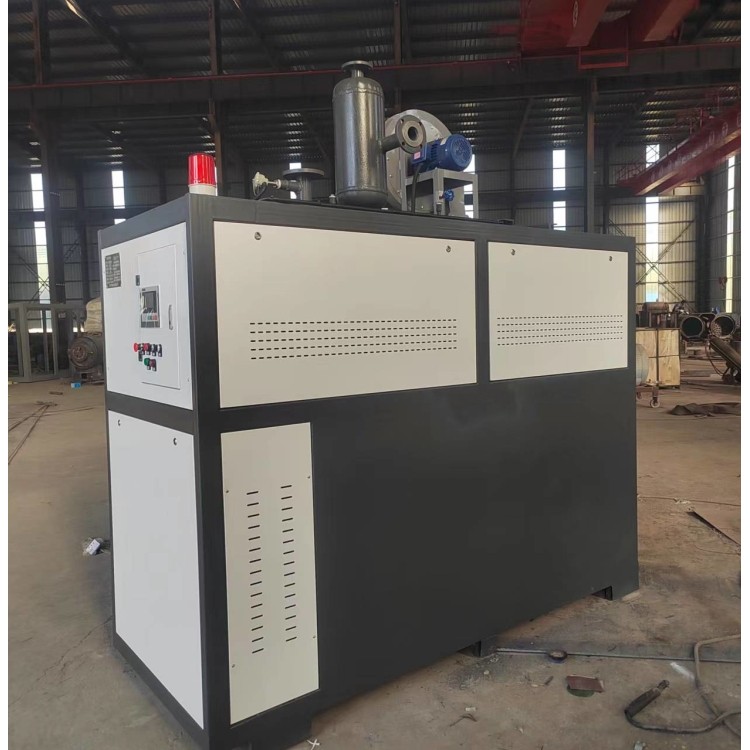
8. An integrated mechatronics appearance with an organic combination, featuring exquisite novelty, compact structure, minimal space occupation, easy transportation, and installation.
9. Utilizing new thermal insulation materials and white color steel plates for packaging, it is lightweight, has excellent thermal retention, is aesthetically pleasing, and resists corrosion.
10. Fully automatic/gas-fired steam boilers are widely used in various business establishments such as hospitals, schools, textile factories, garment factories, clothing supermarkets, clothing manufacturing plants, dry cleaning shops, restaurants, hotels, bakeries, inns, canteens, dining halls, food factories, beverage factories, bean product factories, meat product factories, canning factories, breweries, pharmaceutical factories, packaging factories, building material factories, paint factories, beauty salons, bath centers, saunas, steam rooms, baby swimming centers, and more.
Horizontal Gas Steam Boiler Usage Precautions
How to Properly Use Boilers to Ensure Safe Operation Boilers are high-temperature, high-pressure thermal equipment, one of the special equipment types, widely used in government agencies, enterprises, and various industries. They are dangerous and unique devices. In the event of an accident, involving public safety, it could cause significant losses to the country and the people's lives and property. To ensure public safety, the safety of people's lives and property, and in accordance with the State Council's "Regulations on the Safety Supervision of Special Equipment," the following precautions should be taken when using boilers:
1. Boilers should be supplied with "Design documents conforming to safety technical specifications, product quality certification, safety and maintenance instructions, and supervision and inspection evidence (safety performance supervision and inspection certificate)" upon delivery.
2. Installation, maintenance, and renovation of boilers. Units engaged in the installation, maintenance, and renovation of boilers must obtain a Special Equipment Installation and Maintenance Qualification Certificate issued by the provincial quality and technical supervision bureau before they can undertake such activities. The construction unit shall notify the municipal or district special equipment safety supervision and management department in writing of the planned installation, maintenance, and renovation before starting work, and submit the notification of commencement to the local county-level quality and technical supervision bureau for record-keeping. The construction can commence upon notification.
3. Boilers' Installation, Maintenance, and Retrofit Acceptance. After completion of the construction, the contractor must report the boiler's hydrostatic test and installation supervision to the State Quality and Technical Supervision Bureau's Special Equipment Inspection Institute. Upon passing, the State Quality and Technical Supervision Bureau, the State Special Equipment Inspection Institute, and the County Quality and Technical Supervision Bureau will participate in the comprehensive acceptance.
4. Boiler Registration. After the boiler passes the acceptance, the user must fill out the "Boiler (Census) Registration Form" according to the "Rules for Registration, Management, and Use of Special Equipment," register with the State Quality and Technical Supervision Bureau, and apply for the "Special Equipment Safe Operation Registration Certificate."
5. Boiler Operation. Operation of the boiler must be conducted by certified personnel who have completed training and obtained the "Special Equipment Operation Personnel Certificate." Strict adherence to operational procedures and the eight systems, as well as the six records, must be maintained during use.
6. Boiler Inspection. Boilers are subject to annual routine inspections, and those without regular safety inspections are prohibited from use. The safety accessories of the boiler, such as the safety valve, are to be inspected annually, and the pressure gauge is to be calibrated every six months. Safety accessories that have not undergone regular inspections are not to be used.
7. Strictly prohibited from installing atmospheric boilers as pressure boilers for use. Prohibited from using boilers that are not equipped with all three essential safety accessories: the water level gauge, safety valve, and pressure gauge.