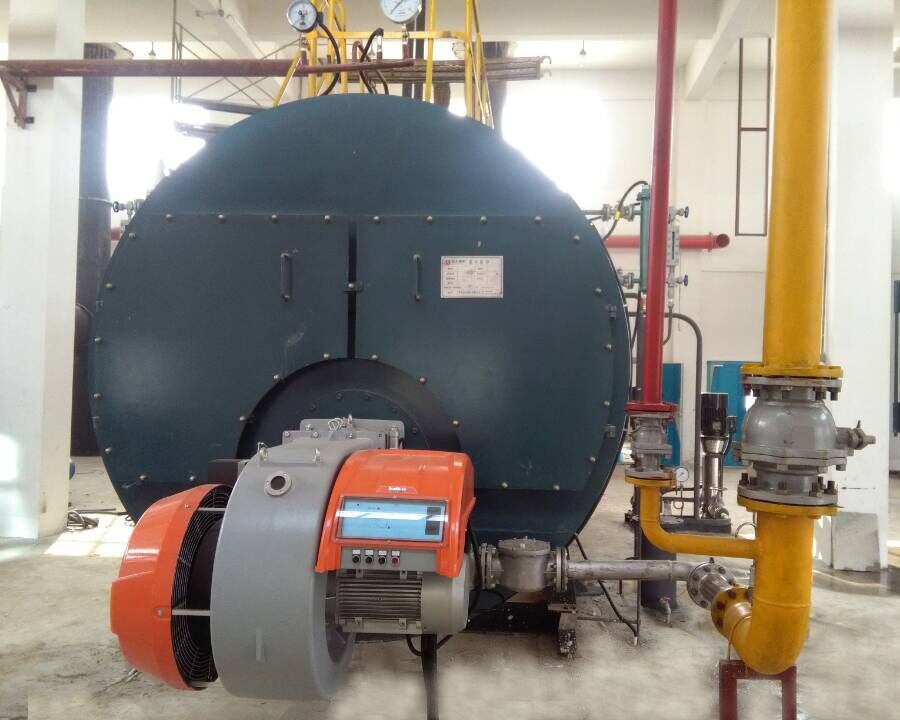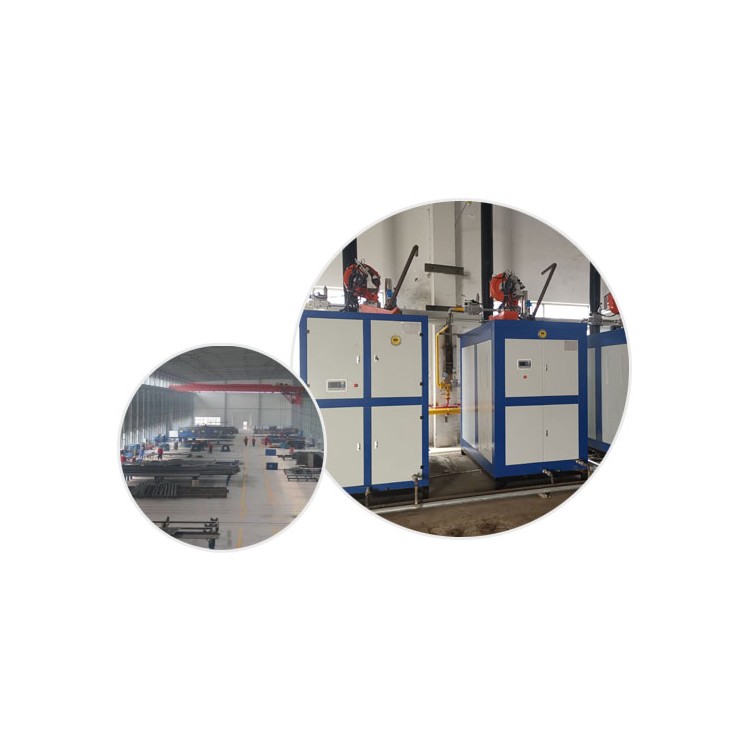

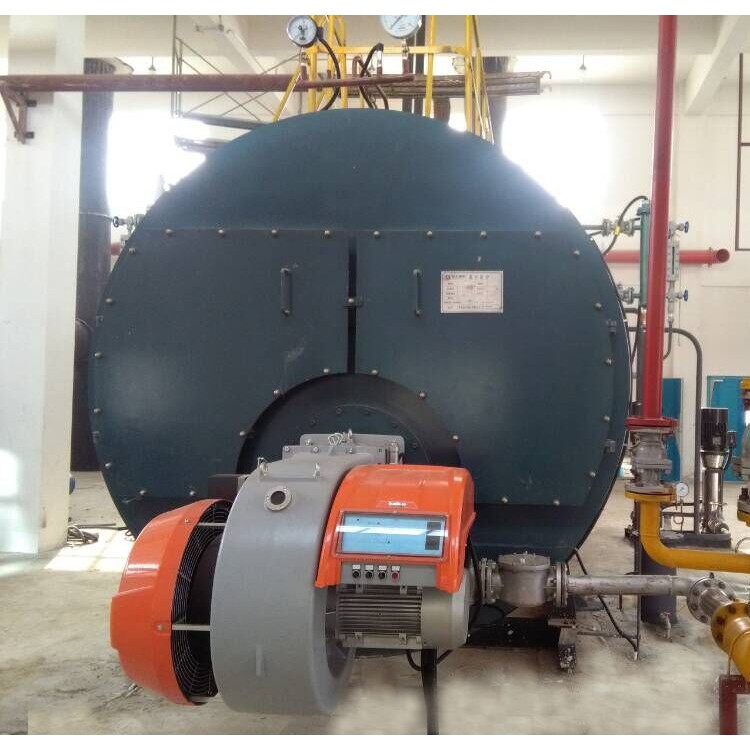


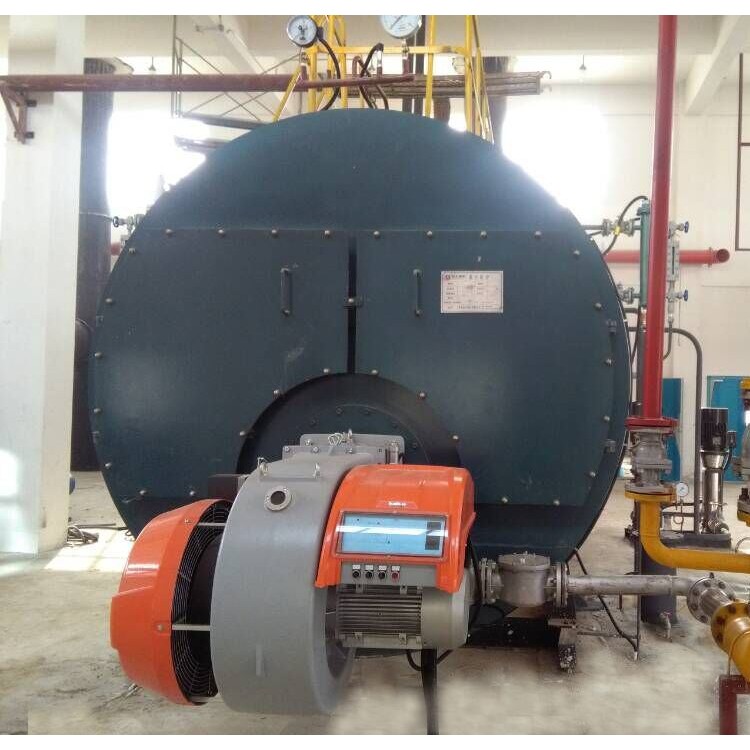












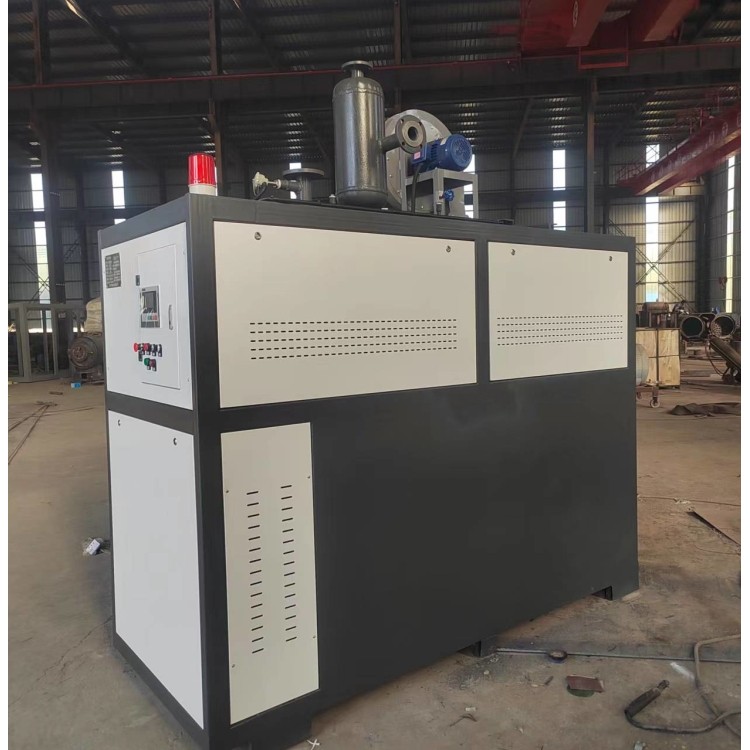

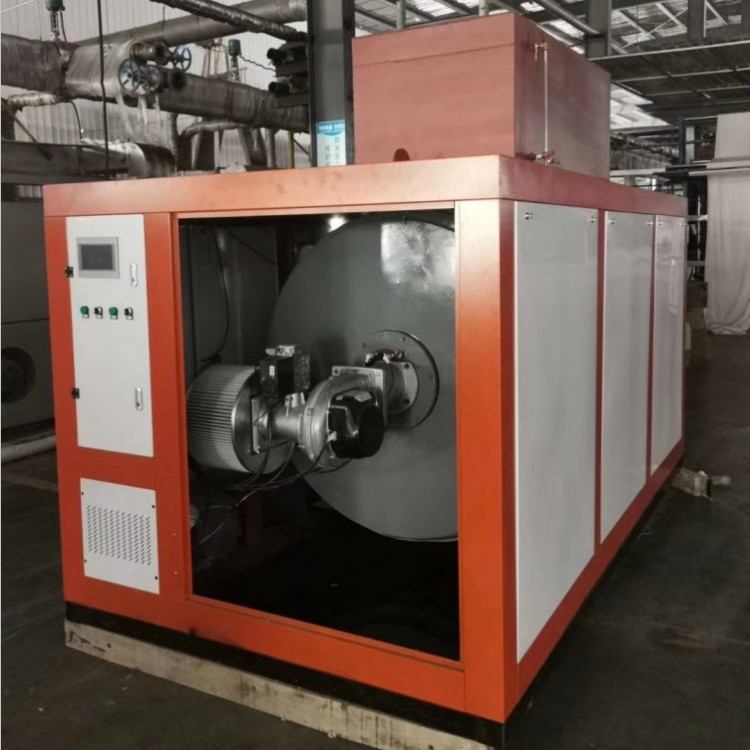


Henan Jingyu CWNS Gas-Fired Hot Water Boiler Introduction:
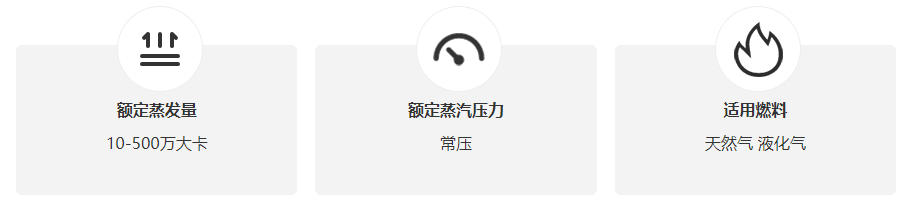
The Jingyu CWNS Gas-Fired Hot Water Boiler is a type of hot water boiler. These boilers use gas fuels like natural gas, liquefied petroleum gas, city gas, and biogas, etc., to heat water through burners, achieving both heating and providing hot water for domestic use and bathing. Known for their high level of intelligence, quick heating, low noise, and dust-free operation, they are an economical and suitable boiler option for China's national conditions.
Gas-fired hot water boilers can independently meet heating needs and supply hot water. If a heat exchanger is added to the pipeline system, the boiler can simultaneously fulfill both heating and bathing requirements.
Gas hot water boilers feature significant characteristics such as environmental protection, energy saving, safety, and automatic operation, making them extremely convenient to use. Additionally, due to their economic operation and policy encouragement, gas hot water boilers are increasingly gaining popularity.
CWNS Gas-Fired Hot Water BoilerMain Components:
Burner
The Henan Jingyu Thermal Energy Equipment Gas Burner is composed of the following 5 systems:
1. The function of the air supply system is to deliver air with a specific wind speed and volume into the combustion chamber. Its main components include: housing, fan motor, fan impeller, air gun fire tube, air door controller, air door baffle, cam adjustment mechanism, and diffuser disk.
2. Ignition System
The function of the ignition system is to ignite the mixture of air and fuel. Its main components include: ignition transformer, ignition electrode, and high-voltage ignition cable.
3. The monitoring system ensures the safe and stable operation of the burner. Its main components include flame sensors, pressure sensors, and temperature sensors.
4. Fuel System - The function of the fuel system is to ensure the fuel required for the burner's combustion. The fuel system of oil burners mainly includes: oil pipes and connectors, oil pumps, solenoid valves, nozzles, heavy oil preheaters. For gas burners, the main components are: filters, regulators, solenoid valve arrays, ignition solenoid arrays, and fuel butterfly valves.
5. Electrical Control System - The electrical control system serves as the command and coordination center for the aforementioned systems, primarily controlled by programmable controllers. Different programmable controllers are available for various burners, with common types including the LFL series, LAL series, LOA series, and LGB series. The main difference lies in the varying time steps of each program.
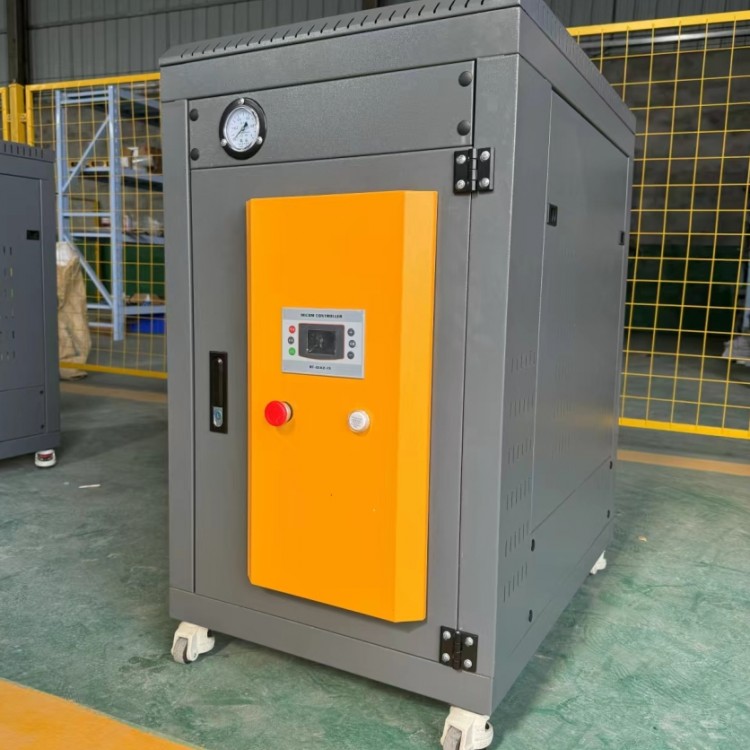
Boiler Controller
1. Super-large Chinese LCD display with built-in incandescent night light, ensuring clear visibility of the screen content day or night.
2. The image animation displays the water level, heating, pump valve, and alarm status, making the boiler operation clear at a glance.
3. CPU intelligent central processing unit, all programs are concentrated on a single digital chip, featuring strong expandability, high level of automation, ease of operation, and powerful functions.
4. Equipped with various control functions including time setting, temperature setting, pump valve setting, continuous setting, timer setting, and pressure setting, allowing for any desired working state configuration.
5. Equipped with low-water level alarms (preventing dry burning), over-temperature water alarms, and over-pressure alarms, among other alarm functions, along with interlock protection capabilities (shutdown), to eliminate potential safety hazards. 6. Detailed self-diagnosis, recording, and storage of alarm information, allowing for easy and immediate review of alarm conditions, and convenient inspection and maintenance.
Categories of gas hot water boilers:
Vertical gas-fired hot water boilers and horizontal gas-fired hot water boilers can be classified by structure; gas heating and hot water boilers and gas bathing hot water boilers by use; atmospheric pressure gas-fired hot water boilers and pressure-bearing gas-fired hot water boilers by construction; and natural gas hot water boilers, city gas hot water boilers, biogas hot water boilers, liquefied gas hot water boilers, etc., by fuel.
Categories of CWNS Gas-Fired Hot Water Boilers:
The horizontal gas-fired hot water boiler features a three-pass shell-type, full-wet-back structure. All pressure-bearing components are symmetrically arranged around the boiler drum's center. The boiler utilizes a full-wet-back design, with a large inner cylinder and eccentric firebox structure, which is advantageous for expanding the radiation heating surface area. The convective heating surface is composed of tubes in two-pass and three-pass configurations. The front smokebox is formed by the two-pass and third-pass bends of the smoke chamber, with the exhaust gas temperature below 500°C. Consequently, the front smokebox is constructed with lightweight refractory insulation material. The rear smokebox's exhaust gas outlet is positioned along the longitudinal axis of the cylinder, not only shortening the boiler length but also avoiding condensate corrosion on the boiler body when the boiler starts or stops. The design of this boiler primarily considers principles of maintenance and stability. The mixing device installed at the return water inlet of the boiler washes the tube bundles first and then contacts the furnace shell, enhancing the temperature of the return water contacting the furnace shell. This prevents the occurrence of localized supercooling boiling.
Industrial boilers are one of the commonly used equipment in the industrial production field. However, if the boiler water contains hardness salts such as calcium and magnesium ions, scale will form on the boiler's heating surface, thereby reducing the boiler's thermal efficiency, increasing fuel consumption, and potentially causing local overheating, damaging components, or even triggering explosions. Therefore, industrial boilers require water softening or desalination treatment. (In industry, water with a hardness of less than 1 is generally considered soft, while water with a hardness between 1 and 10 is commonly referred to as hard water, and water with a hardness greater than 10 is often called high-hard water.) In China, the failure rate of industrial boilers in operation due to water quality issues reaches 25%. This is because traditional water softening treatment equipment is complex to operate, has poor reliability, and a high failure rate. The equipment is often in an abnormal working state for a long time, and water quality is not guaranteed, leading to a high failure rate and short lifespan of the boilers.
Tags: Ultra-Low Nitrogen Gas-Fired Hot Water Boiler, Gas-Fired Hot Water Boiler