








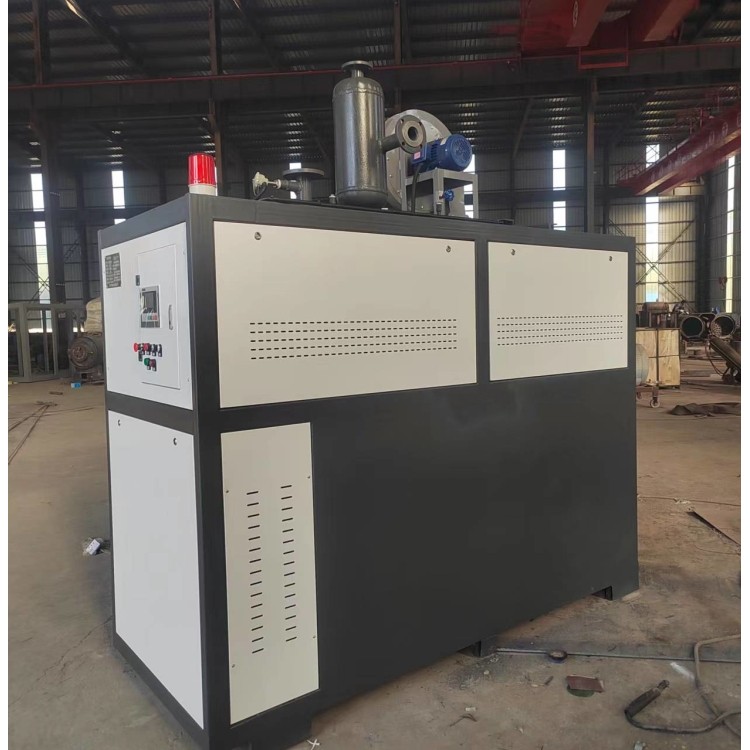

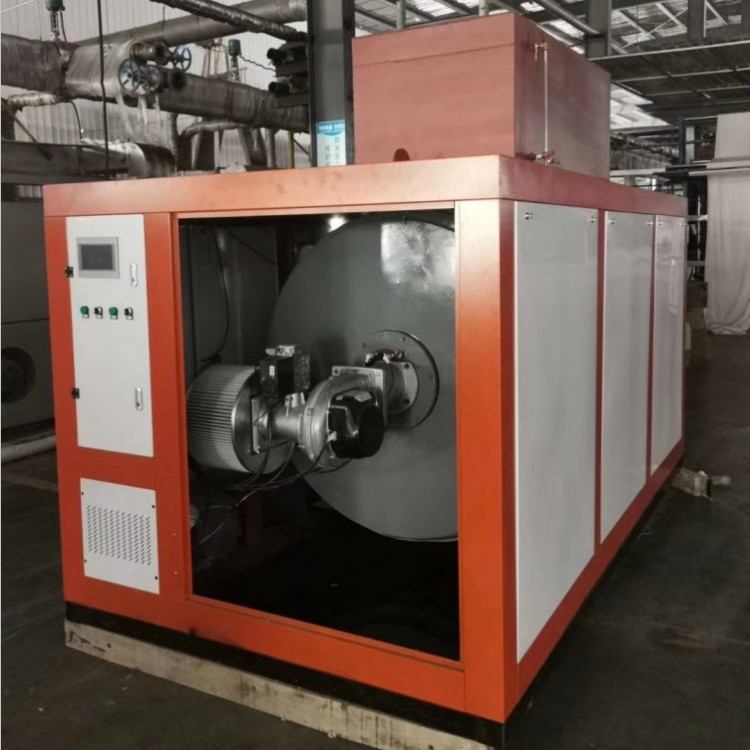


Introduction to LRF Series Hot Air Furnaces
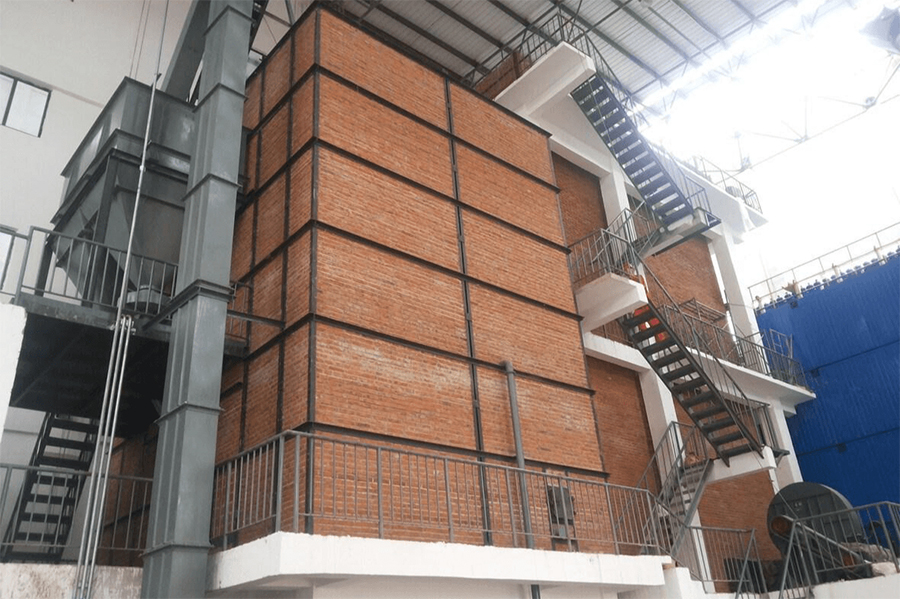
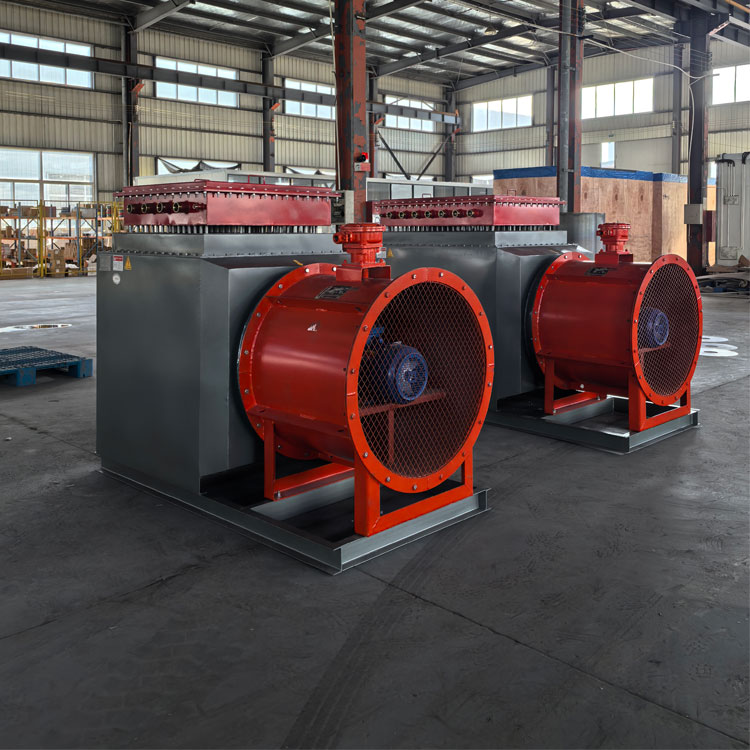
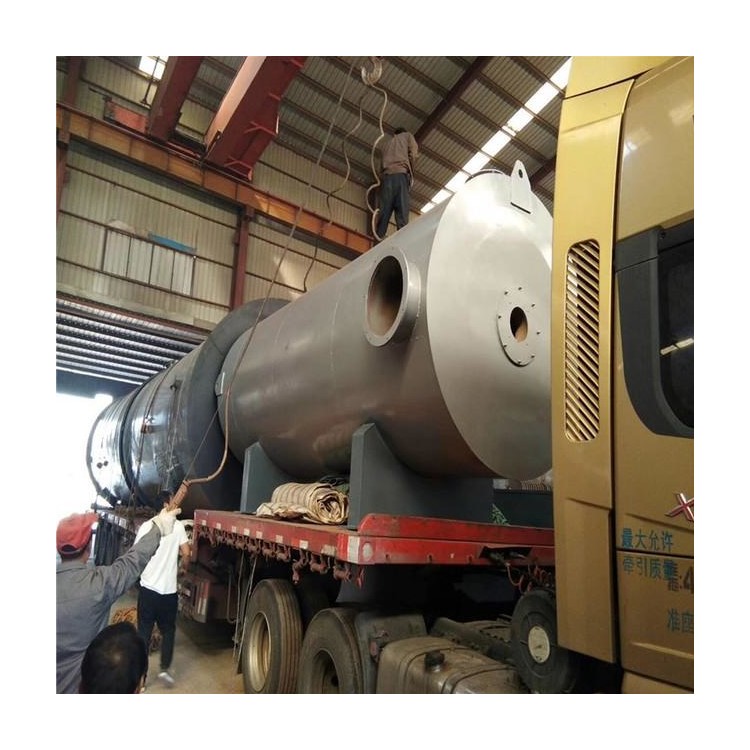
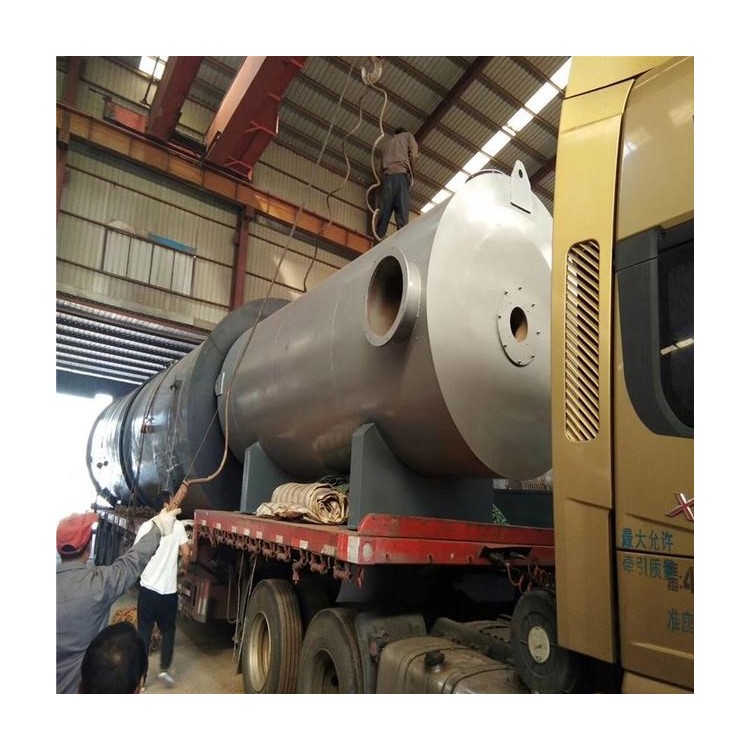
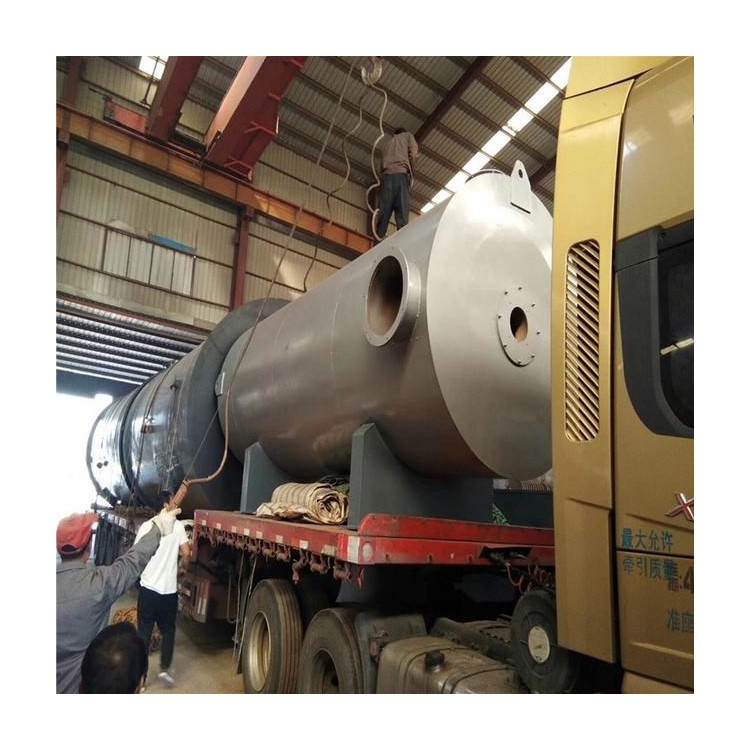
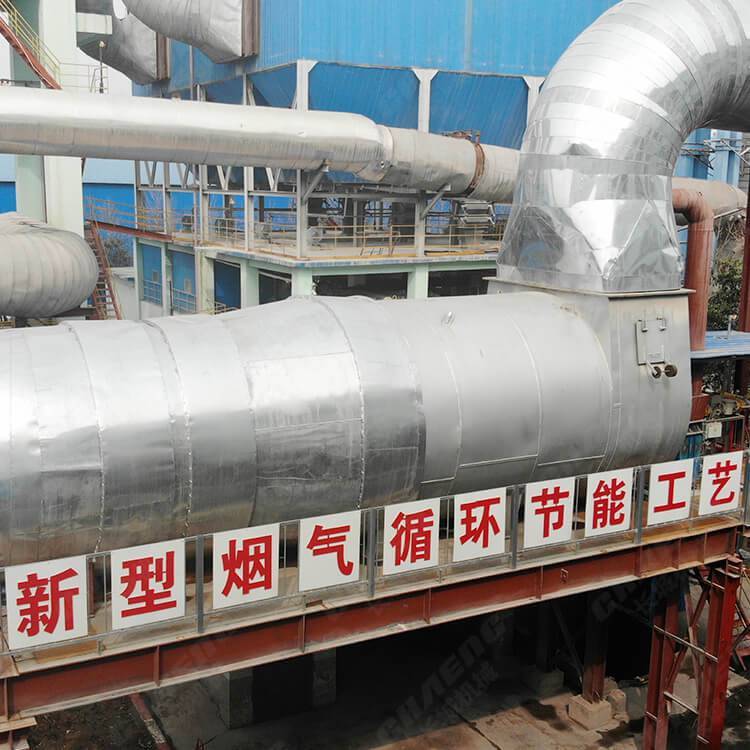
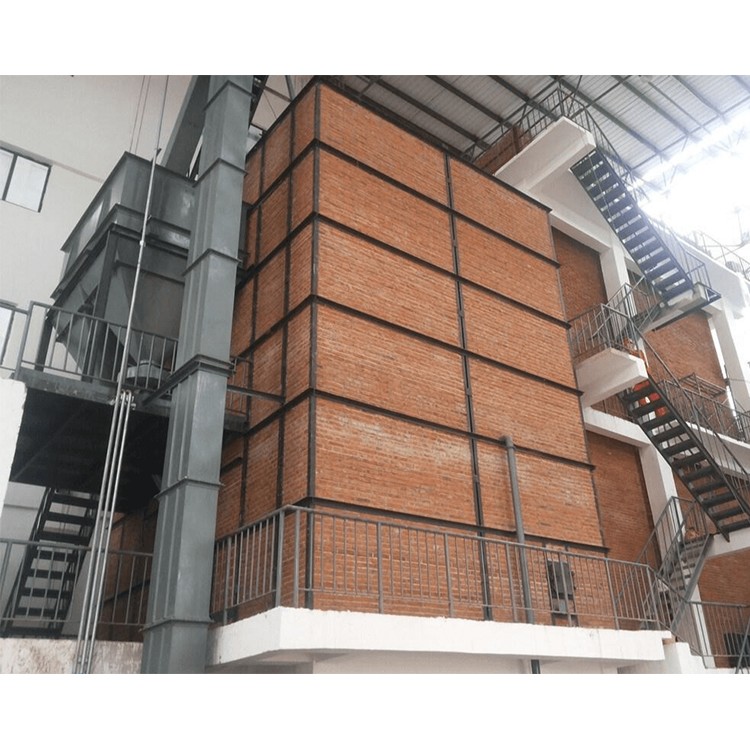
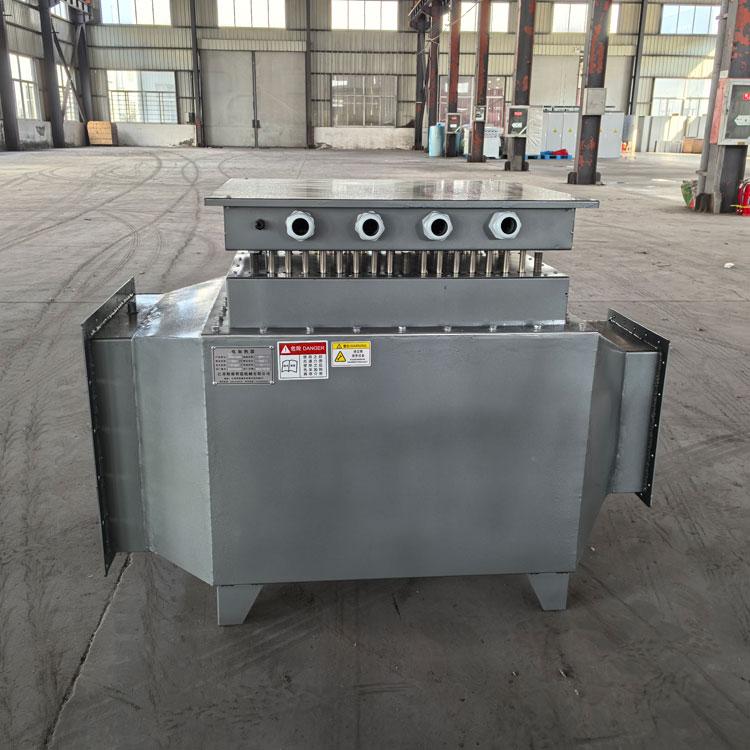
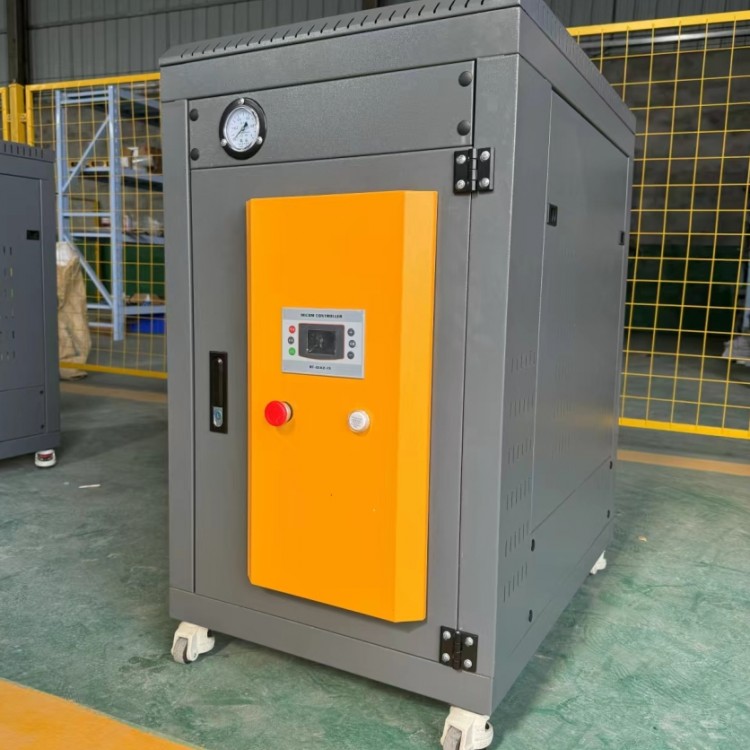
The LRF series hot air furnace is a new generation of heating equipment. It employs multi-head spiral fin heat exchange technology, integrating combustion and heat exchange into a single unit for compact structure and rational layout. The furnace boasts high heat exchange intensity, fast temperature rise, and high thermal efficiency. It features small land occupation, easy installation and operation, clean hot air, and stable performance. Utilizing indirect heat transfer technology, it uses clean air as the heat transfer medium, providing an ideal direct heat source for heating processes across various industries. The heating temperature is available in three grades: low (80~150℃), medium (200~300℃), and high (400~550℃), allowing customers to select freely based on their drying requirements. This product is widely used for drying, spraying, and dehydration of various materials in industries such as chemicals, food, medicine, tobacco, ceramics, and building materials. It can also be used for heating in buildings like factories, auditoriums, farm sheds, and animal houses, as well as for dehumidification or temperature rise in underground mines and engineering sites.
Operation Principle of LRF Series Hot Air Furnace
The combustion chamber of this hot air furnace is integrated with the heat exchanger, featuring a full-steel plate multi-layer sleeve structure. The lower part of the furnace core is the combustion chamber, while the upper and surrounding areas are ring-shaped heat exchangers. Both air and flue gas flow in a double-loop, each conducting heat exchange independently. To enhance thermal efficiency, a multi-head helical blade heat exchange technology and turbulent flow principles are employed to thin the laminar flow thickness, causing the air and flue gas to continuously change their rotational direction as they move, significantly enhancing the heat exchange effect. The main working process involves burning coal in the furnace chamber to produce high-temperature flue gas, which, under the action of the fan, enters the flue ring and undergoes heat exchange with the outside air. Afterward, it is discharged through the flue and chimney. Cold air is blown into the outer shell of the hot air furnace by the blower, flows into the outer air ring of the furnace chamber through the furnace top, and is supplied to equipment requiring clean hot air through the hot air outlet pipeline.
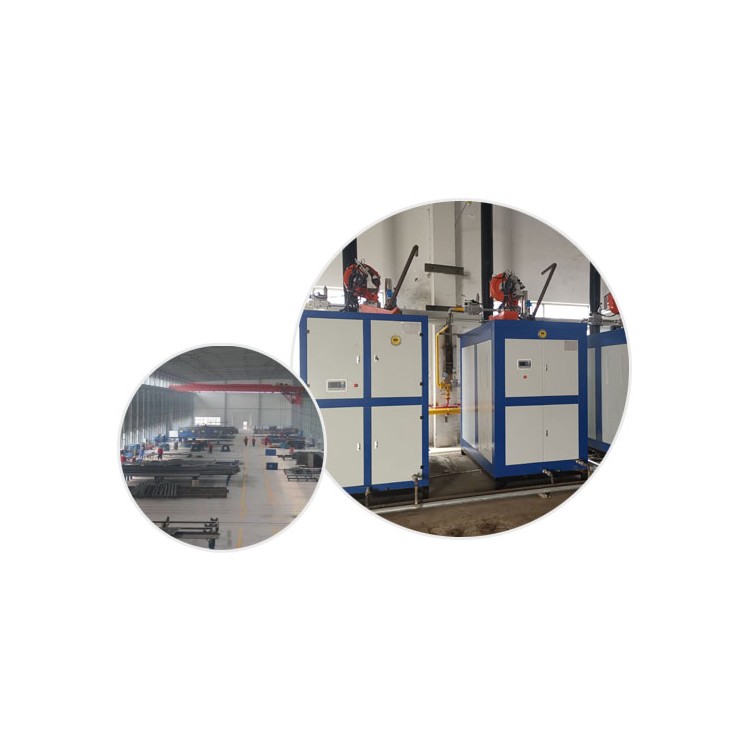
Self-developed and manufactured integrated heat exchanger gas hot air furnaces and oil hot air furnaces are ideal hot air equipment for drying, reaction, calcining, and heating applications. They can be paired with various drying equipment, providing high-purity hot air at different temperatures for drying systems. These furnaces can burn natural gas, city gas, coalbed methane, gas, coal gas, light diesel oil, bio-oil, and residual oil/Heavy oil.
Heat exchanger gas hot air furnace and fuel hot air furnace are mainly composed of a burner and a tube bundle heat exchanger. They offer three heating methods: low temperature, medium temperature, and high temperature.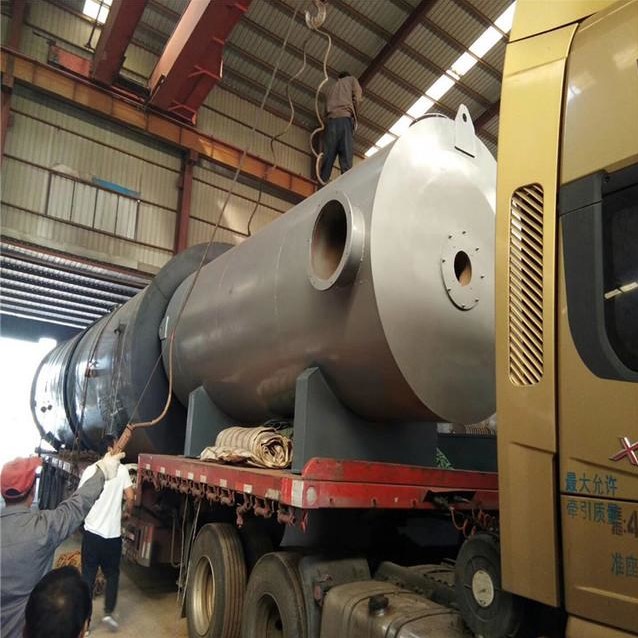
Application Range of Hot Blast Furnace
Ceramics: Ceramic Green Sand (Polished Tiles), Glaze, Pottery, Kaolin, etc.
Fertilizers: Compound fertilizer, monoammonium phosphate, diammonium phosphate, potassium chloride, potassium sulfate, magnesium potassium sulfate, etc.
Chemical Products: Potassium fluoride, dyes, calcium chloride, aluminum oxide, zinc oxide, fluorspar powder, etc.
Feeds: Distiller's grains, pellet feed, calcium hypophosphite, etc., feed additives
Water Purification Agents: Aluminum Chlorohydrate, Ferric Sulfate, etc.
Building Materials: Ceramic Fiber, Insulation Boards, Insulation Wool, Ultra-fine Powders, Desulfurized Gypsum, Quartz Sand, etc.
Environmental Protection: Papermaking black liquor (lignin), sludge drying, phosphogypsum, waste liquid treatment, solid waste residue, etc.
Equipment Technical Specifications
| Name | ZLRF-10 | ZLRF-20 | ZLRF-20 | ZLRF-40 | ZLRF-60 | ZLRF-80 | ZLRF-100 | ZLRF-120 |
| Heat Efficiency (%) | 70 | 70 | 70 | 70 | 75 | 75 | 75 | 75 |
| Hot Air Outlet Temperature (°C) | 200-300 | 200-300 | 200-300 | 200-300 | 200-300 | 200-300 | 200-300 | 200-300 |
| Supply Heat Rate (MW) | 0.12 | 0.24 | 0.35 | 0.47 | 0.7 | 0.93 | 1.17 | 1.4 |
| Airflow Nm3/H | 3297-2198 | 3847-3572 | 5447-3912 | 6445-7513 | 6786-7532 | 7813-8685 | 8867-9984 | 10556-12370 |
| Coal Consumption (Kg/H) | 27 | 54 | 85 | 108 | 162 | 211 | 260 | 320 |
| Power Consumption (KW) | 7.2 | 9 | 11 | 22 | 24 | 24 | 30 | 37 |
| Design Fuel | Coal or biomass | |||||||
| Diameter (mm) | 1220 | 1500 | 1750 | 1840 | 1850 | 2100 | 2340 | 2500 |
| Reference Weight (t) | 1.3 | 1.6 | 2.3 | 3.8 | 4.2 | 5.2 | 6.4 | 8 |