









In industrial production and construction environments, anti-corrosion measures are a crucial element for ensuring the long-term stable operation of structures and equipment. Walls, often exposed to extreme conditions such as humidity, chemical agents, and temperature variations, particularly require effective anti-corrosion measures. This article will detail the necessity of wall anti-corrosion construction, preparation work, construction techniques, acceptance standards, and maintenance.
Section II: The Necessity of Wall Corrosion Prevention Construction
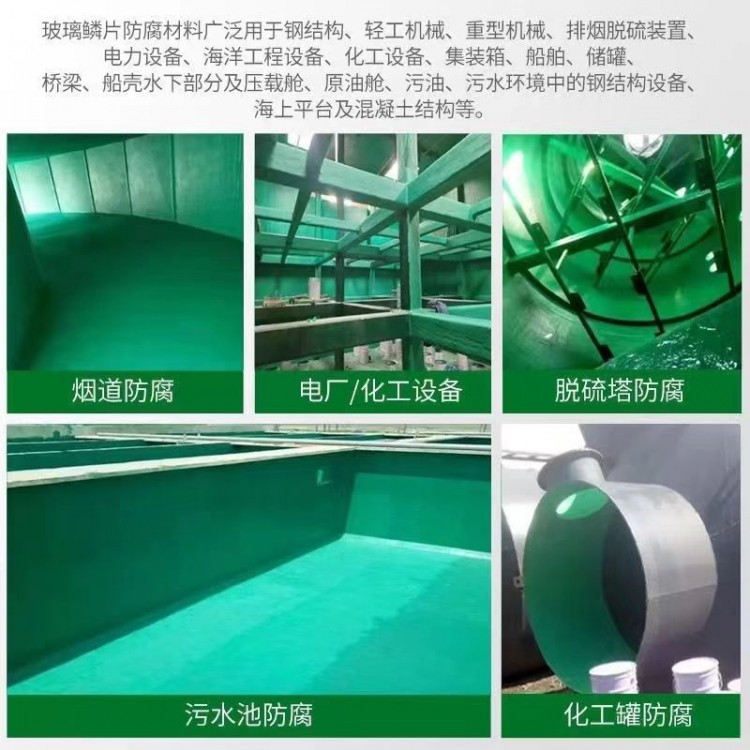
Walls, as a crucial component of buildings, directly impact the durability and safety of the structure. Especially in industries like chemicals and metallurgy, where walls often come into contact with corrosive substances like acids and alkalis, failure to apply anti-corrosion treatment can lead to rapid aging of the wall materials, potentially causing safety hazards. Anti-corrosion construction can effectively extend the lifespan of walls, reduce maintenance costs, and ensure the safety of equipment and structures.
III. Preparations for Wall Corrosion Prevention Construction
On-site inspection
Prior to construction, technicians must conduct a detailed survey of the construction site, recording the material of the walls, the extent of damage, and environmental factors (such as humidity and temperature) to provide data support for subsequent construction.Material Selection
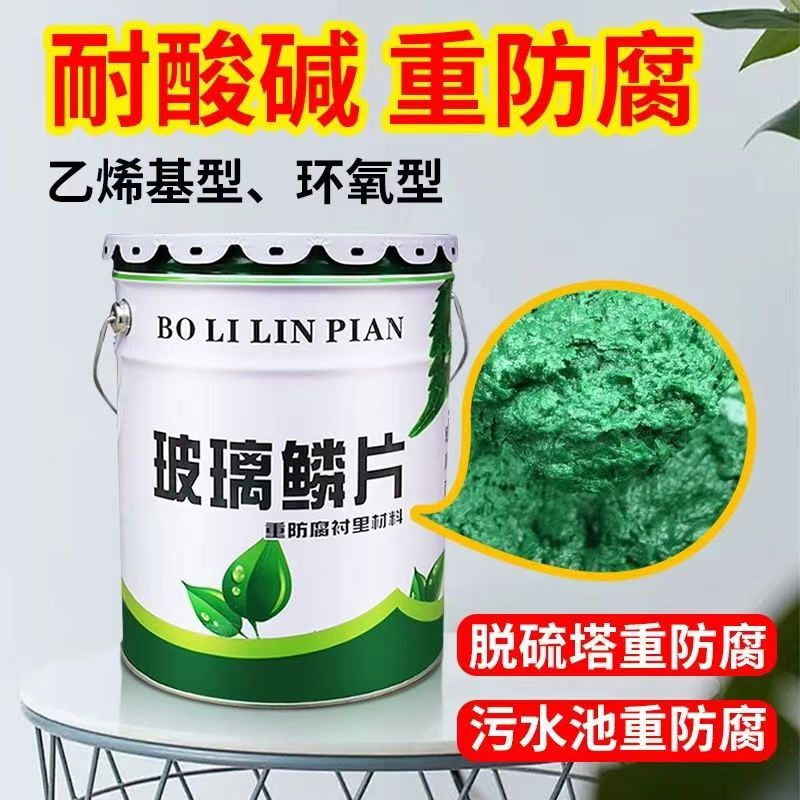
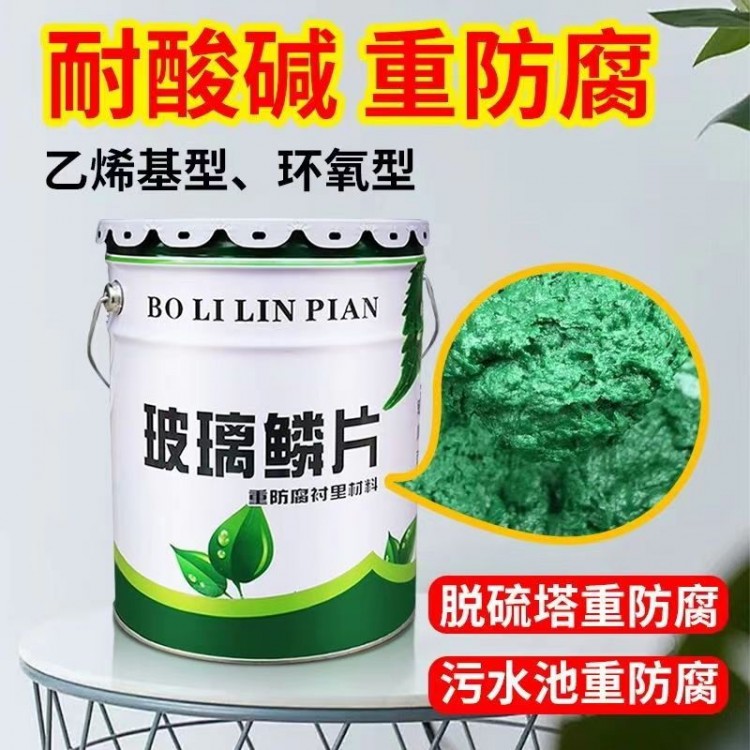
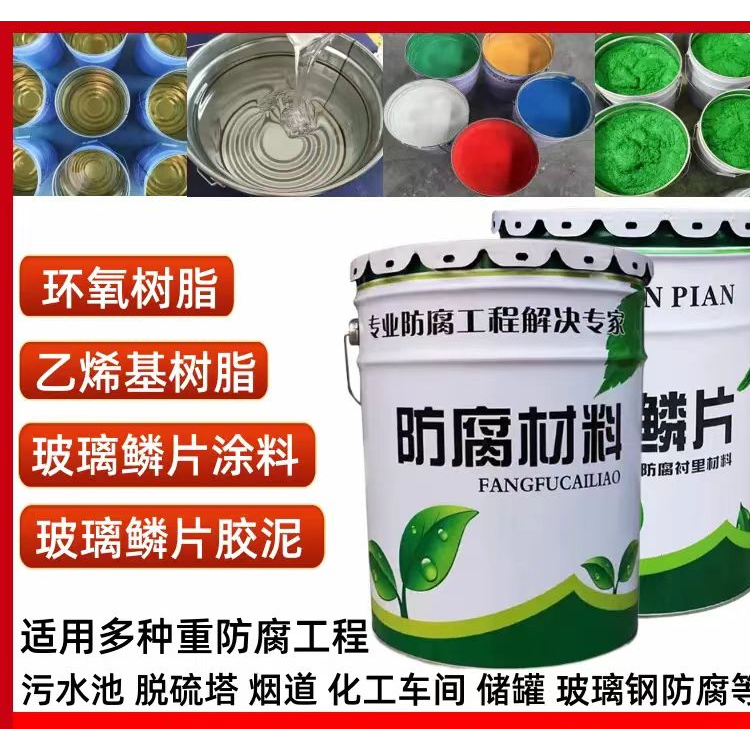
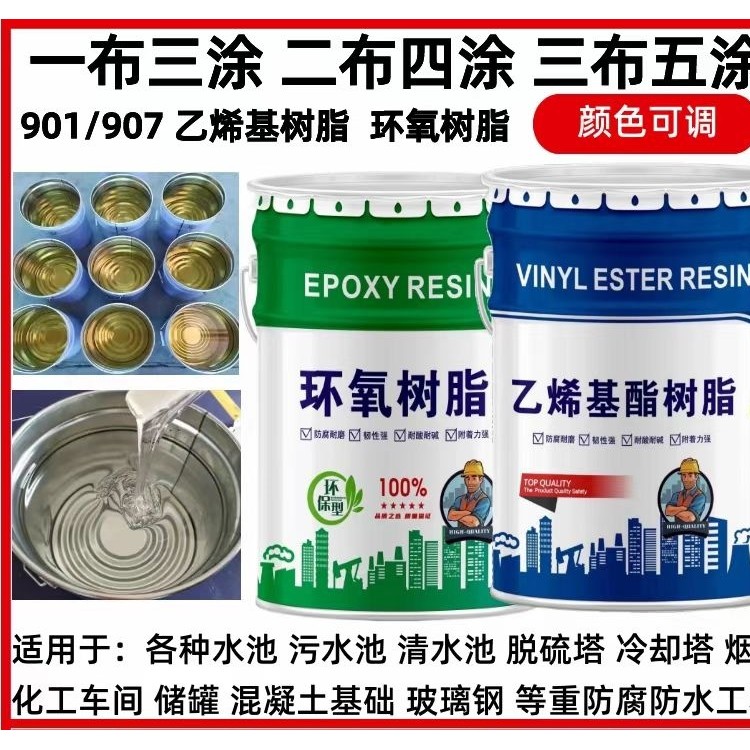
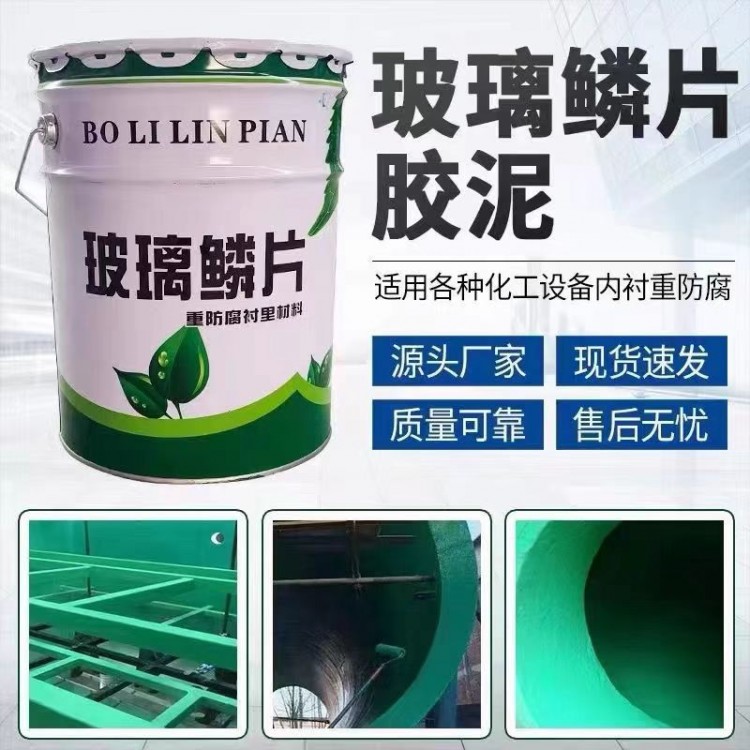
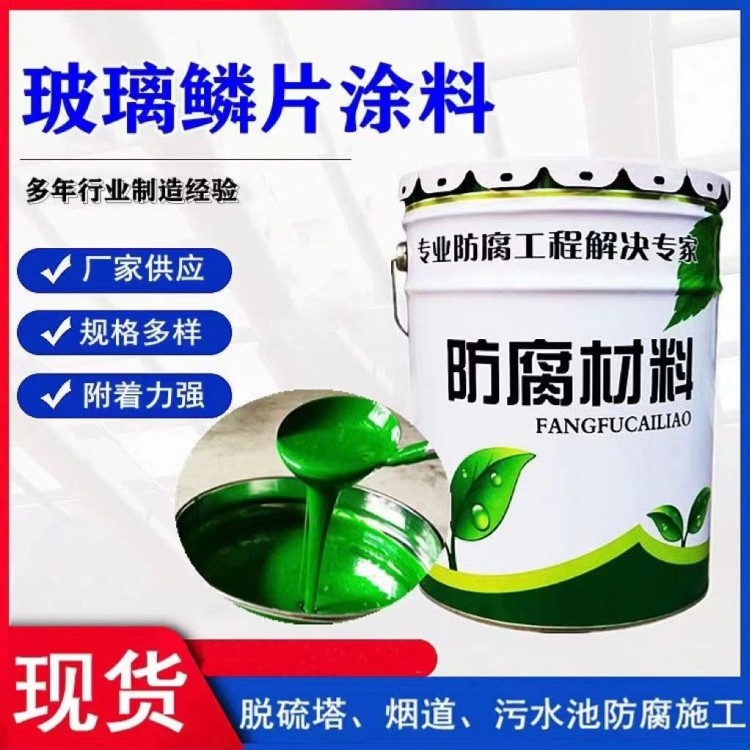
Selecting the appropriate anticorrosive material is crucial for construction. Common anticorrosive coatings include epoxy resin coatings, polyurethane coatings, and glass flake coatings, among others. They must be chosen based on the specific requirements of the wall, the environment of use, and economic factors.Construction tool preparation
Prepare construction tools and equipment such as sprayers, brushes, rollers, sandpaper, cleaning tools, etc. Also, ensure you have complete personal protective equipment, including gloves, masks, and safety goggles.Surface preparation
Before construction, the walls must be cleaned to remove surface oil stains, dust, rust, and peeling coatings. For severely worn and corroded areas, methods such as sanding, shot blasting, or chemical cleaning can be employed for treatment.
Section 4: Wall Corrosion Prevention Construction Technique
Undercoat application
After the base surface treatment is completed, apply one coat of primer first. The primer not only enhances the adhesion of the coating but also seals the tiny holes in the wall to prevent moisture penetration. The primer can be applied by spraying, brushing, or rolling.Mid-layer coating
After the primer dries, apply the intermediate coat. The intermediate coat primarily enhances the coating thickness and improves corrosion resistance. Apply one to two coats as required by the construction specifications to ensure even coverage. Each coat must be fully dried, typically requiring a 6-8 hour interval between coats.Surface Paint Coating
After intermediate layer construction is completed, apply the topcoat. The topcoat not only serves as a corrosion protector but also enhances the wall's aesthetics and wear resistance. The application method and drying time of the topcoat may vary depending on the type of paint, so please follow the product manual for instructions.Maintenance and Inspection
After painting is completed, the coating must be maintained. The curing period is generally 7 days during which the coating must remain dry and well-ventilated, preventing moisture and external contamination. Additionally, conduct regular coating inspections to ensure its corrosion-resistant effect.