







With technological advancements, glass fiber reinforced plastics (GFRP) are widely used in aquariums, industrial storage tanks, scientific research, and experiments. Simultaneously, GFRP is considered an ideal container due to its excellent transparency, resistance to acids and alkalis, and chemical stability. However, prolonged use exposes the internal and external environments of glass tanks to numerous corrosive challenges, particularly in the aquarium and chemical industries. This article will discuss anti-corrosion techniques for glass tanks, including common types of corrosion, anti-corrosion materials and coatings, construction methods, and maintenance and inspection.
I. Types and Causes of Corrosion
Chemical Corrosion
Acid and alkali corrosionGlass is resistant to acids and alkalis, but it may still experience slight corrosion in environments with strong acids or alkalis, especially at high temperatures or high concentrations.
Salt corrosionSaltwater environments, particularly marine environments, can erode glass surfaces, affecting their physical properties.
Physical Corrosion
Mechanical wearDuring loading, unloading, handling, or use, the glass tank surface may be scratched or impacted, resulting in surface damage.
Biological corrosion
BiofoulingIn an aquarium, the growth of aquatic plants, algae, and bacteria can lead to surface contamination, affecting light transmission and water quality.
Section II: Corrosion-Resistant Materials and Coatings
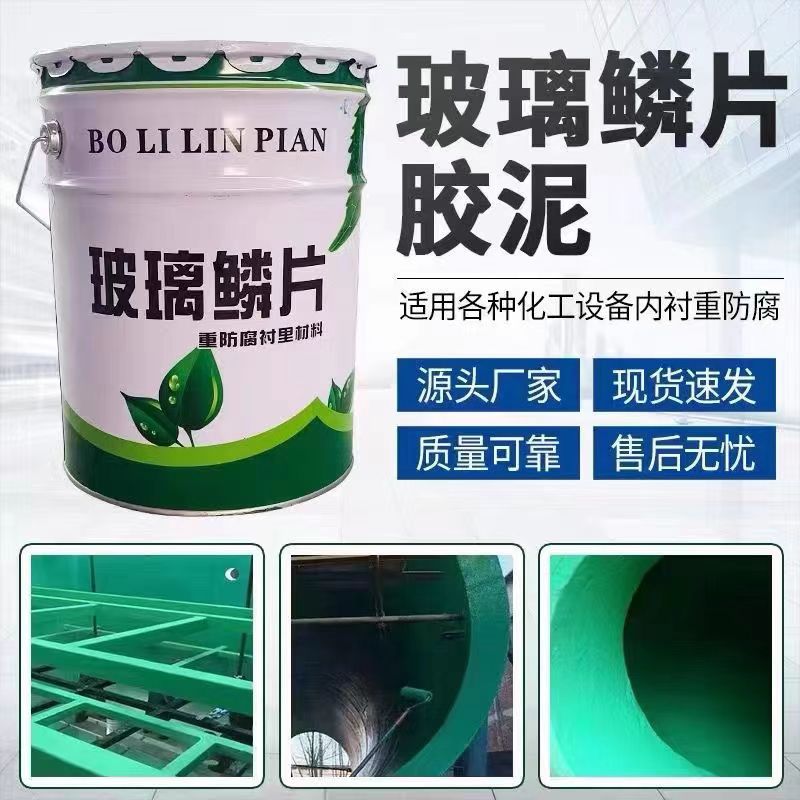
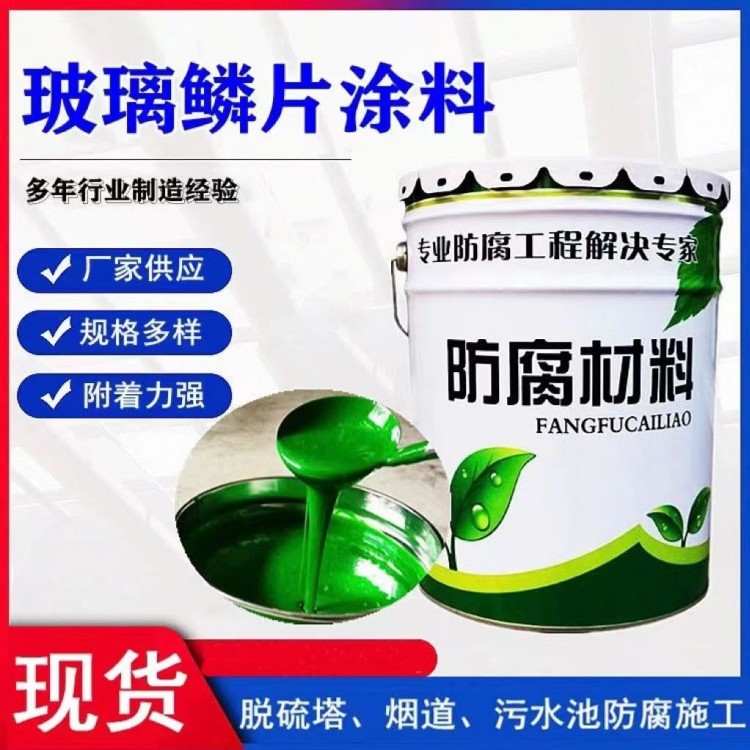
When using fiberglass for corrosion protection, selecting the appropriate materials and coatings is crucial. The following are commonly used types of corrosion-resistant coatings:
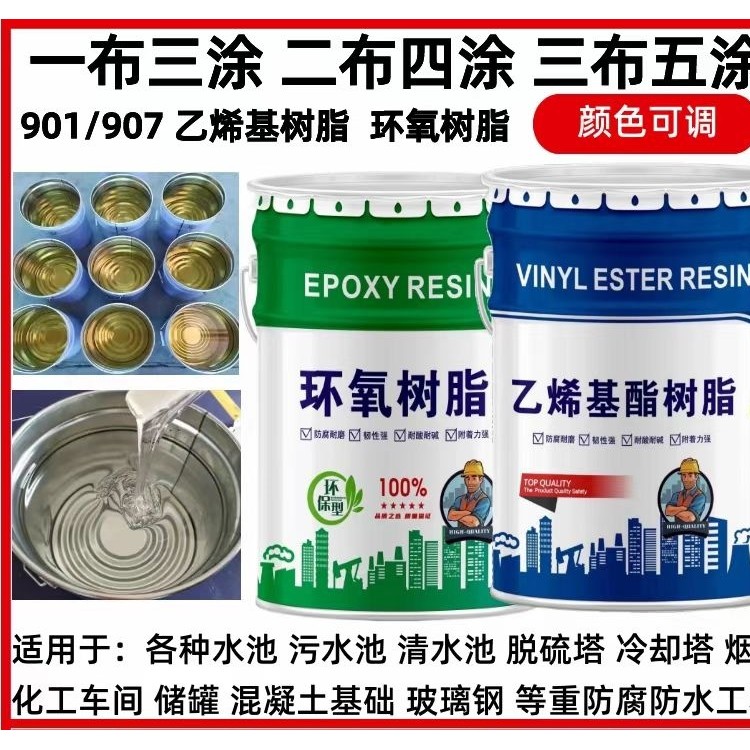
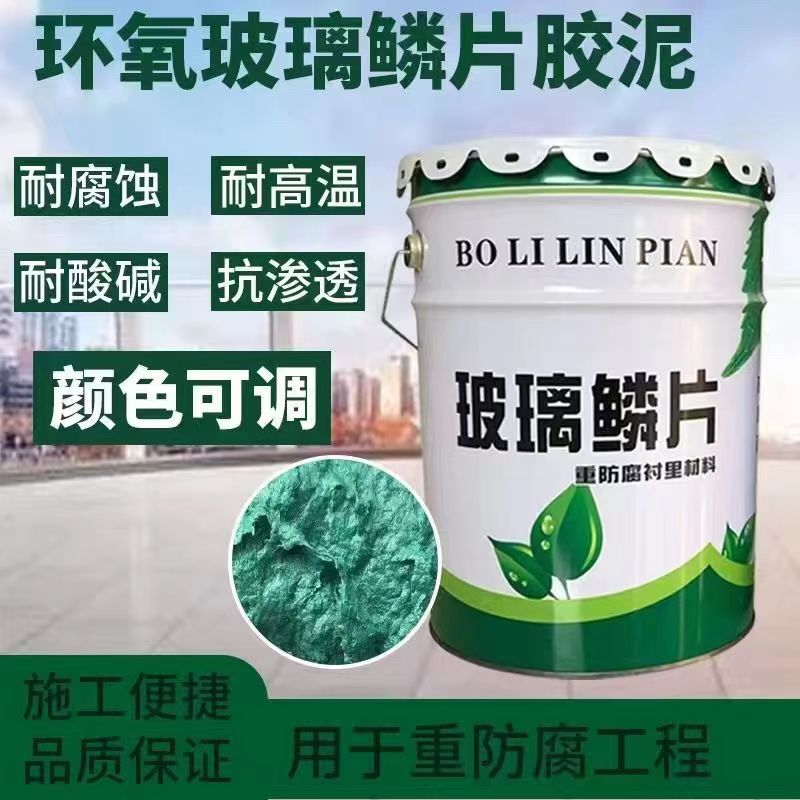
Epoxy resin coating
Features: The epoxy resin coating boasts excellent adhesion and chemical resistance, suitable for both internal and external protection of glass tanks.
Application: Generally used as the lining for aquariums and industrial storage tanks, effectively preventing chemical erosion.
Polyurethane Coating
Features: Wear-resistant and weather-resistant, suitable for the external walls of glass tanks subject to significant mechanical pressure.
Applications: Commonly used for outdoor exposed glass tanks, ornamental plant pools, etc.