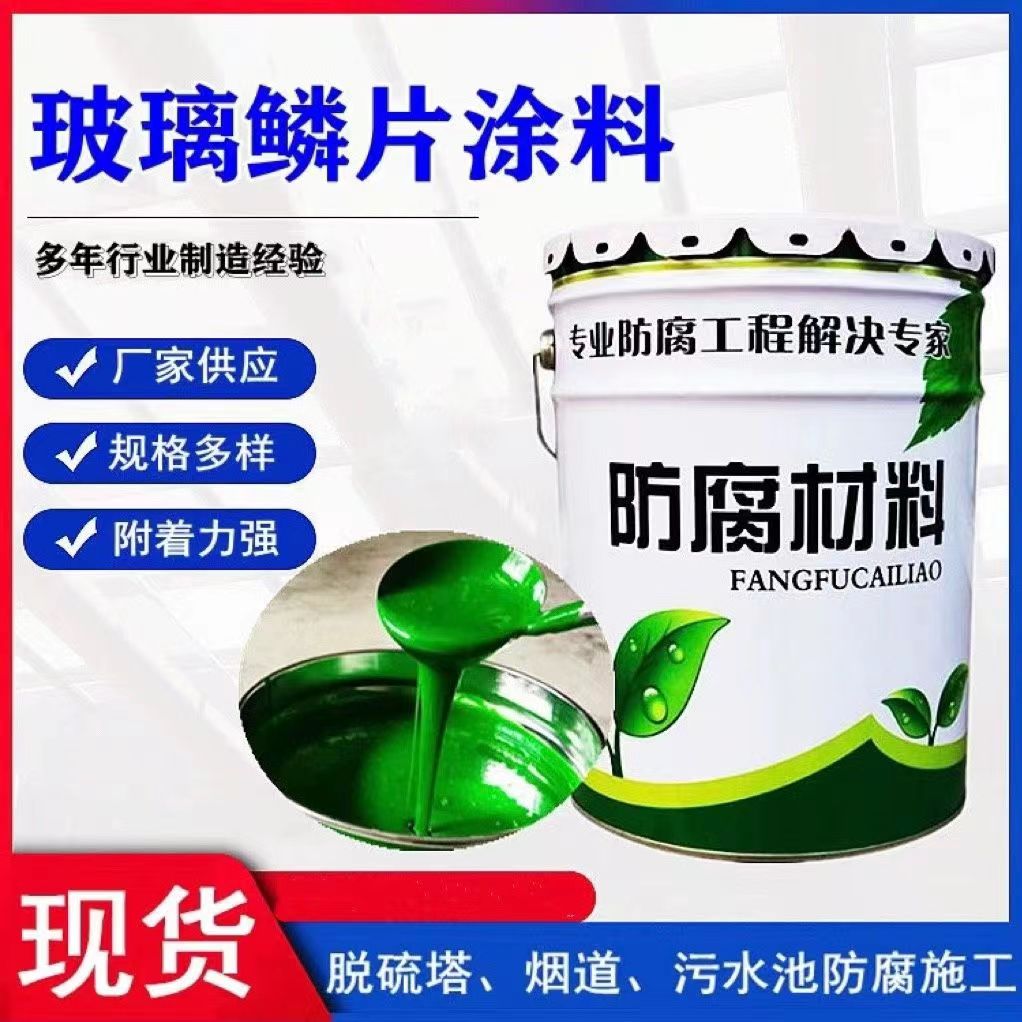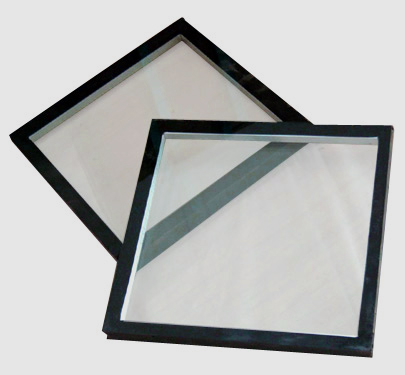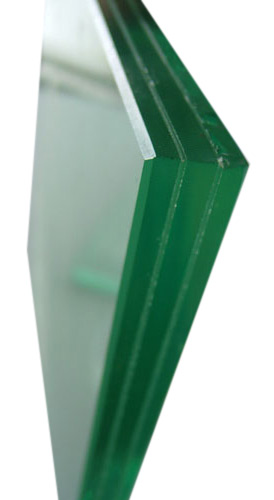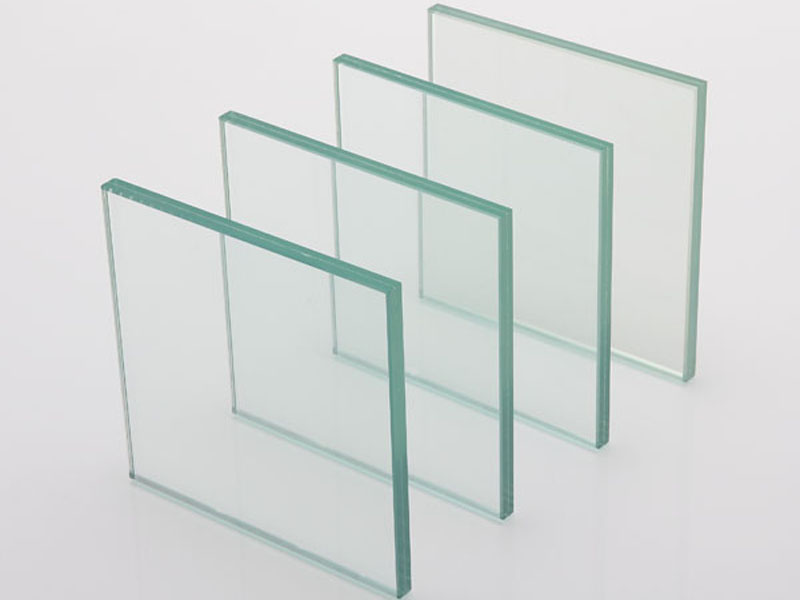











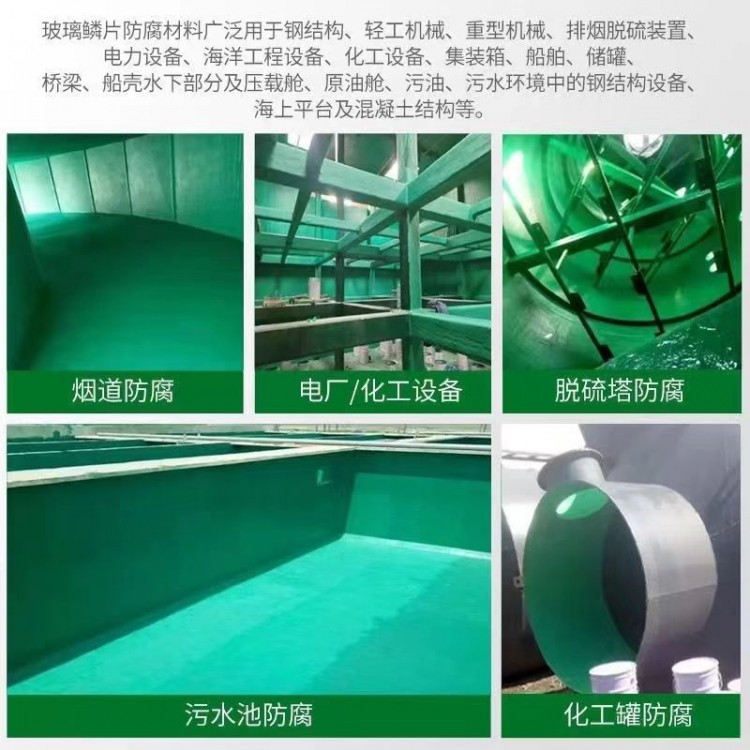
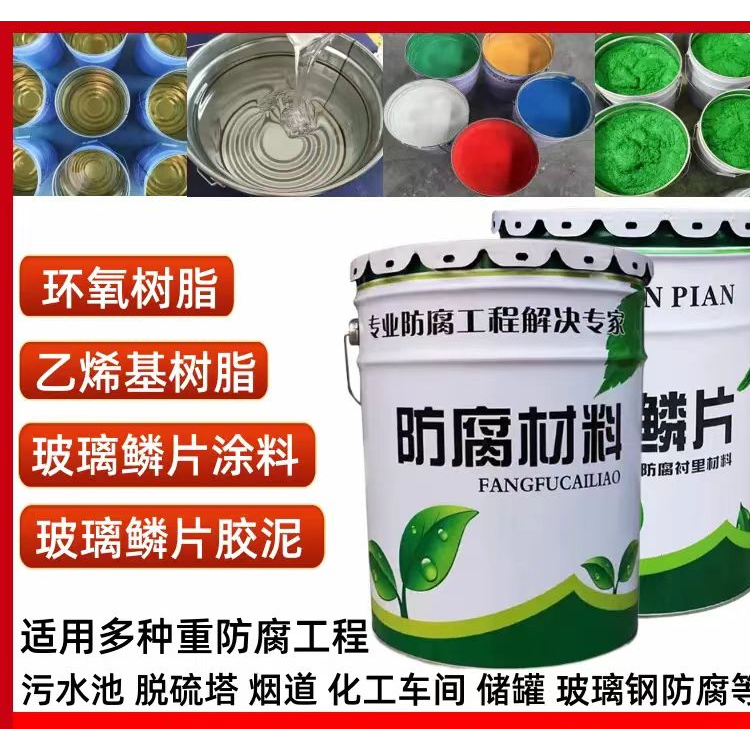
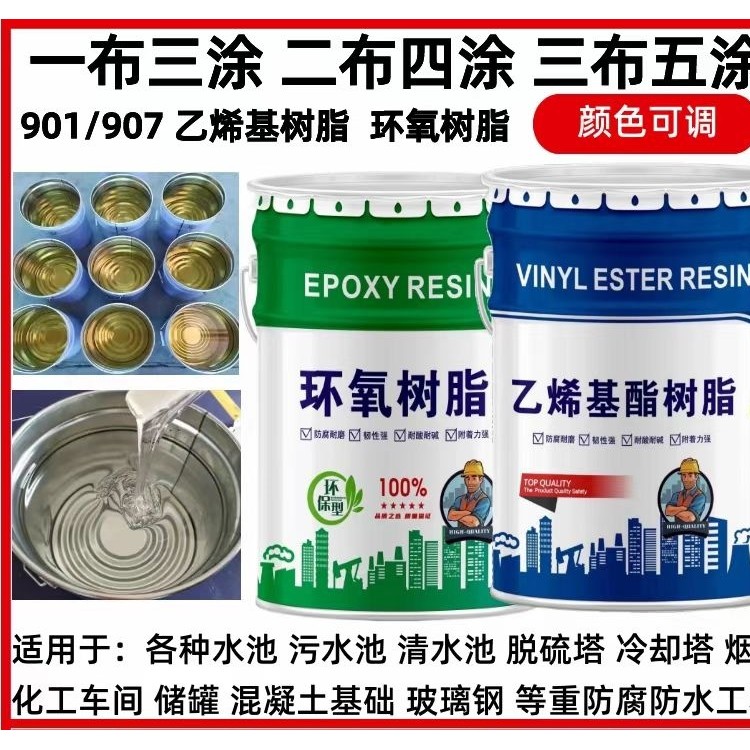

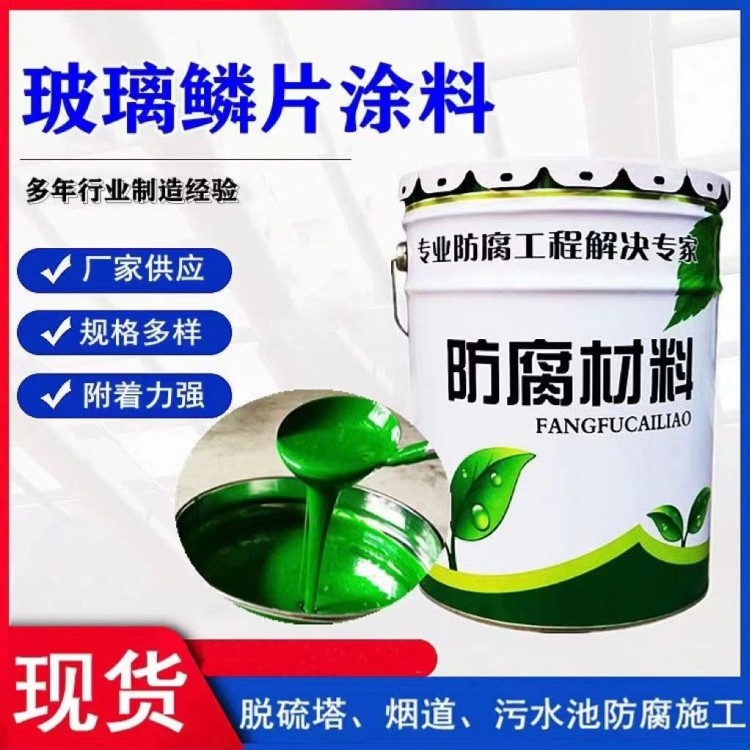
Glass scales are an inorganic material with a scale-like structure, primarily made from glass fibers. They resemble scales in appearance, offering excellent corrosion resistance and superior physical and chemical properties. Due to their unique structure and performance, glass scales are widely used in various fields such as construction, chemical industry, electricity, and transportation, and have become an important component of anticorrosive coatings and protective materials.
One. Characteristics of Glass Flakes
Corrosion resistance
Glass flake can effectively resist erosion from acids, alkalis, salts, and other chemicals, boasting excellent corrosion resistance, particularly suitable for use in harsh environments.High-tensile
Glass flake has high physical strength, capable of withstanding significant external impact, ensuring the stability and durability of the coating during application.Excellent insulation properties
Glass flake possesses excellent electrical insulation properties, thus it has broad application potential in the protection of electrical equipment.Flame Retardant Properties
Glass flake, as an inorganic material, boasts excellent flame-retardant properties and can effectively reduce the risk of combustion in situations like fires.Environmentally friendly
Glass flake material is non-toxic, harmless, and environmentally friendly, suitable for various eco-friendly projects.
II. Production Process of Glass Flakes
The production of glass flake typically involves the following steps:
Raw Material Preparation
The primary raw material for glass flake is glass fiber, which requires selecting high-quality glass fiber as the foundation to ensure its physical and chemical properties meet the standards.Melting and shaping
The glass fiber is melted at high temperatures and then formed into a scaled structure through special molding processes. This process requires precise control of temperature and time to ensure the quality of the scales.Cooling and Processing
After forming, the glass flake needs to be rapidly cooled and surface treated to achieve a smooth surface, enhancing its adhesion and corrosion resistance.Packaging and Storage
Packaged after treatment, the glass flake is stored in a dry, well-ventilated environment to prevent dampness and damage.